The River Thames, a waterway steeped in history and vibrant with life, stretches for 215 meandering miles through the heart of South East England. From its humble source in the tranquil Gloucestershire countryside, often marked by the 'Thames Head' stone, it carves a path eastward, transforming from a narrow, bucolic stream into a broad, majestic artery that flows through London and eventually meets the North Sea. This iconic river has been the lifeblood of England for millennia, witnessing Roman legions, Viking longboats, medieval trade, and the rise of a global empire. Today, while still a commercial highway in its lower reaches, the upper and middle Thames are predominantly cherished for leisure boating, offering a unique blend of pastoral beauty, historic grandeur, and bustling urban stretches. Its character shifts dramatically along its length, from the serene, willow-lined banks upstream of Oxford, through the regatta lawns of Henley, past the royal residences of Windsor, and into the vibrant, cosmopolitan embrace of London. Boaters navigating the Thames are not merely traversing a river; they are journeying through the annals of English history, with every bend revealing a new vista, a historic building, or a charming riverside village.
Navigating the River Thames presents a diverse range of conditions that require careful attention from boaters. The non-tidal Thames, managed by the Environment Agency, extends from Lechlade to Teddington Lock and is characterised by a series of 45 locks, each presenting a delightful, if sometimes busy, experience. These locks, some manually operated and others automatic, are generally well-maintained and offer reliable passage, though peak season can see queues. Beyond Teddington, the river becomes tidal, falling under the jurisdiction of the Port of London Authority (PLA), with strong currents, commercial traffic, and significant tidal ranges that demand a higher level of experience and vigilance. Bridges along the route vary from historic, low-arched stone structures requiring careful clearance checks, to modern, towering crossings that pose no issue. During periods of heavy rainfall, particularly in autumn and winter, the river can rise swiftly, with strong currents and ‘red boards’ (danger warnings) often implemented, advising against navigation. Conversely, summer can bring lower water levels, though rarely problematic for most leisure craft due to consistent lock operations. Understanding these seasonal variations and observing signage is paramount for safe passage on the Thames.
Weather on the River Thames, like much of the UK, can be unpredictable, and boaters must be prepared for all eventualities. Summer often brings glorious sunshine, making for perfect cruising conditions, but intense UV exposure can be a significant challenge. The sun reflecting off the water amplifies its effects, accelerating the degradation of boat covers and exterior finishes. Strong winds, particularly on more open stretches around towns or across wider reaches, can whip up choppy conditions and make mooring or navigating more challenging. Winter presents its own set of risks; freezing temperatures can lead to ice formation, especially in shallower backwaters or static moorings, potentially damaging hulls and rendering covers brittle. Persistent damp and cold also create prime conditions for mould and mildew, which can quickly take hold in unventilated areas. Even in summer, sudden, heavy downpours are common, necessitating reliable waterproofing for any cover. These environmental factors highlight the critical role of robust, high-quality boat covers and thoughtful winterisation strategies to protect vessels against the unique demands of the Thames climate year-round.
Given the varied conditions encountered on the Thames, selecting the right boat cover material is crucial for long-term protection. For boats moored permanently outdoors, or those frequently left exposed to the elements, the choice often comes down to PVC (Polyvinyl Chloride) or Acrylic. PVC, with its inherent strength and complete waterproof nature, is an excellent choice for a Thames narrowboat canopy or any cover prioritising absolute water ingress prevention. Its robust construction makes it highly resistant to tears and abrasions, an advantage when contending with debris or rubbing against fenders. However, PVC can be less breathable, potentially trapping condensation if not adequately vented. For those seeking superior UV resistance and breathability, acrylic canvas is often preferred. Its woven structure allows air circulation, significantly reducing condensation and mildew risk – a major consideration given the Thames's often damp environment and potential for overnight temperature drops. Acrylic also excels in maintaining its colour and structural integrity under prolonged sun exposure, making it ideal for sunny moorings where UV inhibitors for sunny moorings are essential. Modern acrylics are also treated with water-repellent finishes, ensuring excellent protection against rain while still allowing the fabric to breathe. For both material types, specifying integrated ventilation such as vents or prop poles to create airflow beneath the cover is vital for preventing mould and mildew build-up, especially important for boats laid up over winter on the Thames. Investing in a cover with high-quality stitching and reinforced stress points, tailored specifically for your vessel, will provide years of reliable boat protection.
The River Thames is dotted with a multitude of popular mooring towns and vibrant cruising centres, each offering its own unique charm and facilities for boaters. Starting upstream, Oxford serves as a historic gateway, boasting stunning architecture, university colleges, and bustling city life, with numerous moorings available. Further downstream, the charming market town of Abingdon provides tranquil overnight stops, while Wallingford offers a quintessential English riverside experience. Reading provides a more urban centre with excellent transport links and amenities, transitioning into the more picturesque stretches towards Henley-on-Thames, world-renowned for its annual Royal Regatta. This stretch is particularly popular for day boats and cruisers enjoying the idyllic scenery. Marlow and Cookham offer postcard-perfect villages, ideal for leisurely stops. The regal town of Windsor, dominated by its iconic castle, is a significant draw, attracting countless visitors and providing ample mooring opportunities for those wishing to explore its royal heritage. Closer to London, Kingston upon Thames and Richmond offer a lively mix of shopping, dining, and riverside walks, marking the transition towards the tidal river. These hubs not only provide essential services like fuel, pump-outs, and chandleries, but also immerse boaters in the rich cultural tapestry of the Thames Valley.
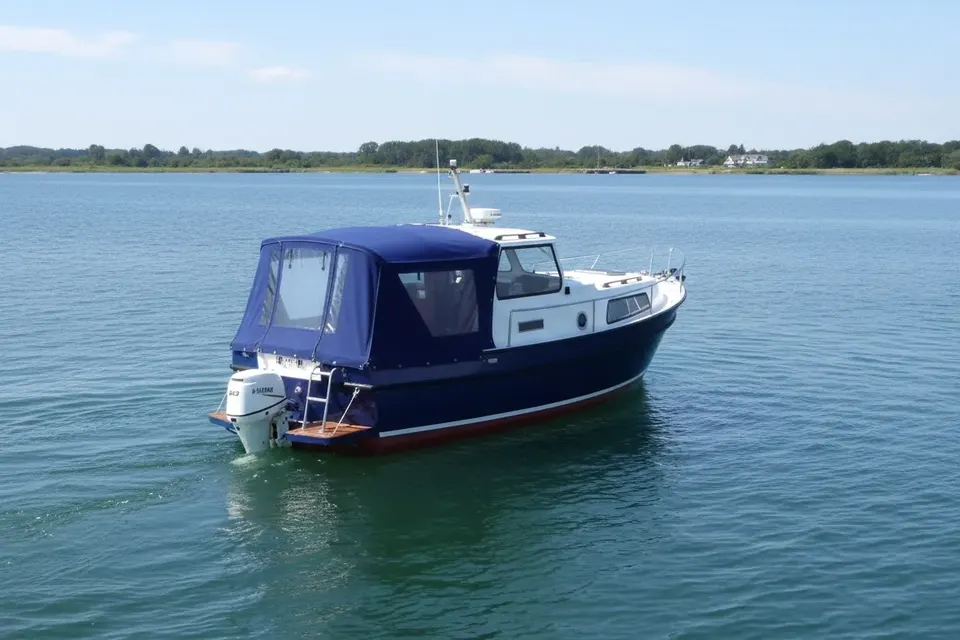
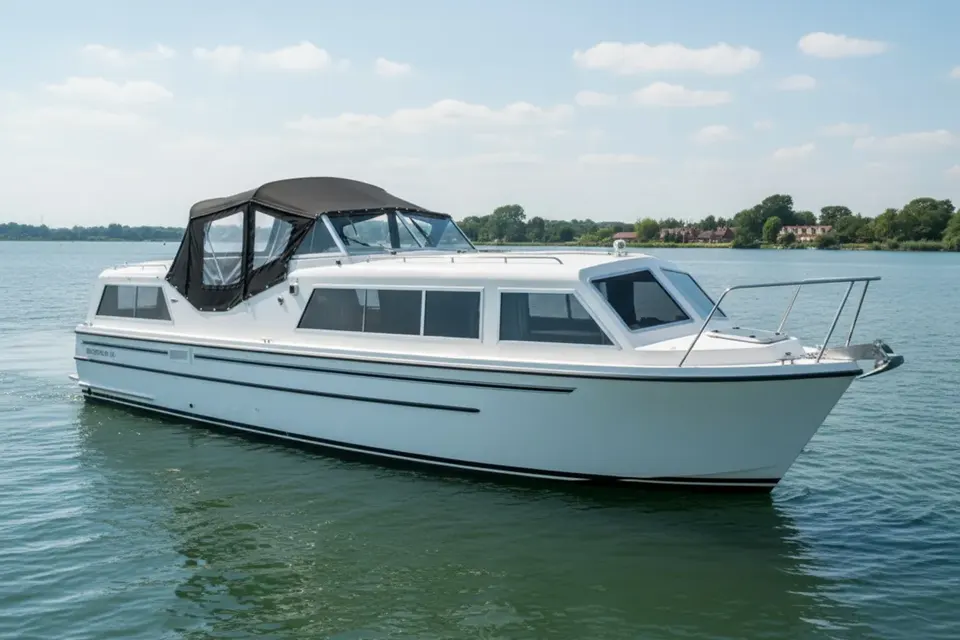
The diverse nature of the River Thames attracts an equally diverse range of vessels, from traditional narrowboats to modern river cruisers and nimble dayboats. Narrowboats are particularly prevalent on the non-tidal sections, their slender beam perfectly suited for navigating the locks and enjoying the tranquil pace of river life. Many owners opt for a bespoke Thames narrowboat canopy to extend their living space or provide additional protection. River cruisers are perhaps the most common sight, with popular models including the robust Viking 20, known for its comfortable cabin and ease of handling, or larger cruisers such as the Norman and Freeman models, all designed for extended stays on the water. These boats often require custom-fitted Thames cruiser covers to ensure maximum protection against the elements. Dayboats and open launches are also very popular, especially during the summer months, allowing owners to enjoy short trips, picnics, and watersports. Whatever the vessel, ensuring it has adequate boat protection against the unique challenges of the Thames environment, from sun exposure to sudden downpours, is key to preserving its condition and enhancing its lifespan.
The frequent lock system on the non-tidal Thames, with 45 locks spread over its 215 miles, has a notable impact on boat cover usage during trips. Unlike canals with often very close lock spacing, the Thames locks are generally spaced further apart, allowing for longer cruising stretches between operations. However, navigating 45 locks still means covers are regularly being removed and replaced, especially for canopies over cockpits or forward cabins, as boaters need to be able to move freely and quickly to operate ropes and fenders. This constant handling necessitates covers made from durable materials that can withstand repeated folding, unfolding, and potential scuffing. Ease of fitting and removal is therefore a significant factor; a cover designed with robust zips, quick-release fastenings, and a precise fit will save considerable time and effort at each lock. While some boaters may opt to leave certain covers partially rolled or folded back during a day's cruise, full protection is often reinstated when mooring overnight or when leaving the boat unattended, even for short periods. This cycle of use means covers on the Thames endure more wear and tear than those on a permanently moored vessel, highlighting the need for high-quality craftsmanship and materials built to last.
Whether you're cruising the historic stretches near Oxford, enjoying the regatta atmosphere in Henley, or navigating the royal waters by Windsor Castle, protecting your vessel from the unpredictable British weather is paramount. At ukboatcovers.com, a family-run business based in Carterton, Oxfordshire, we understand the specific challenges and nuances of the River Thames environment. We specialise in crafting bespoke boat covers tailored precisely to your boat's specifications, ensuring superior fit and protection. Our expert team combines traditional craftsmanship with modern materials to create covers that stand the test of time, resisting UV degradation, preventing water ingress, and enhancing breathability. We are proud to offer transparent pricing with no VAT to pay, representing a significant clear pricing on your bespoke cover. Our efficient process guarantees a rapid dispatch timing agreed before ordering from template receipt to dispatch, ensuring you're back on the water with minimal delay. For those unable to visit us, our convenient postal copy service allows you to send us your existing cover, which we will meticulously copy to create a perfect replacement. Trust ukboatcovers.com for unparalleled quality and service to safeguard your investment on the magnificent River Thames.