Kingston upon Thames marks a critical transition point on the River Thames - just 2 miles downstream from Teddington Lock, Britain's boundary between tidal and non-tidal river. This location creates unique boat cover requirements, serving vessels operating in both tidal and non-tidal conditions with varying water levels and saltwater exposure.
Tidal Thames Considerations
Below Teddington Lock, the Thames becomes tidal with ranges up to 7 meters (23 feet) at London Bridge, reducing to 2-3 meters at Kingston. This tidal influence affects mooring arrangements and cover design. Boats must accommodate changing water levels through adjustable mooring systems, while covers need flexibility for boats rising and falling with tides.
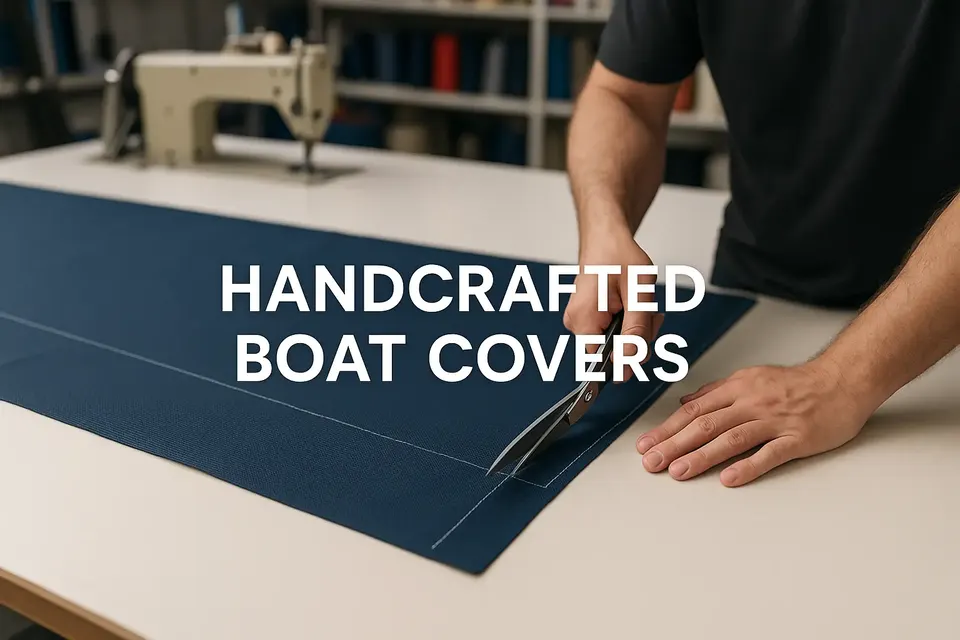
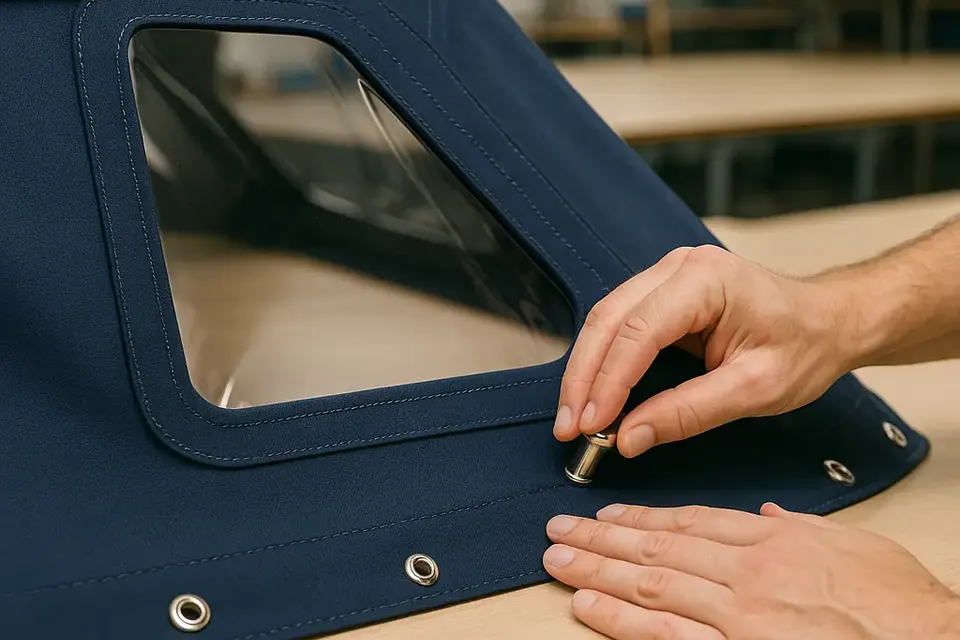
Tidal flow brings saltwater mixing with freshwater, particularly during high tides. This brackish water demands corrosion-resistant cover fixings and UV-stable marine-grade fabrics resistant to salt degradation. Our PVC-coated polyester includes UV inhibitors handling tidal Thames conditions.
Kingston's Boating Infrastructure
Turk's Boatyard (established 1898) provides Kingston's premier boat services including moorings, repairs, and winter storage. The yard handles boats from 20-foot day launches to 40-foot cruisers, each requiring precisely fitted covers. Their long-term moorings accommodate residential boats needing year-round canopy protection.
Kingston Rowing Club maintains competitive rowing facilities with equipment storage. While primarily oar-powered craft, the club's fleet includes coaching launches and safety boats requiring weather protection during winter storage.
Riverside moorings line both banks through Kingston's town center. Properties with private jetties demand covers matching their homes' Thames-side prestige - we provide color-matched fabrics integrating with Kingston's refined riverside environment.
Hampton Court Palace Proximity
Hampton Court Palace sits 2 miles upstream, creating a prestigious boating environment. Tourist traffic, palace events, and historic setting all contribute to Kingston's Thames character. Boats moored in this area face wake from passenger vessels running Kingston-Hampton Court routes. Our covers include reinforced stress points managing constant wake action.
The palace's Tudor heritage and formal gardens create architectural expectations. Boat covers visible from palace approaches should complement this historic environment through appropriate color selection and styling.
Lock Operations and River Flow
Teddington Lock (2 miles upstream) is the Thames's largest lock complex with three separate locks handling different boat sizes. As the tidal limit, Teddington marks a fundamental change in river character. Boats operating below Teddington need covers suited to tidal conditions, while vessels above require non-tidal specifications.
Molesey Lock (4 miles upstream) serves the non-tidal section through Hampton Court. The reach between Molesey and Teddington sees heavy summer traffic - our covers protect during lock queues while remaining quick to remove for passage.
Popular Boat Types in Kingston Waters
Kingston's position attracts larger cruisers than upper Thames sections. Tidal navigation allows 30-40 foot motor cruisers accessing central London, while traditional Thames launches maintain connection to river heritage. Narrower boats (20-26 feet) typically stay above Teddington, but Kingston-based boats run the gamut from small day boats to substantial cruisers.
Common models include larger Freeman variants, traditional wooden launches (requiring varnish-protecting tonneau covers), and modern motor cruisers with fly bridges and radar arches. Each design needs custom cover solutions accommodating specific deck layouts and equipment configurations.
Weather and Seasonal Variations
Kingston's lower Thames position brings milder winters than upper reaches - rarely below freezing, but with persistent rain (annual 600mm). Summer temperatures reach 28-30°C with strong UV exposure on unshaded moorings. Our covers balance these extremes:
Winter Protection: Waterproof seams handling London basin rainfall. Reinforced stress points managing wind across open parkland. Anti-condensation properties preventing mildew in damp conditions.
Summer Requirements: Superior UV inhibitors protecting against intense southern England sun. Breathable construction allowing air circulation during hot weather. Light-colored options reflecting heat rather than absorbing.
Raven's Ait and Thames Ditton Island
These Thames islands near Kingston create sheltered mooring spots protected from main river traffic. However, island moorings face unique challenges - difficult access during floods, exposure to northerly winds, and isolated positions complicating cover maintenance. Our postal copying service particularly benefits island-based boats where bringing covers to shore-based services proves difficult.
Thames Ditton Island's residential community maintains high aesthetic standards. Boat covers must complement this exclusive island environment through quality materials and professional appearance.
Kingston's Commercial River Heritage
Kingston Bridge has served as a Thames crossing since at least Roman times, with the current 1828 bridge replacing medieval predecessors. Historic wharves and warehouses (now converted to apartments) line the Kingston riverside, creating an environment blending heritage architecture with modern marina facilities.
This commercial history means Kingston's Thames section handles diverse traffic - tourist boats, working vessels, pleasure craft, and residential boats all share the river. Covers must protect against wake from varied traffic types while maintaining aesthetic standards appropriate to the riverside setting.
Our bespoke boat covers serve Kingston's full range of Thames boats. From tidal cruisers navigating down to London, to traditional launches exploring upstream reaches, we provide covers matched to your specific Kingston mooring and boat type. Dispatch timing agreed before ordering via our postal service ensures minimal disruption to your Thames boating schedule.