Lechlade marks the highest navigable point on the River Thames, where the river transitions from shallow stream to navigable waterway. This historic Cotswold market town creates unique demands for boat protection, with shallow waters, seasonal navigation, and exposure to Cotswolds weather defining the local boating environment.
Upper Thames Navigation Character
St. John's Lock (fall: 5ft 2in) serves as the practical head of Thames navigation, though the river continues another 18 miles southwest to Thames Head spring. The lock's round pound and distinctive architecture make it one of the Thames's most photographed locations. Boats navigating above Lechlade face increasingly shallow water and summer weed growth requiring specialized shallow-draft vessels.
The Thames at Lechlade flows narrow and relatively straight compared to downstream meanders. Water depths vary seasonally - spring flooding creates 4-6 feet depth, while summer can reduce navigable depth to 2-3 feet. Our custom boat covers protect boats during these extended stationary periods when water levels restrict movement.
Seasonal Navigation and Extended Mooring
Lechlade experiences distinct seasonal boating patterns. Summer (May to September) brings peak navigation when water levels support cruising. Winter often sees boats moored for extended periods as water levels drop and winter weather deters cruising. These long mooring periods demand covers providing comprehensive protection against Cotswolds weather.
Spring flooding can be dramatic - the Thames at Lechlade rises quickly during heavy Cotswolds rainfall. Covers must accommodate water level variations while maintaining protection. Our reinforced stress points and flexible fitting systems handle these dynamic conditions.
Lechlade Marina and Mooring Facilities
Lechlade Marina provides the main mooring facility at the navigation head, accommodating boats up to 60 feet. The marina's sheltered position offers protection from prevailing westerlies sweeping across exposed Cotswolds countryside. Year-round moorers need covers managing the Cotswolds' 750mm annual rainfall and temperature range from winter frosts to 30°C summer peaks.
St. John's Lock moorings sit immediately below the lock, popular with visitors making pilgrimage to the Thames's navigable limit. Halfpenny Bridge moorings provide town-center access, though exposure to open meadows demands wind-resistant cover construction. Riverside Park offers casual mooring for smaller craft.
Cotswolds Weather Exposure
The Cotswolds' elevated plateau creates specific weather challenges. Strong westerly winds sweep unobstructed across the wolds, creating significant wind chill in winter and wind stress on moored boats year-round. Our marine-grade fabrics include UV resistance for intense summer sun reflecting off the Thames's clear Upper waters, and superior waterproofing for persistent winter rainfall.
Temperature variations prove substantial. Summer days reach 28-30°C, while winter nights drop below freezing regularly. Spring and autumn bring rapid weather changes typical of elevated countryside. Covers must handle this range while remaining breathable to prevent mildew in boats moored for extended periods.
Boat Types and Cover Requirements
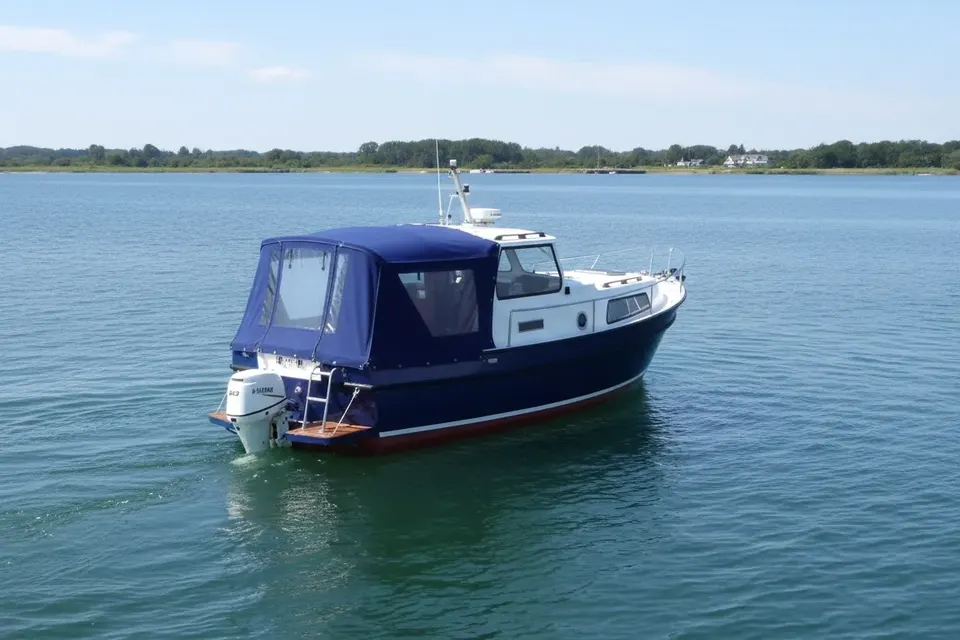
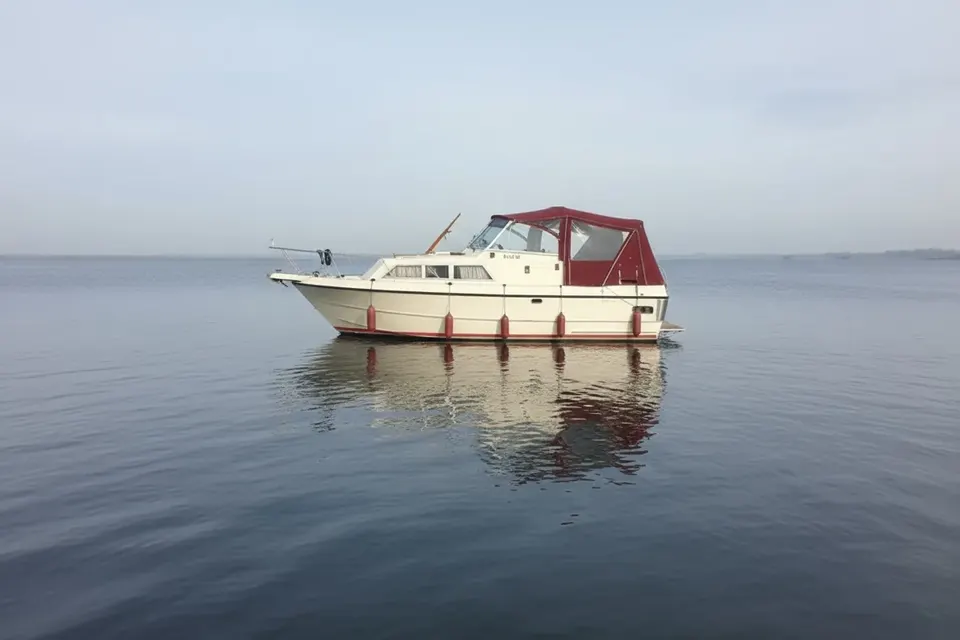
Lechlade's shallow Upper Thames suits specific boat types. Traditional narrow beam cruisers (18-22 feet) dominate, drawing minimal water while providing comfortable cruising. Viking 20 and Hardy 18 Navigator models prove popular, their shallow drafts perfect for Upper Thames conditions.
Day boats and small craft also cluster at Lechlade, many trailered to the navigation head for day cruising. These vessels benefit from protective tonneau covers during storage and transport. Canoes and kayaks launching for Thames Path expeditions require simple protective covers between trips.
Each boat type needs specific cover designs. Cruisers require full canopies protecting living quarters and controls. Day boats benefit from fitted tonneau covers. Small craft need lightweight protective covers for transport and storage.
Historical Thames Head Context
Though Lechlade marks the practical navigation head, the Thames's true source lies 18 miles southwest near Kemble at Thames Head. This symbolic source (a stone monument in a Gloucestershire meadow) creates Lechlade's identity as the Thames's navigable beginning. Boaters making pilgrimage to the navigation head appreciate this connection to the river's origins.
The town's history as a Thames trading post dates to medieval times when barges carried Cotswolds stone downstream. Modern pleasure craft have replaced commercial traffic, but Lechlade maintains its role as the Upper Thames's focal point.
Lock Operations and Navigation Patterns
St. John's Lock operates seasonally with Environment Agency supervision. Summer sees regular operation as boats navigate to the head of the river. Winter often finds the lock closed during low water periods. This seasonal operation creates distinct mooring patterns - boats winter at Lechlade before cruising downstream in spring.
Lock queues rarely develop at Lechlade given limited through traffic. Most boats visiting make St. John's Lock their destination rather than passing through. Covers must protect during these extended mooring periods while allowing quick preparation for occasional downstream passages.
Wildlife and Environmental Considerations
The Upper Thames at Lechlade supports rich wildlife. Swans, ducks, and moorhens cluster around mooring areas, while kingfishers hunt the shallow waters. Otters have returned to the Upper Thames, occasionally spotted near Lechlade. This wildlife creates additional cover requirements - bird droppings demand easy-clean materials, while wildlife awareness means secure fitting preventing entanglement.
The Thames Path National Trail passes through Lechlade, bringing walkers to the riverside. This public access creates community atmosphere appreciated by boaters while requiring security-conscious cover designs.
Weed Growth and Navigation Challenges
Summer weed growth proves substantial in the Upper Thames's shallow, slow-moving waters. Dense weed beds restrict navigation and can foul propellers. Boats spend extended periods moored while waiting for Environment Agency weed cutting. Our covers protect during these enforced stops, maintaining boat condition throughout the growing season.
The weed also affects water chemistry - decomposing vegetation creates slightly acidic conditions. Cover materials must resist this water chemistry while maintaining breathability.
Distance and Cruising Patterns
As the Thames's navigation head, all journeys from Lechlade head downstream. Popular destinations include Radcot (7 miles), Oxford (27 miles), and Reading (52 miles). Boaters often moor at Lechlade before beginning extended cruises, requiring covers protecting during pre-trip preparation and post-cruise storage.
The isolation from other major boating centers creates independence - Lechlade boaters often self-maintain boats and equipment. Our postal copying service serves this community perfectly. Send your existing cover for reproduction with improved fixings and fresh fabric. Dispatch timing agreed before ordering means quick return to this remote Upper Thames location.
Local Boating Services
Lechlade's boating infrastructure includes marina services, chandlery, and boat repairs, though less extensive than downstream centers. This creates demand for durable covers minimizing maintenance requirements. Our reinforced construction and quality materials deliver multi-season performance, reducing service frequency.
The town itself provides shops, pubs, and services supporting boaters. The Crown Inn and New Inn both welcome boat crews, while the town's shops supply provisions for extended cruises.
Future of Upper Thames Navigation
The Environment Agency continues maintaining navigation to Lechlade despite challenges from low water and weed growth. This commitment ensures Lechlade's future as the Thames's navigable head, supporting continued investment in quality boat protection.
Climate change may affect Upper Thames navigation - warmer summers increase weed growth while variable rainfall creates more dramatic flood-drought cycles. Quality covers become increasingly important as boats spend more time moored awaiting suitable conditions.
We serve Lechlade's Upper Thames community with covers engineered for this unique environment. From St. John's Lock to Halfpenny Bridge, we protect boats at the Thames's magnificent navigation head.