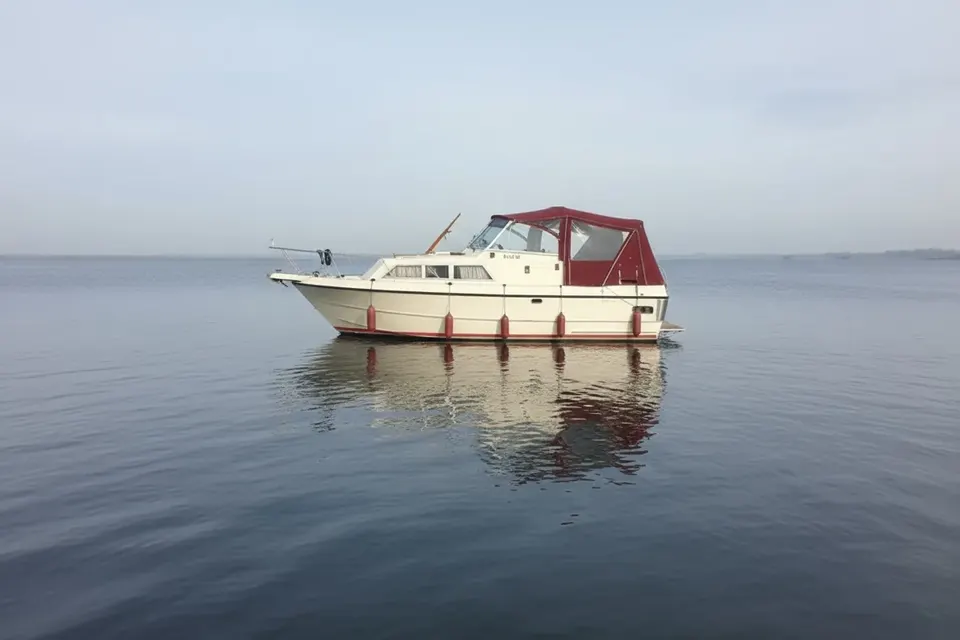
Radcot claims the Thames's oldest bridge, a medieval three-arched structure dating to approximately 1200 AD. This tiny Upper Thames hamlet creates idyllic mooring at the river's quietest reach, where boats experience authentic rural Thames cruising far from downstream crowds.
Radcot's Historic Thames Crossing
Radcot Bridge stands as the Thames's oldest surviving river crossing, predating even Windsor's medieval bridge by several decades. The bridge's three Gothic arches span the main channel, while nearby Old Man's Bridge (a second medieval bridge) crosses Radcot Cut, creating a unique dual-bridge system. Boats navigate through the main arch, experiencing Thames history dating back eight centuries.
The bridges' medieval heritage creates height restrictions - clearance varies with water level, typically 7-8 feet at normal flow. Boats with tall canopies or radar masts must lower or remove them for passage. Our collapsible cover designs allow quick height adjustment while maintaining protection.
Radcot Lock and Cut Navigation
Radcot Lock (fall: 3ft 4in) bypasses the natural river's shallow stretch via Radcot Cut, an artificial channel constructed in 1787 to improve navigation. The lock sits on this cut while the old river channel (now backwater) winds past the Swan Inn. This creates two distinct mooring environments - sheltered lock moorings on the cut, or characterful backwater moorings on the old river.
Lock operations follow Environment Agency seasonal patterns - manned during summer, self-service in winter. The lock's modest fall and simple pound create straightforward passage, though summer weed growth in the approaches can challenge inexperienced helms. Our covers protect during lock queues and overnight moorings.
Swan Inn Moorings and Atmosphere
The Swan Inn (a historic riverside pub) provides the area's focal point, offering mooring, refreshment, and traditional Thames-side hospitality. The pub's position on the old river channel creates sheltered moorings protected from main channel traffic. Stone walls and willow trees provide wind protection, though boats still need covers managing Oxfordshire's weather exposure.
Summer sees the Swan's moorings busy with cruisers enjoying rural tranquility. Winter finds boats moored for extended periods, requiring covers handling persistent rainfall and occasional frost. Our custom boat covers suit both scenarios - quick-fit tonneau covers for summer cruise stopovers, full canopies for winter lay-up.
Upper Thames Rural Character
Radcot epitomizes Upper Thames rural isolation. No through roads access the hamlet - only narrow lanes crossing the medieval bridges. This isolation creates peaceful mooring rare on Britain's busy waterways. Birdsong replaces traffic noise, while dark skies reveal stars obscured in urban areas.
This rural character also means limited services. Boaters must be self-sufficient, carrying provisions from upstream Lechlade or downstream Newbridge. The isolation increases cover importance - boats moored here need reliable protection without ready access to repair services.
Weather Patterns and Seasonal Variations
Oxfordshire's inland position creates continental weather influences - cold winters, warm summers, and moderate rainfall (680mm annually). The flat Thames valley offers little wind protection, so westerly gales sweep across the floodplain creating significant wind stress on moored boats.
Winter floods can be dramatic. The Thames at Radcot overflows into surrounding meadows regularly during January-March. Water levels rise 3-5 feet, submerging towpaths and flooding low-lying areas. Our covers handle these level variations through adjustable fitting systems maintaining protection throughout flood cycles.
Summer brings hot, dry periods when the Upper Thames's shallow waters slow to barely perceptible flow. Water temperatures reach 20°C, creating algae blooms and increased weed growth. UV exposure proves intense on unshaded moorings - our marine-grade fabrics include superior UV inhibitors preventing degradation.
Boat Types at Radcot
Upper Thames cruisers dominate Radcot moorings. Norman 20 and Viking 20 models prove popular, their 20-22 foot lengths and shallow drafts perfect for Upper Thames conditions. Traditional clinker-built launches maintain Thames heritage, requiring covers matching their classic aesthetics.
Day boats visit from nearby marinas for Swan Inn lunches and bridge photography. These shorter vessels benefit from simple tonneau covers protecting during stopovers. Longer cruisers (24-26 feet) represent the maximum practical size for regular Upper Thames navigation given bridge heights and lock dimensions.
Lock Flight Context
Radcot sits within the Upper Thames lock sequence. Rushey Lock (3 miles upstream toward Lechlade) marks the beginning of more frequent locks. Grafton Lock (2 miles downstream) continues the sequence toward Newbridge. This spacing creates leisurely cruising - boats spend more time on open river than waiting at locks.
The locks' modest falls (3-6 feet typically) create gentle rises compared to downstream Thames locks' 7-8 foot falls. This makes Upper Thames navigation accessible to novice boaters while still providing canal-style lock experience.
Historical Military Significance
Radcot Bridge played a role in English history - the Battle of Radcot Bridge (December 1387) saw forces loyal to Richard II defeated by baronial opposition. The bridge's strategic importance as one of few Upper Thames crossings made it a military objective. Boats moored here experience this medieval history firsthand.
The battlefield site (now peaceful meadows) flanks the river. Historical interpretation could enhance visitor experience, though currently the site remains unmarked. Boaters interested in medieval history appreciate Radcot's significance.
Wildlife and Conservation
The Upper Thames at Radcot supports rich biodiversity. Otters have recolonized this section, while water voles persist in protected bankside habitats. Kingfishers nest in the area, their electric-blue plumage brightening summer cruises. Winter brings wildfowl - teal, widgeon, and occasional visiting swans.
This wildlife creates responsibilities for boaters. Quiet operation and waste management protect sensitive habitats. Our covers' secure fitting prevents wildlife entanglement while protecting boats from bird activity.
Distance and Cruising Patterns
Radcot sits 7 miles downstream from Lechlade, creating a natural first or last night for boaters cruising the Upper Thames. Newbridge (5 miles downstream) offers the next substantial mooring, while Oxford lies 20 miles further. These distances make Radcot a strategic overnight stop on multi-day cruises.
Boaters often base at Radcot for exploring the Upper Thames's quietest reaches. Day trips reach Lechlade upstream or Newbridge/Swinford downstream, returning to Radcot's peaceful moorings for evening.
Services and Facilities
Limited services characterize Radcot - the Swan Inn provides refreshment and basic provisions, but no chandlery or boat services exist. Lechlade (7 miles) offers the nearest marina and repair facilities. This isolation creates self-sufficient boating community where quality protective covers reduce maintenance requirements.
The lack of light pollution makes Radcot ideal for astronomical observation. Summer evenings reveal the Milky Way, while meteor showers provide natural entertainment. Covers with quick-release systems allow easy evening removal for stargazing.
Future Thames Navigation
Environment Agency commitment to Upper Thames navigation ensures Radcot's future as a boating destination. Recent lock refurbishment and regular weed cutting maintain navigability despite shallow water challenges.
Climate change may bring more variable water levels - wetter winters creating higher floods, drier summers reducing navigation season. Quality boat protection becomes increasingly important as boats spend more time moored awaiting suitable conditions.
Our postal copying service serves Radcot's Upper Thames location. Send your existing cover for reproduction with improved materials and fixings. Dispatch timing agreed before ordering means quick return to this historic Thames hamlet where medieval bridges frame timeless river scenes.