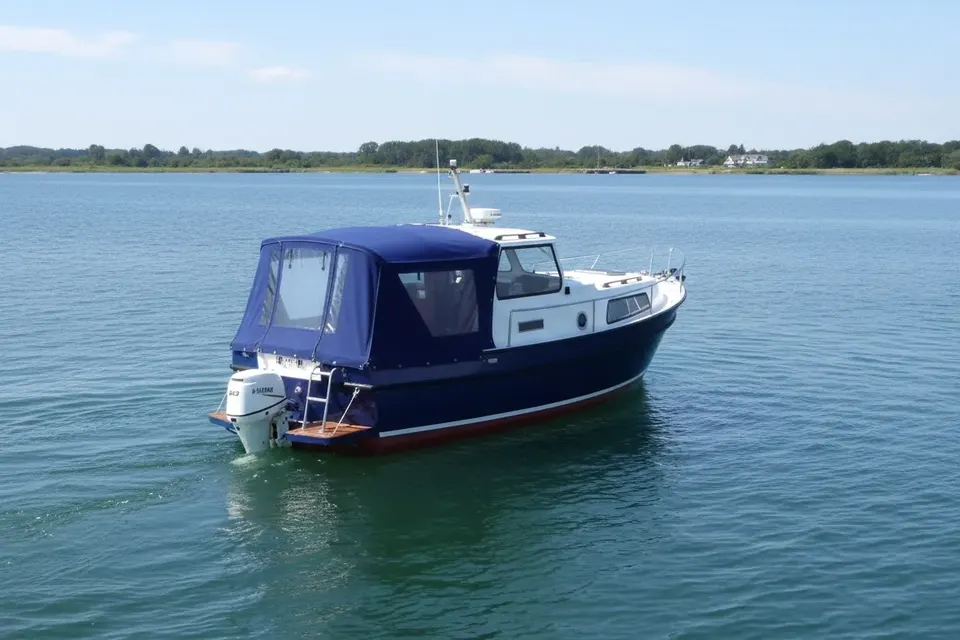
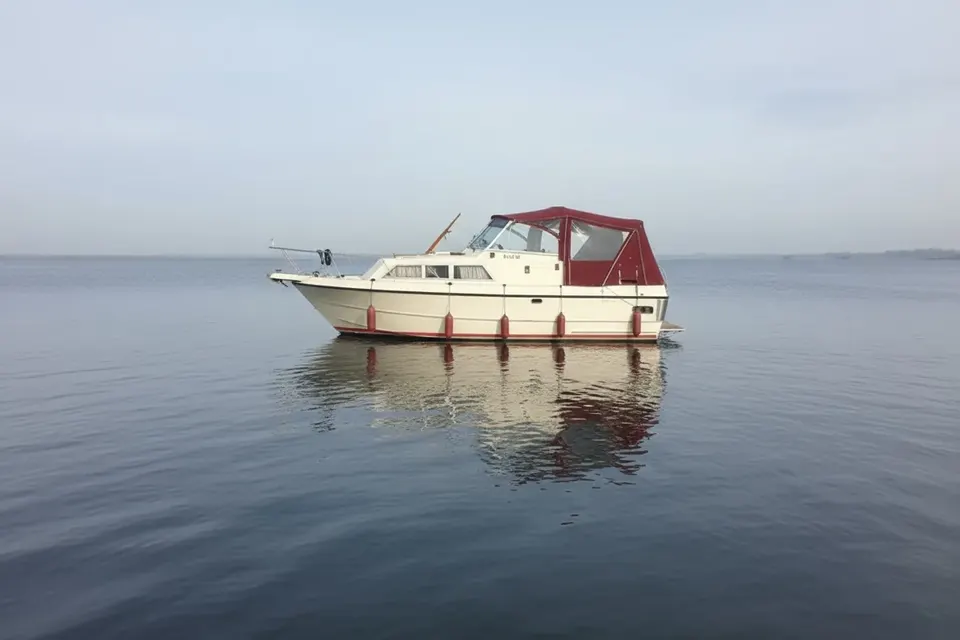
Sonning epitomizes the picturesque Thames village - red brick Georgian houses, willow-shaded banks, the iconic humpback bridge, and the French Horn Hotel's riverside terrace. This architectural gem, consistently ranked among England's most beautiful villages, creates exacting standards for all riverside elements including the boat covers protecting vessels moored in these prestigious waters.
Village Character and Aesthetic Expectations
Sonning's architectural conservation area encompasses the entire riverside, preserving Georgian and Victorian character through strict planning controls. Properties here command premium values, with riverside homes among the Thames's most valuable. Boats moored in Sonning occupy an environment where aesthetics matter profoundly - covers must complement refined surroundings rather than introducing discordant elements.
The village's red brick predominance, cream-painted woodwork, and carefully maintained gardens create a distinctive color palette. Our custom boat covers respect this environment through appropriate fabric selection - traditional navies, greens, and creams harmonize with Sonning's established aesthetic, while quality construction ensures covers appear as refined as their surroundings.
Sonning Lock and Weir Complex
Sonning Lock (fall: 5ft 2in) sits at the village's heart, creating the focal point for river activity. The lock's substantial weir generates impressive water flow, particularly after winter rains when the white water thunder echoes across the village. This dramatic weir stream creates strong currents in the lock approach, demanding careful boat handling and secure mooring arrangements.
The lock keeper's cottage and associated buildings date from the 1770s, maintaining historic character while providing modern lock facilities. Lock operation sees peak summer demand - Sonning's proximity to Reading (3 miles) brings regular weekend traffic, with queue times reaching 45 minutes during July and August weekends. Our covers protect during these wait periods while remaining quick to remove when passage clears.
The weir pool below the lock provides deep, calm water popular for permanent moorings. However, the weir's impressive flow creates mist and spray affecting nearby boats, requiring waterproof cover construction managing this persistent moisture. Breathable fabrics prevent condensation buildup from high humidity environments.
French Horn Hotel and Riverside Dining
The French Horn Hotel, occupying a prominent riverside position, offers luxury dining with Thames views. The hotel's moorings accommodate visiting boats whose owners dine at this Michelin-regarded establishment. These short-term visitors need covers protecting during overnight stays while maintaining appearance appropriate to premium hotel surroundings.
The French Horn's clientele and reputation create an environment where boat presentation matters. Well-maintained cruisers with professional covers fit naturally, while poorly protected boats appear incongruous. Our covers meet aesthetic standards appropriate to Sonning's refined riverside hospitality.
Historic Sonning Bridge
Sonning Bridge dates from 1775, its distinctive humpback profile creating one of the Thames's most photographed scenes. The bridge's multiple arches, red brick construction, and graceful curve exemplify Georgian engineering aesthetics. Navigation clearance varies with water level - spring floods reduce headroom significantly, while summer low water provides ample clearance for most cruisers.
The bridge's narrow navigation arch on the Berkshire side requires precise steering, particularly with cross-currents from the nearby lock cut. Boats moored above the bridge remain in Sonning's most protected waters, while those below face more open reaches toward Reading. Cover requirements differ accordingly - upstream boats need protection from village microclimate, downstream boats face agricultural landscape exposure.
Reading Blue Coat School Boating
Reading Blue Coat School maintains boating facilities in Sonning, with rowing and sailing programs using the Thames for competitive training. The school's presence brings additional river traffic during term time (September to July), with coaching launches and safety boats operating during afternoon training sessions.
This educational rowing creates community atmosphere similar to Oxford's college rowing but on smaller scale. The school's high standards extend throughout Sonning's boating community - our covers meet expectations established by competitive rowing's attention to detail and equipment maintenance.
Sonning Backwater and Sheltered Moorings
Sonning Backwater provides sheltered mooring away from main river traffic, with narrow channel access creating protected environment popular for residential boats. The backwater's tree coverage and restricted width offer weather protection while creating specific challenges - overhanging willows require covers fitted beneath natural obstacles, and limited sunlight penetration creates humid conditions demanding breathable cover construction.
Backwater moorings see less traffic wake but face challenges from fallen leaves, tree droppings, and wildlife. Our covers shed organic debris while protecting boats from the backwater's sheltered but biologically active environment. Marine-grade fabrics resist mildew from constant shade and humidity typical of tree-lined backwaters.
Boat Types and Local Preferences
Sonning's refined character attracts classic boat enthusiasts and quality modern cruisers. Traditional wooden launches maintain Thames heritage, requiring covers protecting varnished brightwork from UV degradation and water penetration. Modern cruisers trend toward premium brands - Norman 27 and Viking 26 models appear frequently in Sonning moorings, both benefiting from precisely fitted canopies for year-round protection.
Birchwood 25 cruisers, with their classic styling and modern construction, exemplify the aesthetic balance appropriate to Sonning - traditional appearance, contemporary performance. These boats need covers respecting their design intent through quality materials and professional finishing.
Proximity to Reading
Sonning's position just 3 miles upstream from Reading creates unusual dynamics. The village maintains rural character despite urban proximity, with strict development controls preserving open landscape and preventing Reading's expansion. This accessibility makes Sonning practical for boat-based living within commuting distance of major employment, combining village atmosphere with city convenience.
The Reading connection brings transient traffic - boats moored in Reading often cruise to Sonning for weekend meals or overnight stays in quieter surroundings. These visiting boats need covers managing mixed environments - urban Reading's pollution and wake, rural Sonning's weather and humidity.
Sonning Mill Theatre
The Mill at Sonning theatre and restaurant occupies converted flour mills on an island between weir streams. This cultural venue draws audiences from across the Thames Valley, contributing to Sonning's reputation as destination village rather than mere waypoint. Theatre visitors often arrive by boat during summer season, mooring for dinner and evening performances.
The theatre's presence reinforces Sonning's refined character. Villages supporting professional theatre, Michelin-regarded dining, and architectural conservation attract residents and visitors with high aesthetic standards - standards extending to expectations for boat protection and riverside appearance.
Weather Microclimate
Sonning's valley position between Chiltern Hills and Thames creates microclimate effects. The village sits in a slight hollow, sheltering from prevailing westerlies but creating morning mist pools during autumn and spring. These mists, while photographically attractive, create persistent humidity affecting moored boats.
Summer temperatures in Sonning's sheltered position can exceed 30°C on calm days, creating intense UV exposure demanding superior fabric inhibitors. Winter rarely brings extended freezing, but persistent damp typical of Thames Valley locations requires covers preventing mold in unheated boats. Annual rainfall averages 620mm, concentrated in autumn and winter months.
Conservation Area Restrictions
Sonning's conservation status creates restrictions affecting riverside modifications. Any permanent structures, including boat sheds or fixed moorings, require planning consent considering visual impact on protected landscape. This regulatory environment means boats rely heavily on covers rather than fixed shelters for protection.
Our portable, removable covers meet conservation area requirements while providing superior protection. They protect boats without requiring planning approval, suiting Sonning's regulated riverside environment.
Thames Path Through Sonning
The Thames Path National Trail passes through Sonning village, bringing walkers past mooring areas and the lock. This public access creates visibility - boats and covers remain constantly observed by visitors appreciating Sonning's celebrated beauty. Professional-appearing covers enhance the riverside scene, while poorly maintained protection detracts from village character.
The path's popularity creates security considerations. While Sonning maintains low crime, covers need secure fixings preventing opportunistic interference from curious visitors. Our robust attachment systems protect boats while remaining unobtrusive in the landscape.
St Andrew's Church and Village Heritage
St Andrew's Church tower, visible from the river, dates from Norman times though the current building represents multiple periods of development. The church's prominence in village views creates architectural context for all riverside elements. Boats moored within sight of this ancient landmark occupy a historically layered landscape where modern additions should respect established character.
We provide covers suited to this heritage environment - traditional styling complementing historic architecture, or contemporary designs distinguished by quality and restraint rather than jarring modernity. Both approaches succeed when executed with attention to context and craft.
Our postal copying service serves Sonning's discerning boating community. Send your existing cover for reproduction using superior materials and refined construction techniques. Dispatch timing agreed before ordering returns covers worthy of Sonning's celebrated Thames waters. We protect boats in England's most picturesque riverside village with covers meeting the highest aesthetic and functional standards.