The gentle lapping of water against the hull, the scenic beauty of the River Thames, and the vibrant yet tranquil atmosphere make Reading an undeniable haven for inland waterway enthusiasts. Whether you’re the proud owner of a classic narrowboat, a comfortable river cruiser, or a nimble day boat, the allure of the Thames is irresistible. However, the joy of boating on this iconic river, while immense, comes with a responsibility: safeguarding your cherished vessel from the unpredictable British elements. This is where the often-underestimated, yet vitally important, boat cover steps in – a silent guardian protecting your investment, comfort, and peace of mind.
This comprehensive guide delves into the world of boat covers specifically tailored for the unique demands of the Reading stretch of the River Thames. We’ll explore why Reading’s boating community needs high-quality covers, the specific types best suited for local conditions and vessel designs, and how proper care can extend their lifespan. From the bustling marinas to the tranquil upstream reaches, understanding and investing in the right boat cover is paramount for every Reading boat owner.
1. Introduction to Reading as a Boating Destination
Reading, nestled in the heart of Berkshire, is far more than just a thriving commercial hub; it's a quintessential inland boating destination on the magnificent River Thames. Its strategic location, approximately 40 miles west of London, positions it perfectly for both urban convenience and easy access to some of England’s most picturesque riverside scenery. The town boasts a rich history, with the river playing a central role in its development, from the medieval Reading Abbey – whose ruins still stand impressively close to the river – to its modern-day status as a vibrant cultural and economic centre.
For boat owners, Reading offers an exceptional blend of amenities and natural beauty. The River Thames here transitions from a more open, agricultural landscape upstream to a wider, more urban presence as it flows through the town, yet never loses its charm. The confluence of the River Kennet with the Thames right in the heart of Reading adds another layer of navigational interest, providing access to the historic Kennet & Avon Canal. This gateway opens up a vast network of inland waterways, allowing boaters to embark on extended journeys towards Bristol or simply enjoy exploring the local sections of the canal.
The boating community in Reading is diverse and active, encompassing liveaboards who call the Thames home, weekend cruisers exploring downstream towards Henley-on-Thames and Marlow, and day boaters enjoying short, leisurely trips with family and friends. The presence of several well-regarded marinas and numerous public and private moorings underscores the town's commitment to its riverine heritage. Caversham Bridge, a prominent landmark, elegantly spans the Thames, connecting the bustling town centre with the quieter, residential area of Caversham, offering stunning views and acting as a central point for river activities.
Boating in Reading means experiencing the best of both worlds: the convenience of a modern town with excellent transport links, shops like The Oracle, and diverse eateries, coupled with the serene escape offered by the river itself. Within minutes of leaving a town centre mooring, boaters can find themselves cruising past lush meadows, historic properties, and abundant wildlife. This unique combination makes Reading not just a place to moor your boat, but a destination that enhances the entire boating lifestyle. For those who choose to immerse themselves in this unique environment, ensuring the longevity and pristine condition of their vessel becomes a top priority, making the quality boat cover an indispensable accessory.
2. The River Thames Waterway Details - Locks, Bridges, Navigation
The section of the River Thames flowing through and around Reading is a quintessential example of a controlled, non-tidal inland waterway, offering a relatively calm and consistently navigable experience for boaters. Understanding its unique characteristics – particularly its locks, bridges, and navigation rules – is crucial for safe and enjoyable cruising.
The Thames, in this stretch, is meticulously managed by the Environment Agency, primarily through a series of locks that regulate water levels and facilitate passage. For boat owners in Reading, Caversham Lock is often the first encounter when heading upstream or downstream from town centre moorings. This lock, like many others on the Thames, is usually manned during daylight hours, providing a friendly and efficient service. Just a short cruise downstream from Reading lies Sonning Lock, famously nestled in one of the most picturesque reaches of the river, near the charming village of Sonning-on-Thames. Further downstream, you encounter Shiplake Lock and then Marsh Lock near Henley. Upstream from Reading, beyond Caversham Lock, you’ll find Mapledurham Lock and Whitchurch Lock, each offering unique vistas and contributing to the river's manageable flow.
Navigating these locks is a fundamental part of Thames boating. Boaters are expected to follow basic etiquette: approach slowly, wait patiently for green lights, and follow the lock keeper's instructions. Inside the lock chamber, lines should be held securely but not tied off, allowing for the rise and fall of the water. The locks are well-maintained, but awareness of propeller fouling (especially from stray ropes) is always wise.
Bridges also form a significant part of the Thames landscape, and their clearance is a key consideration for vessels, particularly narrowboats and cruisers with fixed superstructures. Around Reading, prominent bridges include the historic Caversham Bridge and Reading Bridge, both substantial structures with ample clearance for most inland craft. Further along, various railway bridges and smaller road bridges might have slightly lower clearances, but generally, the Thames is designed to accommodate the typical inland fleet of narrowboats and river cruisers without issue. Most bridges on the Thames have navigation arches clearly marked, and it's always advisable to consult up-to-date navigation charts or guides for specific air draft information if in doubt, though for most popular craft, passage is straightforward.
Navigation on the Thames is generally uncomplicated but requires adherence to the 'keep to the right' rule, especially when passing other vessels. Speed limits are enforced, particularly in designated zones, often set at 8 km/h (approximately 4 knots), designed to minimise wash and protect riverbanks, moored boats, and wildlife. The river is generally well-dredged, providing sufficient depth for the type of vessels found here, but boaters should always be mindful of potential shallows near banks or in certain unmaintained backwaters. Buoyage is clear: red buoys mark the right-hand side of the channel when going upstream, and green buoys mark the left.
The Environment Agency plays a vital role in maintaining the Thames, ensuring it remains a safe and beautiful waterway. Their work includes lock operation, weed cutting, and maintaining riverbanks, contributing to the tranquil and enjoyable cruising experience for all boat owners in the Reading area and beyond. Cruising the Thames around Reading is not just about getting from A to B; it's an immersive experience in a living landscape, where historical engineering meets natural beauty, all while offering a friendly and accessible boating environment.
3. Local Marinas and Moorings Near Reading
For any boat owner, securing a safe, accessible, and well-equipped mooring is as crucial as the boat itself. In the Reading area, the River Thames offers a variety of options, from full-service marinas to more secluded residential moorings, each catering to different needs and preferences. These local facilities not only provide a home for your vessel but often foster a strong sense of community among boaters.
One of the most prominent and conveniently located facilities is Caversham Marina. Situated just north of Reading town centre, within easy reach of the main thoroughfares and public transport, this marina offers a comprehensive range of services. It’s a popular choice for both liveaboards and leisure boaters, providing pontoon berths with access to electricity and water, waste disposal, and often a chandlery and engineering services. Its proximity to Caversham Lock means quick access to both upstream and downstream cruising. The marina's location ensures that boat owners are never far from the amenities of Reading while still enjoying the immediate riverside environment.
A little further downstream from Reading, towards the confluence of the Thames and the Kennet & Avon Canal, lies Thames & Kennet Marina. This facility is particularly appealing to those who wish to easily access both waterways, offering a strategic base for more expansive cruising. It typically provides excellent security, ample parking, and a full suite of services including fuel, pump-out facilities, and often on-site workshops for repairs and maintenance. Its slightly more out-of-town location gives it a quieter, more relaxed atmosphere while still being highly accessible.
Moving further downstream into the picturesque stretch of the Thames, Val Wyatt Marine in Wargrave is a highly regarded option. While a short cruise from Reading, its reputation for exceptional service, well-maintained facilities, and a beautiful setting makes it a desirable choice. Val Wyatt Marine often caters to a range of cruisers and narrowboats, providing high-quality berths, repair services, and a friendly, professional environment.
Upstream from Reading, the charming village of Pangbourne and Whitchurch-on-Thames offer more rustic and tranquil mooring options. While perhaps not full-service marinas in the same vein as Caversham or Thames & Kennet, these areas have various private moorings and sometimes limited public facilities. They are perfect for boaters seeking a quieter, more integrated experience with the natural river landscape, often with quaint riverside pubs and scenic walks nearby.
Beyond these dedicated marinas, the Thames around Reading also features numerous private moorings along its banks, often associated with riverside properties. These can provide a more private and often cost-effective solution for boat owners who might have direct river access. Additionally, designated visitor moorings, both short-stay and occasionally longer-stay, are available in key locations, including within Reading town centre, allowing boaters to explore the urban attractions.
The importance of a secure mooring cannot be overstated, not just for the safety of the boat but also for the longevity of a boat cover. A well-placed mooring minimises exposure to excessive wind and wake, reducing wear and tear on the cover's fastenings and fabric. These local marinas and mooring spots in and around Reading are integral to the boating lifestyle, offering diverse solutions for housing vessels and fostering a vibrant community on the River Thames.
4. Why Boat Owners in Reading Need Quality Covers
For boat owners navigating the River Thames in Reading, a quality boat cover is far more than a mere accessory; it is an indispensable investment in the longevity, appearance, and functionality of their vessel. The unique blend of environmental factors, coupled with the nature of inland waterway boats, makes the need for robust protection undeniable.
Firstly, the unpredictable British weather is arguably the primary driver. Reading experiences a temperate maritime climate, which means it is subject to frequent rainfall, strong sunlight (even when it doesn’t feel like it!), gusty winds, and periods of frost and high humidity. A high-quality boat cover acts as the first line of defence against these elements. Constant exposure to rain can lead to water ingress, pooling, and subsequent damage to interior fabrics, wood, and electronics. Without a cover, standing water can accumulate in cockpits or on decks, creating breeding grounds for mould and mildew, which are notoriously difficult and costly to remove.
Secondly, UV degradation is a silent but potent threat. Even on overcast days, ultraviolet rays penetrate and slowly break down materials. Boat interiors, particularly upholstery, dashboards, and wooden finishes in open cruisers or day boats, are highly susceptible to fading, cracking, and deterioration when exposed to direct sunlight. A robust, UV-resistant cover shields these vulnerable components, preserving their colour, integrity, and ultimately, the boat's aesthetic appeal and resale value. For narrowboats, covers protect the painted roof surfaces and any exterior woodwork from sun damage.
Thirdly, wildlife interaction along the Thames is a charming aspect of river life but can also pose challenges. Birds, for instance, are ubiquitous and their droppings are not just unsightly but can be corrosive to boat surfaces and fabrics if not promptly cleaned. Smaller creatures like spiders and other insects will readily take shelter in uncovered boats, creating messes and potentially causing minor damage. In autumn, falling leaves and tree sap become a significant issue, staining decks and blocking drainage. A well-fitted cover creates a barrier, keeping unwanted visitors and organic debris out, significantly reducing cleaning efforts.
Fourthly, security and privacy are enhanced by a boat cover. While not impenetrable, a cover acts as a deterrent to casual theft, as it conceals the boat's contents from view, making it less appealing to opportunistic individuals. It also provides privacy for owners, particularly those who live aboard or use their boats frequently, by creating a sense of enclosure and personal space.
Finally, a quality cover reduces overall maintenance and preserves resale value. By protecting against the elements, UV rays, and debris, the need for frequent cleaning and repairs is significantly lessened. This saves time, effort, and money in the long run. A boat that has been consistently protected by a good cover will invariably present in better condition than one left exposed, translating directly into a higher market value should the owner decide to sell.
For the diverse fleet of narrowboats, cruisers, and day boats gracing the waters around Reading, a tailored, high-quality boat cover is not just a practical purchase; it's an essential shield that protects their investment, ensures comfort, and preserves the joy of Thames boating for years to come.
5. Types of Boat Covers Suitable for River Thames Boats
The specific needs of boats on the River Thames around Reading, particularly narrowboats, river cruisers, and day boats, dictate a range of cover types, each designed to offer optimal protection and functionality. The choice depends on the boat's design, how it's used, and the desired level of protection.
UK Boat Covers makes covers for specific areas, including cockpit and tonneau covers, cratch covers and replacement canopy canvas. We do not make whole-boat or winter-storage covers, or supply or install supporting framework. Tell us which area needs covering before requesting a quote.
- Suitability: Essential for all types of inland boats, particularly if left uncovered for extended periods at a marina or private mooring in Reading.
- Materials: Often made from heavy-duty PVC or robust acrylic canvas, ensuring maximum waterproofing and durability against snow, ice, and persistent rain. They must be breathable to prevent condensation buildup, which can lead to mould.
- Features: Often incorporate robust support poles or frames to create a peak, preventing water pooling. Strong webbing straps and buckles are critical for securing the cover against winter winds. Custom fitting is paramount to ensure a snug fit and prevent wind flap, which can cause significant wear.
2. Cockpit Covers:
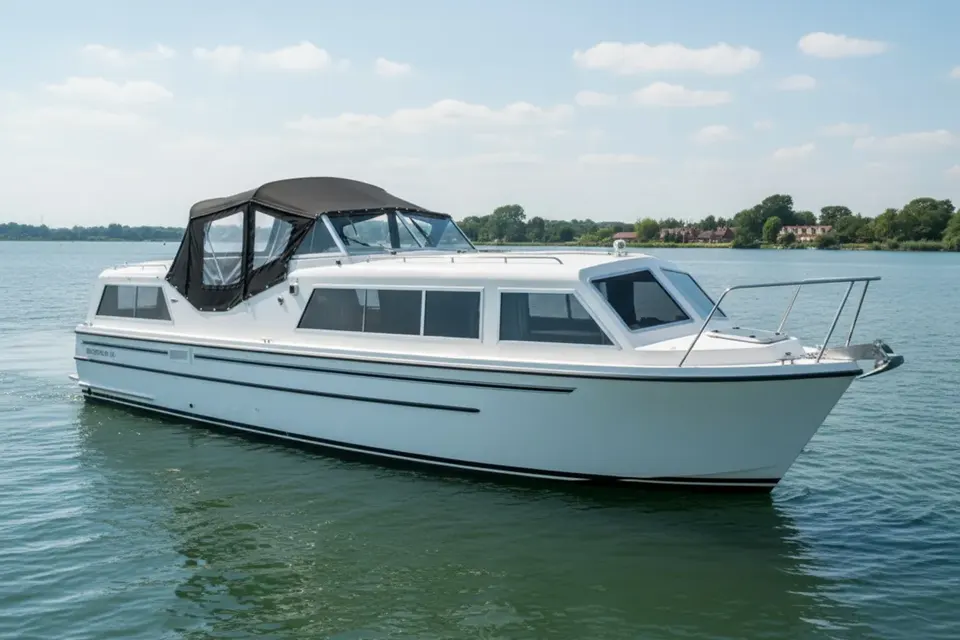
Primarily used for river cruisers and day boats with open cockpits, these covers protect the main seating and helm area. They typically attach to the boat's existing framework (such as a windscreen) or use snap fasteners around the cockpit coaming.
- Suitability: Ideal for protecting the interior of cruisers and day boats when moored, offering protection from rain, sun, and debris without covering the entire boat.
- Materials: Durable, UV-resistant acrylic canvas (like Sunbrella) or coated polyester are common, offering a good balance of weather resistance and breathability.
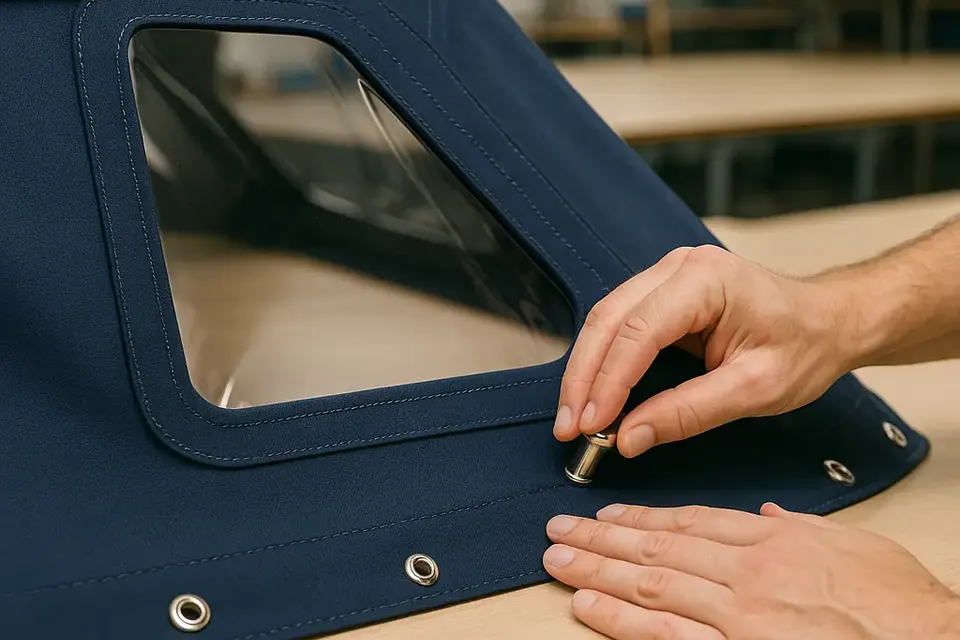
- Features: Often include clear windows, zippered access points, and ventilation flaps. The fit needs to be precise to prevent water ingress and pooling.
3. Bimini Tops / Canopies:
While not strictly covers for protection when moored, Bimini tops and canopies are crucial for on-water comfort on river cruisers and day boats. They provide shade from the summer sun and shelter from light rain while cruising or anchored.
- Suitability: Essential for day boats and cruisers in the Reading summer, enhancing the enjoyment of the river.
- Materials: Lightweight, UV-resistant acrylic canvas is preferred for its breathability and colour retention.
- Features: Collapsible frames (often stainless steel or aluminium) allow them to be stowed when not in use. They can often be integrated with cockpit covers for more comprehensive enclosure.
4. Narrowboat Cratch Covers and Pram Hoods:
These are iconic and highly functional covers specific to narrowboats, designed to extend the usable living space and offer significant weather protection.
- Cratch Covers: Enclose the 'cratch' area at the bow (front) of the narrowboat, turning an open well deck into an enclosed, often heated, living or storage space.
- Suitability: A must-have for narrowboat owners in Reading, providing extra room and insulation.
- Materials: Heavy-duty, waterproof acrylic canvas with clear PVC windows.
- Features: Zips for access, often with roll-up sections for ventilation and views.
- Pram Hoods: Enclose the stern (back) of the narrowboat, creating a sheltered area over the tiller and engine.
- Suitability: Enhances comfort for the helmsman and provides additional storage.
- Materials: Similar to cratch covers – robust acrylic canvas and clear windows.
- Features: Often includes a rigid frame, large zippered openings, and excellent visibility.
5. Tonneau Covers:
For smaller, open day boats or sports cruisers (not RIBs, but smaller river-specific planing hulls), a Tonneau cover provides a sleek, low-profile way to protect the cockpit when not in use.
- Suitability: Quick and easy protection for smaller, open riverboats.
- Materials: Often lightweight polyester or a lighter grade of acrylic canvas.
- Features: Secured with snap fasteners or bungee cords, designed for easy application and removal.
Material Considerations for the Thames:
- Acrylic Canvas (e.g., Sunbrella): Excellent UV resistance, breathable, durable, and available in a wide range of colours. Ideal for covers that are frequently on display.
- PVC/Polyester: Extremely waterproof, durable, and cost-effective. Heavier and less breathable, often used for overall winter covers or where extreme weather resistance is paramount. Modern coated polyesters can offer a good balance.
- Breathability: Crucial for all covers, especially in the humid Thames environment, to prevent mildew and mould. Vents or breathable sections are vital.
Regardless of the type, a custom-fitted cover is almost always superior to an off-the-shelf option for inland boats. A custom fit ensures no flapping in the wind (which causes abrasion), no water pooling, and maximum protection, perfectly contouring to the unique lines of your narrowboat, cruiser, or day boat on the River Thames.
6. Weather and Climate Considerations for Reading Area
Understanding the local weather and climate of the Reading area is fundamental to choosing and maintaining effective boat covers. Located in the south-east of England, Reading experiences a temperate maritime climate, characterised by distinct seasons and often unpredictable conditions that directly impact vessels moored on the River Thames.
Rainfall: This is perhaps the most significant weather factor. Reading, like much of the UK, receives rainfall throughout the year. While summers can be dry, sudden heavy downpours are common, and autumn/winter months often bring prolonged periods of wet weather. This constant moisture poses a direct threat to boat interiors. Without a high-quality, waterproof cover, water ingress can lead to dampness, mould, mildew, and rot, especially in the enclosed spaces of narrowboats or the open cockpits of cruisers. Covers must be completely waterproof and designed to shed water efficiently, preventing pooling which can strain fabric and lead to leaks.
Sunlight and UV Radiation: While the UK isn't renowned for its scorching sun, the UV index can still be surprisingly high, even on cloudy days. Prolonged exposure to UV radiation is detrimental to almost all boat materials. It causes plastics to become brittle, paint to fade, gelcoat to chalk, and crucially, boat upholstery and fabrics to degrade, discolour, and weaken. A UV-resistant boat cover acts as a sacrificial layer, absorbing these harmful rays and protecting the underlying vessel, preserving its aesthetic appeal and structural integrity.
Wind: The open stretches of the River Thames, particularly around marinas and wider sections, can experience considerable wind, especially during autumn and winter storms. Strong gusts can lift poorly fitted covers, causing them to flap violently, which leads to abrasion against the boat and rapid wear and tear on the cover itself. It can also dislodge covers completely. Therefore, covers need robust fastenings, reinforced stress points, and a custom fit that minimises slack, ensuring they remain securely in place.
Frost and Ice: Winter in Reading often brings freezing temperatures, particularly overnight. For boats that remain on the water, frost and ice are a concern. While covers don't prevent freezing, they can offer an additional layer of insulation and protect external fittings from direct exposure to ice buildup. More importantly, they protect interior spaces from frost, safeguarding plumbing, engines (if not winterised), and fabrics from moisture-related damage caused by condensation when interior temperatures fluctuate significantly.
Humidity: Due to its proximity to the river, the Reading area can experience periods of high humidity. This, combined with fluctuating temperatures, creates an ideal environment for condensation underneath covers. If a cover is not breathable or lacks adequate ventilation, this trapped moisture can lead to widespread mould and mildew growth on the boat's surfaces, fabrics, and even internal structures. Selecting covers with integrated vents or breathable fabrics is crucial to allow air circulation and prevent moisture buildup.
Seasonal Debris: Autumn brings falling leaves, seeds, and tree sap, which can quickly accumulate on decks and covers. This organic material, if left to rot, can stain boat surfaces and promote mould growth. A boat cover keeps this debris off the boat itself, simplifying cleaning and protecting the deck. Similarly, bird droppings, a common nuisance along the Thames, are caught by the cover, preventing damage to the boat's finish.
In essence, the varied and sometimes harsh climate of the Reading area necessitates boat covers that are not just waterproof but also UV-resistant, robustly secured against wind, and breathable to manage humidity. Investing in a high-quality cover tailored to these specific local conditions is an essential safeguard for any narrowboat, cruiser, or day boat on the River Thames.
7. Local Landmarks and Attractions Accessible by Boat
One of the greatest joys of owning a boat on the River Thames in Reading is the unparalleled access it provides to a wealth of local landmarks and attractions. The river itself is a scenic highway, connecting historic towns, idyllic villages, and natural beauty spots, offering endless opportunities for exploration and leisure.
Upstream from Reading:
Cruising upstream from Reading takes you into some of the most tranquil and picturesque stretches of the Thames.
- Pangbourne & Whitchurch-on-Thames: A short and delightful cruise past Mapledurham Lock brings you to these twin villages, linked by a charming toll bridge. Pangbourne boasts delightful riverside pubs like The Swan, ideal for a waterside lunch. Whitchurch, on the opposite bank, offers stunning views and a slower pace of life.
- Basildon Park (National Trust): While not directly on the river, you can moor nearby (check for designated spots) and enjoy a pleasant walk to this magnificent 18th-century country house and gardens, famous for its grand interiors and extensive parkland.
- Beale Wildlife Park: Located near Pangbourne, this family-friendly attraction with animals, gardens, and playgrounds is accessible by a short walk from some moorings. It's a perfect destination for a day trip with children.
- Goring & Streatley: Further upstream, these two beautiful villages are nestled in the Goring Gap, where the Thames cuts through the Berkshire Downs and Chiltern Hills. The scenery here is breathtaking, and there are excellent opportunities for walking and enjoying quaint village life.
Downstream from Reading:
Heading downstream from Reading offers a journey through progressively more famous and bustling riverside towns.
- Sonning-on-Thames: Just a lock away from Reading, Sonning is widely considered one of the most beautiful villages on the Thames. Moor near Sonning Lock and enjoy a stroll to The Mill at Sonning, a unique dinner theatre, or visit the historic local pubs. The surrounding scenery is idyllic, with grand riverside properties.
- Wargrave: This charming village is home to Val Wyatt Marine and offers a quieter, traditional Thames experience. It's a lovely spot for a peaceful overnight mooring.
- Henley-on-Thames: World-renowned for the Henley Royal Regatta, this elegant town is a highlight of any Thames cruise. You can moor in the heart of town and explore its boutique shops, excellent restaurants, and charming streets. A visit to the River & Rowing Museum is highly recommended. Hobbs of Henley also offers boat hire and passenger trips.
- Marlow: Further on, Marlow is another gem, famous for its elegant suspension bridge, beautiful riverside park, and Michelin-starred restaurants. It's a sophisticated stop with plenty to see and do.
- Cliveden National Trust: Moor below Cookham Lock and take a delightful walk through the stunning gardens and grounds of this historic estate, offering breathtaking views over the Thames.
Within Reading Itself:
Even without leaving the town, there's plenty to explore directly from your boat.
- Reading Abbey Ruins: Moor in the town centre (e.g., at The Oracle moorings) and take a short walk to explore the impressive ruins of Reading Abbey, founded by Henry I.
- The Oracle Shopping Centre: Offers prime riverside moorings, providing direct access to a plethora of shops, restaurants, and entertainment options.
- Caversham: Moor near Caversham Bridge and enjoy the riverside parks, cafes, and independent shops in this vibrant area just across the river from the town centre.
- Reading Festival Site: For those visiting in late August, the famous Reading Festival takes place on river meadows, sometimes offering unique views from the river.
Beyond specific landmarks, the Thames itself provides constant entertainment: watching wildlife, enjoying riverside picnics, or simply observing other boats. The accessibility of these diverse attractions by boat makes ownership on the River Thames in Reading a truly enriching and fulfilling experience, underscoring the importance of protecting your vessel for countless adventures.
8. Maintenance Tips for Boat Covers in the Reading Area
A high-quality boat cover is a significant investment for any narrowboat, cruiser, or day boat owner in Reading. To ensure it provides optimal protection for your vessel and lasts for many years, regular and correct maintenance is crucial. Given the specific weather and environmental conditions of the River Thames, proactive care is even more important.
1. Regular Cleaning:
The most fundamental maintenance step is consistent cleaning. Over time, covers accumulate dirt, dust, bird droppings (a constant challenge on the Thames!), tree sap, and mildew.
- Frequency: Aim to clean your cover seasonally, or more frequently if it gets particularly dirty.
- Method: Use a soft brush or sponge with lukewarm water and a mild, non-detergent soap (specifically designed for marine fabrics or a gentle household cleaner like dish soap). Avoid harsh chemicals, bleach, or pressure washers, as these can damage the fabric's waterproofing and UV coating.
- Rinsing: Rinse thoroughly with plenty of fresh water to remove all soap residue.
- Drying: Always allow the cover to air dry completely before folding or storing it. Damp covers are prime breeding grounds for mildew.
2. Mildew and Mould Treatment:
Mildew and mould are common problems in the humid Thames environment. If you spot green or black spots:
- Treatment: Use a specialised marine mildew remover or a solution of 1 part bleach to 10 parts water. Apply, let it sit for a few minutes, gently scrub, and rinse thoroughly. Test a small, inconspicuous area first.
- Prevention: Ensure adequate ventilation under the cover (see below) to reduce humidity.
3. Reproofing:
Over time, and especially after cleaning, the waterproof coating on your cover may degrade.
- Frequency: Depending on the material and exposure, reproofing may be needed every 1-3 years.
- Method: Once the cover is clean and dry, apply a marine-grade fabric waterproofing spray or treatment. Follow the product instructions carefully. This restores the water repellency and often adds UV protection.
4. Check for Damage and Timely Repairs:
Regularly inspect your cover for any signs of wear and tear.
- Common Issues: Look for frayed seams, small tears, loose stitching, broken zippers, missing fasteners (snaps, buckles), or worn-out elastic cords.
- Repairs: Small tears can often be patched with repair kits. Frayed stitching can be reinforced. Address these issues promptly before they escalate into larger, more costly damage. Professional repair services are recommended for significant tears or seam repairs to ensure the repair is durable and waterproof. Local sailmakers or marine canvas specialists in the Reading area can provide this service.
5. Ensure Proper Ventilation:
This is critical for preventing condensation, dampness, and mould.
- Mechanism: Many quality covers include integrated vents. Ensure these are not blocked.
- Technique: If your cover doesn't have vents, periodically lift sections of the cover on dry, sunny days to allow air to circulate. For winter storage, consider using moisture absorbers or leaving a slight gap if weather permits.
6. Correct Fitting and Support:
A correctly fitted cover prevents numerous issues.
- Snug but Not Overtight: The cover should be taut enough to prevent wind flap but not so tight that it stresses seams and fasteners.
- Support System: For full covers, use poles or a frame to create a peak or slope, ensuring water and snow run off instead of pooling. Water pooling is one of the quickest ways to damage a cover and lead to leaks.
- Fastenings: Ensure all straps, buckles, and snaps are secure. Regularly check that snaps are holding firmly.
7. Winter Storage (if applicable):
If you remove your cover for the winter, prepare it properly:
- Clean and Dry: Thoroughly clean and dry the cover.
- Fold Neatly: Fold it carefully to prevent creasing that can weaken the fabric.
- Store Safely: Store it in a dry, dark, and rodent-free environment, away from extreme temperatures.
By following these maintenance tips, boat owners in the Reading area can significantly extend the life of their boat covers, ensuring they continue to protect their narrowboats, cruisers, and day boats from the unique challenges of the River Thames environment.
9. Pricing Guide for Boat Covers
Investing in a boat cover for your vessel on the River Thames in Reading is a decision that balances protection, aesthetics, and budget. The price of a boat cover can vary significantly based on several key factors, and understanding these will help you make an informed choice. It’s important to view a boat cover not as an expense, but as a critical long-term investment that safeguards the much larger investment in your boat.
Factors Influencing Price:
Size of the Boat/Cover: This is the most direct determinant. Larger boats naturally require more material and more complex patterns, leading to higher costs. A cockpit cover for a 20ft day boat will be significantly less expensive than a full winter cover for a 50ft narrowboat.
Type of Cover:
- Tonneau/Day Covers: Generally the least expensive as they are smaller and simpler, often used for smaller open boats.
- Cockpit Covers: Mid-range, as they cover a specific area and may include windows or zips.
- Bimini Tops/Canopies: Price varies greatly depending on frame material (aluminium vs. stainless steel) and size, but they generally fall in the mid-to-high range due to framework.
- Narrowboat Cratch Covers & Pram Hoods: These are substantial, complex structures with frames, windows, and zips, placing them in the higher price bracket.
- UK Boat Covers makes covers for specific areas, including cockpit and tonneau covers, cratch covers and replacement canopy canvas. We do not make whole-boat or winter-storage covers, or supply or install supporting framework. Tell us which area needs covering before requesting a quote.
Material Quality: The choice of fabric significantly impacts the price.
- Entry-Level Polyester: More affordable but may offer less UV resistance and durability compared to premium options. Good for temporary or very light use.
- Coated Polyester: A good mid-range option, offering better waterproofing and durability.
- Marine-Grade Acrylic Canvas (e.g., Sunbrella): Premium choice. Offers excellent UV resistance, colour fastness, breathability, and a service life that depends on fabric, fit, exposure, handling and care. This material commands a higher price but provides superior long-term value and aesthetic appeal.
- Heavy-Duty PVC: Extremely waterproof and durable, often used for heavy winter covers.
Custom-Fit vs. Semi-Custom vs. Off-the-Shelf:
- Off-the-Shelf: Cheapest option. Designed to fit a range of boats, but often results in a loose fit, poor drainage, and limited durability due to wind abrasion. Not recommended for long-term protection on the Thames.
- Semi-Custom: Designed for specific boat models but not individually tailored. Better than off-the-shelf but still might have compromises.
- Custom-Fit: The most expensive but by far the best option. The cover is measured and fabricated precisely for your individual boat, ensuring a snug fit, optimal water shedding, superior security, and maximum longevity. This is particularly crucial for narrowboats and cruisers with unique superstructures.
Features and Reinforcements: Additional features like multiple zips, clear PVC windows, integrated vents, reinforced stress points, heavy-duty fasteners, or embroidery will add to the cost.
Rough Price Ranges (Estimates for Reading, UK - May Vary):
- Small Day Boat Tonneau Cover (custom-fit): quote required
- Cruiser Cockpit Cover (custom-fit, marine-grade acrylic): quote required
- Narrowboat Cratch Cover (custom-fit, marine-grade acrylic): from £1299+ (depending on size and complexity)
- Narrowboat Pram Hood (custom-fit, marine-grade acrylic): quote required (depending on size and features)
- cover for a specific boat area for a Mid-Size Cruiser (custom-fit, heavy-duty material): quote required
- cover for a specific boat area for a Narrowboat (custom-fit, heavy-duty material): quote required
Value Proposition:
While custom-fitted, high-quality covers represent a significant upfront cost, they offer unparalleled value. They extend the life of your boat's interior and exterior, reduce maintenance efforts, preserve resale value, and provide peace of mind. A cheaper, ill-fitting cover will likely fail prematurely, requiring replacement sooner and potentially leading to costly damage to your boat from inadequate protection. For boat owners in Reading, investing wisely in a durable, custom-fitted cover is a decision that pays dividends for years on the River Thames.
10. Why Choose UK Boat Covers
When it comes to protecting your treasured narrowboat, river cruiser, or day boat on the River Thames in Reading, the choice of provider for your boat cover is as critical as the cover itself. UK Boat Covers stands out as the premier choice, offering a combination of expertise, quality, and service specifically tailored to the unique demands of inland waterway boating in the UK.
Firstly, Specialised Expertise in Inland Waterways: UK Boat Covers isn't a one-size-fits-all provider. We possess a deep understanding of the specific challenges and requirements faced by boat owners on the River Thames. We know the nuances of narrowboat designs, the specific shapes of river cruisers, and the diverse configurations of day boats. Our team understands how Reading's weather patterns – from persistent rain and strong winds to surprising summer UV and seasonal debris – impact boat covers, enabling us to recommend and design solutions that genuinely protect. We don't just make covers; we craft protection engineered for your precise boating environment.
Secondly, Uncompromising Quality of Materials: We believe a boat cover should be an investment, not a recurring expense. That’s why UK Boat Covers exclusively uses the highest quality marine-grade materials. Our acrylic canvases offer exceptional UV resistance, breathability, and colourfastness, ensuring your cover maintains its appearance and integrity for years, even under the British sun and rain. For heavy-duty winter protection, our robust PVC and coated polyesters provide impenetrable barriers against the harshest elements. These materials are chosen not just for their durability, but for their performance in preventing common issues like mould, mildew, and premature degradation.
Thirdly, Precision Custom-Fitting: This is where UK Boat Covers truly excels. We understand that every boat, especially on the Thames, has its unique contours and features. An off-the-shelf cover, no matter how cheap, simply cannot offer the same level of protection or aesthetics as a custom-fitted one. Our process involves meticulous on-site measurements, ensuring your cover is perfectly tailored to your boat. This precision fit eliminates wind flap (which causes rapid wear), prevents water pooling, and provides maximum security, giving your boat a sleek, professional appearance that complements its lines. Whether it's a complex narrowboat cratch cover with multiple zips and windows or a snug-fitting cockpit cover for a cruiser, our craftsmanship is second to none.
Fourthly, Comprehensive Service and Support: From the initial consultation and measurement to expert fabrication and fitting, UK Boat Covers offers a seamless and professional service. We work closely with boat owners in Reading, listening to their specific needs and preferences. Our team can guide you through material choices, design considerations, and feature options, ensuring the final product meets and exceeds your expectations. We also offer repair services, extending the life of your existing covers, demonstrating our commitment to sustainability and customer satisfaction.
Finally, choosing UK Boat Covers means choosing peace of mind. You're entrusting your valuable vessel to specialists who understand the River Thames and are dedicated to providing the best possible protection. Our covers protect your interior and exterior from the elements, deter theft, and ultimately help maintain your boat’s value and readiness for your next adventure. For narrowboat, cruiser, and day boat owners in Reading, UK Boat Covers is the definitive partner for durable, custom-made boat covers that truly stand the test of time and the Thames.