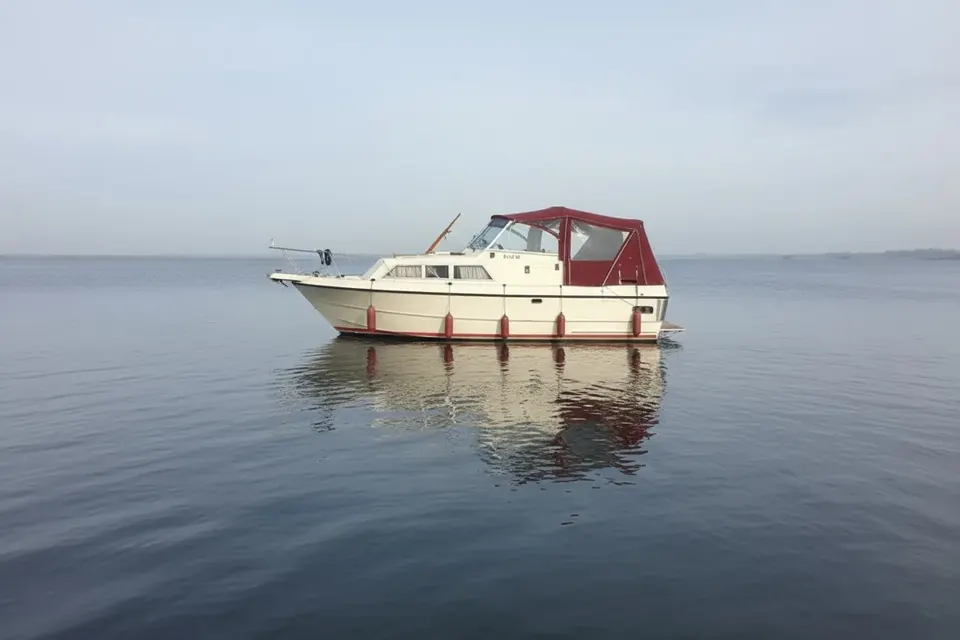
Leitrim on the Shannon-Erne Waterway
Leitrim village is the southern gateway to the Shannon-Erne Waterway, which links the Shannon navigation with Upper Lough Erne. The restored waterway is an active cross-border inland navigation operated by Waterways Ireland, and it begins near the River Shannon at the village. Leitrim is therefore a genuine cruising base rather than merely a historic canal location. Locks, bridges, lakes and cuttings follow in a varied route toward Ballyconnell and the Erne. Check current notices before departure and protect a frequently used cruiser canopy against Ireland's wet, changeable weather.
The junction with the Shannon
The Shannon-Erne Waterway leaves the Shannon system near Leitrim and runs north-east through a chain of lakes and engineered sections. The connection is controlled navigation: boats must follow the authority's procedures for locks and infrastructure. It is not a tidal route, but water levels and operational notices still matter. A passage plan should include opening arrangements, the boat's air draught and the time needed for lock work. Keep the cover easy to fold when crew need clear access at a landing.
What the restored route demands
The modern waterway follows a historic corridor that was reopened for navigation after restoration. Its appeal lies in the mixture of old alignment and modern operating systems. Automatic or user-operated equipment should be used exactly as instructed, and boaters should not treat one successful lock passage as proof that every structure is available. Waterways Ireland notices remain the source for restrictions, works and closures. Carry a means of keeping charts and phones dry when operating in rain.
Leitrim's village setting
Leitrim gives the route a compact starting point beside a much larger rural network. The village is close to Carrick-on-Shannon, a major Shannon cruising centre, but the two should not be conflated: a facility in Carrick is not automatically available at the waterway's junction. Plan provisions and services before leaving. The surrounding landscape changes quickly from settlement to lake shore, so a sheltered-looking departure can lead to exposed water within the same day's cruise.
Lakes, cuts and locks northward
Heading toward the Erne, the waterway alternates between artificial cuts, small lakes and broader reaches. This variety keeps steering and lookout work active. Vegetation can narrow sightlines, while open water magnifies wind. Maintain moderate speed near moored craft and bridge approaches, and allow room for other boats at lock landings. A cover that can be secured without obscuring the helm is safer than one that must be wrestled into place in a crosswind.
The cross-border route
The Shannon-Erne Waterway crosses the border between the Republic of Ireland and Northern Ireland. The navigation is a shared geographical route, but boaters remain responsible for understanding the legal, insurance and reporting requirements relevant to their vessel and journey. Carry registration and insurance details, and check official guidance before crossing. Use the correct authority's notices for each section. This is routine preparation, not a reason to describe the waterway as politically uniform.
Fabric and ventilation for Irish weather
Persistent rain makes waterproofing important, yet a sealed cover can trap condensation after a cool night. Breathable acrylic is often useful for a boat that is covered between trips; other fabrics may suit a particular cockpit or long-term exposure. Whatever the material, provide airflow, keep drains open and avoid folding damp cloth into a locker. Reinforced seams help where the cover is removed at locks. Our materials guide sets out the practical trade-offs.
From Leitrim toward the Erne
The best Leitrim departures are deliberate: check the lock equipment, weather, route notices and overnight plan, then allow the waterway to set the pace. The journey north offers a connected but varied experience, ending in the Upper Erne's islands and inlets. If a cover needs replacement, the postal copy service can reproduce an existing pattern while the boat remains in Ireland. Leitrim's significance is operational as well as scenic: it is where an active, restored cross-border navigation begins.
Allow time at the junction
Leitrim is a place to make the transition from Shannon habits to Shannon-Erne procedures. Read the lock guidance before the first operation, organise lines where the helm can reach them and avoid scheduling a long lake crossing immediately after a delayed start. The route rewards unhurried crews: each cutting, bridge and small lake brings a different view and handling task. If rain persists, ventilate the cabin at the next safe opportunity rather than leaving wet coats and canvas sealed together.
Final checks before a trip
Plan the actual berth, not only the destination name, and check the latest official navigation notice before moving. Weather, access and waterway status can change independently. Keep the cover dry when stowed, protect its fasteners from unnecessary strain and inspect it after every exposed passage. These habits are straightforward but valuable on a route where active navigation sits alongside historic infrastructure, tidal transitions or cross-border administration. A careful skipper can enjoy the character of the settlement without making assumptions about facilities or navigability.