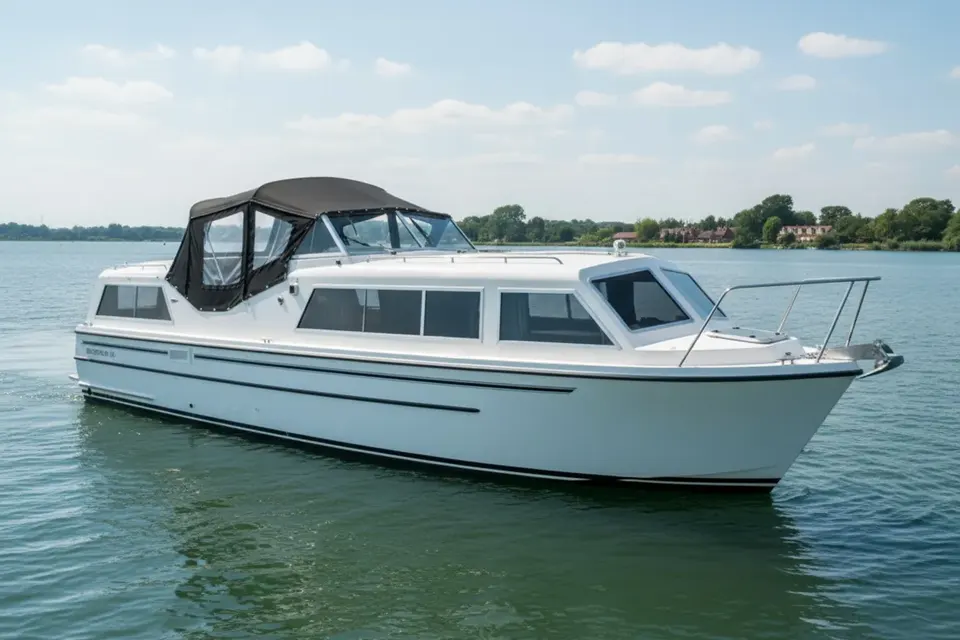
Belturbet and the Shannon-Erne route
Belturbet is a historic market town on the River Erne in County Cavan and an important stopping point for boats using the Shannon-Erne Waterway. The river and navigation here form part of an active inland route linking the Shannon with Upper Lough Erne. Belturbet's waterfront heritage should not be mistaken for a guarantee that every bank is a visitor berth; confirm current access, depth and facilities before arrival. A hard-wearing cruiser cover is sensible for boats meeting rain, wind and repeated lock-side handling.
A river town on an inland waterway
Belturbet developed around river transport and market activity, giving the town a stronger waterfront identity than many settlements along the route. Modern navigation remains governed by Waterways Ireland notices and operating instructions. The water may look river-like, but the Shannon-Erne is a managed navigation with controlled structures and variable lake conditions. Plan the next leg rather than relying on the town's historic reputation for transport. Confirm where the boat may lie and how the crew will reach shore.
The Erne system south of the border
From Belturbet, boaters can explore the local Erne reaches and continue through the Shannon-Erne Waterway toward Ballyconnell, Leitrim and the Shannon system, subject to current operation. The route is cross-border farther north. A chart, forecast and official notice are essential because sheltered river bends can lead to more exposed reaches. Keep a conservative turnaround option in mind, especially with a small cruiser or a crew unfamiliar with lake handling.
Locks and boat handling
Locks create a practical rhythm: fenders set, lines ready, canopy secured and crew briefed. Follow posted instructions and avoid assuming the same procedure applies at every installation. Bridges and overhanging vegetation can also affect air draught and visibility. A cover with quick-release straps and reinforced stress points makes repeated transitions less tiring. Leave enough clear deck to work lines safely. The best cover is not merely waterproof; it is compatible with how the boat is actually operated.
A town worth exploring on foot
Belturbet's market-town fabric, churches and river heritage reward a walk away from the helm. Shore excursions are easier when the cockpit can be covered quickly against a passing shower and opened again without a complete refit. Bring provisions from confirmed local sources and check opening times independently. Avoid inventing a marina or service in trip notes: a town can be welcoming without offering every boating facility. This honesty helps visiting skippers plan realistic stops.
Cross-border planning
The Shannon-Erne connection carries boats between the Republic of Ireland and Northern Ireland. The waterway itself is shared geographically, while insurance, registration and safety responsibilities remain with the owner. Before leaving Belturbet for the northern lakes, check all relevant requirements and keep documentation aboard. Waterways Ireland is the key source for navigation notices, but other authorities may apply to shore access, environment or border matters. Treat each source according to its remit.
Protecting a boat at the waterfront
River-side trees and changing wind directions can place uneven loads on a cover. Use breathable fabric where a boat stays covered in damp weather, keep the shape taut enough to prevent puddling and inspect attachment points after gusts. PVC-type materials can offer strong water exclusion but need ventilation. Acrylic can improve airflow and UV resistance. Read the material comparison and match it to your boat's actual mooring, not a generic climate label.
A careful Belturbet departure
Before casting off, check depth, landing conditions, forecast, route notices and the next lock or lake crossing. Belturbet is a good place to pause because it combines a historic river town with access to an active, varied navigation. If a cover has failed, the postal copy service offers a way to replace it from an existing pattern. Leave with the boat secured for the next weather change and the route described accurately: active navigation, controlled infrastructure and cross-border water beyond.
From market town to quiet reach
The change from Belturbet's built environment to rural water can happen quickly. Use the last convenient pause to check provisions, rubbish, batteries and the cover's attachment points. Once under way, keep a measured lookout at bends and do not let the desire to reach the next lake shorten the safety margin. The town's historic river identity is a useful introduction to the route, but the most valuable preparation is practical: know the next landing, know the forecast and know what the boat can comfortably manage.
Final checks before a trip
Plan the actual berth, not only the destination name, and check the latest official navigation notice before moving. Weather, access and waterway status can change independently. Keep the cover dry when stowed, protect its fasteners from unnecessary strain and inspect it after every exposed passage. These habits are straightforward but valuable on a route where active navigation sits alongside historic infrastructure, tidal transitions or cross-border administration. A careful skipper can enjoy the character of the settlement without making assumptions about facilities or navigability.