Ballyconnell on the Shannon-Erne Waterway
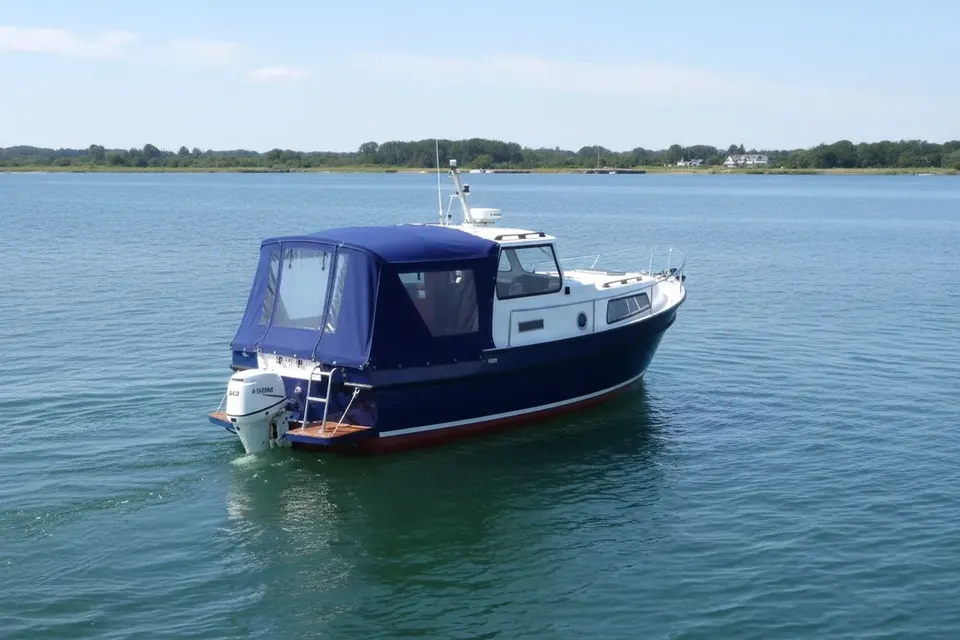
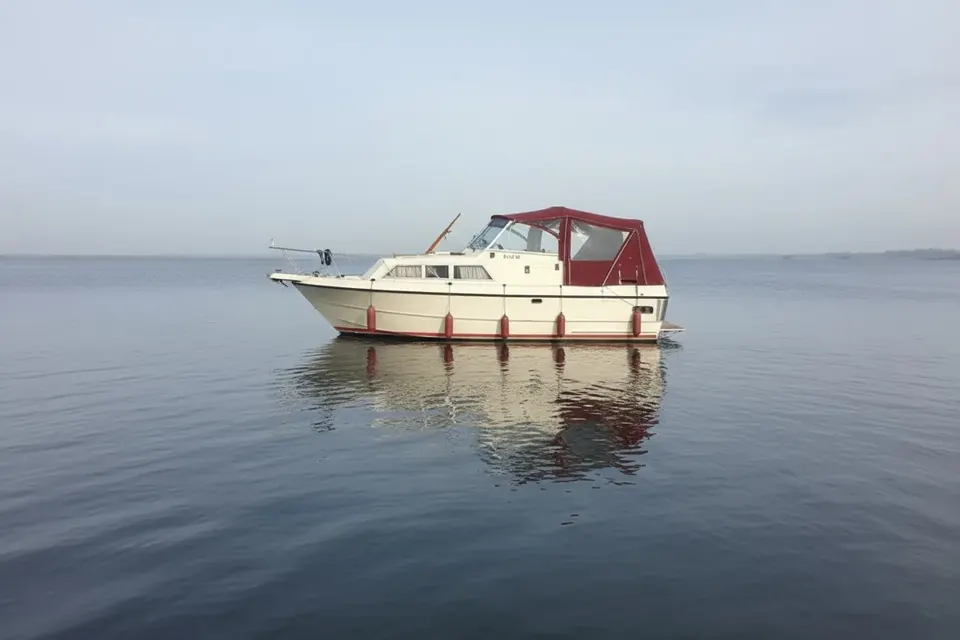
Ballyconnell is one of the principal settlements on the Shannon-Erne Waterway, positioned in County Cavan along the active cross-border navigation between the Shannon and Upper Lough Erne. The waterway passes through a landscape of lakes, river-like reaches, locks and cuttings, so a town stop is part of a larger passage rather than an isolated canal cruise. Waterways Ireland controls navigation information and operational notices. Boat owners should confirm current conditions and any local landing arrangements before arrival, while a weatherproof boat cover protects craft during pauses between lock passages.
A working stop on a connected route
Ballyconnell's position makes it a useful reference point when dividing a Shannon-Erne journey. It is surrounded by countryside and water rather than dense urban development, and the route's character changes from engineered channel to open lake. Do not assume that every facility shown in a cruising guide remains available or sits directly beside a berth. Check mooring permission, depth and access. Provisioning before a remote stretch is prudent, particularly when travelling with limited crew.
The waterway's restoration story
The Shannon-Erne Waterway follows the line of the old Ballinamore and Ballyconnell Canal, which was restored and reopened as a modern navigation in the 1990s. Its locks and control systems combine historic route with contemporary operation. Use the equipment according to Waterways Ireland instructions and allow time for lock procedures; this is not an uncontrolled river. Official notices take priority over remembered timings, older blogs or assumptions based on another Irish waterway.
Locks, bridges and changing exposure
South and north of Ballyconnell, boats encounter a changing sequence of enclosed channels and wider water. A bridge approach may be sheltered while the next lake reach is wind-affected. Keep fenders and lines ready, check air draught before committing, and secure canopies so they do not obstruct the view or snag infrastructure. Frequent handling rewards covers with robust stitching and simple fasteners. A cover should make a lock day easier, not add a second piece of equipment to manage.
Ballyconnell ashore
The town sits in a region shaped by farming, forestry and the waterways. Shore time can be used to walk, provision or simply inspect the boat after a day of lock work. Because the canal-side path and the town centre are not interchangeable, confirm the route on foot and avoid promising a service without evidence. Carry wet-weather layers and protect charts, keys and phones. The practical pleasure of Ballyconnell is its balance between a reachable settlement and a rural navigation beyond it.
Border geography and responsibility
The route continues into Northern Ireland and ultimately to Upper Lough Erne. That cross-border continuity is one of its defining features, but the boat owner must still check insurance, registration, safety equipment and any reporting requirements for the complete itinerary. Navigation authority information may be published for particular sections. Keep records current and do not rely on a single generic statement about the border. Planning carefully allows the route's shared character to be enjoyed without administrative surprises.
Covers for a lock-and-lake itinerary
A pram hood or cockpit canopy can provide shelter while leaving the helm usable, while a tonneau suits an open area that needs quick protection at a mooring. Acrylic breathability helps in damp conditions, but drainage and airflow must be designed into the installation. Inspect rubbing points after every day with repeated folding. Owners needing a like-for-like replacement can use our postal copy service, sending the old cover rather than transporting the boat.
Leaving Ballyconnell well prepared
Check the latest Waterways Ireland notice, forecast, lock arrangements and planned overnight stop before casting off. The route north rewards attention: narrow sections, open lakes and border crossings each require a different kind of preparation. For fabric choices, the boat-cover guide explains why breathability and waterproofing need to be balanced. Ballyconnell is valuable because it demonstrates the Shannon-Erne at its most useful—a real, maintained connection through a varied rural landscape.
Use the town as a reset point
A stop at Ballyconnell is a good moment to inspect propeller, fenders, lines and cover fasteners after several locks. Check that water has not collected on a canopy and that the cockpit drains freely. Review the next section's weather and identify where the crew can safely pause if visibility falls. The waterway is at its best when the boat is prepared for its mixture of engineered and natural scenery. A reset in town reduces small problems before they become awkward on a remote reach.
Final checks before a trip
Plan the actual berth, not only the destination name, and check the latest official navigation notice before moving. Weather, access and waterway status can change independently. Keep the cover dry when stowed, protect its fasteners from unnecessary strain and inspect it after every exposed passage. These habits are straightforward but valuable on a route where active navigation sits alongside historic infrastructure, tidal transitions or cross-border administration. A careful skipper can enjoy the character of the settlement without making assumptions about facilities or navigability.