Enniskillen on the Erne
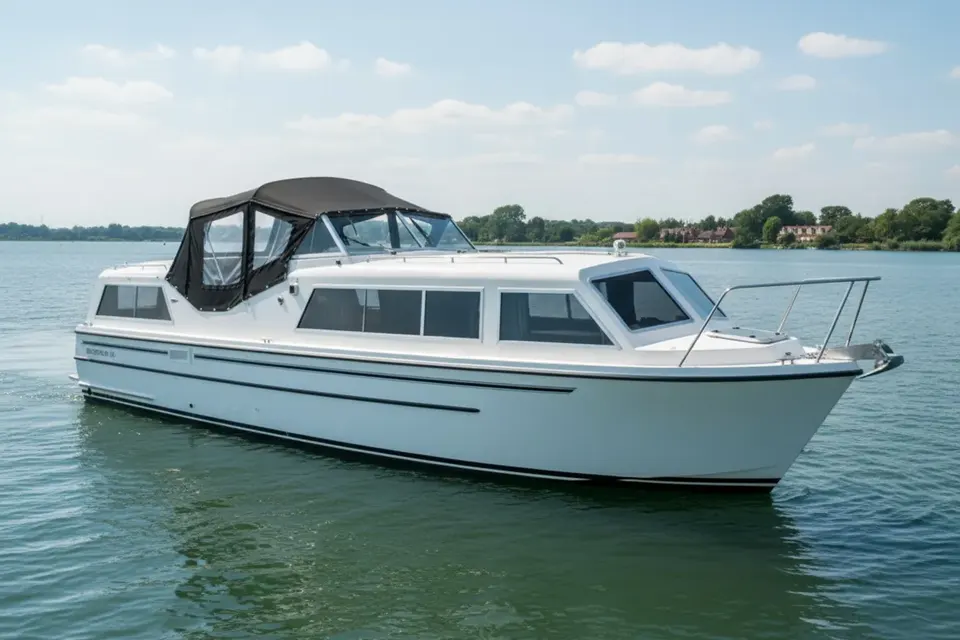
Enniskillen is the principal town on the Erne navigation and a practical point at which Upper and Lower Lough Erne meet. The town sits on an island between the two lakes, with the River Erne passing through its historic centre. For a boat owner, that geography matters: open-lake passages, river-like approaches and town water all occur within a short cruise. This is a cross-border waterway, managed for navigation by Waterways Ireland, so current notices and charted information should guide every passage. A tailored boat cover is useful where a boat alternates between cruising and exposed lake moorings.
The island town and Castle River
Enniskillen Castle occupies the water's edge and is the clearest landmark when approaching the town. The castle was a Gaelic stronghold and later a military site; today its museums make a useful shore-side reference. Bridges and built-up banks narrow the visual channel through town, while the lake opens out quickly beyond it. Do not assume that a familiar town view means sheltered water: wind across Lower Lough Erne can build a short, awkward chop. Keep loose canvas secured before leaving the more protected water around the island.
Choosing between Upper and Lower Lough Erne
Upper Lough Erne is a maze of islands, inlets and narrow passages, rewarding patient pilotage and careful orientation. Lower Lough Erne is broader and more exposed, with longer open crossings and a stronger need to read the forecast. The Erne navigation is not a canal with towpath-side services at every mile. Fuel, provisions, water and shore access should be planned rather than assumed. A cover that can be removed quickly for locks, landing stages or inspection is more practical than a permanently awkward arrangement.
Navigation discipline on a lake
There are no tides on the loughs, but weather can change the handling of a small cruiser rapidly. Check wind direction as well as speed, especially before committing to a long crossing. Marked channels, islands and headlands can make distances deceptive. Waterways Ireland notices remain the authority for restrictions, works and closures. Local knowledge is valuable, but it should supplement—not replace—official navigation information and a current chart. Maintain a proper lookout around ferry routes, fishing activity and narrow approaches.
Castle Coole and the wider shore
The Enniskillen area combines boating with substantial historic landscapes. Castle Coole lies near the town, while Florence Court is farther west in County Fermanagh; both help explain why this is a destination rather than merely a turning point. Shore excursions can lengthen a mooring, leaving upholstery and cockpit fittings exposed to rain. Breathable marine fabric helps limit condensation when a vessel is covered after a damp landing. Ventilation and a clean, tensioned fit matter as much as water shedding.
A useful base for the Erne route
Enniskillen is the natural staging point for journeys north toward Belleek and the lower lake, or south and east into Upper Lough Erne and the Shannon-Erne connection. It also offers a clear place to review charts, weather and the next overnight plan. The town is in Northern Ireland, while the waterway continues into the Republic of Ireland; border formalities and local regulations should be checked independently for the intended trip. Owners moving between regions should make sure their cover fastenings and dimensions are recorded before posting an old cover for a postal copy service.
Covers for open-lake exposure
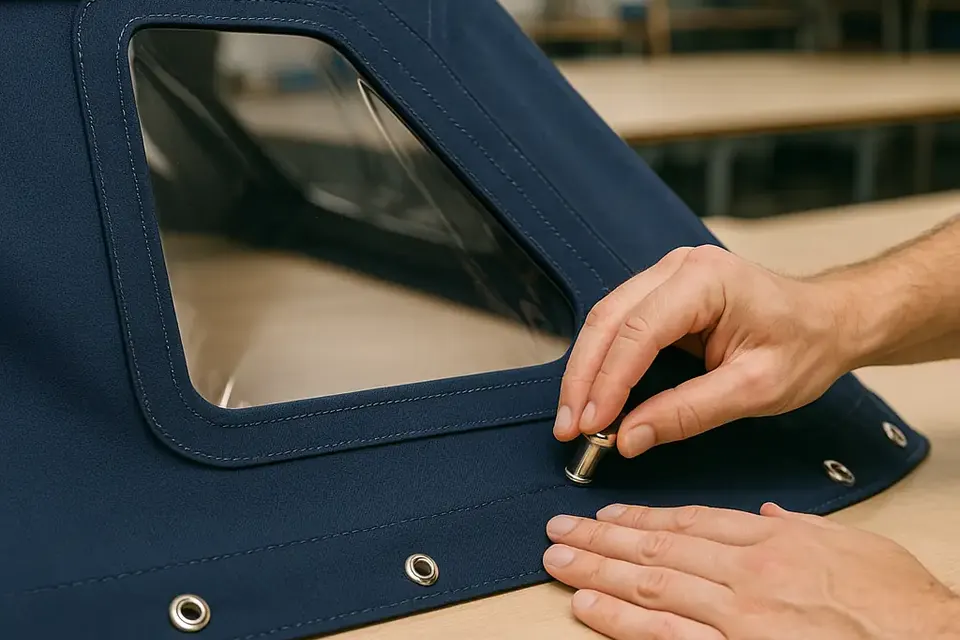
A cockpit cover on the Erne must deal with rain driven sideways, gusts during mooring and strong sunlight reflected from open water. Acrylic canvas gives useful breathability for a boat left covered between outings; heavier waterproof fabrics may suit a high-exposure cockpit when properly ventilated. Reinforced attachment points, sound zips and a shape that sheds water without pockets are sensible specifications. The right answer depends on boat design and mooring, not on the waterway name alone. See the guide to boat cover materials before choosing.
Planning the next passage
Leave Enniskillen with a conservative plan. Confirm the navigation status of the chosen route, check bridges and landing points, and allow extra time for wind on the lakes. On return, rinse and dry salt-free but dirty gear, inspect stitching and refit the cover without trapping wet equipment underneath. Enniskillen's value is its access to a varied navigation: river, island-studded upper lake and broad lower lake. A well-fitted cover protects the boat while its owner concentrates on those differences rather than on preventable wear.
Keeping an Erne log
Record the lake conditions, chosen channel, mooring position and any authority notice used on each trip. This is particularly useful on the Erne because an island passage that is comfortable in one wind direction may be poor in another. Note clearance observations and the way the boat lies at the berth, then use them when checking the cover pattern. A small repair made after a first season can prevent a torn strap becoming a damaged canopy. Enniskillen is a varied cruising environment; methodical notes turn that variety into safer repeat passages.
Final checks before a trip
Plan the actual berth, not only the destination name, and check the latest official navigation notice before moving. Weather, access and waterway status can change independently. Keep the cover dry when stowed, protect its fasteners from unnecessary strain and inspect it after every exposed passage. These habits are straightforward but valuable on a route where active navigation sits alongside historic infrastructure, tidal transitions or cross-border administration. A careful skipper can enjoy the character of the settlement without making assumptions about facilities or navigability.