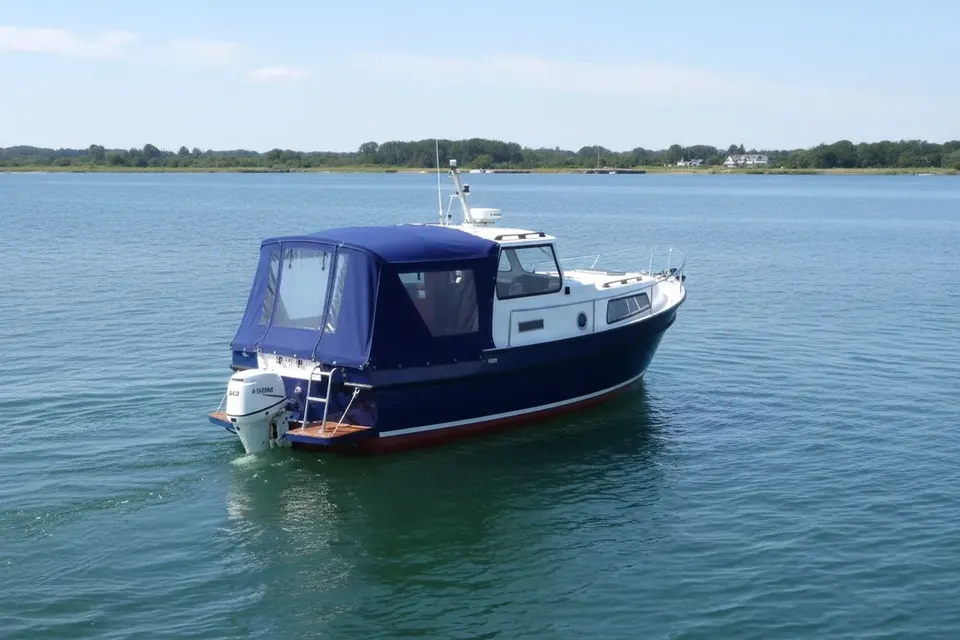
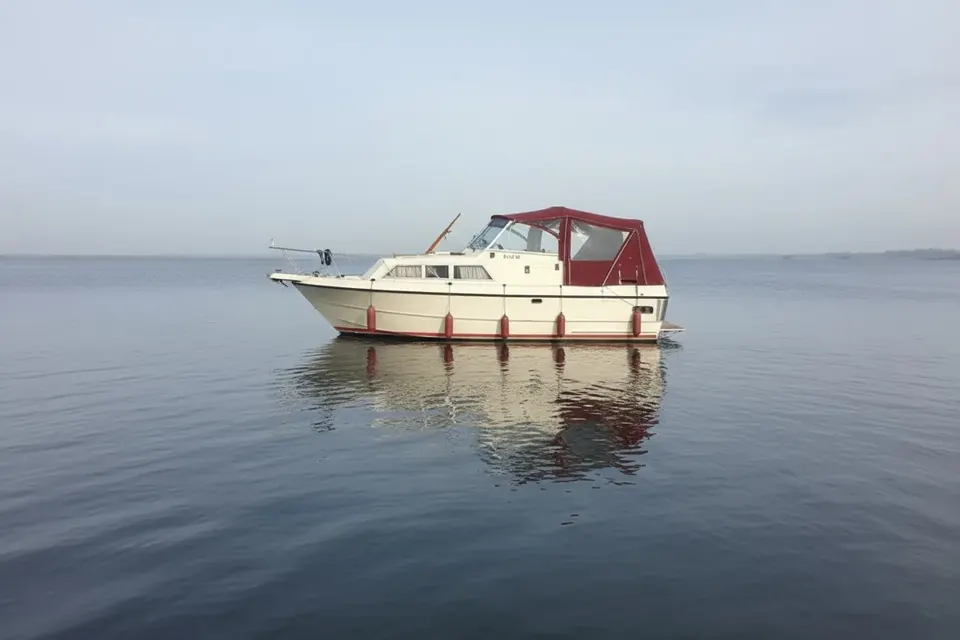
Scarva beside the Newry Canal
Scarva is a village in County Down associated with the summit stretch of the Newry Canal and the canal's towpath heritage. It is particularly known for the annual Sham Fight connected with the Williamite history of the area, and for the rural landscape around the canal and Bann valley. For boat owners, Scarva is a heritage and walking destination unless current authority information confirms a navigable landing. The canal's historic presence should not be confused with a fully open route. A durable narrowboat cover remains useful for boats kept on exposed rural moorings.
The summit canal landscape
The Newry Canal was engineered as a summit-level canal linking Newry with Lough Neagh. Around Scarva, the character is green, linear and quiet, with towpath, bridges and water-management features showing how the route crossed the countryside. Summit sections were technically demanding because water supply governed operation. Modern visitors can read that engineering in the landscape, but a surviving channel does not certify depth, lock operation or permission to navigate. Check the present status before planning any boat movement.
Scarva and the Bann valley
Scarva lies near the meeting of canal and river landscapes, with the River Bann system shaping the wider geography. The village is not a substitute for a confirmed marina, fuel point or service base. Treat the nearest road access and the actual towpath landing as separate questions. Carry provisions and maintenance essentials, and confirm where a vehicle can legally stop. A cover that opens quickly is convenient when a crew needs to go ashore for a walk or historical visit.
The Sham Fight tradition
The Sham Fight, held annually at Scarva, commemorates the Battle of the Boyne through a long-established pageant. It is a living local tradition, not a navigation feature, and event-day arrangements can affect roads, paths and access. If cruising or visiting around the event, consult official local information and expect unusual activity. Keeping this cultural detail separate from operational boating advice is part of planning responsibly: the canal may be historically central while remaining unavailable to through navigation.
Towpath journeys and historic-only stretches
The towpath provides a way to experience the route at walking pace, seeing bridges, embankments and the relationship between water level and surrounding fields. Some sections of the Newry Canal are restoration projects or historic infrastructure rather than active navigation. Use the terms accurately in trip notes and on a website: restored, preserved and navigable do not mean the same thing. A boat owner can still make a rewarding Scarva visit by combining a confirmed water journey elsewhere with a canal-side excursion here.
Rural weather and maintenance
Open countryside brings wind exposure, rain and debris from hedges and trees. A cover should be tensioned without stressing grab rails, and its seams need checking after repeated folding. Breathable acrylic can help with damp inland moorings, while any waterproof fabric needs ventilation to prevent condensation. Clear drains and avoid leaving wet ropes beneath the cover. The best design is the one matched to how often the boat moves, how long it stays covered and which fittings are actually present.
A cover made for the boat
Generic dimensions are poor guidance for boats with altered sterns, solar panels, handrails or unusual cratches. A fitted tonneau may protect an open cockpit; a pram hood can shelter the steering position while retaining access; a full cover may suit a long static period. Our postal copy service reproduces an existing pattern, allowing owners to replace worn fabric without guessing at measurements. The fabric guide gives practical background on breathability and weather resistance.
Planning a Scarva visit
Before setting out, verify whether the intended water section is open to your craft, whether a landing is authorised and whether local events change access. Then enjoy Scarva for what it offers: a rural canal corridor, a memorable historic tradition and a clear view of the Newry Canal's engineering legacy. Do not promise an uninterrupted cruise where only a towpath survives. Careful language protects boaters from disappointment and gives this distinctive village the attention it deserves.
Seasonal access and courtesy
Rural towpaths are shared by walkers, cyclists and local residents. Keep a boat-related visit quiet and respect gates, private edges and event arrangements. After heavy rain, paths can be soft and banks vulnerable; avoid moving equipment where it will damage the margin. If an official notice identifies works or a closure, treat it as operational information, not an inconvenience to work around. Scarva's appeal comes from the combination of living village tradition and historic infrastructure, so considerate access protects both.
Final checks before a trip
Plan the actual berth, not only the destination name, and check the latest official navigation notice before moving. Weather, access and waterway status can change independently. Keep the cover dry when stowed, protect its fasteners from unnecessary strain and inspect it after every exposed passage. These habits are straightforward but valuable on a route where active navigation sits alongside historic infrastructure, tidal transitions or cross-border administration. A careful skipper can enjoy the character of the settlement without making assumptions about facilities or navigability.