Boston and the River Witham: a boat owner's guide
Boston is the eastern gateway of the navigable River Witham and the place where a pleasant inland cruise must be distinguished from tidal navigation. The Grand Sluice is central to that distinction. A boat owner arriving from Lincoln should have already checked current passage information, tide times, weather and the craft’s suitability for the intended water. Boston’s maritime history is substantial, but history should sharpen respect for the river rather than encourage casual assumptions about the lower reach.
The Grand Sluice threshold
The Grand Sluice controls the relationship between the non-tidal Witham and the tidal Haven at Boston. It is a flood-protection structure as well as a navigation point, so passage is governed by operating arrangements that can change. Obtain current details from the responsible authority before planning to go through. A boat waiting on the inland side must remain secure and crew must understand that a successful lock passage does not remove the effects of tide beyond it.
The Haven and tidal judgement
Below Boston, the waterway is tidal and should be planned as such. Current, tide window, wind direction and other traffic can influence steering and landing. Narrowboats and inland cruisers should be conservative about conditions, particularly if the crew has little tidal experience. Carry working charts, reliable navigation lights and an agreed return plan. If the forecast or timing deteriorates, staying above the Grand Sluice is a sound seamanship decision, not a failed trip.
A port town shaped by water
Boston’s historic port, market and St Botolph’s church—known as the Stump—make the town a memorable landfall. The waterfront is not a theme park: commercial history and flood engineering remain part of its identity. Keep wash modest, follow local mooring rules and avoid obstructing operational access. A walk through the town can be as valuable as another mile under way, especially when the tide or lock timetable calls for patience.
The inland route to Lincoln
The Witham runs west from Boston through Bardney toward Lincoln’s Brayford Pool. This non-tidal journey still includes locks, waiting and open-bank handling, so do not regard it as a simple return leg after a tidal decision. Plan water, fuel and food independently of unverified facilities. The broad views encourage long days, but fatigue affects lock work and judgement. Set an agreed stopping time and allow a spare day if the route is unfamiliar.
Waiting well at a major structure
A good Grand Sluice approach begins before the final bend. Fenders should be set, lines flaked and loose covers secured without blocking exits or visibility. Follow instructions from lock staff and signs, and never place a crew member between a moving boat and a fixed edge. Tidal water can make a waiting position feel different from one minute to the next. Keep the engine and communication arrangements ready, but do not hurry because another craft is visible.
Weather on the lower Witham
The open lower river is sensitive to wind, especially when it works against the tide. Rain can reduce visibility around bridges and traffic, while bright conditions create glare that hides floating debris. A secure, breathable cover protects the boat between passages, but it must be clear of lights and controls underway. Inspect stainless fittings, stitching and attachment points after rough weather. In salt-influenced air near the Haven, rinse and dry hardware appropriately rather than ignoring early corrosion.
Boat types and realistic limits
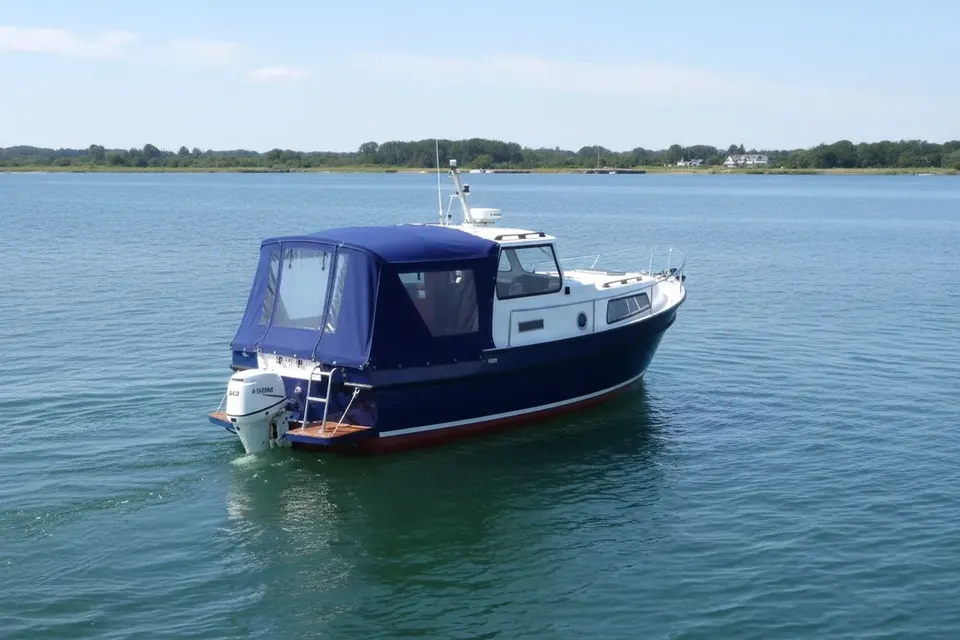
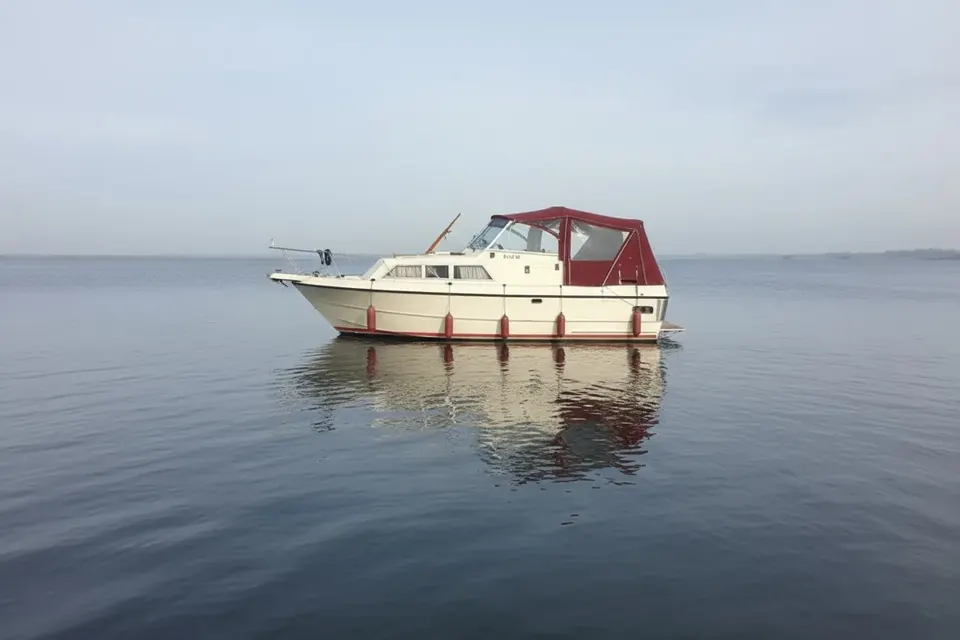
The Witham attracts narrowboats, inland cruisers and smaller day craft, but suitability for the Haven is individual. Beam, draught, air draught, engine reliability, steering response and crew experience all matter. A boat that is comfortable above the sluice may not be equipped for tidal work. Check published restrictions and take professional advice where dimensions are close. Never use a boat’s marketing description as a substitute for a route-specific safety assessment.
Cover arrangements for tide and locks
Fast access is especially useful in Boston’s changing environment. A cockpit tonneau can be folded before a lock, while a stern canopy gives shelter on an inland wait if it does not impair vision. A cratch cover protects the forward well from rain and spray but must not foul lines. Specify grab rails, windscreens and light positions when ordering a replacement. Fabric selection should balance waterproofing, breathability and UV resistance for the boat’s actual mooring, not a generic “tidal” label.
A disciplined Boston departure
Boston rewards crews who make the tidal boundary an explicit decision. Check the latest authority notice, weather and tide data; keep a conservative alternative route; and tell someone ashore the plan. If proceeding, maintain a lookout and leave the Grand Sluice with time and confidence, not pressure. If remaining inland, the Witham still offers a satisfying route west. Either choice respects the town’s real character: a river gateway protected by engineering and shaped by tide.
Boston should leave every skipper clear about the difference between a comfortable inland cruise and a properly planned tidal passage.
Before a tidal trip, cover details can be reviewed through boat cover services, marine fabrics and the postal copy service.