Lincoln and the River Witham: a boat owner's guide
Lincoln’s Brayford Pool is the inland gateway to the navigable River Witham and a distinctive place to begin a Fenland cruise. The route east combines a city basin, locks, open river reaches and a tidal boundary toward Boston. It rewards owners who separate the non-tidal journey from the tidal question and who use current Environment Agency information rather than relying on distance alone. Lincoln is an excellent place to make the boat ready: test lines, check visibility and agree how the crew will work each lock before leaving the city.
Brayford Pool: a city basin with a river beyond
Brayford Pool is where Lincoln’s modern waterfront meets the older navigation route. It is a basin, not an invitation to roam every adjoining water space, so follow local signs and moor only where permitted. The city setting brings bridges, pedestrians and confined turns; keep wash low and give other craft room. Before heading east, secure loose gear and choose a cover arrangement that can be removed quickly. The transition from urban water to open fen is gradual, so preparation made here pays off later.
Stamp End Lock and the Witham navigation
Stamp End Lock marks the eastern end of the Lincoln navigation and is a key planning feature on the River Witham. Check its current operating arrangements and any restrictions before setting out. Beyond it, the river becomes more open, with banks and flood infrastructure shaping the experience. Lock crews should keep lines under control and watch for changing turbulence. The Witham is a river navigation: even on non-tidal water, flow and weather can affect handling more than on a narrow canal.
Lincoln’s historic waterway context
The city’s Roman and medieval importance is inseparable from its position on routes between the Trent, Witham and the east coast. Today’s boater sees a working navigation layered over that history, not a preserved museum route. Brayford’s redevelopment sits alongside practical access and control structures. Enjoy the cathedral skyline and waterfront from the water, but do not let scenery distract from bridge clearance, signs or lock procedure. Historic significance does not alter modern navigation rules.
Eastward toward Bardney and Boston
The Witham leads from Lincoln through the fenland countryside toward Bardney and then Boston, with the exact stopping and passage options dependent on current authority information. A long straight reach can encourage an optimistic timetable; allow for lock queues, wind and crew fatigue. Keep charts at hand and identify where the journey changes from non-tidal to tidal. If the boat is not equipped or the crew is not ready for tide, Boston should be treated as the limit rather than a launch point for improvisation.
Non-tidal cruising, tidal decisions
The lower Witham approaches the Grand Sluice at Boston, where the river’s tidal relationship becomes central. The Grand Sluice is a flood-control and navigation structure, and passage arrangements must be checked with the relevant authority. Do not treat the tidal Witham as an ordinary canal extension. Tide times, current, weather and commercial or other river traffic all affect a safe plan. An early arrival at a waiting point is useful; forcing a schedule is not.
City wind, fenland weather
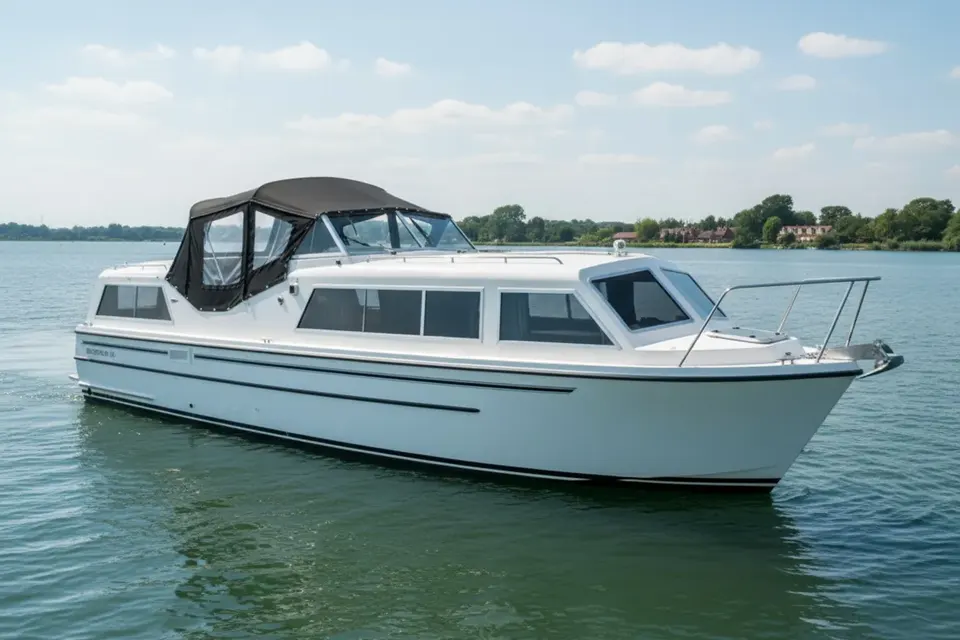
Lincoln’s basin may feel sheltered, but open reaches east of the city expose a boat to crosswinds and glare. Rain can make lockside surfaces slippery and reduce visibility beneath low bridges. UV, bird fouling and condensation also work on covers during unattended periods. Use breathable fabric where appropriate, keep water from pooling and inspect stress points after a windy day. A cover should protect the boat without hiding navigation lights or making an emergency exit awkward.
Boat handling through changing scenery
A Lincoln-to-Witham trip moves from confined urban water to broad rural banks, so helm habits need to change. At a landing, approach slowly and leave a clear escape route; in an open reach, hold a predictable line and keep wash modest. Brief the crew for each lock rather than assuming the next one is identical. A bow line, stern line and fenders should be ready before arrival. These simple routines matter more than speed on a river journey.
Cover choices for a lock-and-river itinerary
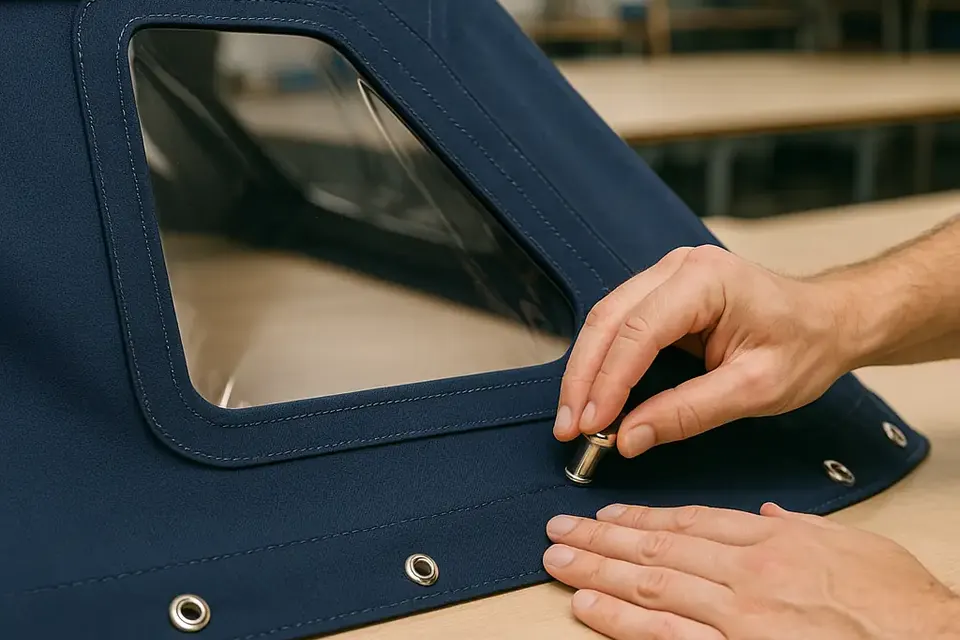
A cratch cover is useful for protecting forward gear between outings, while a cockpit tonneau keeps the working area dry without delaying departure. Owners who cruise in mixed weather may prefer a stern canopy that can be folded away before a lock. Measure around rails, screens, hinges and tiller fittings; a generic shape can foul equipment. Replacement work is most reliable when an existing cover is used as a pattern and its fastening layout is reviewed rather than copied blindly.
Lincoln as a responsible starting point
The Witham’s appeal lies in its progression: city basin, lock, open fen and tidal threshold. Check current notices, plan conservative days and respect the flood-management role of the waterway. From Lincoln, a well-prepared crew can enjoy a route with real variety while remaining honest about its limits. The best passage is one that reaches each structure with time, information and a boat arranged for safe work.
Lincoln’s best gift to a Witham skipper is preparation time: use the basin to settle the crew before the river and tidal question begin.
Boat owners can compare boat cover services, assess marine fabrics and use the postal copy service when the boat cannot travel.