Bardney and the River Witham: a boat owner's guide
Bardney occupies a quiet but important position on the navigable River Witham between Lincoln and Boston. For boat owners it is a useful pause in a route that changes from city navigation to open fen and, farther east, tidal water. Bardney’s appeal is not a catalogue of waterside conveniences; it is the chance to experience a working river at a manageable scale. Check official notices, mooring permissions and lock information before departure, and build the itinerary around the river’s operating realities rather than a fixed holiday timetable.
Bardney Lock and the middle journey
Bardney Lock is a defining feature of the Witham navigation and a natural point for a crew reset. Prepare fenders and lines well before the approach, keep the helm attentive to turbulence and follow the current operating instructions. The lock connects a rural reach rather than a self-contained canal pound, so water movement and weather remain relevant outside the chamber. After leaving, allow the boat to settle before increasing speed. A calm departure protects banks, moored boats and the crew’s concentration.
Fenland banks and working water
The Witham around Bardney shows why drainage and navigation cannot be separated. Banks, embankments and control works protect land that lies close to water level. Keep wash down, never climb a bank where access is restricted and do not use maintenance land as an informal landing. The absence of urban noise can make a boat feel alone, but the river is still managed infrastructure. Report obstructions through the responsible authority rather than attempting an unsafe removal.
Between Lincoln and Boston
Bardney is a practical midpoint for a journey linking Lincoln’s Brayford Pool with Boston’s lower Witham. Distances on a straight river can look easy, yet locks, waiting, wind and crew changes all consume time. Carry a chart showing bridges and structures, and decide in advance where a delayed passage will end. The journey east should include a deliberate discussion of the tidal limit near Boston. If the crew is not ready for tide, turn the trip into a rewarding non-tidal exploration.
A pause with historical depth
Bardney Abbey, founded as a Benedictine monastery, gives the surrounding settlement a long historical association, while the river reflects much later engineering. The useful editorial lesson is to keep those layers distinct: a historic site is not necessarily a waterside facility, and a modern lock is not merely a heritage object. Take the land-based detour only where access is lawful. On board, leave space for navigation work and keep sightseeing secondary to a safe course.
Approaching the lower Witham
As the route runs toward Boston, the character of the river becomes increasingly relevant to tidal planning. The Grand Sluice at Boston is a major control and navigation structure; its passage arrangements, timing and restrictions must be confirmed from current official sources. Do not infer tidal conditions from the water’s appearance at Bardney. Keep the boat’s documents, charts and communication plan together, and allow a full margin for weather or a delayed lock operation.
Cover care in an open landscape
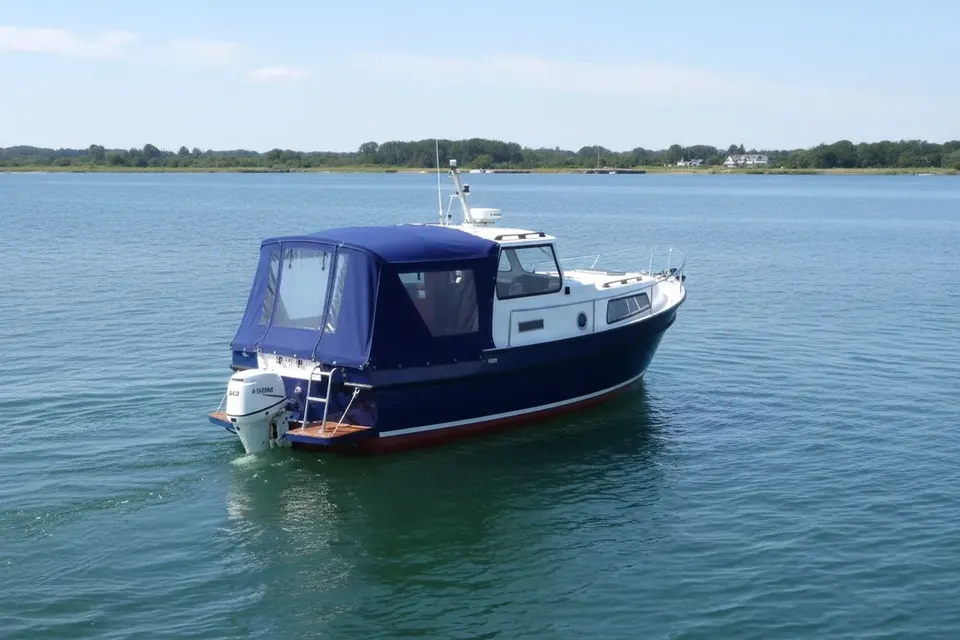
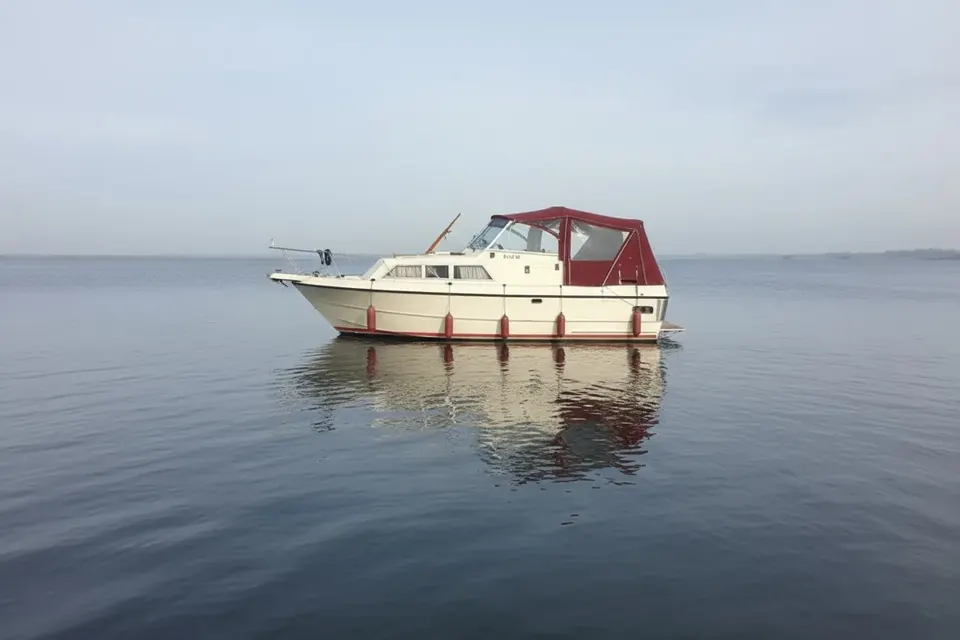
Bardney’s rural exposure brings wind, rain, sun and leaf fall rather than the shelter of a dense town. A cover needs secure attachment points and enough breathability to limit condensation when the boat is left unattended. Clear standing water and debris promptly; trapped moisture can be more damaging than a single shower. Before lock work, fold or remove cockpit protection so lines and controls remain accessible. Check that poles and clips cannot become loose debris on the river.
A crew-friendly day out
A Bardney trip is a good test of whether a boat’s working arrangements are genuinely practical. Can one person reach the bow safely? Are ropes dry and easy to release? Can the helm see around a canopy? Answer those questions on a short outing rather than during a pressured approach. Carry food, water, spare line and a torch. Moor only under posted conditions, keep access clear and leave no equipment on a bank used by the navigation authority.
Choosing a cover for the Witham
Owners who alternate between cruising and periods alongside often combine a quick-release cockpit cover with a more protective bow or cratch cover. Acrylic marine canvas can offer useful breathability and UV resistance; other fabrics may suit different exposure and waterproofing priorities. The right answer depends on the boat and mooring, not the river’s name. Measure the actual craft, including screens and rails. A careful template preserves practical details while allowing worn fasteners and unsafe tension points to be corrected.
Bardney’s quiet value
Bardney is valuable precisely because it makes the Witham’s working character visible. Travel with patience, respect the lock and embankment, and regard current notices as part of the route. From this position, crews can enjoy the river’s broad views without pretending that the tidal lower section is routine. Good preparation turns a midpoint into a memorable part of the journey rather than merely a place passed through.
Bardney rewards an unhurried Witham passage, where lock discipline and respect for the embankments matter as much as the scenery.
For a measured replacement, read about marine fabrics, the postal copy service and our boat cover services.