Torksey and the Fossdyke: a boat owner's guide
Torksey is where the Fossdyke Navigation meets the River Trent, so it is a place of decisions as much as destinations. Boats can enjoy the historic, generally non-tidal Fossdyke from Lincoln without entering the Trent, but a passage beyond Torksey brings tidal planning and river experience into play. Treat the lock, connection and surrounding banks as working infrastructure. Check current authority notices and passage arrangements before travelling, and make the tidal choice according to the boat and crew actually aboard.
The Fossdyke’s western gateway
Torksey gives the Fossdyke its connection to the Trent and completes the east–west story of the navigation. The approach from Saxilby is relatively direct, but do not let the straight channel encourage haste. Prepare lines and fenders early, keep wash down and follow signs at the junction. A cover that is useful on a rainy inland reach must be secured or removed before close-quarters work. The crew should know whether the plan ends at Torksey or continues onto tidal water.
Torksey Lock and current arrangements
Torksey Lock is a central operational feature, and its use must be checked against current navigation information rather than assumed from an old guidebook. Confirm opening, booking or assistance arrangements where applicable, and allow time for waiting. Lock entry is a team exercise: lines ready, hands clear, engine controlled and no loose canvas around the working deck. If a structure is closed, do not improvise around it. The navigation authority’s instruction takes precedence over an ambitious itinerary.
Entering the tidal Trent
The Trent at Torksey is tidal, with current and water levels that can materially alter steering and landing. A suitable boat needs more than a reliable engine: crew must understand tide timing, traffic awareness, navigation lights and the consequences of delay. Consult current tide information and river guidance, and leave a generous weather margin. A narrowboat or inland cruiser may sensibly remain on the Fossdyke if conditions or experience do not support a tidal passage.
The case for turning around
Turning at Torksey is not a lesser achievement. The Fossdyke itself offers history, rural scenery and a clear connection between Lincoln and the Trent. If the tide window is poor, wind opposes the current or the crew is tired, returning toward Saxilby is good seamanship. Keep the alternative visible in the plan, with a lawful stopping point and enough daylight. A flexible itinerary protects the boat and preserves the pleasure of the journey.
A junction shaped by history
Torksey’s location has long mattered to movement across eastern England, and the Fossdyke’s Roman associations add depth to the modern route. Historic interest should prompt care, not access beyond permission. Industrial-looking banks, lock gates and control works remain part of a functioning waterway. Enjoy the archaeology and village setting from lawful viewpoints, while keeping the helm focused on signs, traffic and the physical limits of the navigation.
Wind against tide and boat protection
Open reaches around the Trent can feel very different from the Fossdyke when wind and tide oppose one another. Short steep waves, spray and difficult landings are possible conditions for which an inland cover was not designed. Inspect windows, vents and attachment points; keep cockpit drainage clear; and fold covers securely before going astern or working lines. After exposure to tidal spray, rinse appropriate fittings and dry canvas rather than leaving salt and grit in seams.
Dimensions and equipment deserve honesty
Before Torksey, verify beam, draught, air draught and steering response against the current route information. Consider fuel reliability, bilge arrangements, anchor and communications equipment where relevant to the proposed tidal passage. Do not assume that a boat’s success on canals proves suitability for the Trent. If dimensions are close to a limit, ask the navigation authority or a qualified professional. The most useful preparation is specific, written and checked before the day.
Covers for a changing route
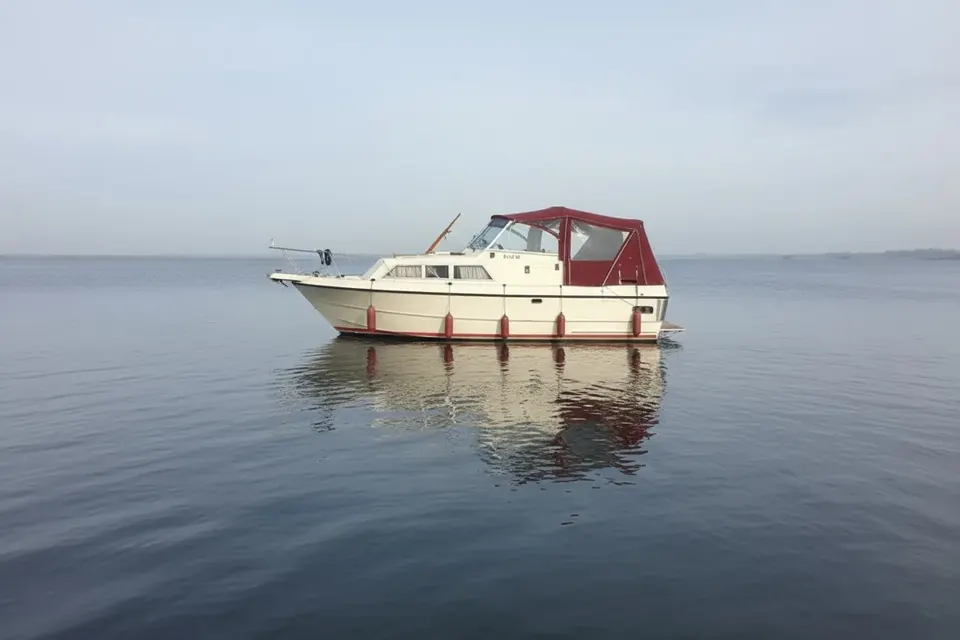
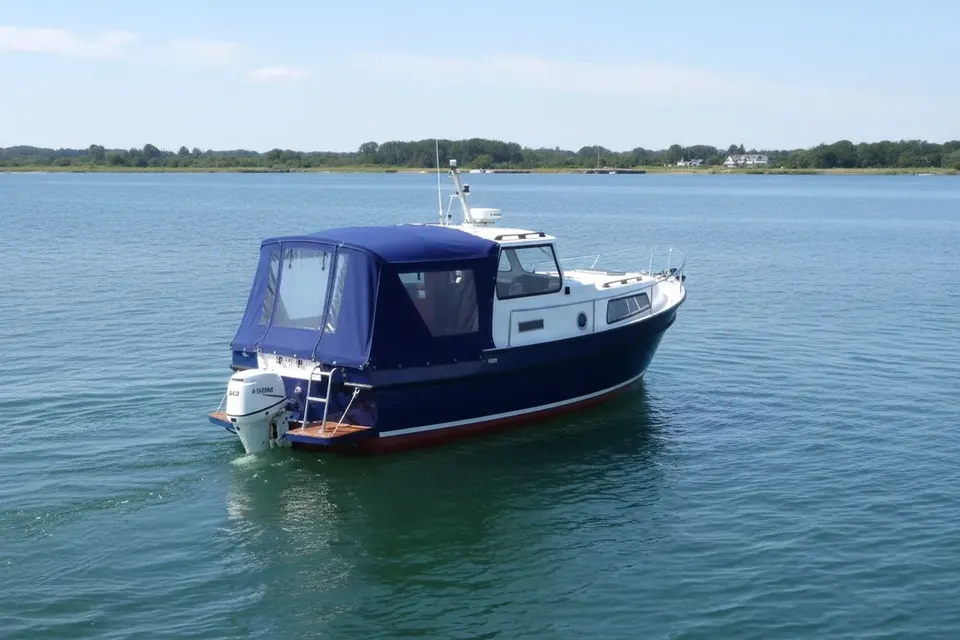
A Fossdyke boat may need easy shelter in rain and a clean, unobstructed deck for the lock or tide. A cockpit tonneau, cratch cover or foldable stern canopy can each serve a different purpose. Keep all arrangements clear of navigation lights, tiller movement and escape routes. When replacing a cover, record actual fittings and stress points rather than relying on a generic pattern. Breathable fabric can help during static periods, while secure tension matters on an exposed mooring.
Torksey as a responsible endpoint
Torksey is most rewarding when its boundary is taken seriously. Check current information, respect lock instructions, plan for a missed tide and keep an inland alternative. The Fossdyke offers a complete and historic cruise even if the Trent remains beyond the day’s scope. If proceeding, do so with suitable craft, tide knowledge and a rested crew. That balance—curiosity without bravado—is the right way to navigate this meeting of canal, river and history.
At Torksey, good judgement is the destination; the Fossdyke remains a complete cruise whether or not the tide invites the next mile.
For a cover that remains practical around locks, consult marine fabrics, boat cover services and the postal copy service.