The Unseen Guardian: Shielding Great Yarmouth’s Vessels from the Relentless Coastal Embrace
Great Yarmouth, a venerable jewel on the East Coast of the UK, is more than just a vibrant seaside resort; it is a historic maritime gateway, a bustling harbour where the freshwater arteries of the Norfolk Broads meet the vast, often unforgiving expanse of the North Sea. For generations, this unique confluence has drawn mariners, from the intrepid sailors of elegant yachts to the dedicated crews of hardy fishing boats and the leisure seekers aboard comfortable cabin cruisers. Each vessel, a testament to craftsmanship and passion, finds its home in these waters, but not without facing the relentless, often corrosive embrace of the coastal environment.
Here, where salty winds whisper tales of ancient voyages and the sun casts its golden, yet ultimately destructive, gaze upon the waves, the protection of a boat is paramount. It’s not merely an aesthetic concern; it’s an absolute necessity for longevity, performance, and the preservation of a substantial investment. This article delves deep into the critical role of high-quality boat covers – focusing on the indispensable canvas covers, canopies, tonneau covers, and spray hoods – as the unseen guardians of Great Yarmouth’s diverse fleet. We will explore the specific maritime challenges posed by this distinctive coastal setting, the vital reasons why bespoke boat covers are not just an accessory but an essential shield, and how a specialist provider like UK Boat Covers offers an unparalleled, cost-effective solution tailored precisely to the needs of Great Yarmouth’s boating community.
Great Yarmouth: A Maritime Canvas of History and Modernity
Nestled at the mouth of the River Yare, Great Yarmouth boasts a maritime heritage stretching back centuries. From its medieval heyday as a fishing port to its Victorian reinvention as a premier holiday destination, the sea has always been its lifeblood. Today, the town’s harbour and adjacent waterways continue to thrive, supporting a diverse array of marine activities. The Great Yarmouth Yacht Club stands as a testament to the enduring appeal of sailing, while the Haven Bridge facilitates the constant ebb and flow of river traffic and larger vessels.
The boatscape of Great Yarmouth is characterised by its variety. Elegant sailing yachts, with their tall masts and intricate rigging, frequently grace the waters, navigating the complex interplay between river and sea. Their owners relish the challenge of the North Sea but equally enjoy the sheltered expanse of the Broads. Cabin cruisers, offering comfort and a touch of luxury, are a popular choice for those seeking extended voyages, whether coastal hopping or exploring the inland waterways system. Sturdy fishing boats, some engaged in commercial ventures, others purely for recreational angling, form another significant part of the fleet, their decks often bearing the marks of honest labour and exhilarating catches. Furthermore, the presence of the Broads means many river boats and smaller day cruisers frequent the harbour, sometimes venturing out to sea, and requiring robust protection for their more sedate inland designs. These vessels represent significant investments, both financially and emotionally, and each requires a tailored approach to protection against the elements.
The Relentless Gauntlet: Great Yarmouth's Maritime Weather Challenges
The East Coast of the UK, and Great Yarmouth in particular, presents a unique set of climatic adversaries for any vessel. The exposure to the North Sea’s temperament ensures that boats moored or berthed here endure a constant barrage of environmental stressors that demand comprehensive protection.
1. The Corrosive Caress of Salt Spray
Perhaps the most insidious enemy of any coastal vessel is salt spray. Carried inland on the prevailing easterly winds, fine particles of salt become airborne, settling on every exposed surface of a boat. This isn't just an aesthetic inconvenience; it's a powerful corrosive agent.
- Metal Degradation: Salt accelerates the oxidation of metals, leading to rust on stainless steel, pitting on aluminium, and galvanic corrosion on dissimilar metals. Winches, cleats, stanchions, and other deck fittings rapidly show signs of deterioration.
- Fabric and Rope Wear: Even seemingly resilient materials like sails (when stowed on deck), ropes, and standard boat fabrics can be weakened and embrittled by salt crystals, losing their strength and pliability over time.
- Electrical System Compromise: While covers don't directly protect against all electrical issues, preventing salt ingress into cockpits and cabin spaces significantly reduces the risk of corrosion on switches, wiring, and sensitive navigation electronics.
- Gelcoat and Paint: Over time, salt residue can dull and etch gelcoat finishes, making them prone to staining and reducing their protective qualities.
A high-quality boat cover acts as a sacrificial barrier, bearing the brunt of the salt spray and preventing it from reaching the boat's delicate surfaces.
2. The Unyielding Force of Coastal Winds
Great Yarmouth’s location on the East Coast means it is frequently exposed to strong, sustained winds, often funnelled across the North Sea. These aren't just gentle breezes; they can be powerful gales that inflict significant damage.
- Chafing and Abrasion: Constant wind causes ropes to chafe against surfaces, sails (even when furled) to flog, and boat parts to rub against each other. This leads to accelerated wear and tear on rigging, paintwork, and deck fittings.
- Structural Stress: Prolonged exposure to strong winds puts immense stress on a boat's superstructure, masts, and hull. While covers can't prevent all structural movement, they reduce the direct impact of wind on sensitive areas.
- Wind-Driven Rain and Debris: Strong winds invariably accompany heavy rain, driving moisture into every crevice and opening. They also carry airborne debris – dust, sand, leaves, and even small stones – which can scratch surfaces and clog drainage.
- Cover Integrity: Even the covers themselves must be exceptionally robust to withstand these conditions. A poorly fitted or weak cover will chafe, tear, or even blow away, offering no protection at all.
Well-designed covers, particularly those with strong tie-downs and reinforcements, mitigate wind damage by creating a streamlined, protected envelope around the vessel, preventing direct impact and reducing the potential for wind-driven abrasion.
3. The Silent Destroyer: UV Exposure
While often associated with sunny climes, the UV radiation on the East Coast can be surprisingly intense, especially over open water. This invisible enemy is a major contributor to boat degradation.
- Fabric Fading and Embrittlement: Boat fabrics, including sails, ropes, and the covers themselves, are highly susceptible to UV degradation. Colours fade, fibres weaken, and materials become brittle, prone to tearing.
- Gelcoat and Paint Chalking: UV rays break down the resins in gelcoat and paint, leading to a chalky, oxidised surface that loses its lustre and protective qualities.
- Plastic and Rubber Hardening: PVC, plastic windows, rubber seals, and vinyl upholstery dry out, crack, and discolour under constant UV exposure.
- Timber Damage: Unprotected wooden brightwork fades, cracks, and delaminates, requiring constant varnishing or oiling to maintain its integrity.
A UV-resistant canvas cover provides an opaque barrier, absorbing or reflecting harmful rays and dramatically extending the life of virtually every external and internal component of the boat.
4. The Pervasive Threat of Rain and Humidity
The UK climate, even on the coast, is characterised by frequent rainfall and high humidity. While not as dramatic as a gale, these factors pose their own significant threats.
- Water Ingress: Even small leaks can lead to significant problems inside a boat. Rainwater can seep into cabins, cockpits, and storage lockers, damaging upholstery, electronics, and wooden interiors.
- Mould and Mildew: Persistent damp conditions create a perfect breeding ground for mould and mildew. These not only cause unsightly stains and unpleasant odours but can also compromise air quality and damage fabrics and wood.
- Wood Rot: Prolonged exposure to moisture can lead to wood rot, a serious structural problem that can be costly and difficult to repair.
A properly fitted, waterproof cover, especially a canopy or full deck cover, ensures that the boat's interior and deck surfaces remain dry, preventing water ingress, reducing humidity, and effectively deterring mould and rot.
The Indispensable Shield: Why Boat Covers are Essential for Coastal Environments
Given the relentless onslaught of Great Yarmouth’s coastal climate, it becomes unequivocally clear that boat covers are not an optional extra, but a fundamental component of responsible boat ownership. They serve as the first, and often most critical, line of defence, offering multifaceted benefits that extend far beyond simple aesthetics.
1. Comprehensive Protection from the Elements
As detailed above, a well-chosen boat cover directly combats all the primary environmental threats. It forms a physical barrier against:
- Salt: Preventing corrosive salt spray from landing on deck hardware, rigging, and delicate finishes.
- Wind: Reducing windage, minimising chafe, and keeping wind-driven rain and debris out of vulnerable areas.
- UV Radiation: Shielding all exposed surfaces – gelcoat, timber, plastics, and fabrics – from the sun’s degrading rays, dramatically slowing down fading, cracking, and embrittlement.
- Rain and Humidity: Ensuring a dry interior and deck, preventing water ingress, and drastically reducing the conditions conducive to mould, mildew, and wood rot.
- Bird Droppings and General Debris: Keeping the boat clean and free from environmental fallout that can stain and damage surfaces.
2. Preservation of Value and Aesthetics
A boat is often one of the most significant purchases an individual makes, second only to a home or vehicle. Protecting this investment is paramount.
- Slowing Degradation: By preventing the premature wear and tear caused by sun, salt, and rain, a quality cover significantly slows down the natural degradation process of the vessel.
- Maintaining Appearance: A covered boat retains its pristine appearance for much longer. The gelcoat remains glossy, the timber bright, and the upholstery vibrant, all contributing to a higher resale value and continued pride of ownership.
- Reduced Maintenance Costs: Preventing damage is always cheaper than repairing it. Covers reduce the need for frequent waxing, varnishing, upholstery repair, and extensive cleaning, saving boat owners considerable time and money over the lifespan of the vessel.
3. Enhanced Lifespan of Components and Systems
Beyond the superficial, covers protect the very heart of the boat’s functionality.
- Deck Gear: Winches, cleats, fairleads, and other deck hardware are expensive and critical. Covers protect them from corrosion and UV damage, extending their operational life.
- UK Boat Covers makes covers for specific areas, including cockpit and tonneau covers, cratch covers and replacement canopy canvas. We do not make whole-boat or winter-storage covers, or supply or install supporting framework. Tell us which area needs covering before requesting a quote.
- Navigation and Electrical Equipment: Even when stored in the cockpit or below deck, sensitive electronics like chart plotters, radios, and instrumentation can be vulnerable to humidity and temperature fluctuations if the cockpit or cabin is not adequately protected. A good cover creates a more stable, drier internal environment.
- Interior Finishes: Upholstery, carpets, wooden trim, and galley components within the cabin cruiser or sailing yacht are all susceptible to damage from dampness, UV, and even dust. Covers ensure the interior remains clean, dry, and comfortable.
Types of Covers and Their Specific Benefits for Great Yarmouth:
The term "boat cover" encompasses a range of specialised solutions, each designed for particular needs and vessel types. For Great Yarmouth's fleet, the following are crucial:
- Canvas Covers (Overall Term): This refers to the primary material, typically a high-grade acrylic canvas (like Sunbrella) or a durable polyester. These materials are chosen for their superior UV resistance, waterproofing, breathability (to prevent mildew), and strength. A full canvas cover provides all-encompassing protection for a boat stored ashore or in the water.
- Canopies: Essential for cabin cruisers, day cruisers, and larger sailing yachts, canopies provide sheltered living and cockpit areas. They extend the usable season by offering protection from sun, wind, and rain while the boat is in use or moored. A well-designed canopy can transform an open cockpit into an additional living space, complete with clear windows for visibility.
- Tonneau Covers: Primarily used for open cockpit day cruisers or smaller fishing boats, these covers are designed for quick deployment and removal. They provide a complete, watertight seal over the cockpit area, protecting seating, controls, and electronics from the elements when the boat is not in use. Their sleek profile also reduces windage.
- Spray Hoods: An integral feature for many sailing yachts and some cabin cruisers, spray hoods are fitted forward of the cockpit. They offer immediate protection to the crew from waves, spray, and wind, making sailing or cruising in challenging conditions far more comfortable and safer. They often incorporate clear windows for visibility and can be designed to seamlessly integrate with a full cockpit canopy.
Winterisation and Long-Term Storage
For those vessels laid up for the winter months in Great Yarmouth, or for any period of extended inactivity, a comprehensive cover is an absolute necessity. It ensures that during the harsh winter storms, biting winds, and persistent damp, the boat remains dry, free from debris, and protected from the seasonal elements that can inflict significant damage over a prolonged period. A good cover simplifies the winterisation process and dramatically reduces the amount of spring recommissioning work required.
Boats of Great Yarmouth: A Closer Look at Their Protection Needs
The diverse fleet calling Great Yarmouth home presents a varied landscape of protection requirements, all unified by the common need for high-quality, durable shielding.
Sailing Yachts: Precision Protection for Complex Vessels
Sailing yachts, with their intricate rigging, extensive deck layouts, and reliance on pristine sails, are perhaps the most demanding in terms of cover requirements.
- Mast-Up Covers: Many sailing yachts remain mast-up in the water or ashore. This necessitates covers designed to fit around masts, shrouds, and stays, providing comprehensive protection to the entire deck, cockpit, and cabin top. These covers often feature robust openings for rigging, carefully reinforced to prevent chafing.
- Boom Covers: Essential for protecting the mainsail when furled on the boom. These prevent UV degradation, reduce exposure to salt, and keep the sail clean and dry, extending its lifespan and maintaining its performance characteristics.
- Spray Hoods: As mentioned, spray hoods are critical for crew comfort and safety on sailing yachts, offering immediate protection from the elements in the cockpit. They are often integrated with full cockpit canopies for maximum versatility, allowing sailors to extend their season and enjoy their craft in a wider range of conditions.
- Deck and Cockpit Protection: The varnished brightwork, expensive winches, navigation electronics, and delicate ropes found on a sailing yacht's deck are all highly vulnerable. A full canvas cover or a combination of spray hood and cockpit canopy ensures these vital components are safeguarded.
Cabin Cruisers: Safeguarding Comfort and Interior Splendour
Cabin cruisers are designed for comfort and extended stays on the water, making the preservation of their interiors and deck spaces paramount.
- Full Deck Covers: These are ideal for covering the entire deck and superstructure when the boat is not in use, protecting the cabin roof, sun deck areas, and any exposed seating or controls. This prevents water ingress into the cabin, protects exterior upholstery, and preserves the boat's gelcoat.
- Cockpit Canopies: A canopy is arguably the most essential cover for a cabin cruiser. It transforms the open cockpit into a sheltered, usable space, ideal for dining, socialising, or simply relaxing, even in inclement weather. With clear windows and zip-open sections, they offer flexibility and extend the boating season. They protect the helm station, seating, and often expensive navigation equipment from rain, spray, and UV.
- Window and Hatch Covers: Specific covers for cabin windows and hatches provide an extra layer of UV protection, prevent water leaks, and offer privacy, all while protecting the seals and acrylic from premature degradation.
River Boats and Day Cruisers: Robust Protection for Versatile Craft
While often designed for the calmer waters of the Broads, many river boats and day cruisers frequently venture into Great Yarmouth's harbour, and sometimes beyond, demanding a higher standard of protection than their river-only counterparts.
- Tonneau Covers: For open-cockpit day cruisers and many river boats, a tonneau cover is indispensable. It provides comprehensive protection for the entire cockpit area, safeguarding upholstery, instruments, and any personal gear stored within. Its snug fit prevents water pooling and reduces wind buffeting.
- Bow Covers: Some day cruisers also benefit from bow covers, particularly those with open bow seating areas, protecting these spaces from sun and rain.
- Canopies (Bimini/Fixed): For open river boats or day cruisers, a robust canopy (either a fixed structure with canvas or a collapsible bimini-style) offers essential shade and rain protection while underway or moored. When stationary, side and rear panels can convert it into a fully enclosed space.
- Fishing Boats: For dedicated fishing boats, protection is often focused on the open deck area where gear is stored and work is performed. Tonneau covers are popular, as are robust console covers for open steering positions. These covers need to be exceptionally durable and easy to clean, given the nature of fishing activities. Protecting sensitive fish finders and chart plotters is also a priority.
UK Boat Covers: A Tailored Solution for Great Yarmouth Mariners
Understanding the specific challenges of Great Yarmouth and the varied needs of its boating community, specialist providers like UK Boat Covers offer solutions that marry quality with convenience and affordability. They stand out by providing a service uniquely suited to boat owners who demand precision and value.
The postal service with agreed dispatch timing: Precision and Convenience, Delivered
One of the most innovative and practical aspects of UK Boat Covers' offering is their unique postal service with agreed dispatch timing. This service addresses a common challenge faced by boat owners: how to get a perfectly fitting bespoke cover without the hassle and expense of on-site measurements.
The process is remarkably straightforward:
- Send Your Old Cover: The boat owner simply removes their existing cover – be it a full canvas cover, canopy, tonneau, or spray hood – and securely packages it.
- Postal Delivery: The old cover is then sent via post or courier directly to UK Boat Covers' workshop.
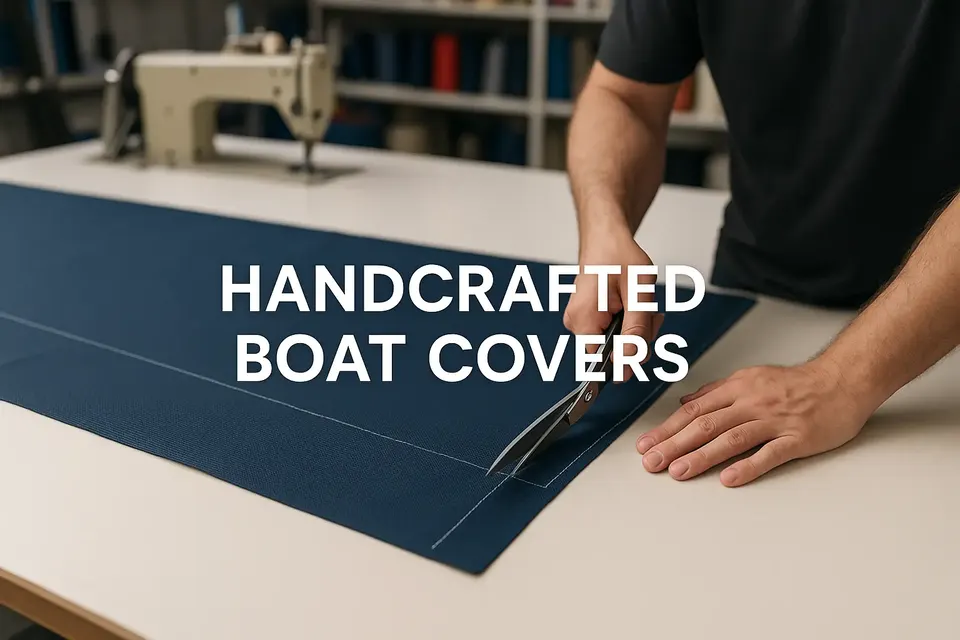
- Precision Templating: Upon arrival, the skilled craftsmen at UK Boat Covers use the old cover as a precise template. This ensures that the new cover will have exactly the right dimensions, fastenings, cut-outs, and contours, guaranteeing a perfect, custom fit that no generic cover could ever achieve. This method inherently accounts for the unique nuances of each vessel, including any modifications or specific requirements.
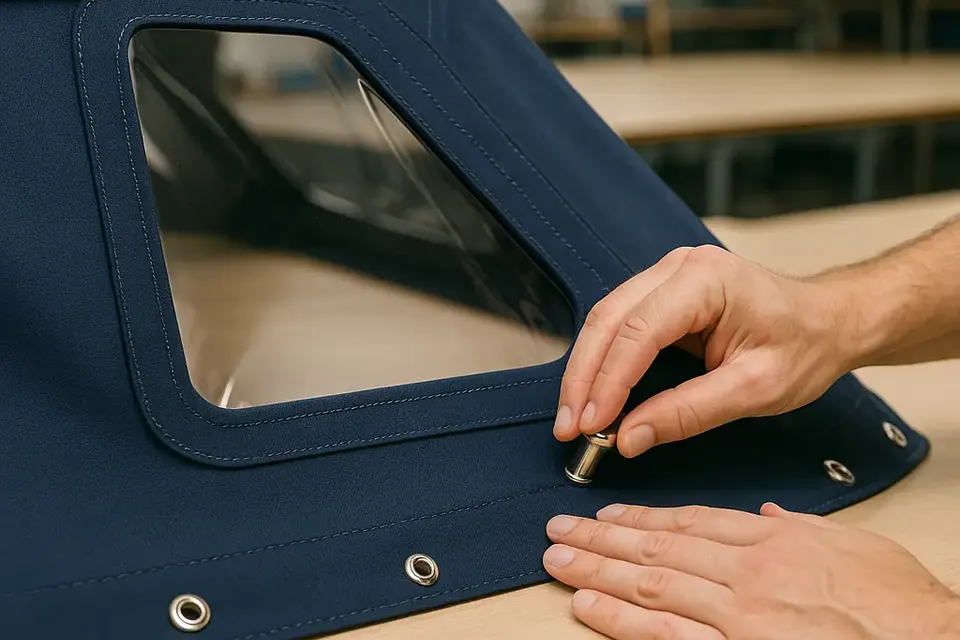
- Crafting the New Cover: Using premium, marine-grade materials (chosen for their UV resistance, waterproofing, and durability), the new cover is meticulously cut, stitched, and reinforced to exacting standards.
- Return Delivery: Within an impressive an agreed dispatch timeframe of receiving the old cover, the brand-new, bespoke cover is dispatched back to the boat owner via postal service.
Benefits of this System for Great Yarmouth Boat Owners:
- Fit subject to assessment: The most significant advantage is the absolute certainty of a perfect, custom fit. This eliminates guesswork, the need for multiple trips, and the potential for ill-fitting covers that flap, chafe, or pool water.
- Unparalleled Convenience: For busy boat owners or those who don't live adjacent to their vessel in Great Yarmouth, this service is invaluable. There's no need to schedule appointments, transport the boat, or even be present for measurements.
- Speed and Efficiency: A dispatch timing agreed before ordering means minimal downtime for the boat. This is particularly advantageous during peak seasons or when an existing cover suddenly fails.
- Cost-Effectiveness: By streamlining the measurement process and utilising efficient workshop practices, this service can often be more cost-effective than traditional on-site custom cover makers, without compromising on quality.
- Access to Expertise: Great Yarmouth owners benefit from the expertise of specialist cover makers, even if they are not geographically local, accessing high-quality craftsmanship regardless of their mooring location.
The No VAT Pricing Advantage: Quality Made Accessible
Another compelling advantage offered by UK Boat Covers is their "No VAT" pricing. While the specific business structure enabling this can vary (e.g., operating below the VAT threshold, or specific schemes), the net effect for the customer is clear and substantial:
- Direct Financial Saving: For individuals, the price quoted is the price paid, representing a direct clear pricing. This makes high-quality, bespoke boat protection significantly more affordable.
- Enhanced Value Proposition: When investing in a crucial item like a boat cover, the ability to obtain a premium, custom-made product at a price point that VAT is not charged by UK Boat Covers dramatically increases the value for money. It allows boat owners to access superior materials and craftsmanship without the added tax burden.
- Making Quality Accessible: This pricing strategy helps to democratise access to high-end boat covers, making it feasible for a wider range of Great Yarmouth boat owners – from those with smaller day cruisers to those with larger sailing yachts – to afford the best possible protection for their cherished vessels.
This combination of a precise, convenient postal service and a significant pricing advantage positions UK Boat Covers as an ideal partner for the Great Yarmouth boating community, ensuring their vessels receive the best possible shield against the unique coastal challenges.
Choosing the Right Cover: Material, Fit, and Features
The effectiveness of any boat cover hinges on a few critical factors: the quality of its materials, the precision of its fit, and the thoughtful inclusion of key features.
Material Selection: The Core of Durability
For the harsh conditions of Great Yarmouth, material choice is paramount.
- UK Boat Covers makes covers for specific areas, including cockpit and tonneau covers, cratch covers and replacement canopy canvas. We do not make whole-boat or winter-storage covers, or supply or install supporting framework. Tell us which area needs covering before requesting a quote.
- Polyester Fabrics: High-grade coated polyester fabrics offer excellent strength, waterproofing, and are generally more cost-effective. They are often used for tonneau covers and other applications where extreme breathability is less critical than robustness and water impermeability.
- PVC (Polyvinyl Chloride): While extremely waterproof and durable, PVC is less breathable and can be heavier. It’s often used for specific heavy-duty applications or where absolute water exclusion is the primary goal, but less common for general boat covers due to its lack of breathability.
The best materials balance waterproofing with breathability to prevent the greenhouse effect and mould growth underneath the cover. UV resistance is non-negotiable for any fabric used in Great Yarmouth.
Fit is Paramount: Custom vs. Generic
The postal service offered by UK Boat Covers directly addresses the critical importance of fit.
- Custom Fit: A cover made specifically for your boat, using an existing cover as a template, offers a multitude of advantages:
- No Flapping or Chafing: A snug fit eliminates excess material that can flap in the wind, leading to chafe marks on the boat's surfaces and premature wear on the cover itself.
- Optimal Water Run-off: Precisely tailored covers ensure that rain and spray shed efficiently, preventing water from pooling and straining the fabric or finding its way underneath.
- Enhanced Security: A tight-fitting cover is far less likely to be dislodged by strong coastal winds.
- Aesthetics: A custom cover enhances the overall appearance of the boat, reflecting pride of ownership.
- Generic/Off-the-Shelf: These are a false economy in a coastal environment. They rarely fit well, leading to all the problems listed above, and ultimately fail much faster, offering inadequate protection and costing more in the long run.
Key Features for Great Yarmouth Covers
Beyond material and fit, certain features are essential for covers designed for coastal use:
- Reinforcements: Critical stress points, such as where the cover might rub against a mast, stanchion, or cleat, must have extra layers of material or anti-chafing patches.
- Strong Fastenings: Durable straps, bungee cords, and robust stainless steel or brass eyelets are vital for securing the cover against strong winds.
- Ventilation: Vents (often mushroom vents or mesh panels) are crucial for promoting airflow underneath the cover, reducing condensation, and preventing mildew, especially important in humid coastal climates.
- Zippers and Doors: For canopies and full covers, heavy-duty marine-grade zippers allow for easy access to the boat without removing the entire cover. Clear windows in canopies and spray hoods should be made from high-quality, UV-stable vinyl or acrylic that won't yellow or crack easily.
- UV-Resistant Thread: Even the stitching must be made from UV-resistant thread to prevent the seams from disintegrating prematurely.
Conclusion: Investing in Longevity and Enjoyment at Great Yarmouth
The allure of Great Yarmouth for sailing yachts, cabin cruisers, river boats, day cruisers, and fishing boats is undeniable. The unique blend of river and sea offers unparalleled cruising opportunities and a vibrant maritime community. Yet, this idyllic setting comes with a significant caveat: the relentless, corrosive, and destructive power of the East Coast environment. Salt spray, strong coastal winds, pervasive UV radiation, and persistent rain are not mere inconveniences; they are potent adversaries that can drastically shorten a boat's lifespan, degrade its appearance, and erode its value.
In this challenging context, a high-quality boat cover is not merely an accessory; it is the silent, unseen guardian, the first and most critical line of defence. From comprehensive canvas covers shielding an entire deck, to practical tonneau covers protecting open cockpits, and versatile canopies and spray hoods extending the usable season and comfort of a vessel, each type of cover plays a pivotal role in preserving the integrity and beauty of Great Yarmouth’s diverse fleet.
Providers like UK Boat Covers, with their innovative postal service with agreed dispatch timing and advantageous no-VAT pricing, offer a compelling solution tailored to these specific needs. By guaranteeing a perfect, custom fit for every spray hood, canopy, tonneau cover, or full canvas cover, and making premium protection financially accessible, they empower Great Yarmouth mariners to effectively combat the elements.
Ultimately, investing in a superior boat cover is an investment in the longevity, functionality, and enduring enjoyment of your vessel. It safeguards your passion against the harsh realities of the coastal embrace, ensuring that your time on the water in Great Yarmouth remains defined by pleasure, not premature deterioration and costly repairs. Protect your investment; cherish your journey.