The Unseen Shield: Protecting Your Maritime Passion in Southend-on-Sea's Coastal Embrace
Southend-on-Sea, a quintessential British coastal town, holds a special place in the hearts of many, not least its vibrant community of mariners. With its iconic pier stretching into the Thames Estuary, and a maritime heritage steeped in fishing, leisure, and adventure, Southend offers a unique blend of calm waters and exhilarating coastal challenges. From the graceful sails of a yacht catching the easterly breeze to the steadfast profile of a cabin cruiser awaiting its next journey, the boats here are more than mere vessels; they are extensions of dreams, passions, and a cherished way of life. Yet, this idyllic setting, with its boundless horizons and invigorating sea air, conceals a relentless foe: the unforgiving coastal environment.
The saline breath of the sea, the ceaseless dance of the wind, and the pervasive glare of the sun combine to form a potent cocktail of degradation for any vessel left exposed. For the dedicated boat owner in Southend, protecting their investment – and indeed, their passion – from these elements is not merely an option but an absolute necessity. This is where the unseen shield of a quality boat cover, canopy, tonneau, or spray hood steps in, transforming a vulnerable asset into a resilient sanctuary. This article delves deep into the critical importance of these protective layers for vessels moored in Southend-on-Sea, exploring the unique local challenges, the diverse needs of popular boat types, and a pioneering service that offers bespoke protection with unparalleled convenience and value.
Southend-on-Sea: A Mariner's Haven and Its Environmental Realities
Nestled on the north bank of the Thames Estuary, Southend-on-Sea provides a fascinating and dynamic environment for boating. Its location at the confluence of the mighty Thames and the North Sea means mariners here navigate a complex interplay of tides, currents, and weather systems. The town’s marinas and mooring facilities, such as those at the mouth of the River Roach or along the deeper water channels, serve as home to a diverse fleet. Sailing yachts, with their elegant rigging and pursuit of wind-powered adventure, are a common sight, as are the more robust cabin cruisers, offering comfort and range for longer excursions. Day cruisers embark on shorter journeys, while fishing boats patiently await the day's catch.
However, the very elements that make Southend so appealing to mariners also pose significant threats. The East Coast of the UK is renowned for its changeable weather, and Southend is no exception. While summer days can be glorious, the maritime climate ensures that boats are almost constantly subjected to forces that accelerate wear and tear.
The Relentless Coastal Gauntlet: Southend's Maritime Weather Challenges
Understanding the specific environmental adversaries is the first step towards effective protection. For boats stationed in Southend-on-Sea, these challenges are multifaceted and relentless:
Salt Spray: The Corrosive Caress:
Perhaps the most insidious and pervasive threat in any coastal environment, salt spray is a constant companion for vessels in Southend. Carried on the wind, microscopic salt particles settle on every surface. When they dry, they leave behind abrasive crystals that, over time, can scour gelcoat, pit stainless steel, and accelerate corrosion on metal fittings, fasteners, and electronics. Fabrics become stiff and brittle, stitching can degrade, and even the most robust materials succumb to the relentless chemical attack of sodium chloride. For sailing yachts, salt build-up on rigging and deck gear can lead to increased friction and premature failure. Cabin cruisers, with their expansive surfaces and numerous windows, become veritable salt magnets, leading to streaks, reduced visibility, and the dulling of finishes. This isn't just an aesthetic problem; unchecked salt corrosion can compromise the structural integrity and functionality of critical components.Coastal Winds: The Chafing Hand and Debris Carrier:
Southend's exposed position on the estuary means it is often buffeted by strong coastal winds, particularly during autumn and winter. These winds, often funnelling up the estuary, exert tremendous force on moored vessels. The constant motion and rubbing against fenders, lines, and adjacent structures cause chafing, leading to wear on paintwork, gelcoat, and even the hull itself. More subtly, wind can create internal stresses on a boat's structure and rigging, especially for sailing yachts. Furthermore, these winds are potent carriers of airborne debris. Sand, grit, industrial dust from nearby areas, and even urban pollutants are whipped up and deposited onto boat surfaces. This abrasive particulate matter, combined with salt, forms a gritty paste that can scratch windows, abrade finishes, and clog intricate mechanisms. Imagine the impact on a cabin cruiser's clear windows or a sailing yacht's delicate instruments if constantly sandblasted by the wind.UV Exposure: The Silent Degrader:
While Southend may not boast tropical sunshine, the UK's coastal UV levels, especially when reflected off water, are surprisingly intense and damaging. Ultraviolet radiation is an invisible enemy that silently degrades materials. For boat owners, this manifests in several ways:- Fading: The vibrant colours of gelcoat, deck paints, and upholstery fabrics bleach out, leaving a dull, chalky finish.
- Cracking and Brittleness: Plastics, rubber seals, and certain types of wood become brittle, crack, and lose their elasticity, compromising their protective function. This is particularly damaging for windows, hatch seals, and mooring cleats.
- Fabric Degradation: Canvas and other textile materials used for biminis, dodgers, and exterior upholstery lose their strength and tear resistance, becoming thin and weak. Stitching, often the first point of failure, can rot away under sustained UV assault.
- Gelcoat Chalking: The shiny, protective gelcoat layer on fibreglass boats can "chalk" – a white, powdery residue that indicates surface degradation, requiring intensive restoration.
Rain, Cold, and Humidity: The Scourge of Damp:
The UK climate guarantees a generous supply of rain and high humidity. While seemingly benign, these elements lead to:- Water Ingress: Even small gaps or compromised seals can allow rainwater to seep into interiors, leading to damp, mildew, and rot in wooden components, upholstery, and electronics.
- Mildew and Mould: Persistent damp conditions create the perfect breeding ground for unsightly and unhealthy mildew and mould. These fungi not only stain surfaces but can also cause structural damage to fabrics and wood, and lead to unpleasant odours.
- Temperature Fluctuations and Condensation: The rapid changes in temperature typical of the East Coast, especially between day and night or season to season, cause condensation to form inside boats. This internal moisture exacerbates mildew problems and can lead to corrosion of internal metal components and damage to electrical systems.
Beyond Aesthetics: Why Boat Covers Are Indispensable for Coastal Vessels
Given the litany of threats posed by Southend's coastal environment, the rationale for investing in high-quality boat covers transcends mere aesthetics. They are, in essence, an investment in the longevity, functionality, and inherent value of your vessel.
Comprehensive Environmental Protection:
A well-fitted boat cover acts as the primary line of defence against virtually all the elements described above. It creates a physical barrier that prevents salt spray, airborne debris, and UV radiation from reaching the boat's delicate surfaces. It diverts rainwater away, minimising the risk of ingress and keeping interiors dry. This comprehensive protection drastically slows down the natural process of degradation, ensuring that your boat remains in prime condition for longer.Preserving Longevity and Resale Value:
Boats are significant investments, and like any valuable asset, their condition directly impacts their lifespan and market value. A boat consistently protected by a cover will exhibit far less wear and tear than one left exposed. Its gelcoat will retain its lustre, upholstery will remain vibrant, and deck fittings will resist corrosion. This preservation directly translates to an extended operational life and a significantly higher resale value should you ever decide to upgrade or sell your vessel. Buyers are invariably drawn to boats that show evidence of diligent care, and a well-maintained cover is a clear indicator of a responsible owner.Reduced Maintenance and Cleaning Costs:
Think of the hours saved on cleaning alone. A covered boat remains largely free of bird droppings, fallen leaves, dust, and grime. The interior stays dry and clean, requiring less frequent airing and cleaning of upholstery. Furthermore, by preventing salt build-up and UV degradation, covers drastically reduce the need for expensive restorative treatments like gelcoat compounding, fabric re-upholstery, or intricate metal polishing. Less time spent cleaning and repairing means more time enjoying the water – the very reason you own a boat in the first place.Enhanced Safety and Operational Reliability:
Beyond the visible elements, boat covers protect critical, often unseen, components. They shield sensitive electronics, wiring harnesses, and navigation equipment from moisture and corrosive salt. By keeping these systems dry and protected, covers contribute directly to the operational reliability and safety of your vessel. A well-functioning electrical system, free from corrosion-induced faults, is paramount for safe navigation and enjoyment.Interior Sanctuary and Comfort:
For cabin cruisers and sailing yachts with comfortable interiors, a cover ensures that the cabin remains a dry, clean, and pleasant space. It prevents sun damage to interior fabrics, carpets, and wooden trim, and crucially, inhibits the growth of mildew and mould, which can make a cabin feel damp, musty, and unwelcoming. Stepping aboard a protected boat, even after weeks of storage, into a fresh and clean environment significantly enhances the boating experience.
Popular Vessels at Southend and Their Covering Needs
The diverse fleet at Southend-on-Sea dictates a variety of specific covering solutions, each tailored to the vessel's design and usage. UK Boat Covers understands these nuances, offering specialised protection for each type.
Sailing Yachts: Grace and Precision Protected:
Sailing yachts, with their intricate rigging, expansive deck spaces, and often delicate teak finishes, are particularly vulnerable to coastal elements.- Canvas Covers (Full/Winter Covers): For extended periods out of commission, especially during the harsh Southend winter, a full canvas cover is essential. These robust covers envelop the entire deck and cockpit, protecting all deck gear, winches, electronics, and valuable teak from UV, salt, rain, and debris. They often incorporate breathable materials to prevent condensation and mildew, ensuring the interior and exterior emerge pristine in spring.
- Spray Hoods: A crucial addition for any sailing yacht, particularly for those venturing into the choppier waters of the estuary or open sea. A spray hood provides vital protection to the cockpit from waves, spray, and wind, enhancing comfort for the crew and protecting cockpit instruments. Modern spray hoods are designed for excellent visibility, often incorporating clear window panels and sturdy frames.
- Cockpit Canopies/Covers: For warmer months, a canopy over the cockpit offers shade from the sun and shelter from light rain, extending the usable space and comfort on board. A simpler cockpit cover might also be used for shorter periods of mooring to keep the area clean.
Cabin Cruisers: Comfort and Utility Preserved:
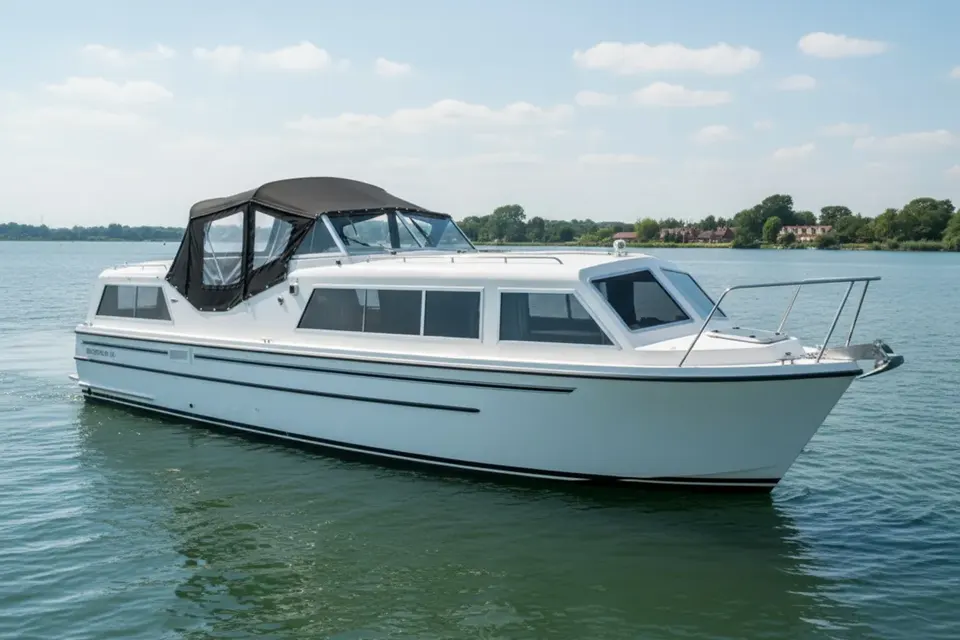
Cabin cruisers are designed for comfort and extended stays, often featuring larger cabins, integrated cockpits, and sometimes flybridges. Their expansive surfaces and numerous windows make them prime targets for salt and UV damage.- UK Boat Covers makes covers for specific areas, including cockpit and tonneau covers, cratch covers and replacement canopy canvas. We do not make whole-boat or winter-storage covers, or supply or install supporting framework. Tell us which area needs covering before requesting a quote.
- Canopies: Many cabin cruisers benefit from canopies over their aft cockpits or flybridges. These provide essential shade, shelter from rain, and can effectively extend the living space on board, making it more comfortable for relaxation or entertaining.
- Window Covers: Specific covers for cabin windows are invaluable. They block harsh UV rays from fading interior fabrics and wooden trim, and also provide a layer of privacy and security when the boat is unoccupied.
Day Cruisers & Fishing Boats: Ready for the Next Adventure:
These vessels, often designed for shorter trips and open-air activities, require protection for their open cockpits, seating, and crucial electronics.- Tonneau Covers: Perfect for covering open cockpits, tonneau covers provide a snug, low-profile barrier against rain, dirt, and UV. They keep the seating clean and dry, protect the console and instruments, and can deter casual theft of small items. They are generally quick and easy to fit and remove, ideal for boats used frequently.
- UK Boat Covers makes covers for specific areas, including cockpit and tonneau covers, cratch covers and replacement canopy canvas. We do not make whole-boat or winter-storage covers, or supply or install supporting framework. Tell us which area needs covering before requesting a quote.
River Boats (Transitioning from Estuary):
While Southend is coastal, many boats might transition from the estuary into the calmer waters of the Rivers Crouch or Roach. Even in less saline environments, covers remain crucial. River boats, often with wooden elements or more traditional canvas structures, are still susceptible to UV degradation, heavy rain, and pervasive damp, leading to mildew and rot. A good canvas cover or canopy protects these sensitive materials, ensuring the boat remains in excellent condition whether moored in the tidal estuary or further inland.
UK Boat Covers: A Tailored Solution for Southend Mariners
In a coastal town like Southend, where the demands on boat protection are so high, convenience, quality, and value are paramount. This is where a specialist provider like UK Boat Covers truly stands out, offering a service uniquely suited to the needs of the local boating community.
The Unique postal service with agreed dispatch timing: From Old Template to New Protection
One of the most revolutionary aspects of UK Boat Covers' offering is their streamlined postal service with agreed dispatch timing. This innovative approach removes the traditional headaches associated with ordering custom boat covers, such as requiring on-site measurements or lengthy waiting times. The process is remarkably simple and efficient:
- Send Your Old Cover: The customer simply sends their existing, worn-out cover to UK Boat Covers. This old cover serves as the perfect template. It inherently holds the precise dimensions, curves, and cut-outs unique to their specific vessel, accounting for any bespoke fittings or modifications. This eliminates the margin for error often present in manual measurements.
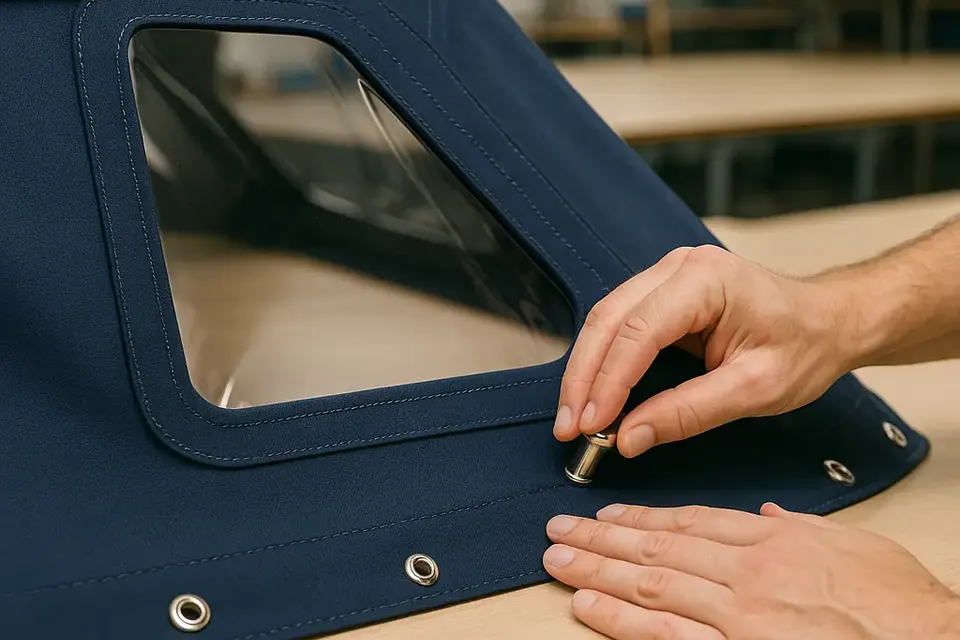
- Expert Craftsmanship: Upon receipt, UK Boat Covers' skilled artisans meticulously use the old cover to cut and stitch a brand new, custom-fit replacement. They leverage their expertise in marine-grade materials, robust stitching techniques, and weather-resistant finishes to create a cover that not only fits perfectly but is also built to withstand the rigours of Southend's coastal environment.
- Receive Your New Cover in Just an agreed dispatch timeframe: The turnaround time is a game-changer. According to the agreed schedule, the brand new, tailor-made replacement is dispatched back to the customer. This rapid service minimises the time a boat is left exposed and allows owners to quickly re-establish vital protection. For busy boat owners in Southend, who might not have the luxury of extended periods for custom fitting, this postal service is an invaluable convenience, offering a seamless, hassle-free upgrade to their boat's protection.
This system ensures an unparalleled level of accuracy, as the new cover is literally a perfect replica of the old, ensuring a snug fit that prevents flapping, pooling water, and premature wear – all critical considerations in windy, rainy Southend.
The No VAT Pricing Advantage: Quality Protection, Accessible Value
Beyond convenience, UK Boat Covers offers a compelling financial advantage that significantly benefits Southend's boat owners: their no-VAT pricing structure.
For eligible customers, particularly those who operate businesses or are VAT-registered, this means that the price quoted is the price paid, without the additional 20% value-added tax that typically inflates the cost of goods and services in the UK. This represents a substantial saving on what is already a high-quality, custom-made product.
However, even for individuals who are not VAT-registered, UK Boat Covers' commitment to competitive pricing often means that their "no VAT" price is still highly competitive, if not lower, than many competitors' VAT-inclusive prices for comparable quality. This advantage stems from their efficient operational model and direct-to-customer approach, allowing them to pass on significant savings.
In an economic climate where every saving counts, this pricing strategy makes top-tier marine protection more accessible to a wider range of boat owners in Southend-on-Sea. It means that investing in a durable, custom-fit canvas cover, canopy, tonneau, or spray hood doesn't have to be a prohibitive expense, but rather a smart, affordable decision that pays dividends in the longevity and enjoyment of your vessel. It empowers boat owners to choose superior protection without compromising their budget, ensuring their passion for the sea remains well-guarded against the elements.
Conclusion: Safeguarding the Southend Seafarer's Dream
For the dedicated mariner in Southend-on-Sea, the allure of the Thames Estuary and the open sea is undeniable. Yet, this captivating environment demands respect and proactive protection. The relentless assault of salt spray, the unyielding force of coastal winds, and the insidious damage of UV radiation are constant threats that can diminish the beauty, functionality, and value of even the most cherished sailing yacht, cabin cruiser, or fishing boat.
A high-quality boat cover, be it a robust canvas cover, a versatile canopy, a neat tonneau cover, or an essential spray hood, is not merely an accessory; it is the ultimate guardian for your maritime investment. It is the unseen shield that preserves your vessel's integrity, extends its lifespan, slashes maintenance demands, and ensures that every time you step aboard, you are greeted by a clean, dry, and inviting sanctuary.
With UK Boat Covers, Southend mariners have access to a truly unique and advantageous solution. Their pioneering postal service with agreed dispatch timing transforms the often-cumbersome process of acquiring a custom cover into a seamless experience, leveraging your old cover as the perfect template for a flawless, new replacement. Coupled with their no-VAT pricing advantage, superior marine protection becomes not just accessible, but exceptionally valuable.
Ultimately, investing in a quality boat cover from UK Boat Covers is an investment in peace of mind. It’s an affirmation of your commitment to your vessel and your enduring passion for boating on the vibrant waters of Southend-on-Sea. It ensures that your maritime dream remains well-protected, ready to embark on countless future adventures, unblemished by the harsh realities of the coastal embrace.