The Indispensable Guardian: Protecting Lowestoft’s Cherished Vessels from the North Sea's Unrelenting Embrace
Lowestoft, a town etched into the very fabric of Suffolk’s North Sea coastline, is a place where the rhythmic ebb and flow of the tide dictates a way of life. For generations, its harbours have been a vibrant stage for maritime activity, a cherished home for a diverse fleet of vessels, each a testament to the enduring spirit of seafaring. From the majestic grace of sailing yachts to the steadfast practicality of fishing boats and the comfortable sanctuary of cabin cruisers, these vessels represent not merely modes of transport but significant investments, sources of joy, and symbols of freedom.
Yet, this very proximity to the North Sea, the source of so much inspiration and livelihood, also brings with it an unrelenting onslaught of natural challenges. The salty tang in the air, the persistent whisper and roar of coastal winds, and the insidious, ever-present power of ultraviolet radiation conspire to degrade, corrode, and diminish the beauty and integrity of any boat left exposed. This is where the often-underestimated hero of boat ownership emerges: the custom-fitted boat cover. Far more than a mere tarpaulin, a well-designed and expertly crafted boat cover is the first, and often the most critical, line of defence against the harsh realities of a coastal environment like Lowestoft. It is an indispensable guardian, preserving the aesthetics, extending the lifespan, and safeguarding the value of every vessel docked or moored in this proud maritime town.
Lowestoft's Maritime Heartbeat: A Haven for Diverse Vessels
Lowestoft's unique position, nestled between the North Sea and the Broads National Park, fosters a fascinating diversity in its boating community. The waters here are home to craft that embody different aspects of maritime passion, each facing distinct protective needs:
- Sailing Yachts: Gracing the waters with their elegant masts and sails, sailing yachts are a common sight, particularly around the Royal Norfolk & Suffolk Yacht Club. Their owners invest significantly in their intricate rigging, sophisticated electronics, gleaming gelcoat, and comfortable interiors. Exposure to the elements can quickly degrade sails, lines, teak decks, and compromise the integrity of delicate instruments.
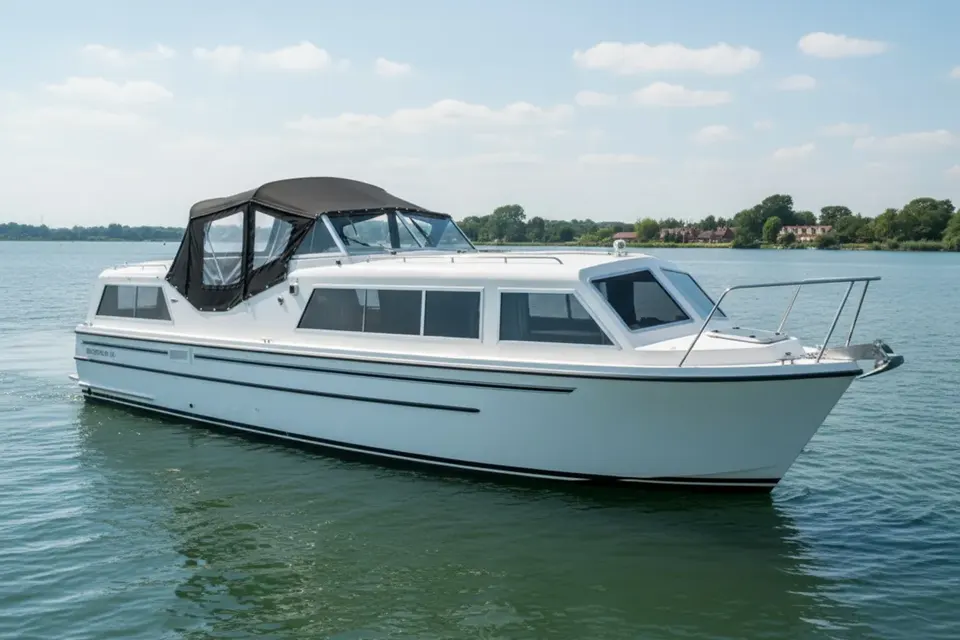
- Cabin Cruisers: Offering comfortable accommodation and versatility, cabin cruisers provide a perfect platform for extended cruising along the coast or into the inland waterways. Their expansive windows, upholstered cockpits, and often complex internal systems demand comprehensive protection from water ingress, UV damage to interiors, and the general wear and tear of outdoor exposure.
- Fishing Boats: From sturdy inshore day boats to more substantial vessels venturing further afield, fishing boats are workhorses built for purpose. However, their decks are often exposed to a constant cycle of salt water, fish slime, and the harsh sun, necessitating robust covers to protect sensitive electronics, deck fittings, and ensure a clean, dry workspace when not in use.
- Day Cruisers: These agile vessels, perfect for short excursions and enjoying the open water, often feature open cockpits and comfortable seating. While designed for enjoyment, their vulnerability to sudden downpours, strong sun, and salt spray means they too require tailored protection to maintain their upholstery, dashboards, and overall pristine condition.
- River Boats: Though Lowestoft is primarily coastal, its connection to the Broads means some river boats also call its waters home, or pass through. While perhaps less exposed to the full force of the open sea, they still contend with rain, UV, and debris, requiring covers that ensure their wooden brightwork, painted surfaces, and interior fabrics remain unblemished.
For every one of these cherished vessels, the North Sea poses a constant, corrosive threat. Protecting them isn't merely about aesthetics; it's about safeguarding performance, ensuring reliability, and preserving the significant investment and emotional attachment that comes with boat ownership.
The Unrelenting Gauntlet: Lowestoft's Coastal Weather Challenges
The beauty of Lowestoft's coastline is undeniable, but it comes hand-in-hand with a set of environmental conditions that are uniquely challenging for boat owners. The North Sea is a formidable neighbour, and its influence is felt keenly by every vessel moored or stored in the area.
Salt Spray: The Silent Corroder
Perhaps the most insidious of Lowestoft’s coastal challenges is salt spray. Carried on the wind, microscopic salt particles are deposited indiscriminately over every surface of a boat. The effects are far-reaching and destructive:
- Corrosion: Salt is a highly effective catalyst for corrosion. Metal fittings – cleats, hinges, stanchions, mast hardware, and all forms of fasteners – are relentlessly attacked, leading to rust on ferrous metals and pitting/galvanic corrosion on stainless steel and aluminium. Even ostensibly "marine-grade" metals will succumb over time without adequate protection.
- Degradation of Finishes: Gelcoat, paint, and varnish become dull, chalky, and develop a grittiness as salt crystals embed themselves into the surface. This not only detracts from the boat's appearance but also compromises the protective layer, making it more susceptible to further damage.
- Drying and Cracking: Salt draws moisture out of materials. Upholstery, rubber seals, and even some plastics can become brittle, cracking and fading prematurely. Wooden brightwork, if not meticulously maintained and protected, will dry out, leading to cracking and checking.
- Electrical Issues: Salt ingress into electrical connections can cause short circuits, intermittent failures, and general degradation of wiring and components, leading to costly repairs and potential safety hazards.
- Biological Growth: While not directly corrosive, salt deposits can create micro-environments that encourage mould and mildew growth, especially in damp, shaded areas, leading to unpleasant odours and unsightly stains.
Coastal Winds: The Constant Chafer and Destroyer
Lowestoft’s exposure to the North Sea means it is frequently buffeted by strong, persistent winds. While exhilarating for sailors, these winds pose significant threats to boats at anchor, in a berth, or on hardstanding:
- Chafing and Abrasion: Constant flapping of exposed covers, ropes, or even sails can lead to significant chafing against deck fittings, lifelines, or the boat itself. This can wear through materials, abrade gelcoat, and weaken mooring lines. Without a taut, well-fitting cover, the wind can lift and stress components, leading to structural fatigue.
- Debris Impact: Winds carry dust, grit, leaves, and other airborne debris. These particles can scratch surfaces, clog drains, and accumulate in crevices, fostering an environment for moisture and mildew. More significantly, larger wind-borne debris can cause impact damage to windows, deck gear, or the hull.
- Stress on Covers: A poorly fitted or flimsy cover becomes a sail itself in strong winds, flapping violently, tearing at its fastenings, and eventually disintegrating. This not only leaves the boat exposed but can also cause damage to the boat as the cover whips against it. A robust, custom-fitted cover is designed to withstand these forces, distributing stress evenly and remaining securely in place.
- Water Ingress: Wind-driven rain can penetrate even seemingly sealed areas, forcing water into cockpits, cabins, and storage lockers, leading to dampness, mould, and damage to interiors.
UV Exposure: The Invisible Degrader
While the UK may not be renowned for its perpetual sunshine, ultraviolet (UV) radiation is a constant, year-round threat, even on cloudy days. The cumulative effect of UV exposure on a boat is profound:
- Fading and Discoloration: Coloured gelcoats, painted surfaces, and especially upholstery fabrics will fade dramatically over time, losing their vibrancy and becoming dull. This is an irreversible process that diminishes the boat's aesthetic appeal and resale value.
- Material Degradation: UV radiation breaks down the molecular bonds in polymers, causing plastics to become brittle, chalky, and eventually crack. This affects anything from instrument covers and grab handles to deck hatches and window seals. Rubber components lose their elasticity and integrity, leading to leaks and failures.
- Gelcoat Chalking: The resin in gelcoat breaks down under UV light, rising to the surface as a fine, white powder. This "chalking" reduces the protective qualities of the gelcoat and requires intensive compounding and waxing to restore.
- Fabric Weakening: Synthetic fabrics used in sails, dinghies, ropes, and indeed, boat covers themselves, are susceptible to UV degradation, losing their strength and becoming prone to tearing and fraying.
Rain, Humidity, and Temperature Fluctuations: The Mould Makers
Beyond these primary threats, Lowestoft's weather brings its fair share of rain, often accompanied by high humidity. This creates ideal conditions for:
- Mould and Mildew: Damp, unventilated spaces – particularly inside cabins or under covers that trap moisture – become breeding grounds for mould and mildew. These not only look unsightly and smell musty but can also damage fabrics, wood, and contribute to respiratory issues.
- Water Ingress: Prolonged rain can find its way into the smallest cracks and poorly sealed areas, leading to water accumulation in bilges, saturation of cushions, and damage to sensitive electronics.
- Thermal Stress: Significant temperature swings between day and night, or seasons, cause materials to expand and contract. Over time, this stress can lead to cracking, weakening of adhesives, and general fatigue in various boat components.
Given these relentless environmental pressures, the notion that a boat can simply withstand Lowestoft's coastal conditions without adequate protection is a costly misconception. A high-quality boat cover is not an accessory; it is an absolute necessity for anyone serious about preserving their vessel.
More Than Just a "Sheet": The Indispensable Role of Boat Covers in Coastal Environments
For boat owners in Lowestoft, a well-fitted boat cover isn't a luxury; it's a strategic investment that pays dividends in longevity, reduced maintenance, and retained value. Its role extends far beyond simply keeping the rain out:
Preservation of Investment and Longevity: A boat, whether a sailing yacht, cabin cruiser, or fishing boat, represents a significant financial and emotional investment. A custom cover acts as a robust shield, protecting the gelcoat, paint, varnish, deck hardware, and interior upholstery from the corrosive effects of salt spray, the abrasive action of wind-borne grit, and the damaging rays of UV light. By mitigating these environmental attacks, the cover directly extends the lifespan of the vessel's components and structure, preventing premature wear and degradation.
Drastic Reduction in Maintenance: Imagine the hours saved not having to scrub off bird droppings, wash away salt residue, or meticulously clean mould and mildew from exposed surfaces. A good cover drastically reduces the frequency and intensity of cleaning required. It prevents the accumulation of leaves, dust, and industrial fallout, meaning less time spent on routine chores and more time enjoying the water. Furthermore, by preventing UV damage and water ingress, it reduces the need for costly repairs to upholstery, electronics, and wooden brightwork.
Maintaining Aesthetic Appeal: The visual appeal of a boat is a source of pride for its owner. Exposure to the elements quickly leads to fading, discolouration, and chalking of surfaces. A cover ensures that when the boat is uncovered, its vibrant colours, gleaming surfaces, and pristine interior are maintained, reflecting the care and attention of its owner and retaining its visual charm for years to come.
Interior Protection and Comfort: For cabin cruisers and sailing yachts with comfortable living spaces, water ingress and sun exposure are major concerns. A cover prevents rain from seeping through hatches or window seals, keeping interiors dry and preventing the dreaded musty smell of dampness. It also shields upholstery, wooden trim, and electronic dashboards from the relentless fading and cracking caused by UV radiation, ensuring that the interior remains as inviting and functional as the day it was bought.
Enhanced Security and Deterrence: While not a foolproof security measure, a boat under a cover presents a less inviting target for casual opportunist thieves. It hides valuable equipment, electronics, and personal belongings from view, acting as a deterrent. "Out of sight, out of mind" holds true, reducing the likelihood of attracting unwanted attention or petty vandalism.
Crucial for Winterisation and Storage: For many Lowestoft boat owners, the colder months necessitate either extended periods of mooring or hauling out for hardstanding storage. During these long periods of inactivity, a robust cover is absolutely essential. It protects against frost damage, persistent rain, accumulated snow, and the relentless coastal winds, ensuring the boat emerges from its winter slumber in the best possible condition, ready for the next season.
Tailored Protection for Specific Boat Types:
- Sailing Yachts: A comprehensive cover protects the entire deck, preventing water ingress around mast bases and deck fittings, shielding valuable teak or non-slip surfaces, and protecting the delicate rigging and electronics from salt and UV. A well-designed spray hood further protects the cockpit and companionway, extending the sailing season.
- UK Boat Covers makes covers for specific areas, including cockpit and tonneau covers, cratch covers and replacement canopy canvas. We do not make whole-boat or winter-storage covers, or supply or install supporting framework. Tell us which area needs covering before requesting a quote.
- Fishing Boats: Covers for fishing boats are critical for protecting sensitive navigation equipment, fish finders, and electronics from water damage and UV degradation, and keeping the deck clean and dry when not in use. Tonneau covers offer quick, effective cockpit protection.
- Day Cruisers & River Boats: These often feature open cockpits. Tonneau covers or bespoke canopies are essential for protecting comfortable seating, dashboards, and eliminating the need for constant bailing after rain.
In essence, a quality boat cover is an active partner in boat maintenance, working tirelessly 24/7 to combat the destructive forces of nature. For the Lowestoft boat owner, it ensures that their passion remains a source of joy, not a constant battle against the elements.
Tailored Protection: Understanding Different Cover Types for Lowestoft Boats
Effective boat protection in Lowestoft necessitates more than a generic solution; it demands tailored guardianship. Different vessels, and indeed different areas of the same vessel, require specific types of covers, each designed to address particular vulnerabilities and uses. UK Boat Covers specialises in understanding these nuances, offering bespoke solutions crafted from premium materials.
Full Canvas Covers: The Ultimate All-Weather Embrace
UK Boat Covers makes covers for specific areas, including cockpit and tonneau covers, cratch covers and replacement canopy canvas. We do not make whole-boat or winter-storage covers, or supply or install supporting framework. Tell us which area needs covering before requesting a quote.
- Purpose: To provide complete, head-to-toe protection from all environmental hazards: UV radiation, salt spray, heavy rain, wind-borne debris, bird droppings, and industrial fallout. They create a protective envelope that shields everything beneath them.
- Materials: Modern "canvas" covers are rarely made from traditional cotton canvas anymore. Instead, they are meticulously crafted from high-performance synthetic fabrics such as marine-grade acrylic canvas (like Sunbrella or equivalent) or robust coated polyester. These materials are chosen for their:
- UV Resistance: Preventing fading and degradation of the fabric itself, ensuring its longevity.
- Waterproof/Water-Repellent Properties: Keeping the boat absolutely dry, while still allowing for breathability.
- Mould and Mildew Resistance: Crucial in humid coastal environments.
- Exceptional Durability: Withstanding tearing, abrasion, and the rigours of wind exposure.
- Construction: Critical elements include:
- Custom Fit: A perfectly tailored cover is paramount. A loose cover flaps in the wind, causing chafing and tearing. A too-tight cover is difficult to fit and puts undue stress on seams. UK Boat Covers' unique service, using your old cover as a template, ensures an impeccable, snug fit.
- Reinforced Stress Points: Areas around cleats, stanchions, and stern fittings are reinforced with extra layers of material or robust stitching to prevent premature wear.
- Robust Fastenings: Heavy-duty marine-grade poppers, shock cords, or tie-down straps ensure the cover remains securely in place even in gale-force winds, preventing lifting and flapping.
- Ventilation: Often overlooked, adequate ventilation is vital to prevent condensation build-up underneath the cover, which can lead to mould and mildew. Integrated vents or breathable fabric panels are key design considerations.
- Ideal for: Any vessel requiring comprehensive, long-term protection, especially during winterisation, hardstanding storage, or extended periods afloat without use. This includes all sailing yachts, cabin cruisers, fishing boats, day cruisers, and river boats whose owners prioritise ultimate preservation.
Canopies: Extending the Comfort Zone
Canopies, often an extension of a boat's design, are semi-permanent structures providing overhead and sometimes side protection for specific areas, most commonly the cockpit.
- Purpose: To offer shade from the sun, protection from rain, and shelter from wind and spray, effectively extending the usable space of a boat's cockpit. They are essential for enhancing comfort during day trips, overnight stays, or simply relaxing at anchor.
- Materials: Similar high-quality marine-grade acrylic canvas or coated polyester fabrics are used, ensuring UV stability, water repellence, and durability. Clear window panels are made from marine-grade PVC or vinyl for optimal visibility and longevity.
- Construction: Canopies are typically supported by robust stainless steel frames. The fabric sections are meticulously sewn, often incorporating zips for modularity (e.g., removing side panels) and precise attachments to the frame and boat. Good tensioning systems are vital to prevent flapping and water pooling.
- Types:
- Bimini Tops: Offer overhead sun protection, often seen on cabin cruisers and day cruisers.
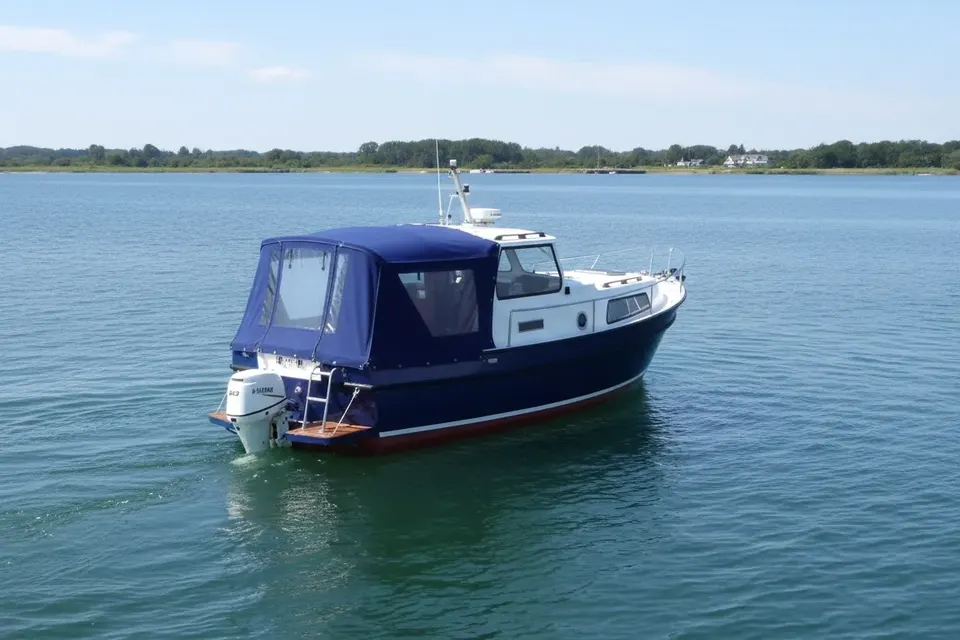
- Cockpit Canopies: Enclose the entire cockpit area, sometimes extending from a spray hood on a sailing yacht or over the helm on a cabin cruiser.
- Aft Canopies: Extending from the stern, providing shelter over the cockpit or deck area.
- Ideal for: Cabin cruisers and day cruisers where extending comfortable living or entertaining space outdoors is a priority. Also, certain fishing boats benefit from helm station canopies for protection during long hours on the water.
Tonneau Covers: Quick, Agile Cockpit Protection
Tonneau covers are specifically designed to cover the open cockpit area of smaller vessels, offering a quick and efficient protective solution.
- Purpose: To protect the interior of an open cockpit from rain, sun, dust, and debris. They are typically lighter and easier to deploy than full covers, making them ideal for day-to-day use or short-term mooring.
- Materials: High-grade coated polyester or lighter-weight acrylic canvases are commonly used, balancing durability with ease of handling.
- Construction: Tonneau covers are custom-fitted to the cockpit rim, secured by poppers, bungee cords, or straps. They are designed to shed water effectively, often with a slight crown or support system to prevent pooling. Reinforcement at stress points is crucial.
- Ideal for: Day cruisers, smaller fishing boats, and open river boats that require regular, quick access to the cockpit while still needing to protect upholstery, controls, and electronics from the elements between uses.
Spray Hoods: Sailing Yacht's Essential Shield
A spray hood is a vital piece of canvas work for any sailing yacht, designed specifically to protect the companionway and forward cockpit area.
- Purpose: To provide shelter from spray and wind, particularly when sailing upwind or in choppy conditions. It deflects waves and spray, keeping the companionway dry and significantly enhancing comfort for those in the cockpit, especially on longer passages or in colder weather. It also offers crucial UV protection for the companionway entrance and interior.
- Materials: Marine-grade acrylic canvas, renowned for its excellent UV resistance, water repellence, and ability to hold its shape. Clear vision panels are made from durable, clear marine vinyl.
- Construction: Spray hoods are mounted on robust stainless steel frames that typically hinge forward for access or fold down for storage. The fabric is expertly cut and sewn to fit the frame and the yacht’s cabin top, incorporating clear windows for visibility. Strong zips and fastenings secure it in place and allow for modular extensions like cockpit enclosures.
- Ideal for: All sailing yachts, from small cruisers to larger offshore vessels. A well-designed spray hood is considered an essential safety and comfort item, allowing sailors to extend their season and enjoy their time on the water more fully, even in typical North Sea conditions.
For Lowestoft boat owners, understanding these tailored options is the first step towards optimal protection. The next is finding a provider who can deliver these solutions with precision, quality, and convenience – a challenge met uniquely by UK Boat Covers.
Lowestoft's Maritime Hubs: Marinas and Harbours & Their Cover Needs
Lowestoft is fortunate to boast several key maritime hubs that serve its diverse boating community, each presenting unique considerations for boat cover selection and care.
Lowestoft Marina: Situated within the inner harbour, Lowestoft Marina offers a sheltered haven for a significant number of sailing yachts, cabin cruisers, and various day boats. While the inner harbour provides a degree of protection from the most ferocious offshore waves, it remains susceptible to the relentless salt spray carried on the wind, the intense UV radiation that penetrates even on cloudy days, and the general humidity and rainfall characteristic of the East Coast. Boats moored here, whether afloat or on hardstanding during winter, still require robust covers to shield them from these elemental forces. The sheer density of boats can also mean an increased risk of airborne debris and bird droppings, making covers even more essential for maintaining cleanliness and aesthetics.
Royal Norfolk & Suffolk Yacht Club (RNSYC): A historic institution, the RNSYC provides berths and facilities primarily for sailing yachts and some power cruisers. Its location, often exposed to the prevailing winds, means that boats here are particularly vulnerable to wind-driven spray and the constant chafe of lines and rigging. Sailing yachts, with their intricate deck layouts and expensive canvas (sails, dodgers, biminis), benefit immensely from full canvas covers, spray hoods, and even bespoke boom covers to protect their vital components. The club's focus on sailing underscores the need for covers that protect against UV degradation of sails and rigging, preserving performance and extending the life of these crucial elements.
Lowestoft Harbour (Commercial & Outer): While primarily a commercial port, parts of Lowestoft Harbour also accommodate fishing boats and some larger leisure craft. Vessels here are exposed to the full, unfiltered force of the North Sea's elements. The heavy traffic and industrial environment also contribute to airborne pollutants that can settle on boat surfaces, requiring comprehensive protection. Fishing boats, in particular, need durable covers to protect their electronics, deck gear, and keep their workspaces clean and dry when not actively fishing.
Implications for Cover Selection:
- Afloat Mooring: Boats continuously moored afloat require covers that are exceptionally durable, perfectly fitted to withstand wind stress without chafing, and designed for efficient water runoff to prevent pooling. Ventilation is crucial to combat mould and mildew in a constantly humid environment. Full canvas covers, coupled with spray hoods for yachts or canopies for cruisers, are essential.
- Hardstanding Storage: For vessels hauled out for winter or extended periods, covers are arguably even more critical. They protect against frost, prolonged rain and snow accumulation, and continued UV exposure, which can be even more intense when not being regularly washed by fresh seawater. Hardstanding boats are often left unattended for longer, making comprehensive, robust protection non-negotiable.
Regardless of where a boat is based in Lowestoft, the common denominator is the need for uncompromising protection against a suite of environmental challenges. Generic, ill-fitting covers are simply not up to the task; they flap, chafe, allow water ingress, and ultimately fail, leaving the vessel exposed. This is precisely why a bespoke, high-quality solution is paramount.
The Modern Solution: UK Boat Covers' Bespoke Service for Lowestoft
The challenge for boat owners in Lowestoft, as in many coastal communities, has always been finding a boat cover that is not only robust and effective but also fits perfectly. A truly custom-fitted cover offers superior protection, prevents chafing, and vastly outperforms any off-the-shelf alternative. Historically, achieving this custom fit involved lengthy site visits, template making, and significant lead times. UK Boat Covers has revolutionised this process, offering an ingenious, convenient, and cost-effective solution tailored for the modern boat owner.
The postal service with agreed dispatch timing: From Old to New, Flawlessly Fitted
The cornerstone of UK Boat Covers' unique offering is their innovative postal service with agreed dispatch timing. This process eliminates the need for expensive and time-consuming on-site measurements, which are often impractical for many boat owners, especially those with busy schedules or boats moored in hard-to-reach locations.
Here’s how it works:
- You Send Your Old Cover: The boat owner carefully removes their existing cover, however worn or damaged it may be, and posts it to UK Boat Covers. This old cover, even if it's tattered, serves as the ultimate, most accurate template for the new one. It carries the exact dimensions, curves, cut-outs for fittings (cleats, stanchions, mast), and fastening points that are unique to that specific boat.
- Precision Replication: Upon receipt, UK Boat Covers' skilled craftspeople meticulously deconstruct the old cover, digitally scan its precise contours, and use this data to create a perfect pattern. They apply their expertise to refine any areas where the old cover may have sagged, chafed, or failed, improving the design where necessary while maintaining the bespoke fit.
- Crafting the New Cover: The new cover is then expertly cut from premium marine-grade materials – whether it’s a high-performance acrylic canvas for a sailing yacht's full cover or a robust coated polyester for a cabin cruiser's canopy. The material choice is based on the specific needs of the boat and the owner's preference for durability, UV resistance, and water repellence. State-of-the-art sewing techniques and robust, UV-resistant thread are used to ensure maximum strength and longevity. All stress points are reinforced, and high-quality fastenings (snaps, buckles, elasticised hems) are integrated.
- Rapid Dispatch: Incredibly, within just an agreed dispatch timeframe of receiving the old cover, the brand-new, custom-fitted cover is crafted and dispatched back to the boat owner. This rapid turnaround minimises the time the boat is left exposed and allows for quick restoration of protection.
- Perfect Fit, Unparalleled Protection: The result is a new cover that fits like a glove. Because it's an exact replica of the original (with potential improvements), there's no guesswork, no sag, no flapping, and no compromise on protection. This bespoke fit is critical for Lowestoft boats facing the North Sea's challenges, ensuring maximum defence against wind, rain, salt, and UV.
This service is a game-changer for Lowestoft boat owners. It offers the precision of a tailor-made solution with the convenience and speed of a mail-order service. Whether it's a full canvas cover for a fishing boat, a bespoke canopy for a day cruiser, a tonneau cover for a river boat, or a new spray hood for a sailing yacht, the an agreed dispatch timeframe service ensures that every vessel receives the exact protection it needs, without the hassle.
No VAT Pricing Advantage: Quality Protection, More Accessible
Another significant advantage offered by UK Boat Covers is their "No VAT" pricing structure. This isn't just a small discount; it represents a substantial saving for boat owners, making premium, custom-fitted protection more accessible and affordable.
- UK Boat Covers is not VAT-registered; no VAT is added to the agreed quote. By operating under a "No VAT" model (which implies they are below the VAT threshold, often a characteristic of smaller, highly specialised businesses), UK Boat Covers can pass on this considerable saving directly to their customers.
- Enhanced Value Proposition: When combined with the bespoke quality and the convenience of the postal service with agreed dispatch timing, the "No VAT" pricing creates an unparalleled value proposition. Boat owners in Lowestoft can acquire a top-tier, custom-made cover – a vital investment in their boat's longevity and aesthetics – at a price point that is often more competitive than mass-produced, inferior alternatives that may not even fit correctly.
- Making Quality Affordable: This pricing strategy democratises access to high-quality boat covers. It allows more boat owners to choose superior materials and expert craftsmanship, rather than compromising on cheaper, less effective options that ultimately cost more in the long run through premature wear and damage to the boat.
For the Lowestoft boat owner, UK Boat Covers offers a powerful combination: a precisely tailored solution for their specific vessel, crafted from the finest marine-grade materials, delivered with remarkable speed, and all at a price that reflects exceptional value due to the "No VAT" advantage. It's a modern, intelligent approach to a timeless need – protecting cherished vessels from the relentless embrace of the North Sea.
Conclusion: Safeguarding Lowestoft's Maritime Heritage
Lowestoft, with its proud maritime legacy and its cherished fleet of sailing yachts, cabin cruisers, fishing boats, day cruisers, and river boats, stands as a testament to the enduring human connection with the water. Yet, this very connection brings with it the formidable challenges of the North Sea – the corrosive bite of salt spray, the relentless force of coastal winds, and the insidious degradation of UV radiation. These aren't minor inconveniences; they are potent forces that tirelessly work to diminish a boat's beauty, compromise its integrity, and erode its value.
In this challenging environment, a high-quality, custom-fitted boat cover transcends the definition of a mere accessory. It becomes an indispensable guardian, a tireless protector against the elements. Whether it’s a comprehensive canvas cover shielding a sailing yacht from top to bottom, a robust canopy extending the usable space of a cabin cruiser's cockpit, a practical tonneau cover safeguarding a day cruiser’s interior, or a resilient spray hood offering sanctuary on a fishing boat, the right cover is an investment that pays dividends in longevity, reduced maintenance, and retained pride of ownership.
UK Boat Covers stands as a beacon for Lowestoft boat owners seeking unparalleled protection. Their innovative postal service with agreed dispatch timing, allowing a perfect, custom fit by using an old cover as a template, removes all the guesswork and inconvenience of traditional methods. Coupled with the significant cost advantage of their No VAT pricing, they offer a solution that is not only superior in quality and precision but also remarkably accessible.
For the boat owners of Lowestoft, protecting their cherished vessels from the North Sea's unrelenting embrace is not just a practical concern; it's an act of dedication. With UK Boat Covers, they can rest assured that their beloved boats, whether moored in the vibrant marina, nestled within the Royal Norfolk & Suffolk Yacht Club, or secured in the historic harbour, are defended by the very best – ready to sail, cruise, or fish another day, their beauty and integrity preserved against all odds.