Guardians of the Estuary: Protecting Harwich's Maritime Treasures from the North Sea's Embrace
Harwich, perched proudly at the confluence of the Rivers Stour and Orwell, gazing out towards the formidable North Sea, is more than just a historic port town; it is a vibrant crucible of maritime activity. For centuries, its strategic location on the East Coast of the UK has cemented its reputation as a gateway to the continent and a sanctuary for seafaring vessels. Today, this tradition continues, with its waters gracefully navigated by an eclectic fleet of sailing yachts, robust cabin cruisers, agile day cruisers, and hardy fishing boats, all drawn to the unique charm and challenges of this estuarial landscape.
However, the very elements that make Harwich such an alluring boating destination also conspire to pose a relentless threat to these cherished craft. The invigorating tang of salt spray, the persistent scour of coastal winds, and the insidious fading power of the sun’s UV rays are not merely atmospheric details; they are formidable adversaries, constantly at work eroding, corroding, and degrading every exposed surface. It is in this relentless battle against the elements that a truly essential piece of maritime equipment emerges as the unsung hero: the boat cover. Far from being a mere accessory, a quality boat cover, be it a canvas cover, a protective canopy, a snug tonneau cover, or a steadfast spray hood, is the first and most critical line of defence, a guardian ensuring the longevity, pristine condition, and enduring value of Harwich's beloved vessels.
This comprehensive article delves into the specific environmental challenges faced by boat owners in Harwich, elucidates why a robust boat cover is not merely advisable but indispensable in this coastal setting, explores the popular vessel types that grace these waters, and offers invaluable insights into local marina life. Crucially, it highlights the specialist services of UK Boat Covers, a company dedicated to providing bespoke protection, featuring their innovative postal service with agreed dispatch timing and the significant advantage of their no-VAT pricing for eligible customers – a testament to tailored craftsmanship meeting practical convenience for the discerning Harwich boater.
Harwich: A Coastal Gem and Its Maritime Soul
Harwich's narrative is inextricably linked with the sea. From its days as a significant naval base and packet station to its present-day role as an international ferry port and a bustling hub for leisure boating, the town has always embraced its maritime identity. Nestled within the sheltered expanse where the Stour and Orwell estuaries converge before spilling into the North Sea, Harwich offers an intriguing blend of sheltered waters for gentler cruising and immediate access to more adventurous coastal passages.
The waters surrounding Harwich are particularly popular with:
- Sailing Yachts: From sleek racing vessels to comfortable cruising yachts, sailing is a way of life here. The estuaries offer superb sailing grounds, and the open sea provides access to challenging North Sea voyages or leisurely coastal hops. Their intricate rigging, extensive deck gear, and finely finished hulls demand meticulous protection.
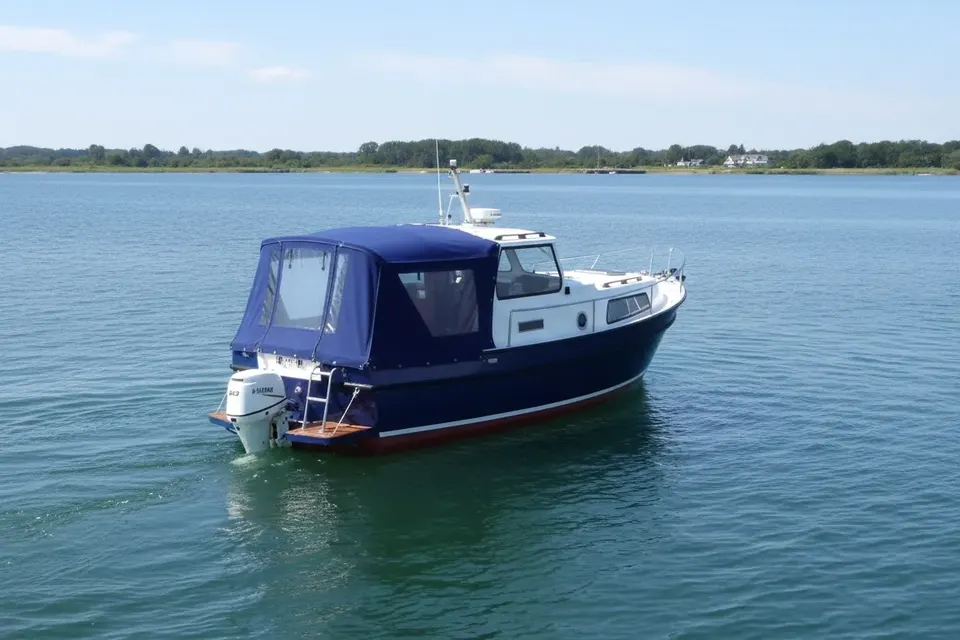
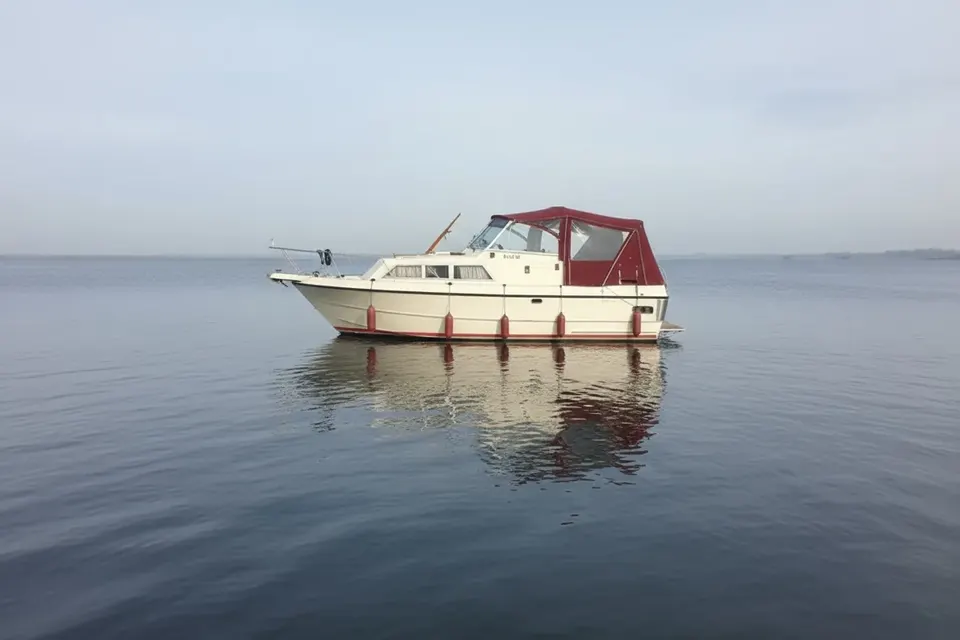
- Cabin Cruisers: These versatile vessels, offering comfort and capability for longer trips, are frequently seen navigating the estuaries and venturing further afield. Their expansive cockpits, interior cabins, and often complex helm stations require robust shielding from the elements.
- Day Cruisers: Perfect for exploring the local waterways, fishing, or simply enjoying a sunny afternoon on the water. While often smaller, their open design makes them highly susceptible to weather damage if left uncovered.
- Fishing Boats: From small, open craft to more substantial vessels, fishing is a popular pastime and profession here. Their working decks and often exposed equipment benefit immensely from comprehensive protection.
- River Boats: Though Harwich sits at the mouth, the connected Stour and Orwell rivers extend inland, hosting various river boats that may also seek storage or maintenance facilities closer to the coast, requiring similar protective measures.
These vessels, representing significant investments of time, passion, and capital, are constantly exposed to the unique, often punishing, climatic conditions that define the East Coast.
The Unforgiving Embrace of Harwich's Coastal Weather
The East Coast of the UK, and Harwich in particular, experiences a specific combination of meteorological challenges that place immense stress on boats. These are not merely inconveniences; they are active agents of degradation, demanding a proactive approach to protection.
1. The Corrosive Scour of Salt Spray
Salt spray is arguably the most insidious and pervasive threat to any boat moored or berthed in Harwich. It originates from the constant agitation of seawater by wind and waves, creating a fine aerosol of microscopic salt particles that become airborne. The prevailing easterly and north-easterly winds frequently carry this corrosive mist inland, blanketing boats with an invisible, yet highly damaging, residue.
- Mechanism of Damage: When salt particles land on surfaces, they attract and retain moisture from the atmosphere. This creates a highly conductive electrolyte layer, accelerating electrochemical corrosion processes. For metals, this means rust on steel components, pitting on stainless steel, and galvanic corrosion on dissimilar metals. For fabrics, salt crystals abrade fibres and break down waterproofing.
- Impact on Sailing Yachts: Ropes and rigging absorb salt, making them stiff and reducing their lifespan. Stainless steel fittings, mast components, and deck hardware are constantly challenged by corrosion, leading to weakened structures and unsightly stains. Sails, even when furled, are exposed to salt-laden air, which can degrade their fibres and stitching.
- Impact on Cabin Cruisers and Day Cruisers: Helm stations, navigation equipment, railings, cleating, and external brightwork are all vulnerable. Salt spray leaves an unsightly, sticky film that attracts dirt and, if left unchecked, can lead to permanent etching and discolouration of gelcoat and painted surfaces. Electrical connections and components are particularly susceptible to salt-induced short-circuits and corrosion, leading to system failures.
- Impact on Fishing Boats: Given their working nature, fishing boats often have exposed winches, fairleads, and other metal components that are constantly doused in spray, making comprehensive protection even more critical.
2. The Relentless Force of Coastal Winds
Harwich, facing the North Sea, is no stranger to strong, persistent winds. Gales and strong breezes are frequent visitors, especially during autumn and winter, but even summer squalls can pack a punch. These winds, often carrying driving rain and more salt spray, inflict both direct and indirect damage.
- Direct Physical Damage: Unsecured covers can chafe against boat surfaces, leading to wear on both the cover and the boat’s finish. Loose flapping covers can tear, and if they catch the wind violently, they can dislodge items from the deck or even inflict structural stress on the boat itself. Exposed sails (even if furled), rigging, and canvas work on sailing yachts are particularly vulnerable to wind-induced chafe and fatigue.
- Chafing and Abrasion: The constant movement of poorly fitted covers against stanchions, cleats, and other deck fittings causes abrasive wear. This can lead to holes in the cover and unsightly marks on the boat's surfaces.
- Wind-Driven Rain: Strong winds transform rain into a horizontal assault, capable of penetrating small gaps and crevices that would typically repel vertical rainfall. This can lead to damp interiors, mildew growth, and damage to upholstery and wooden furnishings within cabins, especially on cabin cruisers and yachts.
- Stress on Covers Themselves: Even the best covers are subject to stress from high winds. Quality materials and robust stitching are paramount to ensure the cover itself can withstand these forces without tearing or failing at attachment points.
3. The Insidious Power of UV Exposure
Even on cloudy days, and certainly during the brighter months, ultraviolet (UV) radiation from the sun is a potent destructive force. Water, being highly reflective, intensifies UV exposure on boats, effectively "double-dosing" surfaces with harmful rays.
Degradation of Materials:
- Gelcoat and Paint: UV radiation breaks down the molecular bonds in pigments and resins, leading to fading, chalking (a powdery residue), and eventual cracking of the boat's exterior finish. This is particularly noticeable on darker colours and can significantly diminish a boat’s aesthetic appeal and resale value.
- Plastics and Rubbers: Exposed plastic components (e.g., hatches, instrument covers, vinyl upholstery, fender materials) become brittle, discoloured, and prone to cracking. Rubber seals harden and lose their elasticity, compromising their sealing function.
- Fabrics and Stitching: Canvas, ropes, and sails suffer from UV degradation, leading to weakened fibres, fading colours, and reduced tensile strength. Crucially, the polyester or nylon threads used for stitching on existing covers, canopies, and upholstery are highly susceptible to UV, often degrading long before the fabric itself. This leads to seams bursting, covers falling apart, and canopies sagging.
- Woodwork: Unprotected wooden surfaces on sailing yachts and cabin cruisers will grey, crack, and delaminate under constant UV assault, requiring frequent and costly re-varnishing or oiling.
Interior Damage: For cabin cruisers and sailing yachts with interior spaces, UV rays can penetrate windows, fading upholstery, carpets, and damaging wooden trim inside the cabin, leading to irreversible aesthetic and structural damage.
Beyond these primary threats, Harwich's coastal environment also brings dampness, leading to mildew and mould growth in unventilated spaces; bird droppings, which are highly corrosive; and general atmospheric grime, all of which contribute to accelerated wear and increased maintenance burdens.
Why Boat Covers Are Not a Luxury, But an Essential for Harwich's Vessels
Given the relentless onslaught of salt spray, coastal winds, and UV radiation, it becomes unequivocally clear that a high-quality boat cover is not an optional extra but a fundamental necessity for any vessel moored or berthed in Harwich. It serves as the primary shield, providing multi-faceted protection that extends far beyond mere cosmetic preservation.
Comprehensive Environmental Defence: The most direct benefit is the physical barrier a cover provides. It acts as an impenetrable shield against salt spray, preventing corrosive deposits from settling on deck hardware, rigging, and gelcoat. It deflects wind-driven rain, keeping cockpits and interiors dry. It blocks almost all harmful UV radiation, protecting surfaces, fabrics, and plastics from fading, chalking, and embrittlement. For sailing yachts, it protects delicate rigging, sails, and deck instruments. For cabin cruisers, it guards expansive deck areas, helms, and often intricate external features. Day cruisers and fishing boats benefit by having their open cockpits and fishing gear protected from the elements.
Preservation of Value and Aesthetics: A boat, whether a sailing yacht or a cabin cruiser, represents a significant investment. Constant exposure to the elements rapidly diminishes its appearance and structural integrity. A well-fitted cover preserves the boat’s pristine condition, preventing unsightly stains, fading, and degradation. This meticulous care is crucial for maintaining the boat’s resale value, ensuring that your passion project remains a sound financial asset. It helps to keep the gelcoat vibrant, the brightwork gleaming, and the interior fabrics fresh.
Significant Reduction in Maintenance and Cleaning: Imagine the time saved not having to regularly scrub off salt crusts, bird droppings, or pollen. A covered boat requires substantially less frequent cleaning and less intensive maintenance. Without a cover, salt deposits need constant rinsing, UV damage requires compounding and polishing, and rain-induced mildew necessitates deep cleaning. By preventing these issues, covers free up valuable time that can be spent enjoying your boat on the water, rather than endlessly working on it in the marina. This applies equally to the internal elements of cabin cruisers and sailing yachts – keeping the interior dry and clean, ready for the next adventure.
UK Boat Covers makes covers for specific areas, including cockpit and tonneau covers, cratch covers and replacement canopy canvas. We do not make whole-boat or winter-storage covers, or supply or install supporting framework. Tell us which area needs covering before requesting a quote.
Extended Lifespan of Components and Materials: Every component on a boat, from ropes and canvas to electronics and upholstery, has a finite lifespan. Exposure to Harwich's harsh coastal environment significantly accelerates this degradation. A quality cover mitigates this by shielding these components from the primary causes of wear and tear, effectively extending their functional life. This translates into fewer replacements, less frequent repairs, and substantial long-term cost savings. This is especially true for the sensitive electronics found on modern cabin cruisers and the intricate rigging of sailing yachts.
Readiness for the Next Adventure: There’s nothing more frustrating than arriving at your boat, eager for a day on the water, only to find the cockpit full of rainwater, the seats covered in bird droppings, or the interior damp and mildewed. A cover ensures your boat, particularly a cabin cruiser or day cruiser, remains clean, dry, and ready for immediate use, allowing you to maximise your precious time on the water.
In essence, a boat cover is an investment that pays dividends in protection, preservation, and peace of mind. It safeguards your boat from the relentless elements, ensuring it remains a source of joy and pride for years to come in the unique maritime environment of Harwich.
Navigating Harwich: Marinas and Mooring Options
Harwich and its immediate vicinity offer a range of mooring and marina facilities catering to the diverse fleet of sailing yachts, cabin cruisers, and other leisure craft. Understanding these options is crucial, as the type of mooring can influence the most appropriate type of boat cover required.
While Harwich International Port focuses on commercial shipping, several excellent facilities cater to recreational boaters:
- Harwich Town Sailing Club: A vibrant club deeply rooted in the local community, offering moorings and shore-side facilities. Their members often comprise a mix of sailing yachts and smaller day cruisers.
- Shotley Marina (across the Stour estuary): Located on the Suffolk side of the Stour, Shotley is a very popular, well-appointed marina providing extensive pontoon berths with full facilities. It’s a common base for many Harwich boaters, offering easy access to both estuaries and the North Sea. It hosts a wide array of sailing yachts and cabin cruisers.
- Suffolk Yacht Harbour (Levington, River Orwell): Further up the Orwell, this is another premier marina with comprehensive services, often housing larger sailing yachts and more substantial cabin cruisers.
- Walton & Frinton Yacht Club (further south): While a bit further down the coast, it’s part of the broader sailing community accessed from the Harwich area, offering a more traditional club environment.
Moorings typically available include:
- Pontoon Berths: The most convenient, offering direct access to shore power and water. Boats here are often exposed to wind and sun from all sides, making full-length covers, cockpit covers, or canopies essential.
- Swing Moorings: Out in the river or estuary, these moorings allow the boat to swing with the wind and tide. Here, boats are fully exposed to all elements, necessitating robust, perfectly fitted covers that can withstand constant motion and the full force of the weather.
- Drying Moorings: Some areas, particularly for smaller day cruisers and fishing boats, may have drying moorings where the boat sits on the mud or sand at low tide. This environment still requires covers to protect against sun, rain, and bird droppings.
- UK Boat Covers makes covers for specific areas, including cockpit and tonneau covers, cratch covers and replacement canopy canvas. We do not make whole-boat or winter-storage covers, or supply or install supporting framework. Tell us which area needs covering before requesting a quote.
Regardless of whether a sailing yacht is bobbing on a swing mooring, a cabin cruiser is nestled in a pontoon berth, or a day cruiser is stored ashore, the need for effective, durable covers remains constant. The choice of cover type is often dictated by the boat's design, its usage, and its specific mooring conditions within the Harwich area.
The Anatomy of Protection: Popular Cover Types for Harwich Boats
The varied fleet at Harwich demands a range of tailored protection solutions. Modern boat covers, canopies, tonneau covers, and spray hoods are sophisticated pieces of marine canvas work, designed to withstand the harshest conditions while complementing the boat's aesthetics and functionality.
1. Canvas Covers (General Term)
This umbrella term refers to covers made from high-performance marine fabrics, primarily acrylic canvas or coated polyester.
- Materials:
- Acrylic Canvas (e.g., Sunbrella®): Renowned for its exceptional UV resistance, colourfastness, breathability, and water repellency. It resists mildew and is highly durable. Ideal for prolonged outdoor exposure, crucial for Harwich.
- Coated Polyester: Often lighter and more economical, but still offers good water resistance and UV protection. Important to select marine-grade variants to ensure longevity in a coastal environment.
- UK Boat Covers makes covers for specific areas, including cockpit and tonneau covers, cratch covers and replacement canopy canvas. We do not make whole-boat or winter-storage covers, or supply or install supporting framework. Tell us which area needs covering before requesting a quote.
- Application: Essential for sailing yachts to protect their decks and cabins, cabin cruisers for covering their entire external area, and day cruisers/fishing boats for comprehensive protection.
2. Canopies
Canopies are frame-supported structures, offering overhead protection and often expanding the usable space on a boat. They are particularly popular on cabin cruisers, larger day cruisers, and some sailing yachts.
- Types:
- Bimini Tops: Simple, folding canvas frames that provide shade over a cockpit or helm station. Essential for sun protection during Harwich's summer days, enhancing comfort.
- Enclosures: Extend bimini tops with side and aft curtains, often featuring clear windows (e.g., clear vinyl). These create a fully enclosed space, offering excellent protection from wind, rain, and spray, effectively extending the cruising season for cabin cruisers and creating an additional 'room' on sailing yachts.
- Cockpit Canopies: Custom-designed to fit over the entire cockpit area, these often incorporate clear panels and ventilation options, offering a dry and protected space while maintaining visibility.
- Benefits: Provides shade, shelter from rain and wind, and significantly enhances comfort. For cabin cruisers, a well-designed canopy or enclosure can effectively double the usable living space in various weather conditions.
3. Tonneau Covers
Tonneau covers are taut, often flat-fitting covers that typically secure over an open cockpit area, from the transom forward. They are very common on smaller day cruisers and open fishing boats, but can also be used on the aft cockpits of some cabin cruisers.
- Design: Characterised by their snug fit, often secured with press studs, bungee cords, or a rope lacing system. They usually follow the sheer line of the boat.
- Benefits: Excellent for keeping rain, dirt, and debris out of an open cockpit. Their low profile makes them streamlined for trailering (if applicable for smaller vessels) and efficient for storage. They effectively protect seating, dashboards, and internal components from sun and rain damage. They also provide a clean aesthetic when the boat is not in use.
- Application: Ideal for protecting the exposed areas of day cruisers and fishing boats, particularly when moored or stored.
4. Spray Hoods (Dodgers)
A quintessential feature of most sailing yachts, a spray hood (or dodger) is a forward-mounted, semi-rigid canvas structure, usually positioned over the companionway.
- Design: Typically supported by a stainless steel frame, it incorporates clear vinyl windows forward and often on the sides, providing visibility.
- Benefits:
- Spray Deflection: Crucially, it deflects spray and breaking waves away from the cockpit, keeping the crew drier and more comfortable, particularly when beating to windward in Harwich's often choppy waters.
- Wind and Rain Shelter: Offers significant shelter from wind and rain, making the cockpit a much more hospitable place in adverse weather.
- Instrument Protection: Shields navigation instruments and compasses from direct sun and spray, extending their lifespan.
- Handhold: The frame often provides a secure handhold when moving around the cockpit.
- Companionway Protection: Protects the companionway entrance, preventing water ingress into the cabin.
- Application: An indispensable element for any sailing yacht operating in coastal waters, ensuring comfort and safety for the crew.
Critical Considerations for Harwich Boat Covers:
- Perfect Fit: A poorly fitting cover is worse than no cover. It will chafe, flap, hold water, and fail prematurely. Bespoke covers are essential to achieve a tight, secure fit that can withstand Harwich's winds.
- UV Resistant Thread: The stitching is often the first part of a cover to fail due to UV degradation. High-quality UV-resistant thread (e.g., Tenara® PTFE thread) is a non-negotiable feature for longevity in a high-UV environment.
- Robust Fastenings: Strong, corrosion-resistant fastenings (press studs, turnbuckles, bungee loops) are vital to keep the cover securely attached in strong winds.
- UK Boat Covers makes covers for specific areas, including cockpit and tonneau covers, cratch covers and replacement canopy canvas. We do not make whole-boat or winter-storage covers, or supply or install supporting framework. Tell us which area needs covering before requesting a quote.
By selecting the right type of cover, crafted from marine-grade materials and precisely fitted, Harwich boat owners can provide their vessels with the ultimate protection against the East Coast's challenging environment.
UK Boat Covers: Tailored Protection with a Unique Service
When investing in a boat cover for a vessel in Harwich, quality, durability, and a perfect fit are paramount. Generic, off-the-shelf solutions rarely provide the comprehensive protection needed for a coastal environment. This is where specialists like UK Boat Covers excel, offering tailored solutions backed by an innovative service model designed specifically for the discerning boater.
UK Boat Covers understands the unique demands placed on marine canvas by environments like Harwich. They focus on crafting high-quality, durable covers, canopies, tonneau covers, and spray hoods using premium marine-grade materials designed to withstand salt, wind, and UV radiation. Their expertise ensures that every seam is reinforced, every fastening is secure, and every curve is precisely matched to your boat's contours.
The Revolutionary postal service with agreed dispatch timing:
One of UK Boat Covers' most compelling advantages for Harwich boaters is their unique postal service with agreed dispatch timing. This innovative approach simplifies the process of replacing an existing cover, offering unparalleled convenience and accuracy:
- Send Your Old Cover: The process begins with you carefully removing your existing, worn-out cover, canopy, tonneau cover, or spray hood and sending it to UK Boat Covers. This old cover, despite its condition, serves as the ultimate template.
- Precision Replication: Upon receipt, their skilled artisans meticulously use your old cover as a pattern. This ensures that the new cover will be an exact replica in terms of fit, dimensions, and attachment points. This eliminates the need for on-site measuring, which can be logistically challenging for boat owners in Harwich who might be hundreds of miles from a specialist canvas workshop.
- Rapid Manufacturing: Leveraging efficient processes and dedicated craftsmanship, UK Boat Covers commits to manufacturing your brand-new, bespoke cover within a swift dispatch timing agreed before ordering from receiving your old cover. This minimises the time your boat is left unprotected.
- Receive Your New Cover: Once complete, your new cover is promptly despatched back to you in Harwich, ready for immediate fitting.
Advantages for Harwich Boaters:
- Unmatched Convenience: No need to transport your boat or arrange for a canvas maker to visit the marina. The entire process is handled remotely.
- Fit subject to assessment: By using the existing cover as a template, the new cover is subject to a fit assessment perfectly, avoiding the common pitfalls of measurements taken from diagrams or general templates. This is vital for resisting Harwich's strong winds and preventing water ingress.
- Speed and Efficiency: A dispatch timing agreed before ordering means your sailing yacht, cabin cruiser, or day cruiser is not left exposed for an extended period, protecting it quickly from the elements.
- Cost-Effective: Eliminates travel costs and time associated with traditional custom cover fittings.
No VAT Pricing Advantage:
In addition to their exceptional service, UK Boat Covers offers a significant financial benefit: no-VAT pricing for eligible customers. While the specifics of VAT exemption can vary based on customer location or specific export rules, for those who qualify, this can represent a substantial saving on the cost of a high-quality, custom-made boat cover. This competitive pricing strategy, combined with their premium products and services, makes UK Boat Covers an attractive option for boat owners in Harwich looking for maximum value without compromising on quality. It means a premium product at a potentially more accessible price point, enhancing the investment in protecting your boat.
Conclusion: Investing in Peace of Mind at Harwich
Harwich, with its rich maritime history and its undeniable allure for sailing yachts, cabin cruisers, day cruisers, and fishing boats, presents a unique and beautiful environment for boating enthusiasts. Yet, it is an environment that constantly challenges the integrity of these cherished vessels. The relentless salt spray, the persistent coastal winds, and the pervasive UV radiation are not merely abstract meteorological phenomena; they are tangible threats that demand proactive, robust protection.
A high-quality boat cover – be it a protective canvas cover, a versatile canopy, a snug tonneau cover, or a steadfast spray hood – is therefore not a luxury, but an absolute necessity for any boat owner in Harwich. It is the unwavering guardian that shields your investment from the elements, preserves its aesthetic appeal, reduces maintenance burdens, and extends its lifespan, ensuring that every moment spent on the water is one of pure enjoyment and not a future chore.
For the discerning Harwich boater, seeking unparalleled protection with convenience and value, UK Boat Covers offers an exceptional solution. Their commitment to crafting bespoke covers from the finest marine-grade materials, coupled with their innovative postal service with agreed dispatch timing and the significant advantage of no-VAT pricing for eligible customers, provides a unique and compelling proposition. By choosing a specialist like UK Boat Covers, you're not just purchasing a piece of canvas; you're investing in peace of mind, securing the longevity and enduring beauty of your vessel, allowing it to continue gracing the historic waters of Harwich for many years to come, safely nestled under its steadfast guardian.