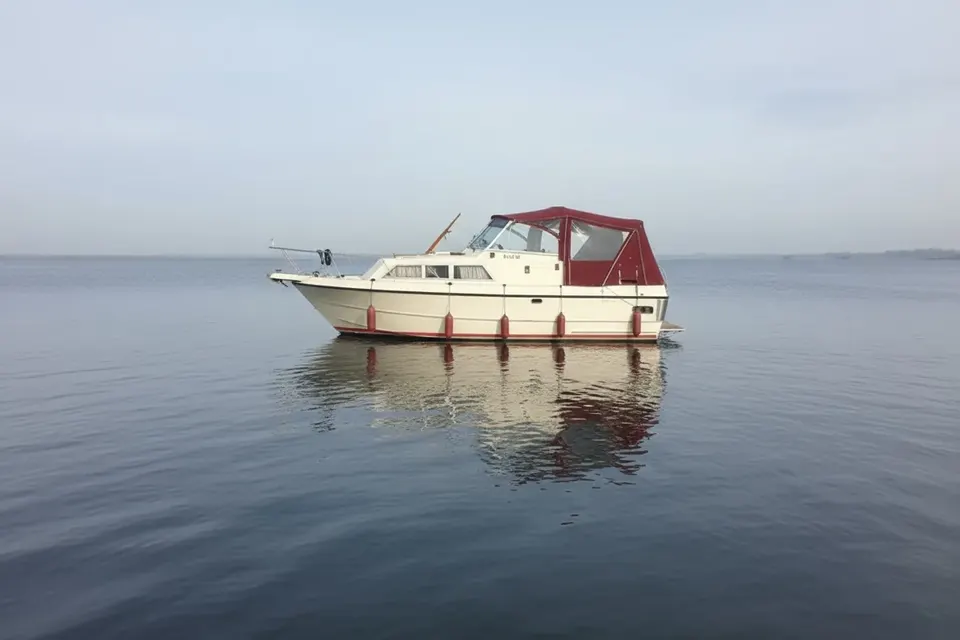
Defending Your Deck: Essential Boat Covers for Whitstable's Coastal Crucible
Whitstable, with its iconic oyster beds, colourful beach huts, and a harbour teeming with maritime life, embodies the quintessential charm of the English coast. Nestled on the East Kent shoreline, it's a vibrant hub for seafaring enthusiasts, a picturesque tableau where the salty tang of the air is as much a part of the identity as the gentle lapping of waves against hulls. Yet, beneath this idyllic facade lies a relentless natural adversary: the harsh coastal environment. For the proud owners of sailing yachts, cabin cruisers, fishing boats, river boats, and day cruisers that call Whitstable's waters home, protecting their cherished vessels from the ceaseless onslaught of the elements is not merely a choice but a critical necessity.
In this comprehensive guide, we delve into the unique challenges posed by Whitstable's maritime climate and explore why high-quality boat covers – from robust canvas covers and protective canopies to snug tonneau covers and indispensable spray hoods – are the ultimate guardians of your vessel. We'll also examine how a specialised service, like UK Boat Covers, offers a uniquely convenient and cost-effective solution for Whitstable's discerning mariners, marrying bespoke protection with an unparalleled logistical advantage.
Whitstable's Maritime Canvas: A Unique Environmental Crucible
The East Coast of the UK is renowned for its specific weather patterns, and Whitstable is no exception. Its exposed position means boats are constantly battling a triumvirate of destructive forces: relentless salt spray, unforgiving coastal winds, and pervasive UV radiation. Understanding these adversaries is the first step towards effective protection.
Salt Spray's Relentless Assault
Imagine a microscopic, corrosive rain that never truly ceases. That’s the reality of salt spray in a coastal town like Whitstable. Carried inland on even a gentle breeze, sea salt is highly hygroscopic, meaning it attracts and retains moisture. This perpetual dampness creates an ideal environment for corrosion on metal fittings, fasteners, and rigging. Over time, stainless steel can pit, aluminium components can oxidise, and even galvanised surfaces will eventually succumb.
Beyond metal, salt spray leaves an unsightly, chalky residue on gelcoat, fibreglass, and painted surfaces, dulling their lustre and accelerating degradation. On fabrics – be it sailcloth, upholstery, or even existing covers – salt crystals embed themselves, breaking down fibres, causing stiffness, and creating abrasion points. Electronics, though often sealed, are also vulnerable; persistent exposure to salty air can lead to short circuits and component failure, shortening their lifespan and risking costly repairs. A boat left unprotected in Whitstable is essentially undergoing a slow, continuous chemical attack from the very air it breathes.
The Unforgiving Embrace of Coastal Winds
Whitstable is no stranger to strong breezes and occasional gales sweeping in from the North Sea. While exhilarating for sailors, these winds pose significant threats to unattended boats. Even when moored or docked, a vessel is subject to constant buffeting. Loose covers can flap violently, leading to chafe on deck fittings, stanchions, and lines, quickly wearing holes in the fabric and potentially damaging the boat's surfaces. Objects left on deck – cushions, ropes, fenders – can be dislodged and lost overboard or become dangerous projectiles.
Furthermore, persistent wind, especially when combined with salt spray, acts like an abrasive. It drives salt and fine grit into every crevice, accelerating wear on moving parts and abrading surfaces. The sheer physical stress on a boat, from the constant rocking and straining of mooring lines to the subtle vibration of poorly secured equipment, all contributes to accelerated wear and tear. A robust, well-fitted cover acts as a crucial windbreak, absorbing the direct force and protecting the boat's delicate superstructure and interior from the physical stresses of the elements.
UV Exposure: The Silent Degrader
The sun, while a welcome sight after a typical British winter, is a silent and relentless degrader of virtually every material on a boat. Ultraviolet (UV) radiation breaks down chemical bonds, leading to fading, brittleness, and eventual structural failure.
For Whitstable boats, this means:
- Gelcoat and Paint: UV rays cause oxidation, leading to chalking, dullness, and a loss of original colour. Over time, it can compromise the integrity of the finish, making it more susceptible to staining and water ingress.
- Plastics and Vinyl: Hatches, windows, cleats, and upholstery made from plastic or vinyl become brittle, discoloured, and prone to cracking. This is particularly noticeable on dashboard components, navigation covers, and cockpit seating.
- Wood: Teak and other brightwork, if not meticulously maintained, will grey and crack under UV exposure, requiring constant sanding and varnishing.
- Fabrics: Sails, ropes, and any canvas materials (including existing covers) will lose their strength and vibrant colour, becoming thin and prone to tearing. Stitching, often made from polyester thread, is especially vulnerable, degrading long before the fabric itself.
The cumulative effect of UV exposure is a boat that looks older than its years, requires constant maintenance, and depreciates significantly faster.
Rain and Humidity: Beyond the Obvious
While salt, wind, and UV are primary concerns, the typical British weather ensures that rain and humidity are never far behind. Persistent rain, even if fresh water, can find its way into every nook and cranny, leading to:
- Interior Dampness: Cabins, lockers, and bilges can become perpetually damp, fostering mildew and mould growth, which is not only unsightly and smelly but can also be detrimental to health and the boat’s structural integrity (especially in wooden components).
- Staining: Rain can carry pollutants or residue from bird droppings, leaving unsightly stains on decks and upholstery.
- Water Ingress: Even small leaks, exacerbated by driving rain, can lead to significant damage to electronics, upholstery, and stored gear.
Boat covers, particularly those that offer comprehensive overhead protection, are vital in ensuring that interiors remain dry, aired, and free from the insidious creep of damp-related damage.
Why Boat Covers Are Not a Luxury, But a Necessity in Whitstable
Given the unrelenting coastal assault, it becomes abundantly clear that a high-quality boat cover is not an optional extra but a fundamental component of responsible boat ownership in Whitstable. They serve as the first and most critical line of defence, offering a myriad of benefits that extend far beyond simple aesthetics.
Preserving Your Investment
A boat is a significant financial investment, and protecting it from the elements directly translates to preserving its value. A cover acts as a physical barrier against all the destructive forces mentioned above – salt, wind, UV, and rain. This drastically slows down the natural wear and tear process, meaning components last longer, surfaces stay cleaner, and structural integrity is maintained. Think of it as a low-cost insurance policy against premature aging and deterioration.
Maintaining Aesthetic Appeal
The pride of boat ownership often lies in the vessel's appearance. A clean, well-maintained boat with vibrant colours and unblemished surfaces is a joy to behold. Covers prevent the fading of gelcoat, the chalking of paint, and the discolouration of upholstery. They keep bird droppings, tree sap, and general grime off your boat, ensuring it looks its best, whether in the water or laid up for the winter. This visual preservation contributes significantly to your enjoyment and, crucially, its market appeal.
Protecting Interior Comforts
For cabin cruisers, river boats, and sailing yachts with comfortable interiors, covers are indispensable. They prevent rain and moisture ingress, keeping cabins dry, free from mildew, and smelling fresh. Upholstery remains unfaded and intact, electronics are shielded from moisture and dust, and stored gear stays clean. Imagine stepping aboard your boat in Whitstable, even after weeks of neglect, and finding a dry, inviting interior – that's the promise of a good cover.
Security and Deterrence
While not impenetrable, a fully covered boat presents a less inviting target for opportunistic theft or vandalism. The additional effort required to remove a securely fitted cover can deter a casual intruder. Furthermore, it keeps valuable items, electronics, and personal gear out of sight, reducing temptation. It offers a psychological barrier that adds an extra layer of peace of mind.
Reduced Maintenance Burden
This is perhaps one of the most tangible benefits for Whitstable boat owners. A covered boat requires significantly less cleaning and far fewer repairs over its lifespan. Less salt residue to wash off, less UV damage to polish out, fewer areas for mildew to take hold. This translates directly into more time enjoying your boat on the water and less time performing arduous maintenance tasks on the hard. The cost savings on cleaning products, polishes, and repair parts can be substantial over the years.
Enhancing Resale Value
When the time comes to sell, a boat that has been diligently covered and protected will always command a higher resale value. Potential buyers instantly recognise a vessel that has been cared for. A boat with pristine gelcoat, unfaded upholstery, and fully functional equipment will stand out in the market, justifying a premium price. Conversely, an unprotected boat often shows its age prematurely, requiring extensive refurbishment before it can be sold, often at a reduced price.
The Whitstable Fleet: Tailored Protection for Every Vessel
Whitstable Harbour hosts a diverse array of boats, each with its own unique characteristics and protection requirements. UK Boat Covers understands that one size does not fit all, offering bespoke solutions perfectly matched to the vessel and its owner's usage patterns.
Sailing Yachts
Sailing yachts, with their intricate rigging, numerous deck fittings, and exposed brightwork, are particularly vulnerable to Whitstable's weather. Their protection needs are multifaceted:
- Mainsail Covers/Stack Packs: Crucial for protecting the mainsail from UV degradation when furled on the boom. A well-fitted cover prevents sun damage, stops the sail from flapping, and keeps it clean. Stack packs offer the added convenience of integrated lazy jacks for easy sail flaking.
- Spray Hoods (Dodgers): Essential for providing shelter in the cockpit from waves, spray, and wind, enhancing comfort and safety for crew. They protect instruments, companionway hatches, and offer a dry spot for watch-keeping.
- Cockpit Covers: Extend the life of cockpit cushions, protect companionway boards, and keep the cockpit free from debris and bird droppings.
- UK Boat Covers makes covers for specific areas, including cockpit and tonneau covers, cratch covers and replacement canopy canvas. We do not make whole-boat or winter-storage covers, or supply or install supporting framework. Tell us which area needs covering before requesting a quote.
Cabin Cruisers, Day Cruisers, and River Boats
These vessels, designed for comfort and often featuring significant interior spaces and plush upholstery, require comprehensive shielding to maintain their luxurious appeal.
- UK Boat Covers makes covers for specific areas, including cockpit and tonneau covers, cratch covers and replacement canopy canvas. We do not make whole-boat or winter-storage covers, or supply or install supporting framework. Tell us which area needs covering before requesting a quote.
- Canopies (Biminis): While often used for sun shade while underway, a well-designed canopy can also offer excellent rain protection when moored, allowing for open-air enjoyment without the worry of a sudden shower. A fully enclosed canopy can even extend the usable living space during inclement weather.
- Tonneau Covers: For open cockpits, particularly on day cruisers or smaller river boats, a tonneau cover provides a snug, tailored fit that seals off the cockpit entirely. This prevents water accumulation, protects seating and dashboards from UV and rain, and keeps the interior clean and dry. They are quick to deploy and remove, making them ideal for frequent use.
Fishing Boats
Functionality and durability are key for fishing boats. These vessels often feature open decks, console areas, and specialised equipment that needs robust protection from the elements and the rigours of sea fishing.
- Console Covers: Protect the helm station, electronics, and navigation equipment from rain, salt spray, and UV. These are often separate, heavy-duty covers designed for frequent use.
- Full Deck Covers: For open fishing boats, a robust full deck cover is essential. It keeps the deck clear of water, protects the non-slip surfaces, and shields any exposed fishing gear, rod holders, and baitwells. These covers need to be exceptionally durable to withstand the typical wear and tear of a working boat.
- Canopies: Providing vital shade and rain protection for the crew during long days on the water. These can be fixed or collapsible, but always need to be sturdy enough to handle coastal conditions.
Whitstable Harbour and Marinas: A Hub of Activity, A Place for Protection
Whitstable Harbour is a working port, a vibrant mix of fishing boats, leisure craft, and traditional vessels. While not a large, sprawling marina complex, its character is quintessentially coastal. Boats here are often exposed to the open air, subject to the full force of the weather that rolls in from the North Sea. There are also smaller, more sheltered moorings and private berths scattered along the coast.
Whether your vessel is bobbing on a mooring buoy, tied alongside the harbour wall, or nestled in a more sheltered slip, the underlying environmental conditions remain constant. The ebb and flow of the tide, the omnipresent salt, and the ever-changing sky mean continuous exposure. Boat covers here not only protect individual vessels but also contribute to the overall well-being and tidiness of the marine environment. A fleet of well-covered boats presents a picture of careful stewardship, reflecting the pride and dedication of Whitstable's maritime community. It speaks of responsible boat ownership and a commitment to preserving the beauty and longevity of these cherished vessels.
The Craft of Protection: Types of Covers for Whitstable Boats
The efficacy of a boat cover hinges on its design, material, and fit. For Whitstable's challenging environment, specific types of covers and materials are paramount.
- Canvas Covers: This is a broad term often used interchangeably with "boat cover." Modern canvas covers are typically made from high-performance synthetic fabrics like solution-dyed acrylic (e.g., Sunbrella), polyester, or PVC-coated polyester. These materials are engineered for maximum UV resistance, water repellency, and breathability, allowing moisture to escape to prevent mildew while keeping rain out. They are robust, durable, and come in various weights and colours.
- Canopies: Providing overhead shelter, canopies can range from simple bimini tops (collapsible frames with fabric roofs) to more elaborate fixed structures offering extensive covered space. They are excellent for sun protection and light rain, allowing owners to enjoy their boats even when the weather is less than perfect. For Whitstable, canopies need strong frames and UV-resistant fabric to withstand winds and sea spray.
- Tonneau Covers: Designed to fit snugly over open areas, typically cockpits, bow sections, or entire open boats. They are generally flat or slightly sloped to shed water and are secured tightly around the perimeter using bungee cords, snaps, or straps. Their primary purpose is to keep rain, debris, and UV out of specific areas, protecting upholstery and instruments.
- Spray Hoods (Dodgers): Primarily for sailing yachts, these forward-facing canopies extend from the companionway to provide a crucial shelter for the cockpit. They protect the crew from spray and wind, enhance comfort during passage, and shield navigation instruments and the companionway from the elements. A good spray hood significantly improves the usability of a sailing yacht in Whitstable's sometimes blustery conditions.
Regardless of the type, the best covers for Whitstable boats feature reinforced stitching, heavy-duty marine-grade fasteners (snaps, straps, or shock cord), and thoughtful design elements such as vents to prevent condensation and mildew buildup. The choice of material often involves a trade-off between waterproofness and breathability, with many premium covers striking a balance by being highly water-repellent while allowing air circulation.
UK Boat Covers: A Bespoke Solution for Whitstable Mariners
For Whitstable boat owners seeking the pinnacle of protection, convenience, and value, UK Boat Covers presents an unrivalled proposition. Their unique service model addresses the common challenges of obtaining a custom-fitted boat cover, making the process seamless and highly advantageous.
The Unique postal service with agreed dispatch timing: From Old to New with Unmatched Precision
The cornerstone of UK Boat Covers' offering is their innovative postal service with agreed dispatch timing. This ground-breaking approach eliminates the need for expensive and time-consuming on-site measurements, which can be particularly challenging for custom covers. Here’s how it works:
- UK Boat Covers makes covers for specific areas, including cockpit and tonneau covers, cratch covers and replacement canopy canvas. We do not make whole-boat or winter-storage covers, or supply or install supporting framework. Tell us which area needs covering before requesting a quote.
- Expert Replication: Upon receipt, UK Boat Covers' skilled craftspeople meticulously analyse and deconstruct the old cover. Using advanced CAD technology and their extensive experience, they create a perfect digital pattern, ensuring every detail is captured with absolute accuracy. This guarantees a like-for-like, perfect fit for your new cover.
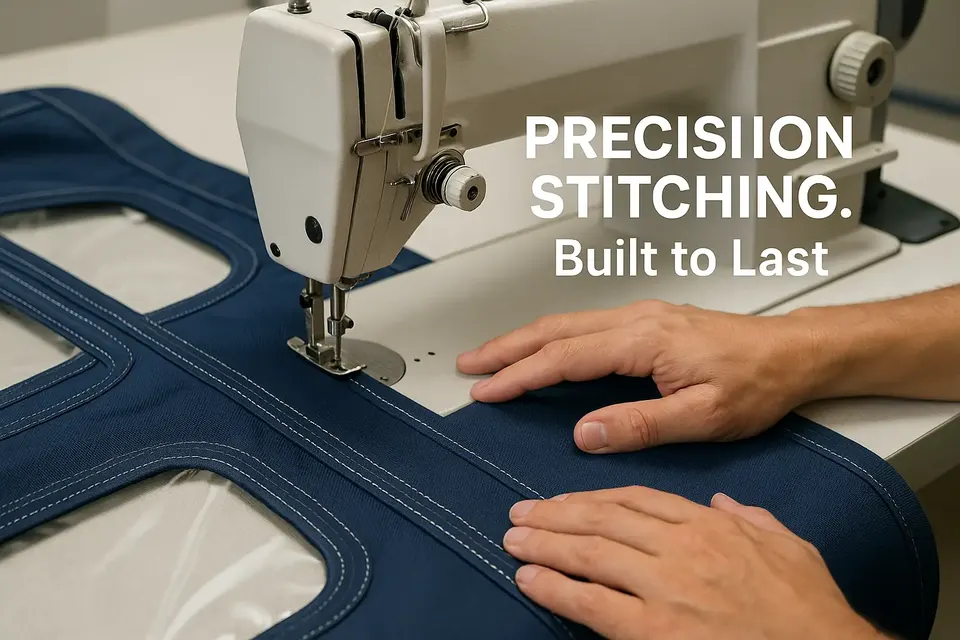
- Crafting the New Cover: Utilising the highest quality marine-grade fabrics – known for their UV resistance, water repellency, and durability – the new cover is precision-cut and expertly stitched. Reinforcements are added at stress points, marine-grade fastenings are integrated, and every seam is finished to withstand the rigours of coastal environments.
- Receive Your New Cover according to the agreed schedule: Within just an agreed dispatch timeframe of receiving your old cover, UK Boat Covers dispatches your brand-new, custom-fitted cover directly back to your Whitstable address. The efficiency and speed of this service mean minimal downtime for your vessel and swift access to superior protection.
Benefits for Whitstable Boat Owners:
- Perfect Fit, Guaranteed: By using the old cover as a template, UK Boat Covers ensures an absolutely perfect, bespoke fit – something generic covers can never achieve. This tight fit is crucial for preventing wind chafe, water ingress, and sagging.
- Unmatched Convenience: No need for multiple appointments, on-site measurements, or transporting your boat to a canvas maker. The entire process is handled remotely, saving you time and hassle.
- Time-Saving: A dispatch timing agreed before ordering is exceptionally fast for a custom-made product, ensuring your boat is protected without long waits.
- Cost-Effective: While custom covers are an investment, this streamlined process often eliminates the travel and labour costs associated with traditional on-site services, contributing to better value.
The Advantage of No VAT: Superior Quality at a Lower Price Point
One of the most compelling advantages for UK customers, including those in Whitstable, is UK Boat Covers' unique pricing structure: No VAT. As an international business operating outside the UK's VAT regime, they are legally able to supply their products to UK customers without adding the standard 20% Value Added Tax.
What this means for you:
- Direct Financial Saving: For every boat cover purchased, you effectively pay the price shown. This is a significant saving, especially on high-quality, custom-made items.
- More Accessible Quality: This pricing advantage makes premium, custom-fitted marine covers more accessible to a wider range of boat owners in Whitstable. You can invest in superior materials and craftsmanship without the added financial burden of VAT.
- Transparent Pricing: The price you see is the price you pay, without hidden taxes added at checkout.
This dual advantage – the precision and convenience of the postal service with agreed dispatch timing combined with the substantial financial benefit of No VAT – positions UK Boat Covers as an unparalleled provider for Whitstable’s maritime community.
Choosing the Right Cover: Material, Fit, and Function
When selecting a cover for your Whitstable boat, consider these critical factors:
- Custom Fit vs. Generic: Always opt for a custom-fitted cover over a generic "one-size-fits-all" alternative. A custom cover will fit snugly, shedding water effectively, preventing wind flap (and subsequent chafe), and looking far more aesthetically pleasing. The old cover templating service from UK Boat Covers ensures this precise fit.
- Material Selection:
- Acrylic Canvas (e.g., Sunbrella): Excellent UV resistance, breathable (prevents mildew), water-repellent (not 100% waterproof, but sheds water effectively). Ideal for long-term protection where breathability is key.
- Polyester: Often coated for waterproofness. Can be very durable and more affordable. Less breathable than acrylic.
- PVC-Coated Polyester: Highly waterproof and very durable, often used for heavy-duty winter covers. Can be less breathable, requiring good ventilation solutions.
- Key properties to look for: High UV resistance, water repellency/waterproofness, breathability (to prevent mould), tear strength, and colour fastness.
- UK Boat Covers makes covers for specific areas, including cockpit and tonneau covers, cratch covers and replacement canopy canvas. We do not make whole-boat or winter-storage covers, or supply or install supporting framework. Tell us which area needs covering before requesting a quote.
- Fastenings and Reinforcements: Ensure the cover features robust, marine-grade fastenings (snaps, buckles, bungee loops) that are easy to use but secure. Critical stress points – such as those around stanchions, cleats, or winches – should be reinforced with additional layers of fabric to prevent premature wear. High-quality thread (e.g., UV-resistant polyester or PTFE) is also vital for seam longevity.
Conclusion: Safeguarding Your Whitstable Pride
The picturesque charm of Whitstable belies the stern realities of its coastal environment. For the sailing yachts, cabin cruisers, fishing boats, river boats, and day cruisers that grace its waters, the relentless assault of salt spray, unforgiving winds, and pervasive UV radiation poses a continuous threat to their beauty, functionality, and longevity. A high-quality boat cover is not an accessory but a fundamental requirement, serving as the ultimate guardian against accelerated deterioration, costly repairs, and diminished resale value.
By investing in a robust canvas cover, a protective canopy, a snug tonneau cover, or an essential spray hood, Whitstable mariners are not just buying a piece of fabric; they are securing peace of mind, preserving their investment, and extending the joyous life of their vessel. With the innovative postal service with agreed dispatch timing and the significant No VAT pricing advantage offered by UK Boat Covers, obtaining bespoke, precision-engineered protection has never been easier or more cost-effective.
Protect your passion. Defend your deck. Let your Whitstable boat stand testament to careful stewardship, shielded and ready for countless more adventures on the captivating East Kent coast.