Guardians of the Felixstowe Fleet: Protecting Your Coastal Craft from the East Coast Elements
Felixstowe, a jewel on the East Coast of the UK, is more than just a bustling port for container ships; it's a cherished home for a vibrant community of leisure boaters. From the graceful lines of sailing yachts cutting through the waves to the comforting presence of cabin cruisers moored in its serene waters, the Felixstowe coastline offers an unparalleled canvas for maritime adventures. Yet, this idyllic setting, with its invigorating sea air and stunning vistas, harbours a relentless adversary for every vessel: the harsh coastal environment.
The UK's East Coast is renowned for its specific and unforgiving maritime challenges. Salt spray, propelled by brisk winds, coats every surface with a corrosive film. The sun, even on seemingly overcast days, delivers a potent dose of UV radiation that relentlessly attacks materials. And the ever-present coastal winds, while exhilarating for sailing, can wreak havoc on unattended boats. It is against this backdrop of environmental assault that the humble boat cover transcends its perceived status as an accessory, becoming an indispensable shield – a guardian angel for your Felixstowe fleet.
For the discerning owner of a sailing yacht, a robust cabin cruiser, a nimble day cruiser, a purposeful fishing boat, or even a visiting river boat navigating the tidal waters, protecting your investment is paramount. This article delves deep into why boat covers are not merely a convenience but an absolute necessity in Felixstowe, exploring the specific threats posed by the local climate, the types of covers best suited for these conditions, and a unique, cost-effective solution offered by UK Boat Covers, tailored perfectly for the proactive boater.
Felixstowe's Maritime Character: A Home for Diverse Vessels
Felixstowe's waterfront is a dynamic tapestry woven with the threads of commercial shipping and recreational boating. While its vast port operations dominate the skyline, tucked away are havens for leisure craft, offering berths and moorings that cater to a variety of boat types. The marinas and sheltered sections of the harbour provide a base for hundreds of vessels, each with its own story and purpose.
The most prominent residents are undoubtedly the sailing yachts. From nimble dinghies to elegant cruisers, these vessels embody the spirit of Felixstowe's sailing community, taking advantage of the open waters of the North Sea and the sheltered estuaries nearby. Their intricate rigging, delicate sails, and often expansive deck areas are particularly vulnerable to the elements.
Alongside them, cabin cruisers offer comfort and extended stays on the water. These power-driven vessels, often featuring enclosed cabins, cockpits, and open decks, are perfect for exploring the Suffolk coast or venturing further afield. Their gelcoat finishes, upholstery, and internal fittings demand rigorous protection.
Day cruisers, smaller and often more open, provide exhilarating short excursions. Their cockpits, frequently exposed, are battlegrounds against sun and spray. Similarly, dedicated fishing boats, ranging from small open vessels to more substantial cabin versions, spend countless hours exposed to the very conditions they seek to escape back at their moorings. Even river boats, perhaps journeying down the Orwell or Stour estuaries, find refuge here, experiencing the transition from freshwater to the more aggressive saltwater environment.
Each of these vessel types, despite their differences in design and purpose, shares a common vulnerability: exposure to the elements. And it is this vulnerability that boat covers are specifically engineered to combat.
The Coastal Gauntlet: Felixstowe's Unique Weather Challenges
The East Coast of the UK presents a formidable array of environmental stressors that demand comprehensive protection for any boat permanently or regularly moored in Felixstowe. Understanding these challenges is the first step towards appreciating the indispensable role of a quality boat cover.
The Corrosive Caress of Salt Spray
Perhaps the most insidious and relentless foe in a coastal environment is salt spray. Carried on the prevailing winds, microscopic salt particles are airborne, coating every exposed surface of your boat. This isn't merely an aesthetic concern; salt is a highly corrosive agent.
- Metal Components: Stainless steel, aluminium, and even bronze fittings, while designed for marine use, are not impervious. Salt accelerates galvanic corrosion, leading to pitting, rust, and ultimately, structural weakness. Cleats, stanchions, mast fittings on sailing yachts, and deck hardware on cabin cruisers are all susceptible.
- Fabric Degradation: Canvas, spray hoods, and other textile components absorb salt, which then crystallises within the fibres. This process can lead to brittleness, weakening the fabric and making it prone to tearing. It also acts as an abrasive, contributing to wear and tear.
- Electrical Systems: While internal, external wires and connectors can be exposed. Salt ingress can lead to short circuits, corrosion of terminals, and costly electrical failures.
- Gelcoat and Paintwork: Salt residue left on gelcoat can dull the finish, require frequent washing, and if left unchecked, can contribute to oxidation and a chalky appearance. It effectively traps moisture against the surface, encouraging degradation.
- Interior Damage: Even seemingly protected areas can suffer. Salt-laden air can enter through vents or gaps, leading to corrosion of internal metal components, mildew on upholstery, and even damage to electronics.
A boat cover acts as a physical barrier, preventing salt spray from reaching the vast majority of your boat's surfaces, significantly reducing the rate of corrosion and the need for constant rinsing.
The Relentless Roar of Coastal Winds
Felixstowe, like much of the East Coast, experiences its fair share of bracing winds. While exhilarating for sailing yachts, these winds are a constant stressor for stationary boats and their covers.
- Chafe and Abrasion: Strong winds cause covers to flap and rub against the boat's surfaces, against rigging on sailing yachts, or against stanchions and rails on cabin cruisers. This abrasive action leads to wear spots on both the cover and the boat, potentially damaging gelcoat, paint, or wood trim.
- Structural Strain: A poorly fitted or inadequately secured cover can act like a sail, putting immense strain on its tie-down points, and potentially on the boat itself. Loops can tear, grommets can pull out, and seams can split under sustained wind pressure. This can lead to the cover tearing or even flying off entirely, leaving the boat exposed.
- Water Ingress: Wind-driven rain can penetrate gaps, poorly sealed seams, or areas where the cover lifts. This leads to water pooling, mildew, and internal damage.
- Dust and Debris: Winds carry dust, grit, and organic debris (leaves, bird droppings), which can scratch surfaces, block drains, and contribute to grime build-up.
A well-designed, custom-fit cover, made from strong, marine-grade fabric and securely fastened, is engineered to withstand these pressures, protecting the boat from both the wind itself and the debris it carries.
The Silent Scourge of UV Exposure
Even on cloudy days, the sun’s ultraviolet (UV) radiation penetrates the atmosphere, striking every exposed surface. In Felixstowe, where boats might sit exposed for weeks or months, UV is a powerful, destructive force.
- Fabric Fading and Embrittlement: Boat covers themselves are a prime target. UV radiation breaks down the chemical bonds in textile fibres, leading to fading of colour and a significant loss of tensile strength. What was once a vibrant, strong canvas becomes brittle, easily torn, and eventually disintegrates. The same applies to spray hoods, biminis, and any other external fabric.
- Gelcoat Chalking: Prolonged UV exposure causes the resin in gelcoat to degrade, leading to a chalky, oxidised surface that requires extensive restoration. This is particularly noticeable on the decks of sailing yachts and the hulls of cabin cruisers.
- Plastic Degradation: Exposed plastic components – hatches, windows, electronic covers – become brittle, discoloured, and prone to cracking under UV assault.
- Wood Deterioration: Teak and other marine timbers, if not consistently treated, will dry out, crack, and discolour, losing their aesthetic appeal and structural integrity.
- Interior Fading and Cracking: Sunlight streaming into cockpits or cabins, especially through windows, will fade upholstery, carpets, and damage wooden trim. Dashboards on cabin cruisers and day cruisers can crack and discolour.
A high-quality boat cover, particularly one designed for long-term outdoor exposure, incorporates UV inhibitors in its fabric. It acts as a sacrificial layer, absorbing the damaging radiation and preserving the boat's underlying materials.
The Damp Reality: Rain, Mildew, and Condensation
While not explicitly listed, the UK's climate means rain is an ever-present factor. Coupled with temperature fluctuations, this leads to further challenges.
- Mould and Mildew: Persistent dampness in confined spaces under covers, or within the boat itself, creates ideal conditions for mould and mildew growth. This not only causes unsightly stains and unpleasant odours but can also damage fabrics and potentially trigger health issues.
- Rot: For boats with wooden components, sustained dampness can lead to rot, weakening structural elements and finishes.
- Condensation: Significant temperature drops can cause condensation to form inside a boat or beneath a cover. Without proper ventilation, this moisture contributes to the mould and mildew problem.
A good boat cover, while waterproof, must also be breathable to allow moisture vapour to escape, preventing the build-up of condensation and promoting air circulation. This is especially crucial for sailing yachts with their many nooks and crannies, and for the enclosed cabins of cruisers.
Why Boat Covers Are Not Just an Accessory, But an Imperative for Coastal Environments
Given the relentless onslaught of Felixstowe’s coastal elements, a boat cover transforms from a mere option into an essential piece of equipment. Its value extends far beyond simple aesthetics, underpinning the long-term health, performance, and value of your vessel.
Uncompromising Protection from the Elements
The primary and most obvious benefit is comprehensive protection. A well-fitted canvas cover, canopy, tonneau cover, or spray hood acts as the first line of defence against:
- Direct UV Radiation: Shielding every inch of your hull, deck, cockpit, and cabin from the sun’s damaging rays, preserving gelcoat, paint, wood, and plastics.
- Salt Spray and Fallout: Preventing corrosive salt from settling on delicate metalwork, rigging, sails (if left on), and interior surfaces. This drastically reduces the rate of corrosion and the need for constant freshwater rinsing.
- Rain and Moisture: Keeping your boat's interior and exterior dry, preventing pooling water, and significantly reducing the risk of water ingress that can damage electronics, upholstery, and wooden elements.
- Wind Damage: Protecting exposed parts from abrasion and impact from wind-blown debris. For sailing yachts, this is vital for deck-stored equipment; for cabin cruisers, it guards the cockpit and cabin superstructure.
Corrosion Prevention: A Long-Term Investment
As detailed earlier, salt is a silent destroyer. By creating a physical barrier, covers minimise salt exposure, directly translating into less corrosion on stainless steel fittings, aluminium masts (on sailing yachts), and all other metal components. This means fewer costly repairs, longer lifespan for hardware, and sustained structural integrity – a critical factor for safety and reliability on the open water.
Preventing Algae, Mould, and Mildew
Damp, dark conditions are a breeding ground for unsightly and unhealthy biological growth. A good boat cover, particularly one that is breathable and allows for proper ventilation, prevents the accumulation of moisture that leads to mould and mildew. This is especially important for the enclosed spaces of cabin cruisers and the interiors of sailing yacht cabins, keeping upholstery fresh and air quality high. For fishing boats, it prevents residual dampness from encouraging growth in storage lockers.
Significant Reduction in Maintenance Time and Costs
Imagine the hours saved. Without a cover, you'd be constantly washing off salt, scrubbing bird droppings, cleaning leaves, and polishing oxidised gelcoat. A boat cover drastically reduces the frequency and intensity of these chores. Less cleaning means less wear on finishes, fewer harsh chemicals used, and more time spent enjoying your boat on the water around Felixstowe. This translates directly into lower maintenance costs over the lifespan of your vessel.
Extending the Lifespan and Preserving Resale Value
A boat that is consistently protected from the elements will inevitably last longer. Its structural integrity will be better preserved, its finishes will remain vibrant, and its internal components will suffer less degradation. When the time comes to sell, a boat that has been meticulously cared for, evidenced by its pristine condition under a custom cover, will command a significantly higher resale value. A faded, corroded, or mildew-ridden boat immediately signals neglect and deters potential buyers.
Interior Protection: Beyond the Hull
Covers aren't just for the exterior. They prevent sunlight from streaming into cockpits and cabins, protecting upholstery from fading, cracking, and brittleness. Wooden trim, navigation equipment, and delicate electronics are shielded from direct UV exposure and dampness, prolonging their operational life and aesthetic appeal. For a cabin cruiser, this means a more comfortable and well-preserved living space; for a day cruiser, a pristine cockpit.
Security and Peace of Mind
While not their primary function, covers offer a subtle layer of security. A boat covered and secured is less inviting to opportunistic theft or casual vandalism, as it obscures internal contents and signals a boat owner who cares for their vessel. Furthermore, the knowledge that your boat is snugly protected from whatever the Felixstowe weather throws at it offers invaluable peace of mind.
Winterisation Essential
For many Felixstowe boaters, winter means laying up their vessels. A heavy-duty, custom-fit canvas cover is an indispensable component of winterisation. It protects the boat from months of rain, snow, ice, and wind, preventing water ingress, freezing damage, and the accumulation of debris. For sailing yachts, this often means a full-deck cover to protect all hardware and the cabin top.
Types of Covers for Felixstowe's Diverse Fleet
The variety of vessels gracing Felixstowe's waters necessitates a range of cover types, each designed for specific protection needs and boat configurations.
Canvas Covers (Overall / Winter Covers)
These are the workhorses of boat protection, offering comprehensive coverage. Typically made from robust, weather-resistant, and breathable marine-grade canvas, they are ideal for:
- Sailing Yachts: When laid up for winter or even for extended periods at the mooring with the mast down. They protect the entire deck, cockpit, cabin top, and sometimes even the hull sides, shielding delicate rigging components, hatches, and the cabin interior from all elements.
- Cabin Cruisers: Full canvas covers offer ultimate protection for the entire vessel, from bow to stern. They are essential for winter storage or for long periods of inactivity, preserving the gelcoat, windows, and preventing water from entering the cockpit or cabin.
- Fishing Boats & River Boats: Comprehensive canvas covers keep the entire interior of open fishing boats dry and free from debris, protecting electronics and seating. For river boats, they offer similar protection against rain, sun, and dirt accumulation.
A well-designed canvas cover allows for ventilation while shedding water effectively, often with strategic reinforcement at wear points.
Canopies (Bimini Tops)
Canopies, often referred to as Bimini tops, provide essential overhead shelter from the sun and rain, primarily for the cockpit or helm area. They are incredibly popular on:
- Cabin Cruisers: Extending over the aft deck or cockpit, they create a shaded, comfortable area for relaxation or dining, protecting occupants from intense sun or light rain.
- Day Cruisers: Offering crucial shade for the helm and passenger areas, enhancing comfort during summer outings.
- Fishing Boats: Providing shelter for the crew from both sun and rain, allowing for more comfortable and extended fishing trips.
While not offering full protection, canopies significantly enhance comfort and protect occupants from UV exposure, often being foldable or retractable for flexibility.
Tonneau Covers
Tonneau covers are specifically designed to cover and protect the open cockpit area of smaller boats, providing a tight, custom fit that seals off the interior. They are highly effective for:
- Day Cruisers: Covering the entire cockpit, they protect seats, dashboards, and controls from sun, rain, and debris when the boat is not in use. They are usually quick to put on and take off.
- Smaller Cabin Cruisers: Some cabin cruisers have open cockpits that benefit from a tonneau cover to keep the interior dry and clean, especially if stored on a trailer or during short periods between use.
- Fishing Boats: Essential for open fishing boats to keep the console, seats, and any stored equipment dry and secure.
Tonneau covers offer excellent protection for the most vulnerable part of an open boat – its interior – and are typically designed for easy installation and removal.
Spray Hoods
A staple for serious sailing, spray hoods are mounted forward of the cockpit, providing crucial shelter from waves, wind, and rain. They are almost exclusively found on:
- Sailing Yachts: Spray hoods deflect spray that comes over the bow, keeping the cockpit and its occupants drier and more comfortable, particularly when sailing upwind or in choppy seas common off the Felixstowe coast. They also provide protection from driving rain and wind chill, enhancing safety and comfort on longer voyages or in adverse conditions.
A good spray hood is robustly framed, offers clear visibility through integrated windows, and is made from durable, marine-grade fabric that can withstand constant exposure to salt and UV.
The UK Boat Covers Advantage for Felixstowe Boaters
For Felixstowe's boat owners, the quest for superior protection often leads to a dilemma: the cost and logistical challenges of custom-fit covers. UK Boat Covers presents a unique, innovative, and highly advantageous solution that directly addresses these concerns.
The Revolutionary postal service with agreed dispatch timing: Precision and Convenience
One of the most significant challenges in acquiring a new custom boat cover is the need for precise measurements. Traditionally, this involves a professional visiting your boat, or you taking extremely careful measurements yourself – a process prone to error and logistical hurdles. UK Boat Covers has ingeniously bypassed this by pioneering a "send old cover, receive new one" postal service.
The process is remarkably straightforward and efficient:
- You Send Your Old Cover: The customer carefully removes their existing, worn-out cover, folds it, and dispatches it to UK Boat Covers via a courier service.
- Precision Templating: Upon arrival, the skilled craftsmen at UK Boat Covers use your old cover as an exact template. This ensures a perfect, custom fit for your specific vessel – whether it's a sailing yacht, cabin cruiser, day cruiser, fishing boat, or river boat. This method eliminates the inaccuracies of manual measurements and guarantees that the new cover will have the same dimensions, cut-outs, and fastening points as the original, or incorporates any agreed-upon modifications.
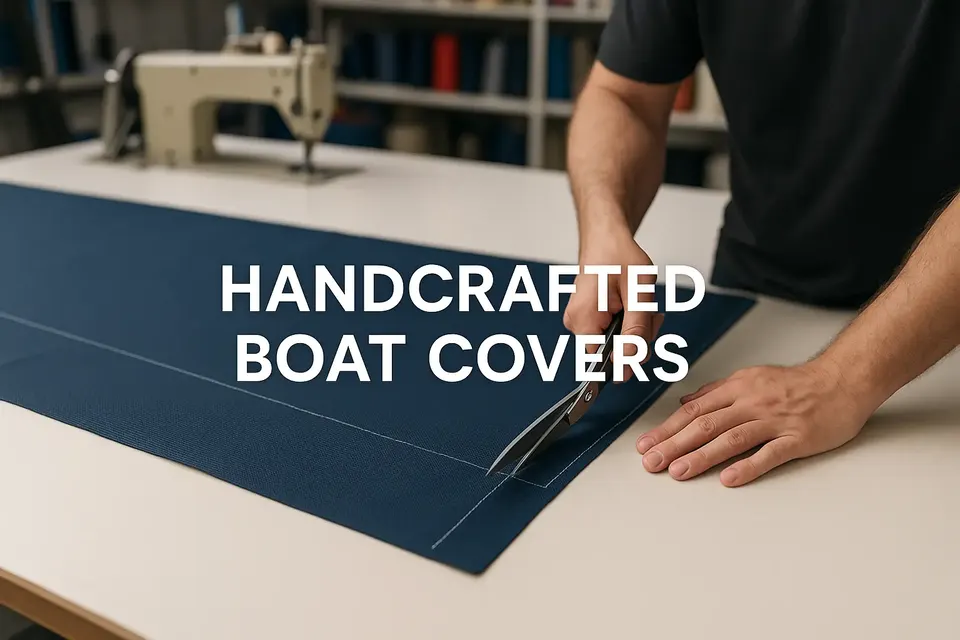
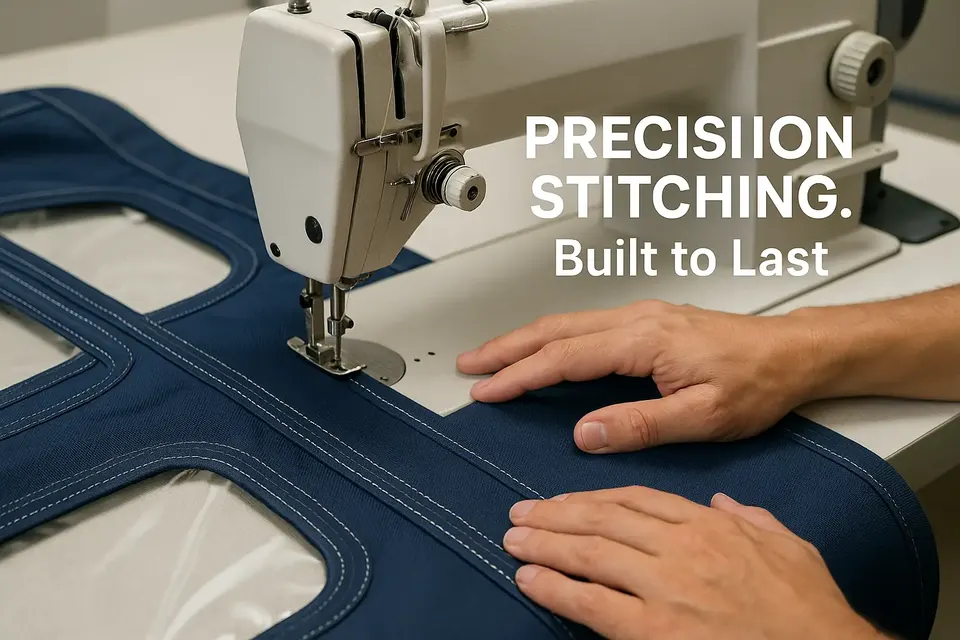
- Expert Craftsmanship: Using only high-quality, marine-grade fabrics specifically chosen for their durability, UV resistance, and waterproofing, your new cover is meticulously cut, stitched, and finished to the highest standards. Attention is paid to reinforcement at stress points, robust seams, and appropriate fastening mechanisms.
- Rapid Return: Within just an agreed dispatch timeframe of receiving your old cover, UK Boat Covers manufactures your brand-new, custom-fit cover and dispatches it back to you. This incredibly fast turnaround minimises the time your boat is left exposed, a crucial factor in Felixstowe's unforgiving coastal environment.
This postal service is a game-changer for Felixstowe boaters. It removes the need for appointments, avoids costly call-out fees for measurements, and ensures an unparalleled level of fit accuracy, all delivered with remarkable speed and convenience.
The "No VAT" Pricing Advantage: Quality Without Compromise
In an economic climate where every saving counts, UK Boat Covers offers a compelling financial benefit: "no VAT" pricing. As a smaller, independent specialist business, they operate below the VAT registration threshold. This means that unlike larger enterprises, they are not legally obliged to charge the 20% Value Added Tax on their products.
This advantage translates directly into significant savings for the customer. When you purchase a custom-made canvas cover, canopy, tonneau cover, or spray hood from UK Boat Covers, you are effectively buying it for competitively priced, for a comparable quality product. This makes high-quality, custom boat protection far more accessible and affordable for the Felixstowe boating community. It’s an opportunity to invest in superior protection without incurring the premium typically associated with bespoke marine canvas work.
Uncompromising Material Quality and Durability
While the pricing and service are exceptional, UK Boat Covers does not compromise on the quality of materials. They understand that a cover for a Felixstowe-based boat needs to withstand the very best (and worst) of East Coast weather. They use marine-grade fabrics specifically engineered for:
- High UV Resistance: To combat the relentless sun exposure and prevent fading and embrittlement.
- Exceptional Waterproofing: To keep interiors dry through driving rain and spray.
- Breathability: To allow moisture vapour to escape, preventing condensation, mould, and mildew.
- Superior Tensile Strength: To withstand the constant buffeting of coastal winds and resist tearing and chafe.
- Mildew and Rot Resistance: Essential for the damp UK climate.
This commitment to quality ensures that your new cover isn't just a perfect fit, but a long-lasting, robust guardian for your sailing yacht, cabin cruiser, day cruiser, fishing boat, or river boat.
Conclusion: Your Boat's Best Defence on the Felixstowe Coast
For boat owners in Felixstowe, the decision to invest in a high-quality boat cover is not merely about preserving aesthetics; it's about protecting an investment, ensuring longevity, and safeguarding the countless hours of enjoyment their vessel provides. The unique challenges of the East Coast – the corrosive salt spray, the relentless coastal winds, and the insidious UV radiation – demand a defence that is both robust and meticulously fitted.
Whether you helm a majestic sailing yacht, navigate the seas in a comfortable cabin cruiser, dart across the bay in a day cruiser, patiently fish from your dedicated vessel, or explore the tidal reaches in a river boat, a custom-fit canvas cover, canopy, tonneau cover, or spray hood from UK Boat Covers offers the ultimate shield. Their innovative postal service with agreed dispatch timing, utilising your old cover as a perfect template, combined with the significant "no VAT" pricing advantage, presents an unparalleled opportunity for Felixstowe boaters to secure superior protection with maximum convenience and affordability.
Don't let the harsh Felixstowe elements shorten the life of your beloved boat. Equip it with the protection it deserves and ensure many more years of happy and trouble-free boating on the beautiful East Coast. UK Boat Covers stands ready to be the guardian of your Felixstowe fleet.