The Grand Union Canal, a monumental feat of 18th and 19th-century engineering, stretches an impressive 137 miles, connecting the bustling metropolis of London with the industrial heartland of Birmingham. More than just a transport route, it stands as the longest canal in Britain, weaving a rich tapestry of urban landscapes, picturesque rural idylls, and historic market towns. Born from the amalgamation of several smaller waterways, including the Grand Junction Canal and the Warwick & Birmingham Canal, its construction revolutionised trade, enabling the efficient movement of coal, timber, and goods between major economic centres. Today, its character is remarkably diverse; one moment you could be navigating through the vibrant, built-up areas of North London or the West Midlands, with their distinctive urban charm and historic industrial architecture, and the next, you're gliding through the serene, rolling countryside of the Chilterns or Northamptonshire, where quiet villages and verdant fields dominate the views. This unique blend offers a truly comprehensive insight into England's geography and heritage, making it a perennial favourite for both seasoned canal boaters and those new to the waterways, each journey revealing a different facet of its enduring appeal.
Navigating the Grand Union Canal presents a varied and engaging experience, defined by its numerous locks and the gentle, non-tidal nature of the waterway. With a total of 166 locks spread along its length, boaters should anticipate frequent lockage, particularly on certain sections. The famous Hatton Flight, often dubbed the "Stairway to Heaven," near Warwick, is a dramatic sequence of 21 locks that demands teamwork and patience, offering stunning views as you ascend or descend. Similarly, the Marsworth and Watford Flights also require considerable effort but reward boaters with a real sense of achievement and beautiful surroundings. Bridges along the canal are plentiful, ranging from ornate brick arches to more functional iron structures, almost all of which are fixed and offer ample clearance for standard narrowboats and most smaller cruisers, though larger vessels should always check air draught. Unlike river navigations, the Grand Union Canal, being a man-made cut, experiences virtually no current, making steering straightforward, even for novices. There are no tidal sections directly on the canal itself; however, its London end connects to the tidal River Thames, meaning any journey extending past Brentford Lock and onto the Thames requires careful planning around tide times and an understanding of tidal navigation rules, a separate challenge altogether. Seasonal water levels are generally well-maintained by the Canal & River Trust, though exceptionally dry summers can sometimes lead to water-saving measures or occasional stoppages, which are always well-publicised.
The British weather, ever-unpredictable, poses several considerations for those cruising or mooring on the Grand Union Canal, each of which impacts the longevity and protection of your vessel and its covers. UV exposure, even on seemingly overcast days, can be surprisingly intense. Prolonged periods of sunshine, especially during the summer months, can degrade traditional boat cover materials, causing them to fade, crack, and lose their waterproofing properties prematurely. This is particularly true for boats moored in open, south-facing locations without tree cover. Wind exposure is another significant factor; while canals are often sheltered by banks and trees, open stretches or moorings can be surprisingly breezy, testing the strength of seams and fastenings on canopies and covers. Strong gusts can cause covers to flap, leading to abrasion and accelerated wear. Winter, of course, brings its own set of challenges, including freezing temperatures, heavy rain, and even snow. Ice formation can be a serious risk, not only to the hull of the boat but also to covers, which can become brittle and damaged if ice builds up or if they are repeatedly frozen and thawed. Proper winterisation of both the boat and its covers is paramount to prevent costly damage. Conversely, summer considerations include intense heat, which can lead to condensation under covers if not adequately ventilated, and an increased presence of insects and bird droppings, necessitating robust and easily cleanable cover solutions.
When it comes to protecting your vessel on the Grand Union Canal, choosing the right boat cover material is paramount, directly influencing longevity and performance in the UK's varied climate. For many canal boat owners, particularly those who leave their vessels moored for extended periods, the choice between PVC and Acrylic can be critical. PVC, or Polyester Reinforced Vinyl, is renowned for its exceptional waterproof capabilities and durability. It's a heavy-duty option that excels at repelling water, making it an excellent choice for keeping your boat dry through the wet British winters and torrential summer downpours. However, PVC is less breathable than acrylic, which can lead to condensation issues beneath the cover, especially in damp canal environments where stagnant air can foster mildew growth. Therefore, if opting for PVC, adequate ventilation, perhaps through strategically placed vents, is crucial. For sunnier moorings or boats left uncovered for longer stretches during peak summer, UV inhibitors are an absolute must, regardless of material. These treatments significantly extend the life of the fabric by slowing down degradation from ultraviolet radiation, preventing fading and material breakdown.
Acrylic, on the other hand, such as solution-dyed acrylic, offers superior breathability compared to PVC. Its woven nature allows for air circulation, which naturally helps to mitigate condensation and the build-up of mould and mildew, making it ideal for the often-damp canal atmosphere. While highly water-resistant and often treated with a water-repellent finish, acrylic isn't inherently 100% waterproof in the same way a thick PVC is, though it will perform excellently in typical UK rain. The primary advantage of acrylic lies in its colourfastness and exceptional UV resistance, making it perfect for prolonged sun exposure without significant fading or deterioration, offering long-term aesthetic appeal and protection. For narrowboat canopies and cruiser covers where breathability and UV protection are key considerations, acrylic often proves to be the preferred choice. However, for a fully enclosed cover that needs absolute waterproofing against heavy standing water, PVC might still be considered. Ultimately, the decision often comes down to balancing maximum waterproofing (PVC) with superior breathability and UV resistance (Acrylic), always considering the specific mooring conditions and frequency of use. We delve deeper into these material considerations and more in our dedicated article, focusing on the best boat cover material UK, offering comprehensive advice to help you make an informed decision for your Grand Union Canal boat. Our range of fabrics provides further details on the properties and benefits of each option.
The Grand Union Canal is dotted with an array of popular mooring towns and bustling cruising centres, each offering unique attractions and facilities for boaters. Starting from London, Little Venice provides a picturesque entry point, leading to Camden Town with its famous market and vibrant atmosphere. Further north, Berkhamsted and Hemel Hempstead offer historic town centres and convenient amenities. Milton Keynes, a modern city, surprisingly integrates the canal beautifully, providing extensive linear moorings and easy access to shopping and entertainment. Venturing into the heart of the country, Braunston is arguably the most famous canal village in England, a quintessential hub with its historic marina, canal shops, and the iconic Braunston Tunnel. Nearby, Napton Junction marks an important crossroads, while Warwick beckons with its magnificent castle. Further along, the outskirts of Birmingham, including Gas Street Basin, offer a vibrant urban mooring experience, surrounded by restaurants and attractions, providing a stark contrast to the rural stretches. These locations not only provide essential services like water points and pump-outs but also opportunities to explore local history, enjoy canalside pubs, and restock supplies, making them vital stops on any Grand Union Canal journey.
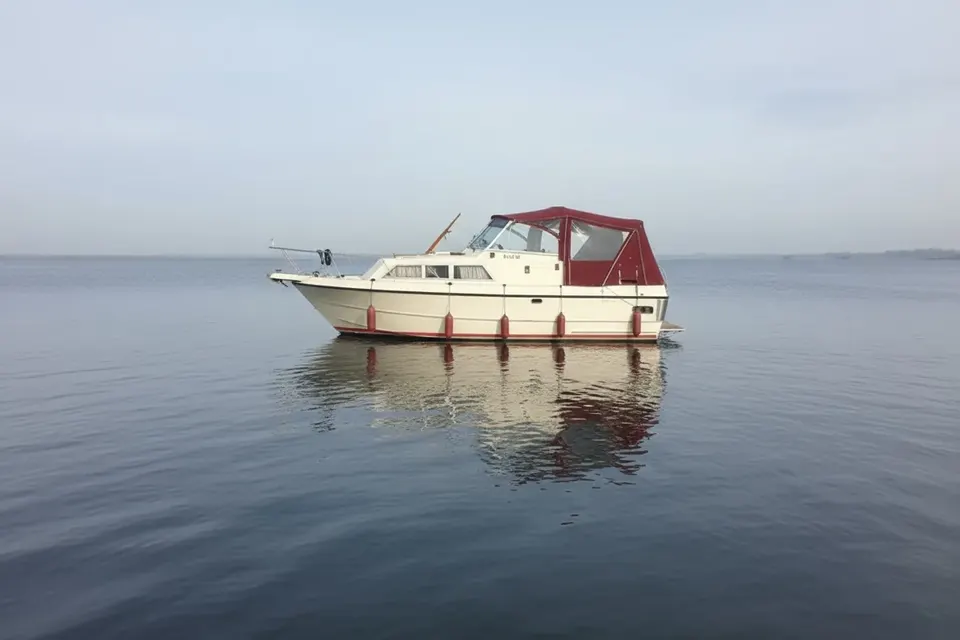
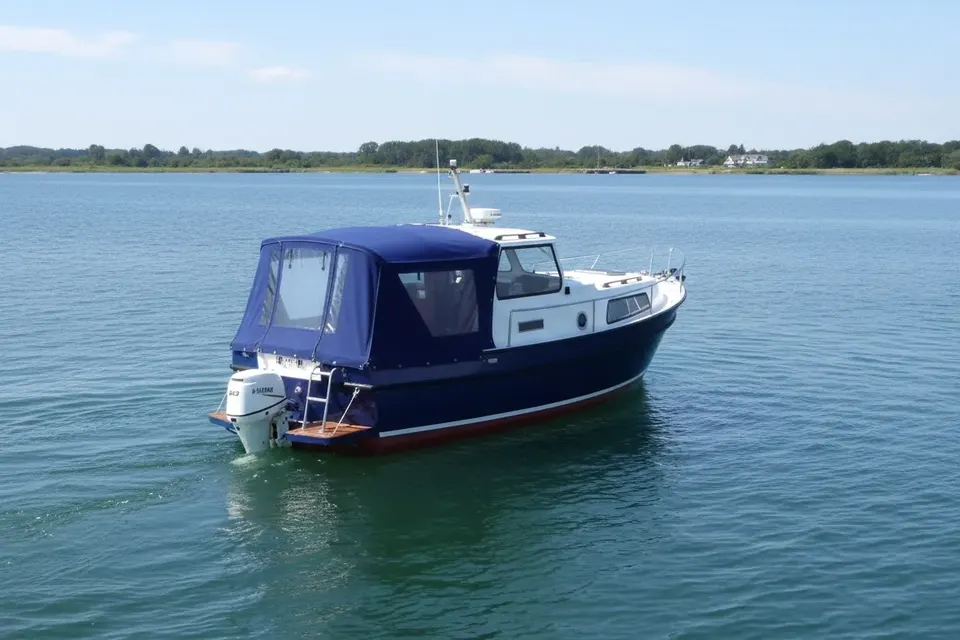
The Grand Union Canal is predominantly the domain of the iconic British narrowboat, specifically designed to fit the dimensions of UK canals. These long, slender vessels, typically between 30 and 72 feet in length and just 6 feet 10 inches wide, are perfectly suited for navigating the narrow locks and bridges of the Grand Union. Beyond the ubiquitous narrowboat, you'll also encounter a variety of other craft. River cruisers, often wider and with a slightly higher air draught, are less common on the Grand Union due to its restrictive lock dimensions and bridge heights, though smaller models can certainly manage many sections. Dayboats, including smaller launches and even some inflatable dinghies, are frequently seen on shorter trips, particularly around popular boating centres or for angling excursions. Occasionally, you might spot a Dutch barge, but these are typically limited to the wider sections of the canal and larger river navigations. For owners of popular models like a Viking 23, ensuring a perfectly fitting cover is essential for safeguarding your investment against the elements, whether moored or cruising. We understand the specific requirements for different boat types on this waterway, from traditional narrowboats to more modern GRP cruisers.
The frequency of locks on the Grand Union Canal significantly impacts the practical use of boat covers during a journey. With 166 locks spread over 137 miles, boaters will encounter a lock roughly every 0.8 miles on average, though some sections are much more densely packed (e.g., Hatton Flight) than others. This means that if you're cruising for several hours a day, you will be constantly opening and closing locks. For full covers, like those protecting an entire narrowboat cratch or cockpit, the constant process of covering and uncovering can become tedious and impractical during a day's cruise, particularly on busy lock flights. Consequently, many boaters opt for easily deployable or partial covers for use during a trip, such as an extending pram hood over the stern, which can quickly be pulled back or extended depending on the weather, or a simple tonneau cover over the cratch that can be folded back. The main, heavy-duty covers are typically reserved for overnight moorings or extended periods when the boat is left unattended. The decision to uncover or keep covered at each lock often comes down to the prevailing weather conditions; a sudden downpour may warrant quickly securing a cover, while fine weather encourages keeping it stowed for ease of navigation and enjoyment of the open air. Our services are designed to provide bespoke solutions that cater to these specific operational needs, ensuring convenience without compromising protection.
At ukboatcovers.com, a family-run business based in Carterton, Oxfordshire, we pride ourselves on crafting bespoke boat covers perfectly tailored to your vessel and the specific demands of the Grand Union Canal. We understand the unique challenges faced by boaters on this iconic waterway and are dedicated to providing covers that offer superior protection, durability, and a perfect fit. Benefit from our commitment to quality and value – we charge no VAT, potentially paying the price shown on your purchase. What's more, we offer an impressive dispatch timing agreed before ordering on many orders, ensuring you're back on the water with your new cover as quickly as possible. For those who can't bring their boat to us, our convenient postal copy service allows us to create a precision-fit cover from your existing one, ensuring accuracy from anywhere in the UK. Contact us today to discuss your Grand Union Canal boat cover needs and let us help you protect your investment with a cover designed to last.