Slough: The Grand Union Canal's Lock-Free Branch
The Slough Arm represents one of the Grand Union Canal's most distinctive features—a completely lock-free 5-mile branch extending from Cowley Peachey Junction to Slough Basin. This Berkshire location offers boat owners a unique cruising experience combining easy navigation, rich industrial heritage, and convenient access to Greater London while avoiding the lock operations that characterize most canal routes. For novice boaters or those seeking relaxed weekend cruising, the Slough Arm provides ideal conditions.
Cowley Peachey Junction: The Branch Point
The Slough Arm begins at Cowley Peachey Junction, where it branches westward from the Grand Union Canal main line approximately 1 mile south of Uxbridge Lock. This junction creates a triangular configuration with aqueducts crossing the Frays River, River Colne, and Colne Brook—early 19th-century engineering that elevated the canal over natural watercourses rather than using conventional locks.
Packet Boat Marina occupies a prime position at the junction, serving both main line and Slough Arm traffic. The marina provides comprehensive facilities including moorings, chandlery, diesel, engineering services, and boat sales. The Packet Boat pub overlooks the junction, offering traditional canal-side hospitality and meals.
For boat owners, Cowley Peachey Junction represents a navigational decision point. Continuing north on the main line leads toward Uxbridge, the Colne Valley, and eventually Birmingham via the Grand Union's full route. Turning west onto the Slough Arm begins the lock-free cruise to Slough Basin, creating easy round trips or weekend destinations without lock operation demands.
The Five-Mile Lock-Free Experience
The Slough Arm's complete absence of locks creates unique cruising characteristics:
Easy Navigation: No lock operation required, allowing boaters to focus entirely on steering and mooring. Ideal for building confidence or training new crew.
Quick Transit: Without locks, the 5-mile route requires approximately 90 minutes one-way at typical cruising speed (2-3 mph). Round trips from Cowley Peachey Junction to Slough Basin and return fit comfortably within a day.
Accessible Cruising: Single-handed boaters navigate easily without lock operation challenges. Families with young children avoid the risks associated with lock gates and paddle gear.
Maintenance Windows: The lock-free nature means the arm rarely closes for lock repairs—boats can rely on year-round navigation with minimal disruption.
Historic Interest: Despite industrial heritage, the arm maintains canal character through bridges, aqueducts, and historic features marking its 1880-1882 construction for brick transport.
The Route to Slough Basin
The Slough Arm's route passes through varied landscape:
Cowley Peachey to M25: Initial section runs through Colne Valley parkland with nature reserves and gravel pit lakes alongside. The M25 motorway crossing (Bridge 2A) creates a brief urban intrusion before the arm returns to green corridor character.
Middle Section: Passing through west London/Berkshire fringe areas with mixed residential and commercial development. The canal maintains a tree-lined green corridor despite urban surroundings.
Approaching Slough: The final section enters Slough's industrial heritage zone, with former factories and warehouses converted to modern use. The arm originally served brick works, with narrowboats carrying building materials from Slough to London construction sites throughout the late 19th and early 20th centuries.
Slough Basin: The terminus provides a dead-end turning point with winding hole for reversing direction. The basin originally accommodated narrowboat fleets serving local industries, now providing visitor moorings and a peaceful conclusion to the lock-free cruise.
Bridges punctuate the route—11 crossings ranging from footbridges to major road bridges like the B470 and A412. Unlike many canals where low bridges challenge navigation, the Slough Arm maintains reasonable clearances allowing most standard narrowboat superstructures to pass without modification.
Slough Basin: The Dead-End Terminus
Slough Basin marks the Slough Arm's western terminus, approximately 5 miles from Cowley Peachey Junction. As a dead-end branch, boats must either:
Turn at Basin: Use the winding hole at basin terminus to reverse direction, then cruise back to Cowley Peachey Junction
Moor Overnight: Basin moorings allow overnight stays, with Slough town center accessible for provisioning and entertainment
Multiple Day Visits: Some boaters use Slough Basin as a base, mooring while exploring Slough or making day trips to nearby attractions via road/rail
The basin's dead-end nature creates a peaceful environment. Unlike through-routes with constant boat traffic, the Slough Arm sees primarily boats specifically choosing to visit, reducing crowding and creating relaxed cruising conditions.
Boat Types and Cover Requirements
The Slough Arm attracts specific boat types suited to lock-free cruising:
Narrowboats up to 72 Feet: The arm accommodates standard narrowboats up to maximum Grand Union dimensions (72 feet length × 7 feet beam standard, though 14-foot widebeam possible).
Weekend Cruisers: Boat owners seeking easy weekend destinations from London-area bases frequently visit the Slough Arm. Lock-free navigation means less time on boat handling, more time enjoying destinations.
Novice Boats: First-time narrowboat owners or hire boat customers gain confidence on the Slough Arm before tackling lock-intensive routes. The arm serves as a training ground for basic boat handling.
Residential Boats: Some liveaboards moor along the arm, appreciating the peaceful environment and good transport links to London and Reading.
Cover requirements for Slough Arm boats remain standard:
UV Protection: Open stretches with limited tree coverage increase sun exposure demanding fade-resistant materials
Waterproofing: Standard rain protection without lock spray concerns
Wind Resistance: The arm's relative openness creates wind exposure requiring secure cover fastening
Aesthetic Maintenance: Many owners maintain high presentation standards on the relaxed Slough Arm
Historic Industrial Heritage
The Slough Arm was constructed 1880-1882 specifically to serve brick works and other industries around Slough. This late construction date—nearly a century after the main Grand Union Canal—reflects Victorian industrial expansion reaching west London's outskirts.
Narrowboats carried building bricks from Slough's brick works to London construction sites throughout the late Victorian and Edwardian periods. This trade continued into the 20th century, with working boats operating until road transport finally displaced canal carriage in the mid-20th century.
The industrial heritage shaped the arm's infrastructure:
No Locks: Completely level construction reduced transit time for commercial boats, maximizing daily cargo capacity
Straight Sections: Engineered for efficient progress rather than following natural contours
Substantial Bridges: Built to accommodate industrial traffic crossing the canal
Wharves and Basins: Historic loading points now converted to moorings or development sites
Today, this heritage creates an interesting landscape where converted industrial buildings and nature reserves alternate along the towpath, providing varied scenery for cruising boats.
The Proposed Thames Link
Long-term proposals exist to extend the Slough Arm approximately 2 miles southward to connect with the River Thames. This ambitious project would create a new route between the Grand Union Canal and Thames, opening circular cruising opportunities and eliminating the need to navigate through London via Brentford.
The estimated cost (£30+ million) and engineering challenges mean the Thames Link remains aspirational rather than actively developed. However, the Canal & River Trust confirmed it as a long-term objective in 2012, keeping the possibility alive for future canal network expansion.
For current Slough Arm users, the proposed link represents potential future enhancement rather than immediate reality. Boats continue using the arm as a dead-end branch, with the Thames connection providing an interesting historical footnote rather than practical navigation option.
Practical Boating Information
Distance: The Slough Arm extends 5 miles from Cowley Peachey Junction to Slough Basin. Cowley Peachey lies 18 miles from Brentford and 125 miles from Birmingham via the Grand Union main line.
Lock-Free Navigation: Zero locks on the entire Slough Arm. The disused stop lock at Cowley Peachey Junction remains barely visible but doesn't affect navigation.
Transit Time: Approximately 90 minutes one-way from Cowley Peachey to Slough Basin at typical cruising speed. Round trips achievable within 3-4 hours plus mooring time.
Access: Slough benefits from excellent transport links. Slough railway station provides frequent services to London Paddington (15-20 minutes) and Reading (10-15 minutes). The M4 and M25 motorways pass nearby, creating good road access. This connectivity makes Slough attractive for weekend boat owners commuting from London.
Facilities: Limited direct facilities on the arm itself. Water points and services available at Cowley Peachey Junction (Packet Boat Marina). Slough town center provides comprehensive shopping including supermarkets, restaurants, and essential services approximately 15 minutes walk from basin moorings.
Mooring: Informal visitor moorings along the arm, though some shallow spots near towpath require checking depth before mooring. Slough Basin provides secure terminus moorings. Cowley Peachey Junction offers convenient moorings near Packet Boat Marina.
The No VAT Postal Service
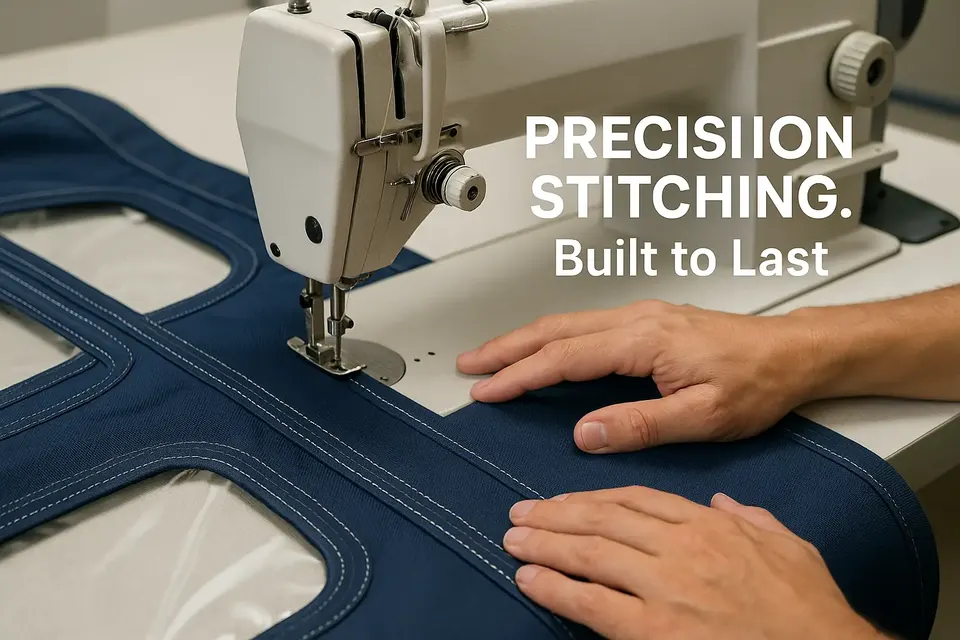
Our bespoke boat cover service serves Slough Arm moorings through our postal collection and delivery system—no VAT charges on all orders. Whether moored at Slough Basin, along the arm, or at Cowley Peachey Junction, simply post your old tonneau cover, spray hood, or canopy. According to the agreed schedule, receive an exact reproduction crafted in marine-grade materials suited to lock-free cruising conditions.
Slough Arm boat owners appreciate our service's convenience. The arm's lock-free nature means covers require less waterproofing for spray protection but still need superior UV resistance and weather protection. Our marine-grade fabrics withstand west London's variable climate while maintaining appearance season after season.
Seasonal Considerations
Spring (March-May): Activity increases as boat owners emerge from winter. The lock-free arm attracts early-season cruisers building confidence before tackling more challenging routes. Cover maintenance becomes priority after winter weather. Spring represents ideal timing for cover replacement before summer cruising intensifies.
Summer (June-August): Peak cruising season sees moderate traffic on the Slough Arm. The lock-free nature attracts families and novice boaters during summer holidays. UV exposure intensifies on open stretches, testing cover materials' fade resistance. Slough Basin moorings can fill during summer weekends, though traffic remains lighter than main line sections.
Autumn (September-October): Excellent cruising conditions with lower traffic. Autumn colors along scattered woodland create attractive scenery. Many owners replace worn covers before winter weather arrives. The arm's peaceful character particularly appealing during quieter autumn months.
UK Boat Covers makes covers for specific areas, including cockpit and tonneau covers, cratch covers and replacement canopy canvas. We do not make whole-boat or winter-storage covers, or supply or install supporting framework. Tell us which area needs covering before requesting a quote.
Popular Cruising Routes
Slough Arm Round Trip: From Cowley Peachey Junction, cruise to Slough Basin, moor for lunch or shopping, return same day (3-4 hours cruising plus shore time). Ideal weekend day trip.
Combined with Main Line: Cruise from Uxbridge or Watford (north), visit Slough Arm as side trip, return to main line. Creates varied cruising without retracing entire route (2-3 days).
Training Cruise: New narrowboat owners use Slough Arm for gaining experience before tackling lock flights elsewhere on network. Lock-free navigation allows focusing on steering, mooring, and basic boat handling (1 day).
London Access: Boats based on Slough Arm enjoy convenient access to London via main line—cruise to Uxbridge, continue via Paddington Arm to Little Venice (full day from Slough).
Slough Town Context
Beyond the canal, Slough offers modern amenities and historic interest:
Town Center: Comprehensive shopping including large supermarkets, retail parks, and traditional market
Railway Connections: Exceptionally fast access to London Paddington (15-20 minutes) and Reading (10-15 minutes)
Historic Sites: St. Laurence's Church (13th century), Herschel Park (named after astronomer William Herschel who discovered Uranus while living in Slough 1781-1782)
Eton and Windsor: Short distance to historic Eton College and Windsor Castle (accessible via road/rail from Slough)
These features enhance the Slough Arm cruising experience, providing shore-based attractions and excellent transport connectivity for boat owners requiring regular travel.
Towpath and Recreation
The Slough Arm towpath has been improved for walking and cycling, connecting to wider recreational routes including the Grand Union Canal Walk and National Cycle Network. This creates shared towpath use between boats and land-based recreation, contributing to the arm's peaceful atmosphere.
The towpath's good condition makes it popular with local walkers and cyclists, creating a vibrant waterside environment. For boat owners, this means occasional interaction with towpath users—generally friendly and interested in canal life, contributing to the arm's welcoming character.
Our postal service has served Slough Arm boat owners for years. The arm's position in Greater London means many customers commute to London for work while enjoying weekend canal living—our dispatch timing agreed before ordering, VAT-free pricing, and precision pattern-copying provide better value than high-street alternatives. Simply post your cover from Slough Basin or Cowley Peachey—receive your replacement wherever you're cruising on the Grand Union Canal network.