Guardians of the Dart: Protecting Dartmouth's Prized Vessels from the Relentless Coastal Embrace
Dartmouth, a jewel nestled on the South Devon coast, is a town intrinsically linked to its maritime heritage. Its deep-water harbour, carved by the majestic River Dart, has for centuries served as a haven and a gateway for explorers, merchants, and naval power. Today, this picturesque estuary pulsates with a different kind of life: the vibrant community of sailing yachts and cabin cruisers that grace its waters, testament to a deep-seated passion for the sea. Yet, beneath the serene surface of the Dart’s gentle flow, and beyond the idyllic charm of Dartmouth’s cobbled streets, lies a relentless adversary for these cherished vessels: the unforgiving coastal environment.
From the biting salt spray carried on Atlantic gusts to the incessant UV bombardment of clear summer days, and the abrasive force of seasonal gales, Dartmouth’s climate poses unique and significant challenges to boat owners. It is here, amidst this blend of breathtaking beauty and environmental rigour, that the humble boat cover transcends its utilitarian purpose to become an indispensable guardian, a silent sentinel protecting significant investments and cherished leisure craft. This article delves into the critical role of bespoke boat covers, canopies, tonneau covers, and spray hoods in preserving the integrity, longevity, and beauty of Dartmouth’s diverse fleet, exploring the specific challenges faced and the tailored solutions offered by dedicated providers like UK Boat Covers.
Dartmouth: A Boater’s Paradise, A Cover’s Crucible
Dartmouth’s strategic location, where the River Dart meets the English Channel, creates a microclimate that is both a blessing and a curse for boat owners. The sheltered estuary provides calm waters for mooring, but its proximity to the open sea means that the weather systems rolling in from the Atlantic profoundly impact everything within the harbour. This unique geographical interplay subjects sailing yachts, cabin cruisers, river boats, day cruisers, and fishing boats alike to a cocktail of environmental stressors.
Local Maritime Weather Challenges:
Salt Spray: The Corrosive Caress: The most insidious enemy in a coastal environment is often the least visible. Salt spray, carried inland by onshore winds, infiltrates every nook and cranny of a vessel. Microscopic salt crystals deposit on gelcoat, brightwork, rigging, deck fittings, and even inside the cabin if hatches are left ajar.
- Impact on Gelcoat: Salt can leave behind a hazy film, and over time, if not regularly rinsed, it accelerates oxidation, dulling the finish and making cleaning a continuous chore.
- Corrosion of Metals: Stainless steel, aluminium, and other marine metals, while designed for the sea, are not impervious. Salt accelerates galvanic corrosion, leading to pitting, rust stains, and premature failure of vital components like cleats, stanchions, and mast fittings. Electrical connections are particularly vulnerable, leading to intermittent faults and expensive repairs.
- Damage to Rigging and Sails: Salt crystallises on ropes, lines, and sails, stiffening them, accelerating wear, and potentially weakening fibres. Boom covers, specifically, prevent salt from settling deep into the weave of the mainsail.
- Aesthetic Degradation: Beyond the structural, salt residue simply makes a boat look uncared for, diminishing its visual appeal and pride of ownership.
Coastal Winds: The Relentless Sculptor: Dartmouth is no stranger to strong winds, especially during autumn and winter. These winds, funnelling up the estuary or sweeping in from the Channel, are a constant presence.
- Abrasion and Chafing: Unprotected sails, covers, or ropes left exposed can chafe against rigging, masts, or other parts of the boat, leading to wear spots and tears. The persistent flapping of an ill-fitting cover can cause more damage than protection.
- Structural Stress: High winds put significant strain on boat covers, especially those covering large open areas like cockpits. If not properly secured, covers can lift, tear, or even dislodge, leaving the boat exposed.
- Rain Ingress: Wind-driven rain can penetrate even small gaps, finding its way into cabins, lockers, and bilges, leading to dampness, mould, and potential electrical issues.
- Debris Impact: Winds carry leaves, twigs, dust, and other airborne debris, which can scratch surfaces, clog drains, and create unsightly messes.
UV Exposure: The Silent Degrader: Even on overcast days, ultraviolet (UV) radiation penetrates and takes its toll. In Dartmouth, where clear summer days can offer hours of direct sunlight, UV exposure is a primary cause of material degradation.
- Fading and Embrittlement: Gelcoat, painted surfaces, varnished wood, and especially fabrics (sails, ropes, existing covers) are prone to fading, discolouration, and becoming brittle and weak under prolonged UV exposure. Dark colours absorb more UV, accelerating degradation.
- Plastic and Rubber Damage: Gaskets, seals, deck hatches, and plastic components become brittle, crack, and lose their flexibility, leading to leaks and failures.
- Interior Damage: If cabin cruisers’ windows or hatches are left uncovered, UV can fade upholstery, warp wood, and degrade electronics displays, significantly impacting the interior aesthetics and resale value.
Rain and Humidity: The Damp Duo: Dartmouth’s climate, characteristic of the West Country, is often wet and humid. Persistent rain and high atmospheric moisture create ideal conditions for various issues.
- Mould and Mildew: Damp, unventilated spaces – particularly within the confines of a boat – are breeding grounds for mould and mildew. This not only creates unpleasant odours but can also cause irreparable staining to fabrics, upholstery, and wooden surfaces, and pose health risks.
- Wood Rot: For boats with wooden components, sustained dampness is the precursor to rot, a serious structural issue that can be expensive and complex to rectify.
- Electronics Damage: High humidity and direct water ingress can cause condensation and corrosion within sensitive electronic equipment, leading to malfunctions.
Wildlife and Debris: The Uninvited Guests: Beyond the elements, boats left uncovered are vulnerable to nature’s smaller inhabitants and airborne detritus. Birds can leave droppings that stain and etch surfaces; spiders and insects build nests in crevices; and falling leaves, pollen, and dust accumulate, requiring constant cleaning.
The Unquestionable Necessity: Why Boat Covers are Essential in Coastal Environments
Given the array of environmental challenges specific to Dartmouth, boat covers are not merely an accessory but an absolute necessity for any responsible owner. Their role extends far beyond simple aesthetics, underpinning the long-term health, value, and usability of a vessel.
Comprehensive Elemental Protection: The most obvious benefit, directly countering the threats outlined above. A high-quality cover acts as an impenetrable barrier against salt spray, UV rays, wind-driven rain, and airborne pollutants, keeping the boat’s surfaces clean, dry, and protected from premature degradation. This dramatically slows down the weathering process, maintaining the boat’s structural integrity and visual appeal.
Longevity and Value Retention: A boat is a significant investment. By shielding it from the elements, a cover drastically extends the lifespan of its components – from gelcoat and deck hardware to interior fabrics and electronics. This proactive protection means less wear and tear, fewer repairs, and a significantly higher resale value when the time comes to upgrade or sell. A well-maintained boat, evidenced by a pristine appearance, commands a premium.
Reduced Maintenance Burden: Imagine returning to your boat in Dartmouth, not to hours of scrubbing salt residue, bird droppings, and accumulated grime, but to a pristine surface ready for enjoyment. Covers minimise the need for intensive cleaning, waxing, and polishing, freeing up valuable time that can be spent sailing or cruising the Dart instead. They also prevent water from pooling in the cockpit, reducing the risk of mildew and rot.
UK Boat Covers makes covers for specific areas, including cockpit and tonneau covers, cratch covers and replacement canopy canvas. We do not make whole-boat or winter-storage covers, or supply or install supporting framework. Tell us which area needs covering before requesting a quote.
Interior Preservation for Cabin Cruisers: For cabin cruisers, the interior is often as important as the exterior. A good cover ensures that the cabin remains dry, clean, and free from the damaging effects of UV radiation on upholstery, timber, and delicate instrumentation, preserving comfort and value.
Readiness for Use: A covered boat stays cleaner and drier. This means less time spent preparing the boat for use and more time on the water, maximising enjoyment of Dartmouth’s beautiful cruising grounds.
Dartmouth's Fleet: A Canvas of Craft
The waters of Dartmouth are home to a diverse array of vessels, each with specific requirements for protection. UK Boat Covers understands that a generic solution simply won't suffice for this varied and discerning community.
Sailing Yachts: These elegant vessels are inherently exposed. Their expansive decks, intricate rigging, and precious sails demand meticulous protection.
- Boom Covers (Sail Covers): Crucial for protecting the mainsail from UV degradation, mildew, and bird droppings when not in use. A well-fitted boom cover extends the life of a sail by years.
- Spray Hoods: Offering vital shelter in the cockpit from wind, waves, and driving rain, a spray hood is essential for comfortable cruising, particularly in the choppier waters beyond the Dart estuary. They protect instrumentation and provide shelter for the crew.
- UK Boat Covers makes covers for specific areas, including cockpit and tonneau covers, cratch covers and replacement canopy canvas. We do not make whole-boat or winter-storage covers, or supply or install supporting framework. Tell us which area needs covering before requesting a quote.
Cabin Cruisers: These boats, designed for comfort and extended stays, have substantial interiors that need safeguarding.
- Cockpit Covers: Essential for protecting the open cockpit area from rain, UV, and debris, ensuring the interior remains dry and clean.
- Canopies (Biminis) with Enclosures: A bimini offers sun shade and light rain protection, but often integrates with side and aft enclosures to create a fully protected, weatherproof additional living space in the cockpit – perfect for entertaining or relaxing in Dartmouth’s variable weather.
- UK Boat Covers makes covers for specific areas, including cockpit and tonneau covers, cratch covers and replacement canopy canvas. We do not make whole-boat or winter-storage covers, or supply or install supporting framework. Tell us which area needs covering before requesting a quote.
River Boats: Often smaller, open craft used for exploring the upper reaches of the Dart or for day trips, these require practical, easy-to-deploy covers.
- Tonneau Covers: Perfect for securing the open cockpit, keeping it dry and clean, and deterring casual theft of equipment.
- UK Boat Covers makes covers for specific areas, including cockpit and tonneau covers, cratch covers and replacement canopy canvas. We do not make whole-boat or winter-storage covers, or supply or install supporting framework. Tell us which area needs covering before requesting a quote.
Day Cruisers: Similar to smaller cabin cruisers or larger open boats, these are used for pleasure cruises and fishing trips.
- Cockpit Covers: Fundamental for keeping the main seating and helm area protected.
- Canopies: Providing shade and shelter during fair weather, enhancing comfort.
Fishing Boats: Functional and hardworking, fishing boats need durable covers to protect their equipment, electronics, and open deck areas from the harsh marine environment.
- Console Covers: Protecting vital electronics and controls from weather.
- Full Deck Covers: Keeping the entire working deck free from rain, salt, and debris, preserving both the boat and the gear.
Understanding the Armour: Types of Covers for Dartmouth Boats
The efficacy of a boat cover lies in its design, material, and fit. For the Dartmouth environment, specific types of covers address particular needs:
Canvas Covers (Full Boat/Winter Covers): These are the ultimate protection, enclosing the entire deck and often a significant portion of the hull. Made from heavy-duty, UV-resistant, breathable canvas, they are custom-fitted to the boat's contours.
- Purpose: Comprehensive protection against all elements during long-term storage (ashore or afloat), preventing water ingress, UV damage, and debris accumulation.
- Key Features: Must be breathable to prevent condensation and mildew, robustly stitched, and feature strong tie-downs to withstand coastal winds. Ventilation ports are crucial.
Canopies (Biminis): A frame-supported fabric top designed to provide shade and protection from light rain for the cockpit area.
- Purpose: Enhance comfort during sunny days or light showers, protecting crew and instrumentation from direct exposure.
- Key Features: Sturdy frame (often stainless steel or aluminium), marine-grade canvas with high UV resistance, and often expandable with side and aft curtains to create a full enclosure.
Tonneau Covers: Primarily designed for open cockpits, these covers stretch across the opening, securing tightly to the boat's perimeter.
- Purpose: Keep the cockpit dry, clean, and free from debris when the boat is not in use, and offer a basic level of security.
- Key Features: Snug fit to prevent water pooling, durable marine canvas, and robust fastening systems (snaps, bungees, or straps). Often used for river boats and smaller day cruisers.
Spray Hoods: Specifically for sailing yachts and some open cabin cruisers, these rigid-framed canvas structures sit forward of the cockpit, over the companionway.
- Purpose: Shield the cockpit entrance and forward part of the cockpit from sea spray, wind, and rain, significantly improving comfort and protecting vital electronics.
- Key Features: Robust stainless steel frame, clear windows for visibility, durable marine fabric, often with grab rails and zipped openings for ventilation.
Boom Covers (Sail Covers): Designed to protect the mainsail, which is typically left flaked on the boom when not in use.
- Purpose: Protect the mainsail fabric from UV degradation, mildew, and bird droppings, extending its lifespan and maintaining its performance.
- Key Features: UV-resistant marine canvas, often with zips or lacing for a snug fit, and sometimes incorporating lazy jacks or sail bags.
Material Science and Construction: The best covers for Dartmouth’s conditions are crafted from high-performance marine fabrics such as solution-dyed acrylics (e.g., Sunbrella), polyester, or coated polyesters. These materials are chosen for their:
- UV Resistance: To withstand prolonged sun exposure without fading or degrading.
- Water Repellency: To shed rain and salt spray effectively.
- Breathability: Crucial for preventing mould and mildew build-up, especially in humid conditions.
- Abrasion Resistance: To stand up to wind chafe.
- Dimensional Stability: To maintain shape and fit over time.
Beyond the fabric, the quality of stitching (UV-resistant thread), reinforcement at stress points, and robust stainless steel or brass fasteners are paramount for longevity in a coastal environment.
Dartmouth's Waterside Infrastructure: Marinas and Moorings
Dartmouth offers a variety of mooring options, each influencing the type and necessity of boat covers. The main facilities include:
- Dartmouth Marina and Dart Haven Marina: These provide sheltered berths with direct access to shore power and amenities. Boats here, while somewhat protected from the harshest direct wind and waves, are still subject to salt spray, UV, and rain. Custom cockpit covers and bimini enclosures are popular to maximise comfort and maintain pristine conditions in the often-open cockpits of cabin cruisers and sailing yachts.
- Town Pontoon and Visitor Berths: These central locations offer convenient access but are more exposed to tidal currents and passing boat wash. Robust, custom-fitted covers are essential to maintain cleanliness and prevent wear from increased movement.
- Swinging Moorings (Afloat): Numerous boats, particularly sailing yachts, utilise swinging moorings within the estuary. These vessels are fully exposed to the elements – wind from any direction, rain, and direct sun. For boats on swinging moorings, comprehensive boom covers, spray hoods, and particularly well-secured, breathable full covers for winter are non-negotiable guardians. The constant motion and exposure demand covers of exceptional fit and durability.
The boating community in Dartmouth is tight-knit, and there's a collective pride in the appearance of the vessels. A fleet of well-covered boats not only reflects responsible ownership but also contributes to the aesthetic beauty of the harbour, a silent testament to the care invested by their owners.
The UK Boat Covers Advantage: Tailored Solutions for Dartmouth Boaters
In an environment as demanding as Dartmouth, off-the-shelf, generic covers are often a false economy. They rarely fit perfectly, leading to flapping, chafing, water pooling, and ultimately, premature failure. What Dartmouth boaters need are bespoke solutions that understand the specific contours of their vessel and the unique rigours of their locale. This is where companies like UK Boat Covers offer an invaluable service.
The postal service with agreed dispatch timing: Precision and Convenience
One of UK Boat Covers' standout offerings is their innovative postal service with agreed dispatch timing. This streamlined process addresses a common challenge for boat owners: achieving a perfect custom fit without the need for time-consuming site visits or lengthy waits.
Here’s how it works:
- UK Boat Covers makes covers for specific areas, including cockpit and tonneau covers, cratch covers and replacement canopy canvas. We do not make whole-boat or winter-storage covers, or supply or install supporting framework. Tell us which area needs covering before requesting a quote.
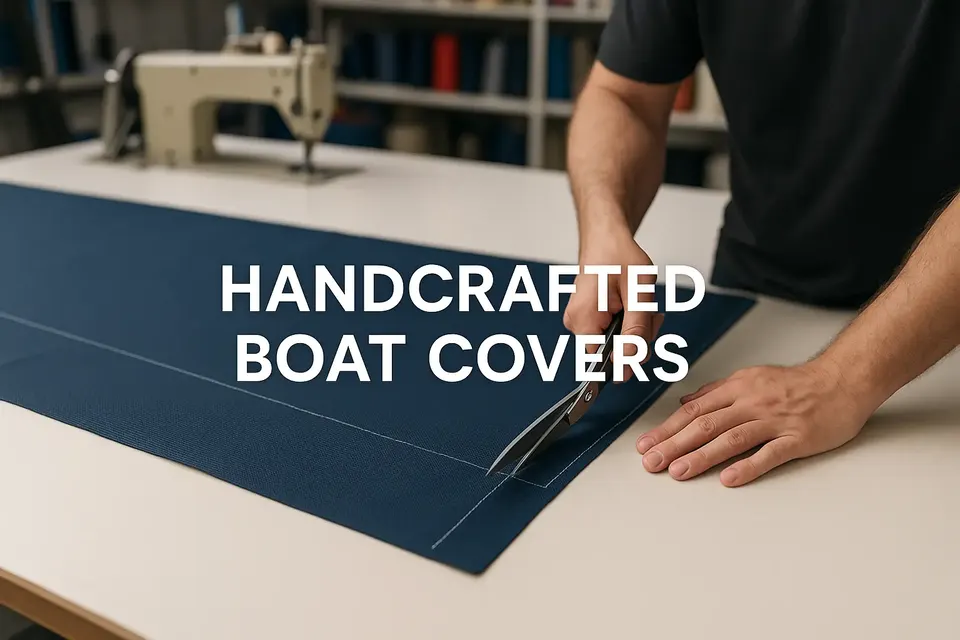
- Precision Replication: Upon receipt, UK Boat Covers’ expert craftspeople meticulously unpick and analyse the old cover. They use its exact dimensions, seam lines, fastener positions, and unique features to create a digital pattern. This ensures that every curve, every angle, and every attachment point of the original custom fit is perfectly replicated.
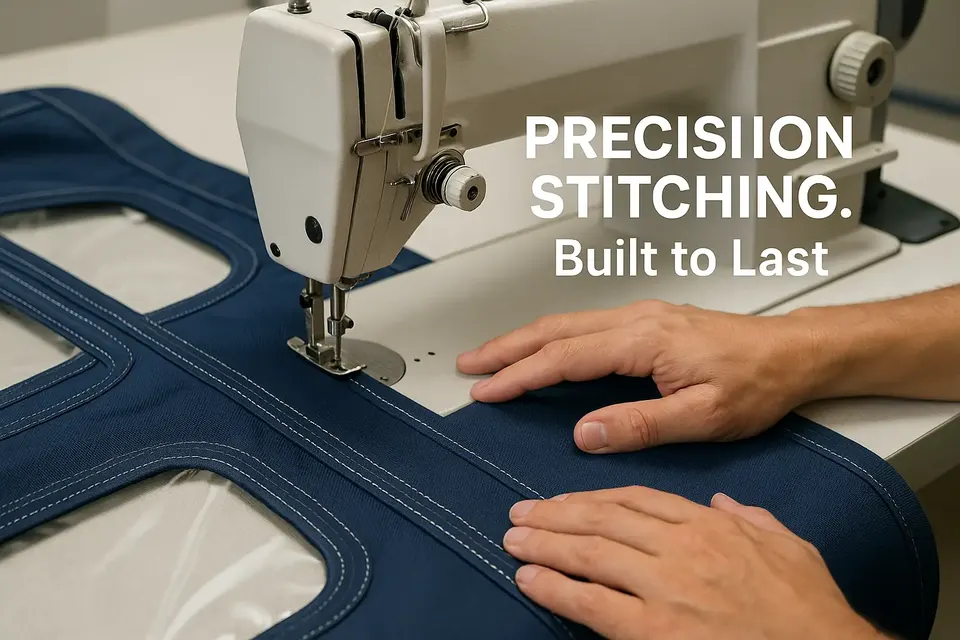
- Crafting with Quality: Using the highest quality marine-grade fabrics (chosen for UV resistance, water repellency, and breathability) and robust, UV-resistant threads, the new cover is precision-cut and expertly stitched. Reinforcements are added at stress points, and new marine-grade fasteners are incorporated.
- Rigorous Quality Control: Each new cover undergoes a thorough quality inspection to ensure it meets the highest standards of craftsmanship and accuracy to the original template.
- Rapid Turnaround and Delivery: The newly crafted, perfectly fitting boat cover is then carefully packaged and dispatched back to the Dartmouth boat owner. The entire process, from receiving the old cover to dispatching the new one, is completed within a remarkable an agreed dispatch timeframe.
Benefits for Dartmouth Boaters:
- Perfect Custom Fit Guaranteed: By using the existing cover as a template, UK Boat Covers guarantees a fit that is as good, if not better, than the original, perfectly accommodating the unique shape of each sailing yacht, cabin cruiser, river boat, day cruiser, or fishing boat. This eliminates common problems like flapping in high winds, water pooling, and inadequate coverage.
- Unparalleled Convenience: No need for boat owners to travel, or for the manufacturer to visit the boat at its Dartmouth mooring or yard. The postal service minimises disruption and saves valuable time, a significant advantage for busy boaters.
- Exceptional Speed: A dispatch timing agreed before ordering means minimal downtime for the boat, ensuring it is protected as quickly as possible, especially critical during seasonal changes or unexpected weather shifts.
No VAT Pricing Advantage: Value Without Compromise
In addition to their efficient service, UK Boat Covers offers a compelling financial advantage: no VAT pricing. For eligible customers (this often applies to certain business structures, export sales, or specific criteria that should be verified directly with the company), this translates into substantial savings.
- Significant Cost Reduction: The absence of Value Added Tax on the purchase price means customers receive a top-tier, custom-made product at a significantly reduced cost compared to VAT-inclusive alternatives.
- Premium Quality, Accessible Price: This pricing model allows Dartmouth boat owners to invest in superior, custom-fit protection without the premium price tag typically associated with bespoke marine canvas work. It makes high-quality protection more accessible, encouraging more owners to properly safeguard their vessels.
- Investment in Longevity: By saving on VAT, owners can allocate resources to choosing even more durable fabrics or additional features, further enhancing the longevity and protection offered by their new cover. This ensures that the investment in a custom cover truly pays dividends over the lifespan of the boat.
Choosing the Right Cover: A Dartmouth Boater's Guide
Selecting the appropriate cover involves considering several factors specific to your boat and how it’s used in Dartmouth:
- Boat Type and Usage: A sailing yacht laid up for winter will need a full, breathable cover, whereas a day cruiser used weekly might benefit from a quick-deploying tonneau cover and a permanent canopy. Cabin cruisers often need comprehensive cockpit enclosures.
- Storage Location: Boats on exposed swinging moorings demand more robust and securely fastened covers than those in sheltered marina berths.
- Material Choice: Discuss fabric options with UK Boat Covers. Consider the balance of UV resistance, water repellency, breathability, and budget. For Dartmouth, always lean towards higher UV and salt-resistant materials.
- UK Boat Covers makes covers for specific areas, including cockpit and tonneau covers, cratch covers and replacement canopy canvas. We do not make whole-boat or winter-storage covers, or supply or install supporting framework. Tell us which area needs covering before requesting a quote.
- Tie-Downs and Reinforcement: Pay attention to how the cover will be secured. Strong, well-placed tie-downs and reinforced stress points are vital to withstand Dartmouth’s coastal winds.
Proper maintenance of the cover itself is also key: regular cleaning with mild soap and water, ensuring it’s dry before long-term storage, and prompt repair of any minor tears will significantly extend its life.
Conclusion: Safeguarding Dartmouth's Maritime Legacy
Dartmouth's charm is inseparable from its dynamic river and harbour, bustling with the activity of sailing yachts, cabin cruisers, river boats, day cruisers, and fishing boats. These vessels are not just modes of transport; they are passions, investments, and embodiments of a cherished lifestyle. However, the coastal environment, while beautiful, presents a formidable array of challenges – the corrosive sting of salt spray, the relentless force of coastal winds, and the insidious degradation of UV radiation.
In this context, high-quality, custom-fit boat covers, canopies, tonneau covers, and spray hoods are not a luxury but an absolute imperative. They are the frontline defence, preserving the aesthetic beauty, structural integrity, and long-term value of Dartmouth’s cherished fleet. They reduce maintenance, enhance security, and ensure that when the call of the Dart is heard, every vessel is ready to respond.
For Dartmouth boat owners seeking unparalleled protection and convenience, UK Boat Covers offers a compelling proposition. Their expert craftsmanship, combined with the innovative postal service with agreed dispatch timing for precision custom replication and the significant financial advantage of no VAT pricing, provides a robust and accessible solution for safeguarding vessels against the West Country’s maritime elements. Investing in a tailored cover from UK Boat Covers is not just a purchase; it is a commitment to the longevity, beauty, and enduring enjoyment of your prized vessel on the magnificent waters of Dartmouth.