Guardians of the Quays: Protecting Your Vessel from Portishead’s Coastal Embrace
Nestled on the eastern flank of the Severn Estuary, Portishead presents a picturesque and vibrant maritime haven. With its modern marina, historic lighthouse, and bustling quayside, it's a magnet for those drawn to the sea. From the graceful lines of sailing yachts gliding across the Bristol Channel to the sturdy presence of cabin cruisers offering comfortable escapes, the waters here are alive with a diverse fleet. Yet, the very beauty and allure of Portishead’s coastal location come hand-in-hand with formidable challenges for any vessel. The relentless salt spray, the invigorating yet often harsh coastal winds, and the pervasive, silent assault of ultraviolet (UV) radiation from the sun combine to create an environment that can rapidly diminish a boat’s condition, longevity, and intrinsic value.
For the discerning boat owner in Portishead, protecting their cherished asset is not merely an option but a paramount necessity. This comprehensive guide delves into the specific environmental rigours faced by vessels in this unique West Country setting and unequivocally demonstrates why high-quality boat covers, canopies, tonneau covers, and spray hoods are not just accessories, but essential guardians. We will explore the types of vessels that call Portishead home, the specific cover solutions tailored to each, and introduce a streamlined, cost-effective service from UK Boat Covers, designed to equip Portishead’s boating community with bespoke protection, leveraging a unique postal service and a significant VAT-free pricing advantage.
Portishead: A Gem on the Severn Estuary and Its Boating Heart
Portishead has undergone a remarkable transformation from a historic port to a thriving coastal town and modern marina complex. Portishead Quays Marina, a jewel in the crown of the Severn Estuary, offers berths for hundreds of vessels, accommodating everything from modest day cruisers to substantial sailing yachts and cabin cruisers. This vibrant hub is more than just a place to moor; it's a community where fellow enthusiasts share a passion for the water, whether navigating the intricate currents of the Severn, exploring the Bristol Channel, or venturing further afield.
The marina itself is a testament to thoughtful design, offering excellent facilities for berth holders. However, its very location, exposed to the vast expanse of the estuary and the Bristol Channel, means that boats here are constantly exposed to the full force of maritime weather. The strong tidal range of the Severn, amongst the highest in the world, brings with it a dynamic and often demanding environment. This makes the local weather challenges particularly pronounced and the need for robust protection undeniable. The waters teem with activity, from recreational sailing to more serious fishing expeditions, underscoring the diversity of craft and their specific protective requirements.
The Unrelenting Gauntlet: Portishead's Maritime Weather Challenges
Understanding the specific threats to your vessel in Portishead is the first step towards effective protection. The unique microclimate of the Severn Estuary and Bristol Channel combine to create a particularly corrosive and damaging environment.
1. Salt Spray: The Insidious Corrosive
The air around Portishead is perpetually charged with microscopic salt particles, carried inland by the prevailing winds and whipped up from the turbulent waters of the Bristol Channel. This omnipresent salt spray is perhaps the most insidious threat to any boat.
- Corrosion of Metal Fittings: Stainless steel, aluminium, brass, and even chromed components, despite their marine-grade designation, are susceptible. Salt accelerates oxidation, leading to pitting, rust stains, and eventually structural weakening. This affects everything from deck cleats and stanchions to mast fittings and delicate navigational equipment. Once corrosion takes hold, it can spread rapidly, compromising both the aesthetic appeal and the structural integrity of your vessel.
- Degradation of Deck Surfaces: Teak decks, often prized for their beauty, absorb salt, leading to premature greying, cracking, and a loss of natural oils. GRP (Glass Reinforced Plastic) or gelcoat surfaces, while resilient, can become dull, develop unsightly salt deposits, and over time, experience osmotic blistering if not meticulously cared for. Non-slip surfaces, crucial for safety, can become clogged with salt crystals, reducing their effectiveness and harbouring dirt.
- Damage to Upholstery and Fabrics: Exposed cushions, cockpit seating, and interior fabrics can absorb salt, leading to a gritty texture, accelerated fading, and the potential for mould and mildew growth when combined with moisture. Salt crystals can also abrade fabric fibres, shortening their lifespan.
- Impact on Electronics and Wiring: Even seemingly protected electrical systems can suffer. Salt particles, especially when combined with humidity, can penetrate control panels, wiring looms, and navigation displays, causing short circuits, intermittent failures, and general corrosion of contacts. This can be a costly and dangerous issue, particularly for vessels relying on sophisticated electronic aids.
- Maintenance Burden: The constant battle against salt residue means endless rinsing, wiping, and polishing. Without adequate protection, this maintenance burden becomes a daily chore, detracting from the pleasure of boat ownership.
2. Coastal Winds: Nature's Unseen Hammer
The Severn Estuary is renowned for its strong tidal currents and often robust winds. While exhilarating for sailors, these persistent coastal winds present a significant challenge for moored vessels.
- Physical Abrasion and Chafing: Even when securely moored, a boat is constantly moving in response to wind and waves. This movement can cause ropes to chafe against stanchions, cleats, and hull surfaces. Unprotected lines or covers can rub against deck gear, leading to wear and tear. Over time, this constant friction can erode finishes and weaken crucial components.
- Structural Stress: Prolonged exposure to strong winds can put undue stress on a boat’s superstructure, rigging (for sailing yachts), and mooring lines. While modern vessels are designed to withstand significant forces, chronic exposure can contribute to fatigue and accelerated wear.
- Debris Impact: Winds carry not only salt but also dust, grit, leaves, bird droppings, and other debris. This material can settle on decks and in cockpits, clogging drains, scratching surfaces, and providing a fertile ground for mould and mildew growth. Heavy gusts can even dislodge small objects, causing impact damage.
- Chilling and Moisture Intrusion: Strong winds can drive rain and spray into crevices, lockers, and even through seemingly sealed hatches, contributing to interior dampness. The chilling effect of wind also makes drying slower, exacerbating mould and mildew issues inside the vessel.
3. UV Exposure: The Sun's Silent Threat
While often welcomed, the sun's ultraviolet (UV) radiation is a relentless and destructive force, silently degrading virtually every material on a boat.
- Gelcoat Fading and Oxidation: The lustrous finish of a GRP hull, known as gelcoat, is particularly vulnerable to UV. Over time, it will oxidise, leading to a chalky, dull appearance and significant fading of coloured sections. This not only detracts from the boat’s aesthetics but also requires intensive restoration work.
- Fabric and Upholstery Degradation: All marine fabrics, from sail covers to cockpit cushions, will fade, weaken, and eventually disintegrate under prolonged UV exposure. Stitching, often made from UV-resistant thread, still has a finite lifespan when constantly bombarded by sunlight. This results in brittle, torn fabrics that look unsightly and offer diminished protection.
- Plastic and Rubber Embrittlement: Components made of plastic or rubber, such as window seals, deck hatches, fender lines, and electrical insulation, become brittle, crack, and lose their flexibility when exposed to UV. This compromises their sealing capabilities and structural integrity.
- Wood Degradation: Teak and other marine timbers, if not consistently oiled or varnished, will grey, crack, and delaminate due to UV exposure, necessitating costly and time-consuming restoration.
- Electronics Damage: The plastic housings and screens of navigation equipment, radios, and other electronics can degrade and become cloudy or brittle under UV, impairing visibility and functionality.
These three forces, often acting in concert, pose a formidable threat to the longevity, performance, and aesthetic appeal of any vessel berthed in Portishead. Without a robust defence, the joy of ownership can quickly be overshadowed by the burden of constant maintenance and premature degradation.
Beyond Aesthetics: The Essential Role of Boat Covers in a Coastal Environment
Given the challenges outlined above, it becomes clear that boat covers are far more than just cosmetic enhancements. For Portishead's boat owners, they are an indispensable investment in the health and longevity of their vessel.
1. Comprehensive Environmental Protection
The primary role of a high-quality boat cover is to create a physical barrier between your vessel and the elements. This single act of protection mitigates all the environmental threats discussed:
- Shield against Salt Spray: A cover completely blocks salt particles from settling on decks, fittings, upholstery, and into crevices, dramatically reducing corrosion and salt build-up.
- Defence against Wind Damage: By securing the boat's exposed surfaces, a cover prevents wind-borne debris from landing on deck, reduces chafe by securing loose items, and minimises the ingress of wind-driven rain and spray into the cockpit or cabin. It also protects vulnerable rigging and deck gear on sailing yachts.
- Impenetrable UV Barrier: A well-designed cover made from UV-resistant fabric absorbs the sun's damaging rays, preventing them from reaching your boat's gelcoat, fabrics, plastics, and wood surfaces. This is paramount for preserving colours, preventing embrittlement, and maintaining the structural integrity of materials.
- Protection from Contaminants: Beyond natural elements, covers protect against bird droppings, tree sap, industrial fallout (if applicable in the area), and general atmospheric pollution that can stain and degrade surfaces.
2. Preservation of Value and Aesthetic Appeal
A boat is often a significant financial investment. Just like a house or a car, its condition directly impacts its resale value. A boat that has been consistently covered will demonstrably look better and command a higher price than an uncovered counterpart.
- Retained Finish: Gelcoat remains lustrous, upholstery vibrant, and wood finishes intact, showcasing a vessel that has been cherished and maintained.
- Delayed Depreciation: By preventing premature wear and tear, a cover significantly slows the rate of depreciation, ensuring your investment holds its value for longer.
- First Impressions: A clean, well-preserved boat makes a far better impression on potential buyers, suggesting a conscientious owner.
3. Reduced Maintenance and Cleaning Burden
Imagine the hours saved by not having to scrub off salt deposits, polish dulled gelcoat, or painstakingly clean bird droppings. A cover significantly reduces the frequency and intensity of cleaning required.
- Less Frequent Washing: With less dirt, salt, and debris accumulating, your boat will require less frequent washing and detailing, freeing up your valuable time.
- Preventative vs. Corrective Maintenance: Covers enable preventative maintenance, heading off damage before it occurs, which is invariably less time-consuming and costly than corrective repairs (e.g., polishing oxidised gelcoat versus simply maintaining a clean, covered surface).
4. Extended Lifespan for All Components
Every part of your boat, from the smallest cleat to the largest canvas, benefits from protection. This holistic safeguarding extends the operational life of countless components.
- Fabric Longevity: Sails, sail covers, bimini tops, and cockpit cushions will last significantly longer if protected from constant UV exposure and harsh weather.
- Hardware and Fittings: Reduced exposure to salt and UV means less corrosion and degradation for all deck hardware, electronics, and mechanical components.
- Interior Protection: By preventing moisture ingress and UV penetration, covers help maintain a dry, clean interior environment, greatly reducing the risk of mould, mildew, and sun damage to cabin furnishings.
5. Enhanced Security and Peace of Mind
While not their primary function, well-fitted boat covers can offer a subtle layer of security. They conceal valuable equipment and electronics from casual observation, acting as a deterrent to opportunistic theft. More importantly, they offer immense peace of mind, knowing that your vessel is sheltered from the worst that Portishead’s coastal climate can throw at it, allowing you to relax and enjoy your time on the water without constant worry about your boat's condition.
Tailored Protection: Covers for Portishead's Diverse Fleet
Portishead's waters host a variety of vessels, each with unique design characteristics and corresponding cover requirements. UK Boat Covers understands this diversity and offers bespoke solutions for the most popular types found in the marina.
1. Sailing Yachts: Grace Under Canvas
Sailing yachts, with their intricate rigging and expansive deck areas, are particularly vulnerable to the elements. Their canvas components – sails, spray hoods, and boom covers – are central to their operation and require meticulous protection.
- Spray Hoods: These essential covers are positioned over the companionway, offering vital protection to the cockpit area and interior from spray, wind, and rain. A well-designed spray hood provides a sheltered space for helmsmen and crew, enhancing comfort and extending the sailing season. For Portishead, a robust spray hood is critical for navigating the often-choppy waters of the Bristol Channel, keeping the cockpit dry and reducing fatigue. Modern spray hoods often include clear windows for visibility, requiring high-quality, UV-stable materials to prevent yellowing and cracking. They must be perfectly fitted to prevent flapping and ensure maximum efficacy.
- Canvas Covers (Boom Covers & Full Deck Covers):
- Boom Covers (Mainsail Covers): These covers specifically protect the mainsail when it's flaked on the boom. Crucially, they shield the sail fabric from UV degradation, preventing the weakening and discolouration that can drastically shorten a sail's life. In Portishead, where the sun can be strong even on cooler days, a good boom cover is non-negotiable for preserving your valuable mainsail.
- Full Deck Covers: For yachts that are laid up for extended periods or for owners seeking comprehensive protection, a full deck cover (often mast-up or mast-down designs) is invaluable. These covers encapsulate the entire deck, protecting all deck gear, winches, hatches, and the cockpit from salt, UV, and debris. They significantly reduce the cleaning burden and preserve the entire exterior, from bow to stern. Custom-fitted full covers ensure adequate ventilation, preventing moisture build-up and mould.
2. Cabin Cruisers: Comfort Encased
Cabin cruisers are designed for comfort and extended stays on the water, offering sheltered living spaces. However, their exposed cockpits and large window areas are prime targets for the elements.
- Canopies (Biminis & Full Enclosures):
- Bimini Tops: These provide essential shade over the cockpit area, protecting occupants from intense sun and offering a degree of shelter from light rain. For Portishead, a sturdy bimini can greatly enhance comfort during sunny days, preventing sun exposure and making the cockpit a much more inviting space.
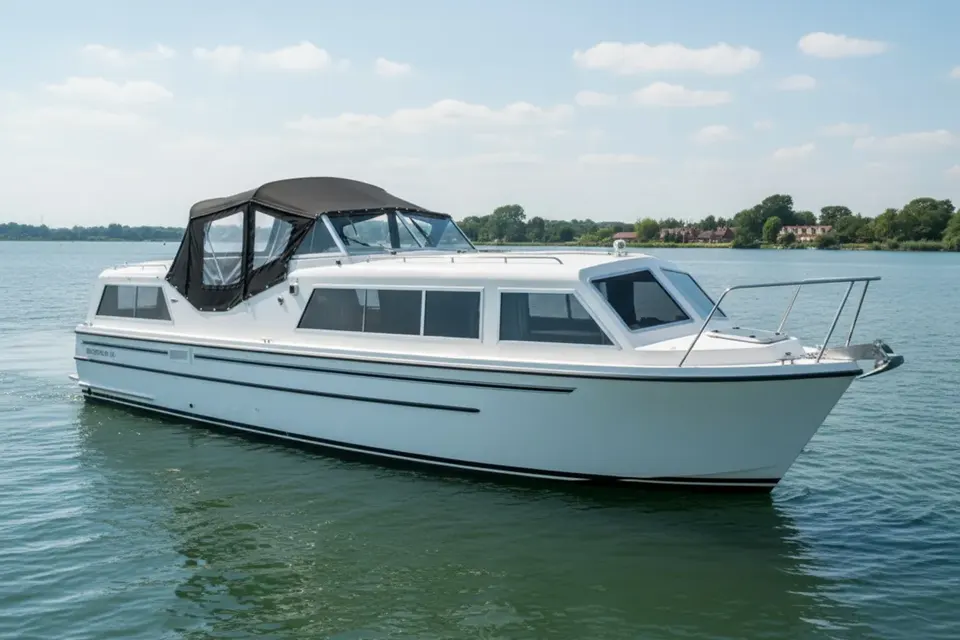
- Full Enclosures: Taking protection a step further, full enclosures convert the cockpit into an additional, weatherproof living space. Utilising clear side and aft panels that zip into the bimini frame, they shield against wind, rain, and spray, extending the usable space of the cabin cruiser year-round. This is particularly beneficial in Portishead, where the weather can be unpredictable. A well-designed enclosure allows for heating in colder months, effectively expanding the boat's utility.
- Tonneau Covers: A tonneau cover is a vital accessory for a cabin cruiser, specifically designed to protect the open cockpit area when the boat is moored or not in use. It snaps securely around the cockpit coaming, forming a taut barrier against rain, salt spray, UV, and debris. For Portishead, a tonneau cover prevents water accumulation in the cockpit, keeps upholstery dry, and significantly reduces cleaning. It’s an ideal solution for daily protection without the need for a full canopy.
3. River Boats, Day Cruisers & Fishing Boats: Targeted Toughness
While perhaps smaller or more utilitarian than sailing yachts or cabin cruisers, these vessels are no less susceptible to Portishead's harsh environment and often benefit profoundly from tailored covers.
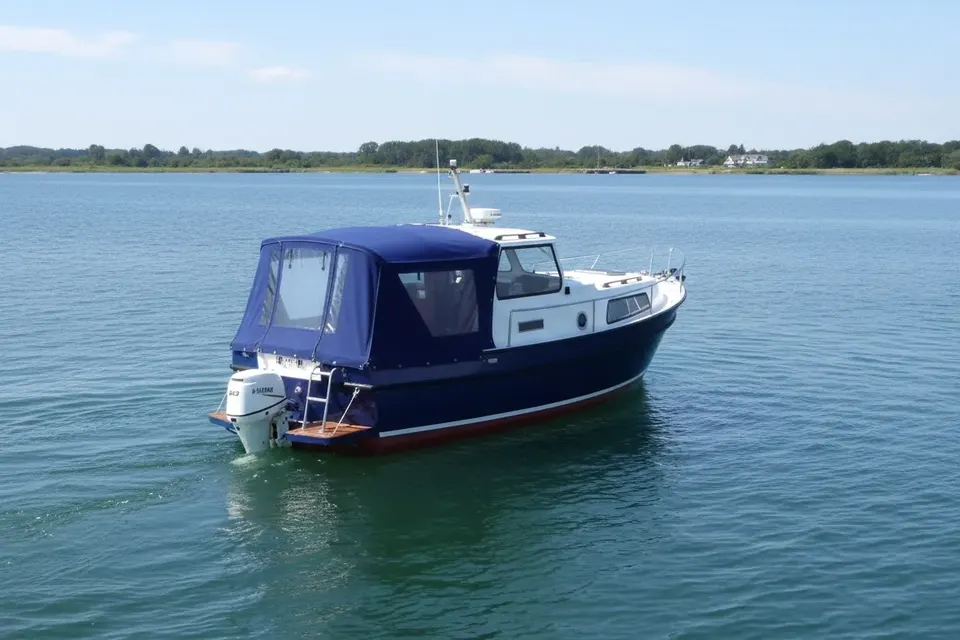
- Tonneau Covers: For day cruisers and fishing boats with open or partially open cockpits, a tonneau cover is the workhorse of protection. It completely covers the exposed seating, console, and deck areas, safeguarding electronics, upholstery, and fishing gear from all elements. This prevents constant cleaning and keeps the vessel ready for immediate use. For river boats, it keeps the interior dry and free of leaves and debris during mooring.
- Canopies (Bimini Tops): Many day cruisers and fishing boats benefit from a simple bimini top, offering crucial shade on sunny days and protection from light showers. This makes extended trips more comfortable and protects occupants from UV exposure.
- Custom Canvas Covers: For vessels with unique console designs or specific equipment (like fish finders, radars, or particular seating arrangements), custom-fitted canvas covers are ideal. These covers are tailored precisely to the contours of the boat, ensuring maximum protection without impeding functionality. They can cover specific areas like instrument panels, individual seats, or entire open areas, offering robust defence against salt, sun, and grime.
Choosing the right material is also paramount. Marine-grade acrylic canvas (like Sunbrella or similar) is highly favoured for its exceptional UV resistance, breathability (reducing mould), and durability against salt and abrasion. PVC-coated polyester offers superior waterproofing and strength, often used for travel covers or areas requiring extreme weather protection. Expert stitching with UV-resistant thread and high-quality stainless steel or brass hardware ensures the cover itself withstands the rigours of the Portishead environment.
UK Boat Covers: A Streamlined Solution for Portishead's Boaters
For Portishead boat owners, the search for the perfect protective cover often involves a dilemma: custom-made covers offer the best fit and protection but can be expensive and time-consuming; off-the-shelf options are cheaper but rarely fit perfectly, leading to flapping, inadequate protection, and premature wear. UK Boat Covers addresses this challenge with an ingenious, customer-centric approach specifically designed for convenience, precision, and affordability.
The postal service with agreed dispatch timing: Precision and Convenience, Delivered
The cornerstone of UK Boat Covers' offering is their unique and highly efficient postal service with agreed dispatch timing. This innovative system eliminates the need for expensive on-site measuring or the guesswork associated with generic sizing, ensuring a perfect, custom fit for your vessel.
Here's how it works:
- Send Your Old Cover: The process begins with you, the boat owner, sending your existing, worn-out cover, canopy, tonneau cover, or spray hood to UK Boat Covers. This old cover, even if damaged or faded, serves as the exact template for your new one.
- Precision Replication: UK Boat Covers’ skilled craftsmen meticulously deconstruct the old cover, taking precise measurements, noting stitching patterns, and identifying hardware placement. They then use this blueprint to cut and stitch an entirely new cover, ensuring every curve, seam, and attachment point matches the original – or improves upon it if specific requests are made.
- High-Quality Materials: Your new cover is crafted from premium marine-grade materials, chosen for their superior UV resistance, water repellency, breathability, and durability – perfectly suited to withstand Portishead’s coastal climate.
- Rapid Turnaround: The entire process, from receiving your old cover to dispatching your brand-new, custom-fitted cover, typically takes just an agreed dispatch timeframe. This rapid turnaround minimises the time your boat is left exposed, ensuring continuous protection.
- Direct Delivery: Your new cover is then securely packaged and posted directly back to you in Portishead, ready to be fitted to your vessel.
This postal service is a game-changer for Portishead’s boaters. It offers the precision of a bespoke, tailor-made cover without the associated logistical headaches or extended waiting times. It’s convenient, accurate, and ensures that the replacement cover fits like a glove, providing optimal protection and aesthetics.
The No VAT Advantage: Quality without Compromise
In addition to their efficient service, UK Boat Covers offers a significant financial advantage: they do not charge VAT (Value Added Tax) on their products. This directly translates into substantial savings for the customer.
For many boat owners, the cost of high-quality marine canvas can be a barrier to acquiring essential protection. By operating outside the VAT system, UK Boat Covers can provide premium, custom-made covers at a price point that is often considerably lower than competitors who must factor in the 20% tax. This means that Portishead boat owners can invest in top-tier protection – durable, UV-resistant, perfectly fitted canvas – without compromising their budget. It democratises access to custom-made covers, making them an accessible and obvious choice for a wider range of vessels and owners. This unique pricing structure, combined with the rapid postal service, positions UK Boat Covers as an unparalleled option for value, quality, and convenience for the Portishead boating community.
Conclusion: Investing in Peace of Mind at Portishead
For those who cherish their vessels in Portishead, the call of the sea is undeniable. But with that allure comes the responsibility of protecting against the unique and relentless challenges of a coastal environment. The corrosive salt spray, the unyielding coastal winds, and the silent, destructive power of UV radiation are not merely inconvenient weather phenomena; they are active agents of decay that can rapidly diminish a boat’s condition, longevity, and value.
The solution is clear: high-quality, custom-fitted boat covers, canopies, tonneau covers, and spray hoods are not luxury items but indispensable guardians. They serve as an impenetrable shield, preserving gelcoat, extending the life of fabrics, preventing corrosion of fittings, and dramatically reducing the burden of maintenance. Whether you own a graceful sailing yacht navigating the Bristol Channel, a comfortable cabin cruiser enjoying the estuary, or a diligent fishing boat seeking the day’s catch, tailored protection is paramount.
UK Boat Covers stands as an ideal partner for Portishead’s boating enthusiasts. Their innovative postal service with agreed dispatch timing offers an unrivalled combination of convenience and precision, ensuring that your new cover is a perfect, custom fit, crafted from the finest marine-grade materials. Coupled with their unique "no VAT" pricing advantage, they deliver exceptional value, making premium protection accessible without compromise.
By investing in a bespoke cover from UK Boat Covers, Portishead boat owners are not just buying a piece of canvas; they are securing the aesthetic appeal, structural integrity, and long-term value of their cherished vessel. They are buying peace of mind, allowing them to fully embrace the joys of Portishead’s maritime lifestyle, confident that their boat remains a pristine sanctuary, ready for the next adventure, no matter what the West Country weather may bring.