Guardians of the Tide: Why High-Quality Boat Covers are Indispensable for Exmouth's Coastal Craft
The vibrant coastal town of Exmouth, nestled on the eastern bank of the River Exe estuary where it meets the vast expanse of Lyme Bay, is a haven for those who cherish life on the water. Its marina hums with the gentle clinking of halyards against masts and the quiet bobbing of vessels, from graceful sailing yachts to sturdy cabin cruisers, elegant day cruisers, and the workhorse fishing boats. The beauty of Exmouth’s maritime landscape is undeniable, a tapestry woven with sea air, stunning vistas of the Jurassic Coast, and the ever-present rhythm of the tides.
Yet, this idyllic setting, with its invigorating sea breezes and glorious sunshine, harbours a relentless foe for any vessel moored or stored here: the harsh realities of a coastal environment. Salt spray, fierce coastal winds, and relentless UV exposure are not merely minor nuisances; they are formidable adversaries capable of significantly degrading a boat’s integrity, aesthetics, and value over time. For the discerning boat owner in Exmouth, the question is not if to protect their cherished craft, but how to do so effectively. The answer, for countless mariners who understand the long-term value of preventative care, lies in high-quality, custom-fitted boat covers, canopies, tonneau covers, and spray hoods – the unsung heroes that stand sentinel against the elements.
This comprehensive guide will delve into the specific challenges faced by boats in Exmouth, illuminate why robust covers are not just an accessory but an absolute essential, explore the diverse fleet that graces the Exe, dissect the various types of covers available, and finally introduce a truly innovative and cost-effective solution offered by UK Boat Covers, a service perfectly tailored to the needs of Exmouth's boat owners.
Exmouth: A Coastal Haven with Hidden Challenges
Exmouth's geographical position offers both charm and specific environmental hazards. The town sits at the mouth of the River Exe, a major estuary that funnels both fresh river water and saltwater from Lyme Bay. This creates a dynamic, sometimes turbulent, environment that directly impacts vessels.
1. The Corrosive Caress of Salt Spray:
The most pervasive and insidious threat in Exmouth is salt spray. Carried on the sea breeze, microscopic salt particles settle on every surface of a boat, both above and below deck. Over time, this salt acts as a highly corrosive agent.
- Gelcoat and Paintwork: Salt accelerates oxidation, leading to dulling, chalking, and eventually cracking of gelcoat and painted surfaces. Once compromised, these protective layers allow moisture ingress, leading to blistering and structural issues.
- Metal Fittings: Stainless steel, aluminium, and other marine metals, while designed for robustness, are not impervious. Salt encourages galvanic corrosion, rust, and pitting, compromising structural integrity and leading to costly replacements.
- Upholstery and Fabrics: Salt crystals can abrade and degrade marine-grade upholstery, canvas, and rigging. They can also trap moisture, fostering mildew and mould growth in confined spaces like cabins and storage lockers.
- Electronics: Even with water-resistant casings, persistent salt spray can find its way into electrical connections, causing shorts, corrosion, and system failures – a particular concern for complex navigation and communication equipment on sailing yachts and cabin cruisers.
2. The Relentless Force of Coastal Winds:
Exmouth, being on the West Country coast, is routinely exposed to strong winds, particularly during autumn and winter gales that sweep in from the Atlantic. Even on calmer days, sustained breezes can cause significant wear and tear:
- Chafing and Abrasion: Lines, fenders, and unsecured covers can chafe against gelcoat, wooden trim, and metalwork, leaving unsightly marks and eroding protective layers.
- Structural Stress: Prolonged exposure to high winds puts stress on mast and rigging, deck fittings, and even the hull itself. While covers protect surfaces, poorly fitted or flimsy covers can actually become wind traps, exerting immense pressure on fastenings and risking damage to both the cover and the boat.
- Debris Impact: Winds carry dust, sand, leaves, and other debris. This can scratch surfaces, clog drains, and introduce organic matter that encourages mould and staining.
3. The Silent Destroyer: UV Exposure:
The South West of England enjoys its fair share of sunshine, and while delightful for human enjoyment, ultraviolet (UV) radiation is a powerful destroyer of marine materials.
- Fading and Discolouration: Gelcoat, painted surfaces, and canvas covers will fade and discolour over time, losing their vibrant appearance and making a boat look neglected.
- Material Degradation: UV rays break down the molecular bonds in plastics, vinyl, rubber, and even certain types of marine fabrics. This leads to brittleness, cracking, and a significant reduction in the lifespan of everything from cleats and hatch covers to tender tubes and deck furniture.
- Sealant and Adhesive Failure: UV weakens sealants and adhesives, potentially leading to leaks around windows, hatches, and deck fittings, jeopardising the watertight integrity of cabins and storage areas.
These combined elements mean that a boat left unprotected in Exmouth's environment is constantly under assault, leading to accelerated depreciation, increased maintenance costs, and a diminished boating experience.
The Indispensable Role of Boat Covers in Coastal Environments
Given the formidable array of challenges, the argument for high-quality boat covers in Exmouth transforms from a matter of convenience to one of absolute necessity. They are the first line of defence, a protective cocoon that shields your investment from the worst that Mother Nature, and indeed, human factors, can throw at it.
1. Comprehensive Protection Against the Elements:
- Barrier to Salt: A well-fitted cover acts as a physical barrier, preventing salt spray from settling on the vast majority of the boat’s surfaces. This significantly reduces corrosion of gelcoat, metalwork, and electrical components.
- Wind and Debris Shield: Covers deflect wind-borne debris, preventing scratches and accumulation of dirt. A snug fit prevents the cover itself from becoming a wind trap, reducing chafing and stress on the boat.
- UV Blockade: The primary function of marine-grade cover fabrics is their high UV resistance. They absorb and deflect harmful UV rays, protecting the boat's underlying surfaces, fabrics, and plastics from fading, cracking, and degradation. This is particularly crucial for sailing yachts with their extensive deck gear and exposed cabins, and for cabin cruisers with their larger surface areas.
2. Extended Lifespan and Value Preservation:
By protecting a boat from the elements, covers directly contribute to its longevity. Reduced exposure to salt, wind, and UV means less wear and tear on all components. This translates into:
- Lower Maintenance Costs: Fewer repairs for faded gelcoat, corroded fittings, or degraded upholstery.
- Higher Resale Value: A boat that has been consistently covered will present in significantly better condition than an uncovered one, commanding a higher price in the secondary market. The aesthetic appeal alone is a major selling point.
3. Interior Sanctuary: Dryness and Freshness:
Even on vessels with tight-fitting hatches and doors, some moisture inevitably finds its way inside, especially in a humid coastal environment. Covers offer an additional layer of protection:
- Prevents Leaks: They shield deck fittings, hatches, and window seals from direct rain and spray, minimising the chances of leaks into cabins.
- Reduces Condensation: While not eliminating it entirely, a breathable cover can help mitigate internal condensation by allowing some air circulation while keeping external moisture out.
- Mould and Mildew Prevention: By keeping interiors drier, covers significantly reduce the conditions conducive to mould and mildew growth, preserving upholstery, headliners, and the overall freshness of the cabin environment – a boon for cabin cruisers and sailing yachts with extensive interior spaces.
4. Enhanced Security and Deterrence:
A boat under cover is less inviting to casual theft or vandalism.
- Out of Sight, Out of Mind: A cover obscures valuable equipment and internal fittings from opportunistic eyes.
- Increased Effort: Removing a well-fitted cover adds a layer of effort for any potential intruder, acting as a deterrent. It also makes casual damage less likely.
5. Maintaining Aesthetic Appeal:
Beyond the practicalities, there's the simple pride of ownership. A boat that looks well-maintained and cared for is a joy to behold. Covers help keep the boat clean, free from bird droppings, pollen, and general grime, ensuring it always looks its best when uncovered and ready for adventure on the Exe or out in Lyme Bay.
The Diverse Fleet of Exmouth Marina
Exmouth Marina and the surrounding River Exe estuary host a fascinating array of vessels, each with their unique characteristics and specific covering needs. Understanding these nuances is key to selecting the right protection.
1. Sailing Yachts:
These elegant vessels, with their intricate rigging, numerous deck fittings, and exposed cockpits, are particularly vulnerable. Exmouth’s sailing community values their yachts not just for performance but for the lifestyle they represent.
- Needs: Protection for intricate deck gear (winches, cleats, stanchions), mast and boom (especially when stored), companionway, and cockpit. UV protection is paramount for sails, ropes, and dodgers.
- Common Covers: Full deck covers, boom covers, cockpit covers, spray hoods (often integrated with the dodger), and separate covers for specific pieces of equipment like dinghies or tenders.
2. Cabin Cruisers:
Designed for comfort and extended stays on the water, cabin cruisers feature significant interior spaces and larger, flatter deck areas. Their owners prioritize preserving the luxurious feel of the interior and the gleam of the exterior.
- Needs: Protection for large expanses of gelcoat, windows, deck hatches, and upholstery on flybridges or open cockpits. Keeping the interior dry and fresh is a major concern.
- Common Covers: Overall mooring covers, custom cockpit covers, bimini tops with side enclosures (canopies), and covers for individual seating areas or helm stations.
3. River Boats:
While many river boats stay further upstream on the Exe, some find their home in Exmouth Marina, especially those transitioning to or from coastal waters. These craft, often with wooden elements or more traditional designs, require particular care against damp and organic growth.
- Needs: Protection from rain, bird droppings, and river-borne debris. Breathability is crucial to prevent mildew in humid estuary conditions.
- UK Boat Covers makes covers for specific areas, including cockpit and tonneau covers, cratch covers and replacement canopy canvas. We do not make whole-boat or winter-storage covers, or supply or install supporting framework. Tell us which area needs covering before requesting a quote.
4. Day Cruisers:
These versatile boats, perfect for a day trip out into Lyme Bay or exploring the Exe estuary, often have open cockpits or partially covered areas. Their owners seek ease of use and quick deployment of covers.
- Needs: Protection for open seating, helm consoles, and any internal storage from sudden showers or when the boat is laid up.
- Common Covers: Snap-on tonneau covers, overall mooring covers (often quick to deploy), and sometimes compact canopies for sun protection.
5. Fishing Boats:
From small dorys to larger potters, Exmouth’s fishing fleet relies on ruggedness, but even these workhorses benefit immensely from protection. Expensive electronics, bait wells, and deck equipment need shielding.
- Needs: Protection for sensitive electronics (fishfinders, plotters), deck surfaces from fish guts and bait residue, and prevention of water ingress into storage lockers. Durability is key.
- UK Boat Covers makes covers for specific areas, including cockpit and tonneau covers, cratch covers and replacement canopy canvas. We do not make whole-boat or winter-storage covers, or supply or install supporting framework. Tell us which area needs covering before requesting a quote.
For each of these vessel types, the common thread is the need for a tailored, high-quality cover solution that specifically addresses their unique vulnerabilities and operational requirements in the challenging Exmouth environment.
Understanding the Types of Covers for Exmouth's Boats
When we talk about boat covers, the term encompasses a variety of protective solutions, each designed for specific purposes and boat areas.
1. Canvas Covers (General Term):
The term "canvas cover" is often used broadly, but in modern marine applications, it refers to covers made from high-performance synthetic fabrics rather than traditional cotton canvas, which can be prone to rot and mould.
- Materials:
- UK Boat Covers makes covers for specific areas, including cockpit and tonneau covers, cratch covers and replacement canopy canvas. We do not make whole-boat or winter-storage covers, or supply or install supporting framework. Tell us which area needs covering before requesting a quote.
- Coated Polyester: More affordable, often fully waterproof due to a PVC or urethane coating. Excellent for foul weather protection but can be less breathable than acrylic, requiring careful ventilation. Suitable for mooring covers, trailering covers.
- Vinyl: Extremely waterproof, often used for specific components like seat covers or bimini tops where absolute waterproofing is essential and breathability less of a concern.
- Features: Good canvas covers feature robust, UV-resistant stitching (often Gore-Tex thread), reinforced stress points, strong fastenings (snaps, ties, bungee cords), and often include ventilation vents to prevent heat buildup and condensation.
- Application: Used for overall mooring covers and custom covers for entire sections of sailing yachts, cabin cruisers, river boats, day cruisers, and fishing boats.
2. Canopies:
Canopies provide overhead shelter, offering protection from sun, rain, and spray while the boat is in use or at anchor. They are often semi-permanent structures.
- Types:
- Bimini Tops: Open-sided canvas tops supported by a collapsible frame, offering shade and light rain protection over a cockpit or helm station. Popular on day cruisers and cabin cruisers.
- T-Tops: Rigid or semi-rigid overhead structures, usually found on fishing boats, offering shade and often mounting points for electronics, lights, and rod holders.
- Full Enclosures: Extending from a bimini or T-top, these use clear vinyl windows and side panels to fully enclose a cockpit or helm area, offering complete weather protection for cabin cruisers and larger day cruisers, allowing for comfortable use in adverse conditions.
- Benefits: Crucial for comfort during long days on the water in Exmouth's changeable weather, protecting helmsmen and passengers from UV exposure and sudden squalls.
3. Tonneau Covers:
Similar in concept to pickup truck bed covers, marine tonneau covers are designed to cover open cockpits or specific open areas of a boat, often snapping into place.
- Application: Most commonly seen on day cruisers and smaller river boats to quickly secure and protect an open seating area or helm. They are also used on sailing yachts to cover the cockpit when not in use.
- Advantages: Lightweight, easy to install and remove, and provide excellent protection against rain, UV, and debris for the covered section. Often used for short-term protection or overnight mooring.
4. Spray Hoods:
A hallmark of sailing yachts, spray hoods are typically semi-rigid canvas structures that attach to the deck forward of the companionway or cockpit.
- Purpose: Their primary function is to deflect spray, wind, and rain away from the cockpit and the companionway, keeping the helmsperson and crew dry and comfortable. They often feature clear vinyl windows for visibility.
- Integration: Often designed to integrate seamlessly with a sailing yacht's dodger (which protects the companionway entrance) and cockpit tent, forming a complete protective enclosure for the crew area.
- Benefits: Essential for comfortable sailing in coastal conditions, particularly when heading out into Lyme Bay where waves and spray can be significant. They also offer crucial UV protection for instruments and crew.
The key to effective protection is not just the type of cover, but its quality, material, and most importantly, its fit. A custom-fitted cover ensures optimal protection, longevity, and aesthetics, hugging the boat's contours to prevent flapping, water pooling, and ineffective coverage.
Exmouth Marina and the River Exe: A Unique Mooring Context
Exmouth Marina, a bustling hub on the River Exe, provides comprehensive facilities for its diverse fleet. Its location, however, presents a unique set of challenges that magnify the importance of proper boat covering.
The marina itself is well-protected from direct sea swell, thanks to its position within the estuary. However, this doesn't shield vessels from the elements. The funneling effect of the estuary can amplify wind speeds, creating surprisingly gusty conditions even when the open sea is relatively calm. Furthermore, the constant tidal flow of the Exe, carrying both fresh and saltwater, contributes to a perpetually humid environment. This dampness, combined with the prevalent salt, creates a perfect breeding ground for mould, mildew, and corrosion if boats are left exposed.
Being a tidal marina, boats rise and fall with the ebb and flow, sometimes exposing their lower hulls to air and then submerging them again. This cycle, coupled with potential silt and organic matter from the river, means that any part of the boat left uncovered is subject to these dynamic, potentially abrasive, and corrosive influences.
The proximity to Lyme Bay means that boats frequently venture out into open coastal waters, encountering significant spray and stronger winds. Upon their return, these vessels bring back a fresh coating of salt and moisture, making immediate and effective protection paramount. Whether a vessel is kept in the water year-round or lifted ashore for winter storage, the need for robust covering remains constant. For those stored ashore, covers protect against environmental fallout, bird droppings, and UV degradation that can be just as intense on land as on water.
UK Boat Covers: Your Solution for Exmouth's Maritime Demands
Understanding these unique challenges faced by Exmouth boat owners, UK Boat Covers offers a service that is not just convenient but perfectly tailored to provide a superior, cost-effective solution for protecting valuable assets. Their approach to custom-fitted boat covers stands out in two significant ways: an innovative postal service with agreed dispatch timing and a distinct pricing advantage.
1. The "Send Old Cover, Receive New One" postal service with agreed dispatch timing:
This service is a game-changer for boat owners, especially those in locations like Exmouth where finding local, high-quality, and timely custom canvas work can be a challenge.
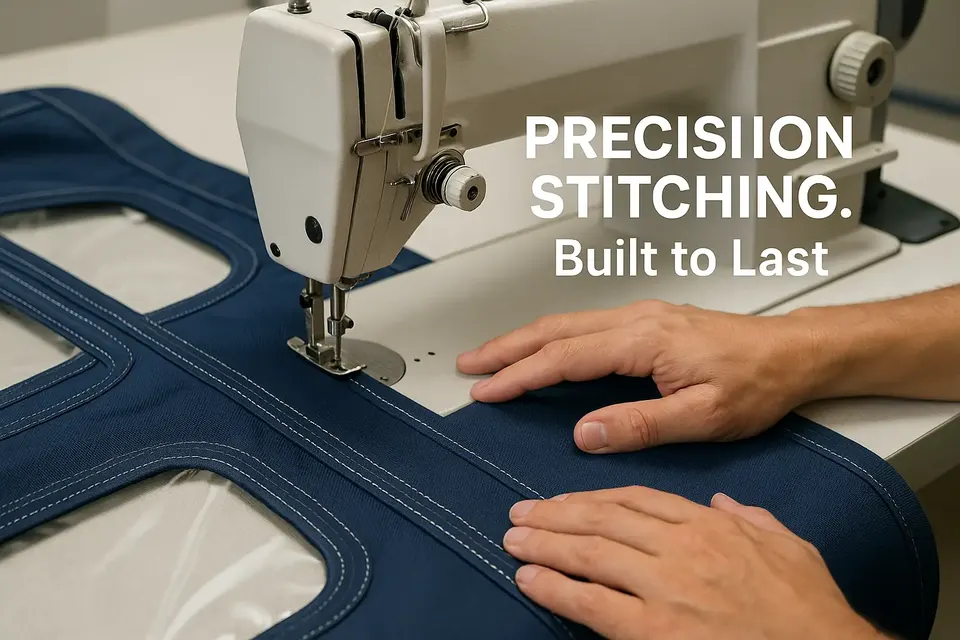
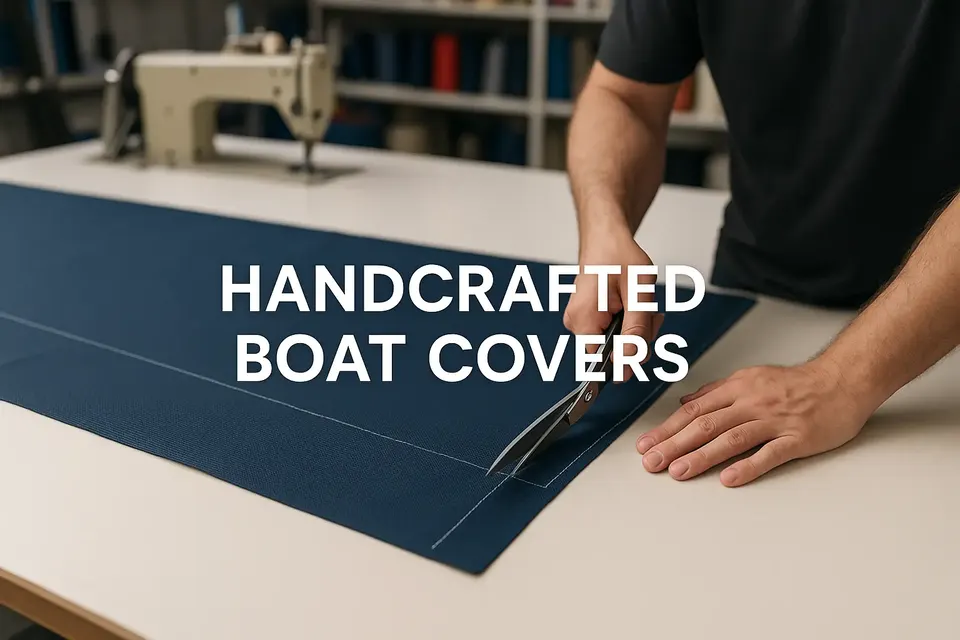
- How it Works: The process is remarkably straightforward. Owners simply package and send their old, worn-out boat cover to UK Boat Covers. Upon receipt, their skilled artisans meticulously use the old cover as a precise template. This ensures an absolutely perfect, custom fit for the new cover, replicating every curve, seam, and fastening point of the original. Within just an agreed dispatch timeframe of receiving the old cover, a brand-new, perfectly crafted cover is dispatched back to the owner.
- Unrivalled Convenience: For busy boat owners, this eliminates the need for multiple trips to a canvas shop, lengthy measuring appointments, or the hassle of transporting the boat. It's a "set it and forget it" solution.
- Fit subject to assessment: By using the original cover as a template, UK Boat Covers guarantees a fit that is precisely what the boat requires. This avoids common issues with off-the-shelf covers like flapping, water pooling, or inadequate coverage, which can lead to chafing and damage.
- Speed and Efficiency: The dispatch timing agreed before ordering means minimal downtime for the boat. This is crucial for maintaining protection throughout the year, especially if an old cover fails unexpectedly.
- Quality Materials: UK Boat Covers utilises high-quality, marine-grade fabrics – typically solution-dyed acrylics or durable coated polyesters – specifically chosen for their UV resistance, water repellency, and breathability, ensuring the new cover is built to withstand Exmouth's challenging conditions for years to come.
2. No VAT Pricing Advantage:
In addition to their exceptional service, UK Boat Covers offers a significant financial benefit to its customers: "No VAT pricing."
- Cost Savings: For boat owners, this translates directly into a substantial saving on the total cost of their new custom cover. This advantage makes high-quality, custom protection more accessible and affordable, representing a compelling value proposition.
- Exceptional Value: Combined with the fit subject to assessment, high-grade materials, and rapid turnaround, the No VAT pricing means customers receive premium quality and service at a price point that is often unmatched by other custom canvas providers. This is particularly appealing for owners of sailing yachts, cabin cruisers, and other vessels where the sheer surface area requiring covering can make cost a significant factor.
- Investing in Protection: This pricing structure encourages boat owners to invest in the best possible protection for their vessel, understanding that the initial outlay for a superior cover quickly pays dividends in reduced maintenance, preserved value, and extended lifespan of their boat.
For Exmouth's boat owners, facing the daily onslaught of salt, wind, and UV, UK Boat Covers provides a tailored answer. Their commitment to precise fit, robust materials, swift service, and cost-effectiveness through their No VAT pricing advantage makes them an ideal partner in safeguarding the beauty and longevity of any vessel moored in this dynamic coastal environment.
Conclusion
The allure of Exmouth’s maritime life is undeniable, a constant invitation to adventure on the River Exe and the open waters of Lyme Bay. Yet, this beauty comes with a responsibility: to protect the vessels that make these adventures possible. The relentless salt spray, the biting coastal winds, and the insidious UV radiation are not to be underestimated; they are potent forces that demand a proactive defence.
For sailing yachts, with their intricate rigging and exposed decks; for cabin cruisers, protecting their luxurious interiors and expansive surfaces; for river boats navigating the estuary's unique dampness; for day cruisers needing quick, effective coverage; and for fishing boats safeguarding their vital electronics and gear – a high-quality, custom-fitted boat cover is not merely an accessory, but an indispensable guardian.
UK Boat Covers understands these unique coastal challenges and responds with an innovative solution designed specifically for the discerning boat owner. Their "send old cover, receive new one" postal service with agreed dispatch timing offers unparalleled convenience, a fit subject to assessment, and rapid turnaround, ensuring your vessel is never left vulnerable for long. Coupled with their distinct No VAT pricing advantage, they deliver a value proposition that is hard to match.
To truly preserve the beauty, integrity, and value of your cherished craft in Exmouth, investing in superior protection is paramount. Entrusting its care to a dedicated provider like UK Boat Covers ensures that your sailing yacht, cabin cruiser, river boat, day cruiser, or fishing boat remains a source of pride and enjoyment for many tides to come, shielded effectively from the elements, ready for its next coastal adventure.