Leith's Maritime Heart: Guarding Your Vessel Against the North Sea's Embrace
Nestled on the Firth of Forth, Leith stands as a testament to Scotland's enduring maritime spirit. A vibrant, historic port that has evolved into a thriving hub for leisure and commerce, Leith's waters are home to a diverse array of vessels, from elegant sailing yachts to sturdy cabin cruisers, each playing its part in the dynamic tapestry of this coastal community. The allure of the open sea and the sheltered waters of the Forth draw mariners year-round, yet with the beauty of a coastal environment comes an inherent challenge: the relentless assault of the elements. For any boat owner in Leith, from seasoned sailors to weekend explorers, the question of protection isn't merely an accessory; it's an absolute imperative. This is where the unsung heroes of marine preservation, boat covers, step into the spotlight, offering an impenetrable shield against the North Sea's unforgiving embrace.
Leith's Unforgiving Embrace: Understanding the Coastal Climate's Toll
The east coast of Scotland, while possessing its own unique charm, is also renowned for its demanding weather conditions. Leith's specific location means that vessels moored or berthed here are subjected to a constant barrage of environmental factors that, if left unchecked, can rapidly degrade a boat's structure, aesthetics, and functionality. Understanding these challenges is the first step towards implementing effective protective measures.
1. Salt Spray: The Corrosive Caress
Perhaps the most pervasive and insidious threat in a coastal environment like Leith is salt spray. Carried on the wind, microscopic droplets of saltwater settle on every exposed surface of a boat. While seemingly innocuous, salt is a highly corrosive agent. It accelerates the oxidation of metals, leading to rust on stainless steel fittings, corrosion on aluminium components, and deterioration of electrical contacts. Gelcoat can become dull and pitted over time, and even seemingly robust fabrics can suffer from salt crystallisation, leading to abrasion and weakening of fibres. The relentless cycle of wetting and drying leaves behind a persistent, damaging residue that demands constant vigilance.
2. Coastal Winds: The Persistent Abrasive
Leith's position on the Firth of Forth means it is frequently exposed to strong, often persistent, coastal winds. These aren't just gentle breezes; they can be powerful gusts that whip across the water, carrying with them not only salt spray but also abrasive dust and fine particles. Sustained wind pressure can cause wear and tear on rigging, canvas, and anything exposed on deck. It can chafe ropes, degrade sail covers, and even cause minor structural fatigue over time. Moreover, the constant vibration induced by wind can loosen fittings and cause stress on seams and joins. A boat left uncovered is effectively weathering a miniature sandblasting operation whenever the wind picks up, leading to dulling of finishes, scratching of surfaces, and accelerated ageing of materials.
3. UV Exposure: The Invisible Destroyer
While Scotland might not be immediately associated with blazing sunshine, the reality of UV radiation is that it is ever-present, regardless of cloud cover. Diffused UV rays can still penetrate clouds, and on bright days, direct sunlight can be surprisingly intense. Ultraviolet radiation is a silent, invisible destroyer. It breaks down the molecular bonds in plastics, fabrics, and gelcoats, leading to fading, brittleness, cracking, and eventual disintegration. Upholstery left exposed to UV will fade and become brittle. Deck materials will degrade, and even the strongest synthetic fabrics used in boat construction will lose their strength and integrity over time. In Leith, where boats may sit exposed for months on end, the cumulative effect of UV radiation is profound, drastically shortening the lifespan of countless components.
4. Persistent Dampness, Rain & Cold: The Mildew and Moss Multiplier
The Scottish climate is well-known for its abundant rainfall and high humidity. This persistent dampness, coupled with often cooler temperatures, creates the perfect breeding ground for mildew, mould, and moss. These organic growths are not just unsightly; they actively degrade surfaces. Mildew can penetrate deep into fabrics, staining them permanently and weakening their fibres. Moss and algae can grow on decks and non-skid surfaces, making them dangerously slippery and slowly eating away at the gelcoat. Inside the boat, dampness leads to condensation, which can damage electrical systems, promote rot in wooden components, and create an unhealthy, musty environment. In winter, the freezing and thawing of trapped moisture can exacerbate cracking and structural damage.
5. Temperature Fluctuations: The Stress Test
Leith experiences significant temperature variations, not just seasonally but often within a single day. These fluctuations cause materials to expand and contract. Over time, this constant movement can stress seams, adhesives, and fastenings, leading to cracks, leaks, and structural fatigue. Plastics become more brittle in the cold and softer in the heat, accelerating their degradation. The impact of these cyclical stresses on a boat's various components, from its hull to its canvas covers, is a silent but powerful force of wear and tear.
The Indispensable Shield: Why Boat Covers Are Not an Option, But a Necessity in Leith
Given the relentless onslaught of Leith's coastal environment, the argument for boat covers transcends mere convenience; it becomes a fundamental aspect of responsible boat ownership. Covers are not just accessories; they are critical protective barriers that extend the life, maintain the value, and ensure the readiness of your vessel.
1. Preserving Structural Integrity & Aesthetics:
The most immediate and obvious benefit of a boat cover is its ability to physically shield the vessel from the elements. A well-fitted canvas cover acts as a robust barrier against salt spray, driving rain, and abrasive winds, preventing them from directly impacting the hull, deck, and superstructure. This dramatically reduces the rate of gelcoat degradation, prevents discolouration, and minimises the need for aggressive cleaning and polishing. By keeping the exterior pristine, the structural integrity of the boat is indirectly preserved, as the protective layers remain intact for longer. For sailing yachts, this means protecting the delicate non-skid surfaces, the integrity of deck fittings, and the shine of the hull. For cabin cruisers, it guards the expanse of the deck and the often complex arrangements of their cockpits.
2. Safeguarding Interior & Electronics:
Beyond the exterior, boat covers play a crucial role in protecting the often more delicate interiors and intricate electronic systems. For cabin cruisers and sailing yachts with their comfortable living spaces, covers prevent water ingress that can lead to ruined upholstery, stained wood, and the proliferation of mildew. Imagine the plush cushions of a cabin cruiser's saloon or the finely finished woodwork of a yacht's galley – all are susceptible to the corrosive and deteriorating effects of moisture. Critically, modern boats are increasingly reliant on sophisticated electronics: chartplotters, radar displays, radios, and auto-pilots. These sensitive instruments are highly vulnerable to dampness and condensation. A comprehensive cover system, such as a full cockpit cover or a spray hood combined with an aft enclosure, ensures that these vital components remain dry and protected, drastically extending their lifespan and reliability, which is paramount when navigating the Firth of Forth.
3. Mitigating Maintenance Burdens:
Any boat owner knows that maintenance is a continuous commitment. However, a boat cover significantly lightens this load. By preventing dirt, bird droppings, leaves, and other debris from accumulating on deck, covers drastically reduce the frequency and intensity of cleaning required. No more scrubbing off stubborn bird waste or scraping away moss from non-skid surfaces every weekend. Furthermore, by protecting surfaces from UV and salt, the need for waxing, polishing, and restorative treatments is diminished. This translates into more time spent enjoying the water and less time spent on arduous chores, a considerable advantage for those juggling busy lives with their passion for boating.
4. Enhancing Longevity & Resale Value:
A boat is a significant investment, and like any investment, its longevity and resale value are key considerations. A boat that has been consistently protected by a high-quality cover will inevitably age more gracefully than one left exposed. Its gelcoat will retain its lustre, its interior will remain fresh and inviting, and its systems will be less prone to weather-induced failures. When the time comes to sell, a well-maintained, covered boat will command a higher price and attract more serious buyers, as its pristine condition will speak volumes about the care it has received. This makes a boat cover not just an expense, but a strategic investment in the future of your vessel.
5. Deterring Theft & Vandalism:
While not their primary function, boat covers offer a significant deterrent against opportunistic theft and vandalism. A covered boat, particularly one with a full canvas enclosure, presents a less inviting target. It's harder for potential intruders to quickly assess the contents or the ease of access. The adage "out of sight, out of mind" often holds true in such scenarios. Furthermore, the act of having to remove a secured cover adds an extra layer of effort and time, often enough to make a potential thief reconsider. This subtle security benefit provides peace of mind for owners, especially in bustling port environments like Leith.
6. Optimising Winter Storage:
For many boat owners in Leith, the colder, stormier winter months necessitate a period of storage, whether afloat or ashore. During this time, a robust, custom-fit cover is absolutely essential. It protects the boat from prolonged exposure to freezing rain, heavy snow, and gale-force winds, preventing ice damage, ingress of moisture, and the accumulation of winter debris. A breathable canvas cover also allows for proper ventilation, preventing mildew build-up during long periods of inactivity, ensuring that when spring arrives, the boat emerges in the best possible condition, ready for the new season.
A Fleet Under Wraps: Boat Types and Their Tailored Cover Needs at Leith
Leith's waters host a fascinating array of vessels, each with unique characteristics and, consequently, specific requirements when it comes to protection. The right cover is never a one-size-fits-all solution; it’s a bespoke garment tailored to the contours and functions of each boat type.
UK Boat Covers makes covers for specific areas, including cockpit and tonneau covers, cratch covers and replacement canopy canvas. We do not make whole-boat or winter-storage covers, or supply or install supporting framework. Tell us which area needs covering before requesting a quote.
For active sailing, boom covers (or sail covers) are indispensable. These canvas covers protect the mainsail from UV degradation and weather while it's flaked on the boom, extending its lifespan significantly. Cockpit covers are also vital, often taking the form of canopies that extend over the entire cockpit area, sometimes integrated with a spray hood. These canopies provide shelter from rain, wind, and sun while at anchor or in the marina, protecting valuable electronics, seating, and teak decking. A spray hood specifically shields the helm and companionway from spray and wind, crucial for comfortable passage making in the often choppy waters of the Forth. Crafted from durable canvas, these covers are tailored to fit around stanchions, winches, and deck gear, ensuring a snug fit that prevents chafing and pooling water. The breathability of the canvas is paramount to prevent mildew in the often damp Scottish climate.
2. Cabin Cruisers: Home Away From Home
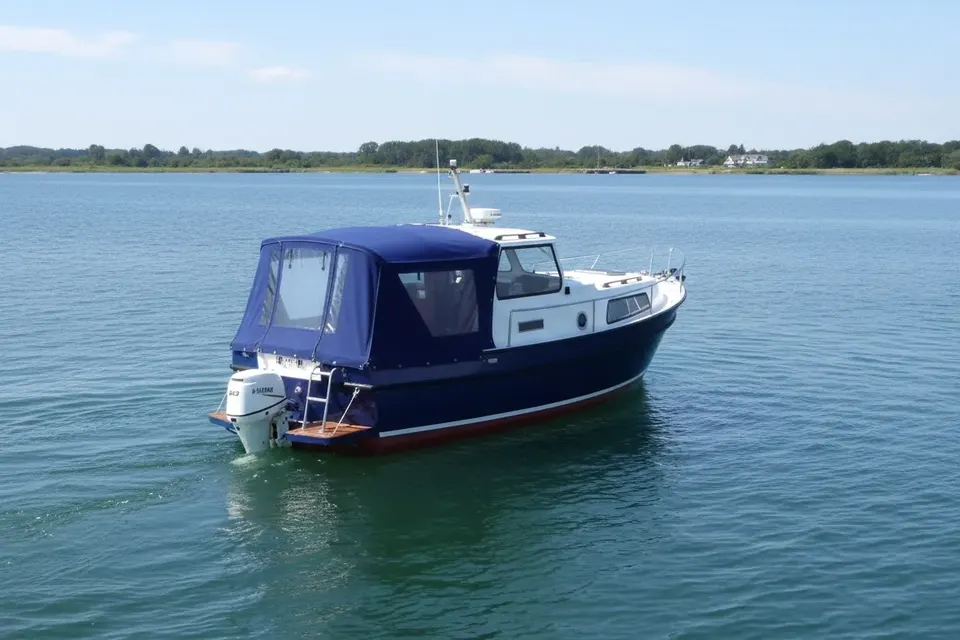
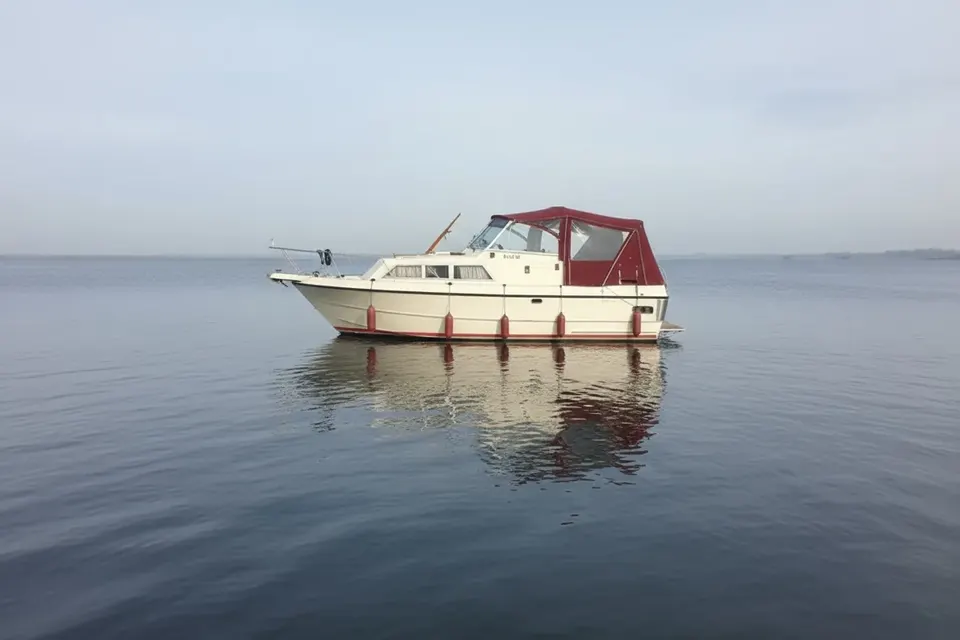
Cabin cruisers, designed for comfort and extended stays, boast larger deck areas and enclosed living spaces. Their primary need is to protect these expansive surfaces and their luxurious interiors. Cockpit covers are essential, often covering the entire open-air aft section. These are frequently designed as canopies, offering stand-up headroom and protection for the helm station, seating, and any outdoor galley facilities. Such canopies often feature clear vinyl windows and zip-out panels, allowing for versatile use in varying weather conditions.
Beyond the cockpit, a full deck cover for long-term storage is invaluable. This protects the large expanse of the foredeck, cabin top, and any flybridge from UV, dirt, and water ingress. Given the more intricate shapes and larger surface areas of cabin cruisers, the precision of a custom-fitted canvas cover is paramount to ensure proper drainage and secure fastening, preventing wind damage. These covers protect the gelcoat, prevent water from seeping into deck fittings, and keep the interiors pristine, ready for immediate use.
3. River Boats: Navigating the Water of Leith and Beyond
While primarily a coastal port, Leith's proximity to the Water of Leith and its connection to the wider river systems of the Forth mean that smaller river boats might also call its berths home, or at least traverse its waters to reach inland marinas. For these vessels, often with open cockpits or simpler designs, tonneau covers are highly effective. A tonneau cover is a flat or gently sloped canvas cover that typically snaps or clips onto the gunwales, covering the open cockpit area. They are quick to deploy and provide excellent protection against rain, leaves, and general debris, keeping the interior clean and dry. For smaller day cruisers that might spend time on the river, a tonneau cover combined with a simple bow cover for the open forward seating area offers comprehensive protection from the elements, ensuring upholstery and controls remain in top condition.
4. Day Cruisers: Leisure and Convenience
Day cruisers are designed for shorter excursions and often feature open bow seating areas and integrated cockpits. For these boats, a combination of targeted covers ensures protection without hindering quick access. Bow covers are crucial for the forward seating, preventing water from pooling and protecting the cushions from UV. Cockpit covers, often designed as tonneau covers or simpler canopies that extend over the helm and seating, shield the primary operational and lounging areas. These covers ensure that when you arrive for a day out on the Forth, your boat is clean, dry, and ready to go, without the need for extensive pre-departure cleaning.
5. Fishing Boats: Practicality and Resilience
Fishing boats, while often rugged, contain sensitive electronics, valuable fishing gear, and often comfortable seating areas that require protection. Console covers are critical for shielding delicate navigation equipment, fish finders, and engine controls from salt spray, rain, and UV. Leaning post covers or seat covers preserve upholstery, preventing cracking and fading. For open fishing boats, a durable tonneau cover can protect the entire deck area when not in use, keeping the deck clean and dry, and protecting rods, tackle boxes, and other gear stored onboard. A spray hood might also be fitted to offer relief from the elements during long days on the water. The choice of canvas for these boats prioritises extreme durability and ease of cleaning, often with reinforced stitching to withstand the rigours of an active fishing lifestyle.
Crafting the Perfect Guardian: Deep Dive into Cover Types and Materials
The effectiveness of any boat cover hinges not just on its fit but crucially on the materials used and the craftsmanship involved in its creation. For the demanding environment of Leith, compromise on quality is not an option.
1. Canvas Covers (General Fabrication): The Backbone of Protection
The term "canvas" in modern boat covers usually refers to high-performance synthetic fabrics, a far cry from the traditional heavy cotton canvas of old. The material choice is paramount for balancing breathability, waterproofing, UV resistance, and longevity.
- Solution-Dyed Acrylic: This is often considered the gold standard for boat covers, such as Sunbrella. The colour is added to the acrylic fibres before they are woven, meaning the colour is inherent throughout, not just on the surface. This provides unparalleled fade resistance and UV stability. It's highly breathable, which is crucial for preventing mildew, yet when properly treated, offers excellent water repellency. Its soft, pliable nature makes it easy to handle and less prone to scratching gelcoat.
- Acrylic-Coated Polyester: Offers a good balance of strength, water resistance, and affordability. The polyester base provides excellent tensile strength, while the acrylic coating enhances UV resistance and waterproofing. It can be slightly less breathable than solution-dyed acrylic but still performs well in marine environments.
- Vinyl-Coated Polyester: Extremely durable, completely waterproof, and easy to clean, vinyl-coated polyester is often used for heavy-duty applications or where absolute waterproofing is the priority. However, it is generally less breathable than acrylics, making proper ventilation crucial to prevent condensation and mildew underneath. It's also stiffer and heavier.
Regardless of the base material, key features that define a high-quality canvas cover include:
- UV Treatment: All marine canvas should have a robust UV inhibitor to withstand Leith's persistent UV exposure.
- Mildew and Water Repellency: Factory-applied treatments help repel water and inhibit mildew growth, though regular cleaning and re-treatment are essential.
- Double-Stitched Seams: Reinforced, double-stitched seams with UV-resistant thread ensure the cover's structural integrity, preventing tearing and unravelling.
- Reinforcements: Areas prone to abrasion (e.g., around cleats, stanchions, sharp edges) should be reinforced with additional layers of fabric or chafe patches.
- Vents: Strategic placement of vents is critical for breathability, preventing heat buildup and mildew, especially with less breathable fabrics.
2. Canopies: Structured Shelter
Canopies provide more substantial, often semi-permanent, shelter over specific areas like cockpits or flybridges. They consist of a fabric top supported by a robust framework.
- Framework: Typically constructed from marine-grade stainless steel or anodised aluminium tubing. Stainless steel offers superior strength and corrosion resistance, while aluminium is lighter. The frame must be sturdy enough to withstand Leith's strong winds and support the weight of snow and rain.
- Fabric: Similar high-quality canvas materials are used as for general covers, prioritising UV resistance and water repellency.
- Clear Windows: Often incorporate clear vinyl windows to maintain visibility. The quality of this vinyl is crucial; it must be UV-stabilised to resist yellowing and cracking.
- Modularity: Many canopies are designed with zip-out side and aft curtains, allowing owners to enclose the space fully or open it up as desired, providing unparalleled versatility for changing weather conditions.
3. Tonneau Covers: Streamlined Protection
Tonneau covers offer a sleek, low-profile solution, typically for open cockpits or bow areas. Their simplicity makes them quick to install and remove.
- Material: Durable, UV-resistant canvas (acrylic-coated polyester or solution-dyed acrylic) is preferred for its balance of protection and breathability.
- Securing Systems: Typically secured with snaps, bungee cords, or track systems along the boat's gunwales. The fastening points must be robust and corrosion-resistant.
- Fit: A snug, custom fit is essential to prevent water pooling and wind lift, which can damage both the cover and the boat. Slight curvature to shed water is key.
4. Spray Hoods: Frontline Defence
A spray hood is a semi-rigid canopy positioned forward of the cockpit, primarily designed to deflect spray and wind over the companionway entrance and helm station.
- Robust Framework: Similar to canopies, spray hoods rely on strong stainless steel or aluminium frames, often with grab rails integrated for safety.
- Clear Vinyl Windows: Large, high-quality clear vinyl windows are essential for forward visibility.
- Fabric: Marine-grade canvas, chosen for its durability, UV resistance, and water repellency, often in a colour that complements the boat's aesthetics.
- Integration: A well-designed spray hood integrates seamlessly with the boat's deck and existing structures, often forming the forward part of a more extensive cockpit enclosure. Effective water shedding is paramount to prevent water from running into the cockpit.
Leith's Maritime Nexus: Harbours, Marinas, and the Community's Need
Leith's maritime heritage stretches back centuries, evolving from a bustling trading port to a modern destination. Today, while commercial shipping continues, the emphasis has shifted, with pleasure boating forming a significant part of its identity. The Royal Forth Yacht Club, though located slightly further along the Forth, serves as a key hub for many Leith-based sailors, as do other local berths and moorings. The burgeoning Edinburgh Marina project further underscores the area's commitment to marine leisure, bringing state-of-the-art facilities to the doorstep of Leith.
Vessels berthed in these facilities, whether at pontoons in a marina or on swinging moorings, are uniformly exposed to the conditions described. The pride of boat ownership in Leith is palpable; vessels are often meticulously cared for, reflecting not just the owner's investment but also a deep connection to the sea. This pride naturally extends to ensuring their boats are adequately protected, making the need for high-quality, custom-fit covers a fundamental aspect of the Leith maritime community. The exposed nature of many berths means that even within the relative shelter of a marina, boats are still subject to significant wind, rain, and salt spray, reinforcing the constant requirement for robust protection.
The UK Boat Covers Advantage: Bespoke Protection Delivered to Your Berth
Recognising the unique challenges faced by boat owners in Leith and the broader UK coastline, companies like UK Boat Covers offer specialized services designed to provide optimal protection with unparalleled convenience. The core of their offering revolves around the understanding that off-the-shelf, generic covers simply won't suffice for the demanding marine environment or the specific contours of individual vessels.
The Custom-Fit Imperative:
Every boat, even those of the same make and model, has subtle variations, whether from aftermarket additions, wear and tear, or slight manufacturing differences. For a boat cover to be truly effective, it must be custom-fitted. A custom cover provides a snug, tailored fit that eliminates flapping, prevents water pooling, and maximises protection against wind, rain, and UV. It ensures that critical areas like cleats, stanchions, and mast supports are accommodated without creating points of vulnerability. This precision fit is not merely aesthetic; it's fundamental to the cover's durability and its ability to protect the boat effectively against the harsh Leith weather.
The postal service with agreed dispatch timing: Send Old Cover, Receive New One:
One of the most innovative and convenient aspects of the UK Boat Covers service is their unique postal template service with agreed dispatch timing. This ingenious system addresses the logistical challenges of obtaining a custom cover, especially for owners who may not be local to a canvas shop or prefer a streamlined process. The method is elegantly simple:
- Send Your Old Cover: The owner sends their existing, worn-out cover to UK Boat Covers. This old cover serves as the perfect template, accurately capturing every curve, cutout, and fastening point of the boat. This eliminates the need for expensive on-site measuring or complicated DIY templating.
- Expert Replication: Highly skilled craftsmen meticulously use the old cover as a pattern to cut and sew a brand-new cover from premium marine-grade canvas. This process ensures an exact, custom fit, replicating all the essential features and improving upon any design flaws of the original where possible.
- Swift Turnaround: The remarkable efficiency of the service means that within just an agreed dispatch timeframe of receiving the old cover, the brand-new, custom-made replacement is dispatched back to the customer. This rapid turnaround minimises the time your boat is left exposed and allows for a quick and seamless transition to superior protection.
This postal service is a game-changer for Leith boat owners, offering an efficient, accurate, and hassle-free way to replace or upgrade their covers, regardless of their boat's type or location.
The No VAT Pricing Advantage:
Adding to the appeal of UK Boat Covers' offering is their unique "No VAT pricing advantage." For eligible customers, this can represent a significant saving on an already crucial investment. While the specifics of how this advantage is structured would be directly communicated by the company, the benefit to the customer is clear: high-quality, custom-fit boat covers at a more accessible price point. This makes premium protection more attainable, encouraging more boat owners in Leith to invest in the longevity and preservation of their vessels.
Quality and Craftsmanship:
Underlying these innovative services is a commitment to superior quality and craftsmanship. By utilising top-tier marine canvas materials, employing experienced sewers, and focusing on precision templating, UK Boat Covers ensures that every product, whether a full canvas cover, a canopy, a tonneau cover, or a spray hood, meets the rigorous demands of the UK's coastal environment. This dedication to excellence means Leith boat owners can trust that their bespoke cover will provide years of reliable protection.
Conclusion: Investing in Leith's Maritime Future
For the thriving maritime community of Leith, the romance of the sea is perpetually tempered by the reality of its formidable conditions. The salt-laden winds, persistent rains, and relentless UV radiation of the Firth of Forth pose a continuous threat to the integrity and beauty of every sailing yacht, cabin cruiser, river boat, day cruiser, and fishing boat. In this dynamic environment, boat covers are not merely an accessory; they are a fundamental component of responsible boat ownership, an indispensable shield against the elements.
Investing in high-quality, custom-fit canvas covers, canopies, tonneau covers, and spray hoods is an investment in the longevity, aesthetics, and enduring value of your vessel. It safeguards interiors, protects electronics, drastically reduces maintenance burdens, and ultimately ensures that your precious time on the water is spent in enjoyment, not exasperation.
With innovative services like UK Boat Covers' postal template service with agreed dispatch timing and their compelling "No VAT pricing advantage," obtaining this essential protection has never been more convenient or accessible. For boat owners in Leith, embracing bespoke protection is not just about preserving a vessel; it's about honouring the rich maritime heritage of their port and ensuring their continued enjoyment of the majestic Scottish waters for years to come.