The Unseen Sentinel: Protecting Your Maritime Investment in Dunbar's Challenging Seas
Dunbar, a historic port town nestled on Scotland's rugged East Coast, is a place where the land meets the North Sea with an undeniable force. Its ancient harbour, steeped in centuries of maritime tradition, is a vibrant hub for those drawn to the allure of the sea. From the elegant lines of sailing yachts gracefully navigating the Firth of Forth to the sturdy presence of cabin cruisers offering comfortable passage, Dunbar's waters are home to a diverse fleet of vessels, each representing a significant investment of passion, time, and resources.
Yet, this very proximity to the vast, powerful North Sea also brings a relentless assault from the elements. The picturesque setting belies a constant battle against the forces of nature: the cutting sting of salt spray, the unyielding power of coastal winds, and the insidious, degrading effects of ultraviolet (UV) radiation. For boat owners in Dunbar, simply enjoying their craft isn't enough; diligent protection is paramount. This is where the unsung hero of boat ownership—the boat cover—steps forward, transforming from a mere accessory into an indispensable shield.
This comprehensive guide delves into why high-quality boat covers are not just an option but an absolute necessity for vessels moored or berthed in Dunbar. We will explore the specific environmental challenges unique to this Scottish coastal haven, examine the vital role various types of covers play for the popular boat types found here – sailing yachts, cabin cruisers, day cruisers, river boats, and fishing boats – and introduce a revolutionary service from UK Boat Covers that offers bespoke protection with unparalleled convenience and an attractive pricing advantage. For those who cherish their maritime assets in Dunbar, understanding the power of a good cover is the first step towards enduring enjoyment and preserving value.
Dunbar's Maritime Canvas: The Unique Challenges of the Scottish East Coast
The North Sea, particularly off the East Lothian coast, is a magnificent but unforgiving mistress. Vessels moored in Dunbar Harbour or berthed in its vicinity are subjected to a specific cocktail of environmental stressors that accelerate wear, degrade materials, and ultimately shorten the lifespan of any exposed part of a boat. Understanding these challenges is the first step towards effective protection.
The Omnipresent Sting of Salt Spray
Few coastal locations experience the sheer volume and persistence of salt spray quite like the exposed East Coast of Scotland. Even on seemingly calm days, the air above Dunbar Harbour carries microscopic particles of sea salt, delivered by gentle breezes or the ceaseless ebb and flow of tides. When the wind picks up, especially from an easterly or northerly direction, this becomes a corrosive deluge.
Salt spray is a multi-faceted aggressor. Its primary mechanism of damage is corrosion. Metals, from stainless steel fittings and deck hardware to aluminium mast components on a sailing yacht, are constantly under attack. Salt water acts as an electrolyte, accelerating oxidation and leading to rust, pitting, and structural weakening. This isn't just an aesthetic issue; compromised hardware can lead to costly repairs, or worse, critical failures at sea.
Beyond metals, salt spray leaves behind a crystalline residue that, when dry, acts as an abrasive. It dulls gelcoat finishes, scours clear plastics on windows and instrument panels, and contributes to the breakdown of varnishes and paints. For cabin cruisers, the delicate surfaces of the cabin superstructure and windows are particularly vulnerable. For sailing yachts, the rigging, deck-mounted equipment, and the fabric of the sails themselves, even when furled, are constantly exposed. Over time, salt ingress can also affect internal components, particularly in unsealed areas, leading to electrical faults and deterioration of interior finishes if not meticulously cleaned. A quality cover acts as a physical barrier, preventing this corrosive assault from ever reaching the vulnerable surfaces beneath.
The Relentless Force of Coastal Winds
Dunbar's position on the North Sea coast means it frequently experiences strong, often gale-force winds. These coastal winds are not just a nuisance; they are a significant source of wear and tear for any boat left exposed. The sheer kinetic energy of sustained high winds can cause physical damage in several ways:
Firstly, abrasion and chafing. Ropes, lines, and rigging, even when properly secured, can chafe against deck fittings, stanchions, and the boat's superstructure. This constant rubbing wears down surfaces, leading to unsightly marks on gelcoat and accelerated degradation of synthetic materials. Unsecured items, even small ones, can be lifted and slammed against the boat, causing dents, scratches, and chips.
Secondly, structural stress. While boats are designed to withstand significant forces at sea, prolonged exposure to high winds while moored puts stress on cleats, stanchions, and even the vessel's mooring lines. This continuous buffeting can loosen fittings, strain hull-to-deck joints, and create microscopic fatigue in materials. For sailing yachts, the mast and standing rigging are under constant tension, and while robust, a cover helps reduce secondary stresses by protecting the deck from debris.
Finally, debris impact. High winds invariably carry airborne debris – grit, small stones, leaves, and other detritus – which can sandblast and scratch surfaces. This is particularly damaging to clear plastics, windows, and polished finishes. A robust boat cover acts as a shield, absorbing the impact of such debris and preventing it from scarring the boat's exterior. The wind also carries significant moisture, further contributing to dampness and the potential for mould and mildew, even if directly raining.
The Insidious Threat of UV Exposure
Even on Scotland's often overcast days, ultraviolet (UV) radiation is a persistent threat. While less intense than in sunnier climes, the cumulative effect of UV exposure over months and years in Dunbar is profound and often underestimated. UV rays cause a chemical breakdown of organic materials and pigments, leading to:
- Fading and dulling: Gelcoat, paint, and coloured fabrics (upholstery, sail covers) lose their vibrant hues and become chalky or dull. This diminishes the boat's aesthetic appeal and market value.
- Material degradation: Plastics, vinyls, rubber seals, and synthetic fabrics (like those found in canopies, spray hoods, and even ropes) become brittle, crack, and lose their structural integrity. This can lead to leaks, torn covers, and compromised functionality. Window seals on cabin cruisers, for instance, are particularly susceptible, leading to water ingress.
- Weakening of stitching: The threads used in upholstery, canvas work, and spray hoods are often the first to succumb to UV degradation, leading to seams coming apart and covers failing prematurely.
- Accelerated oxidation: UV exposure, combined with salt and moisture, significantly accelerates the oxidation process on many surfaces, making them more prone to further damage.
The consistent presence of UV radiation demands a barrier. High-quality boat covers are engineered with UV-resistant fabrics that absorb or reflect these harmful rays, protecting everything underneath from their slow, destructive work.
In essence, Dunbar's maritime environment is a relentless adversary. The combination of salt, wind, and UV, often exacerbated by the cold and damp conditions characteristic of the Scottish coast, creates an environment where unprotected vessels degrade rapidly. This is precisely why a well-chosen, high-quality boat cover is not merely a convenience, but an essential component of responsible boat ownership here.
The Indispensable Role of Boat Covers in a Coastal Haven
Given the formidable challenges posed by Dunbar's coastal environment, the case for high-quality boat covers becomes overwhelmingly clear. These protective barriers transcend their simple appearance, acting as multi-functional guardians that extend the life, preserve the aesthetics, and enhance the overall experience of boat ownership.
Comprehensive Protection from the Elements
At its core, a boat cover's primary function is to create an impermeable or highly resistant shield between the boat and its environment. This directly addresses the specific challenges outlined above:
- Salt Spray Mitigation: A robust cover acts as a physical barrier, preventing salt-laden air and spray from directly contacting the boat's surfaces. This drastically reduces corrosion on metal fittings, prevents salt residue buildup on gelcoat, windows, and deck equipment, and protects delicate electronics within the cockpit or cabin areas of cabin cruisers and day cruisers.
- Wind Damage Prevention: The cover takes the brunt of the wind. Instead of ropes chafing against the boat or debris sandblasting its surfaces, the cover absorbs these impacts. It minimises dust and grit accumulation, and when properly fitted and secured, it reduces the amount of wind-induced flapping and stress on mooring lines and the boat itself.
- UV Degradation Halt: Modern boat cover fabrics are specifically treated to be highly UV-resistant. They either reflect or absorb the harmful UV rays, preventing them from reaching and degrading the boat's gelcoat, upholstery, plastic components, and timberwork. This is critical for preserving the colour, flexibility, and structural integrity of these materials over time.
- Rain and Moisture Control: While less unique to coastal areas, the significant rainfall and persistent dampness of the Scottish climate make waterproof or highly water-resistant covers essential. They prevent water ingress into cockpits, cabins, and storage lockers, thereby averting the costly and unpleasant issues of mould, mildew, wood rot, and water damage to electrical systems or soft furnishings. Even breathable covers are designed to prevent pooling and allow trapped moisture to escape, preventing condensation and mildew growth.
Reduction in Maintenance and Cleaning
One of the most immediate and tangible benefits of using a boat cover is the dramatic reduction in routine maintenance. A covered boat stays significantly cleaner. This means:
- Less frequent washing: No more constant rinsing of salt spray, wiping away bird droppings, or scrubbing off tree sap and industrial fallout.
- Extended polishing cycles: With UV and weather protection, the gelcoat retains its shine for much longer, delaying the need for abrasive compounds and polishing.
- Interior preservation: For cabin cruisers and sailing yachts, covers protect cockpit upholstery, cushions, and interior finishes from sun fading, dust, and dampness, reducing the need for deep cleaning and replacement.
- Fewer repairs: By preventing damage from salt, UV, and wind, the need for repairs to fittings, electronics, and fabric work is significantly curtailed. This translates directly into savings on labour and materials.
Longevity and Preservation of Investment
A boat is often one of the largest discretionary investments an individual makes, representing dreams and aspirations as much as capital. Protecting this investment is paramount, and boat covers are fundamental to this goal. By shielding the vessel from the constant onslaught of coastal elements, covers significantly extend the lifespan of virtually every component:
- Hull and Deck: Gelcoat and paint finishes are preserved, delaying the onset of chalking, fading, and the need for expensive repainting or re-gelcoating.
- Rigging and Hardware: Stainless steel, aluminium, and other metal fittings remain free from corrosion for longer, maintaining structural integrity and appearance.
- Upholstery and Fabrics: Interior and exterior cushions, biminis, spray hoods, and sail covers resist fading, cracking, and degradation, retaining their functionality and aesthetic appeal.
- Electronics: Navigational equipment, displays, and other sensitive electronics within cockpits and cabins are shielded from moisture, dust, and UV, reducing the likelihood of failure.
- Timberwork: Varnished or oiled timber, common on classic sailing yachts and some cabin cruisers, is protected from UV, rain, and salt, which are its primary enemies, preventing drying, cracking, and decay.
Ultimately, a well-protected boat maintains its structural soundness, its aesthetic appeal, and its operational readiness for much longer. This translates into a higher resale value when the time comes to upgrade or sell, ensuring that the initial investment in the boat is better preserved.
Enhanced Security
While not their primary function, boat covers add a layer of security. A covered boat is less inviting to casual opportunists. It conceals valuable equipment, electronics, and personal belongings from view, reducing the temptation for theft or vandalism. For those mooring in publicly accessible harbours like Dunbar, this added privacy and deterrence can provide significant peace of mind.
Winterisation and Lay-up Protection
For many boat owners in Dunbar, the colder months necessitate a period of winterisation or lay-up. During this time, whether the boat is afloat, on a hardstanding, or stored ashore, a comprehensive boat cover is absolutely critical. It provides all-season protection against the harshest elements of a Scottish winter: driving rain, snow, ice, high winds, and continued salt exposure. A good winter cover also ensures proper ventilation to prevent condensation and mould, making the spring recommissioning process much smoother and less costly.
In summary, the role of a boat cover in Dunbar's coastal environment extends far beyond simple aesthetics. It is a fundamental tool for asset protection, maintenance reduction, and long-term enjoyment. For those who choose to call Dunbar their boating home, investing in a high-quality, custom-fit cover is not an expense, but a prudent and essential investment in their maritime passion.
Dunbar's Fleet: Tailored Protection for Sailing Yachts and Cabin Cruisers
Dunbar Harbour is a microcosm of maritime enthusiasm, hosting a variety of vessels that ply the waters of the Firth of Forth and beyond. While the spirit of adventure unites their owners, the specific needs for protection vary based on their design and typical usage. Among the most popular types are sailing yachts and cabin cruisers, each benefiting uniquely from bespoke cover solutions, alongside day cruisers, fishing boats, and even river boats that might find their way to this coastal haven.
Sailing Yachts: Guarding Intricate Design and Performance
Sailing yachts are perhaps the most elegant inhabitants of Dunbar Harbour, their masts reaching skyward, promising adventure. These vessels, ranging from smaller day sailors to larger cruising yachts, possess intricate deck layouts, delicate rigging, and a reliance on canvas work for propulsion. Protecting these elements is paramount for performance and longevity.
- UK Boat Covers makes covers for specific areas, including cockpit and tonneau covers, cratch covers and replacement canopy canvas. We do not make whole-boat or winter-storage covers, or supply or install supporting framework. Tell us which area needs covering before requesting a quote.
- UK Boat Covers makes covers for specific areas, including cockpit and tonneau covers, cratch covers and replacement canopy canvas. We do not make whole-boat or winter-storage covers, or supply or install supporting framework. Tell us which area needs covering before requesting a quote.
- Cockpit Covers: Even when not fully covered, sailing yachts often benefit from a custom cockpit cover. These protect the critical area where the crew operates, shielding instruments, seating, and deck surfaces from weather and UV. This is particularly useful for short-term mooring or when the yacht is in active use but not fully laid up.
- Spray Hoods: An absolute necessity for any sailing yacht in the often-choppy waters off Dunbar, a spray hood (also known as a dodger) provides critical protection for the crew from spray, wind, and rain while underway. It shields the companionway, preventing water ingress into the cabin and enhancing comfort and safety. High-quality spray hoods are made from durable, UV-resistant canvas with robust windows, built to withstand the rigours of the North Sea. Over time, these require replacement due to UV degradation of fabric and stitching.
Cabin Cruisers: Shielding Comfort and Complex Systems
Cabin cruisers represent a different style of boating, focused on comfortable extended stays and exploring coastal waters. Their design, with enclosed cabins, numerous windows, and often spacious cockpits, presents a distinct set of protection challenges.
- UK Boat Covers makes covers for specific areas, including cockpit and tonneau covers, cratch covers and replacement canopy canvas. We do not make whole-boat or winter-storage covers, or supply or install supporting framework. Tell us which area needs covering before requesting a quote.
- Cockpit Canopies: A canopy, often supported by a frame, extends over the cockpit area, providing shelter from sun and rain. For cabin cruisers, a well-designed canopy can effectively extend the usable living space, allowing owners and guests to enjoy the outdoors regardless of the weather. These canopies are essential for protecting valuable electronics, seating, and controls in the cockpit from direct exposure to the elements. They are often custom-made to integrate with the boat’s existing structure, providing a seamless and functional extension.
- Tonneau Covers: For many cabin cruisers and especially day cruisers, a tonneau cover provides a sleek, low-profile way to seal off the cockpit. These covers typically snap or fasten around the cockpit coaming, offering excellent protection from rain, dust, and UV when the boat is moored. They are particularly useful for protecting the interior of the cockpit during road transport or for shorter periods of mooring when a full canopy isn't desired. They are designed to be taut to prevent water pooling.
- Window and Windscreen Covers: The numerous windows on a cabin cruiser are vulnerable to UV fading and the abrasive effects of salt spray. Custom-fitted window covers, often made from mesh or solid fabric, protect these surfaces, prolonging the life of the seals and preventing interior fading of upholstery.
Other Vessels in Dunbar: Extending the Protective Philosophy
While sailing yachts and cabin cruisers might be prominent, Dunbar also sees its share of:
- UK Boat Covers makes covers for specific areas, including cockpit and tonneau covers, cratch covers and replacement canopy canvas. We do not make whole-boat or winter-storage covers, or supply or install supporting framework. Tell us which area needs covering before requesting a quote.
- Fishing Boats: Whether small open boats or larger cabin-equipped vessels, fishing boats require robust covers to protect their consoles, electronics, seating, and valuable fishing gear from the elements, ensuring readiness for the next trip.
- River Boats: Though less common in a coastal harbour, any river boat brought to Dunbar would find that the same principles of protection – against UV, salt, and damp – apply, particularly for their open cockpit areas and interior finishes.
For all these vessels in Dunbar, the common denominator is the need for durable, custom-fitted covers made from high-quality, weather-resistant fabrics. These are not merely pieces of cloth; they are engineered solutions designed to withstand the very specific and harsh conditions of the Scottish East Coast, ensuring that each boat, regardless of its type, remains an enduring source of pleasure and pride for its owner.
Dunbar Harbour: A Sanctuary Requiring Vigilance
Dunbar Harbour itself is a place of considerable charm and historical significance. Its twin harbours – the Old Harbour, a picturesque haven with centuries of history, and the more modern Victoria Harbour, offering improved facilities – provide mooring and berthing for the local fleet. Located strategically on the Firth of Forth, it's a vital waypoint for coastal traffic and a bustling centre for local boating enthusiasts.
The harbour offers secure berths, pontoons, and essential services for boat owners. Its sheltered walls provide a degree of protection from the open sea, making it a relatively safe haven. However, even within the confines of these historic walls, boats are not immune to the relentless Scottish coastal weather. The harbour entrance faces the expansive North Sea, meaning that wind and waves, particularly during easterly gales, can still funnel in, bringing with them salt spray and significant buffeting.
The ebb and flow of tides, though manageable, mean boats are consistently in a dynamic environment. The constant rise and fall against pontoons, while normal, still requires mooring lines to be appropriately managed and, importantly, implies that all parts of the boat remain exposed to the changing conditions of the air above the water. The persistent dampness, typical of coastal Scotland, thrives even in relatively sheltered spots, contributing to the growth of mould and mildew on unprotected surfaces.
Therefore, while Dunbar Harbour provides a welcome sanctuary for vessels, it is far from a hermetically sealed environment. Boat owners here understand that vigilance is key. The community of boaters at Dunbar is tight-knit, sharing a common appreciation for their vessels and the unique challenges of their location. This shared understanding reinforces the value of proactive protection, with covers standing out as the most fundamental line of defence. The practicalities of mooring in Dunbar, with its dynamic tides and proximity to the raw power of the North Sea, underscore that a boat cover is not an optional extra, but an integral part of responsible boat stewardship.
The UK Boat Covers Advantage: A Modern Solution for Dunbar
For Dunbar's discerning boat owners, the quest for superior protection is often met with challenges: sourcing quality materials, ensuring a perfect fit for unique vessel designs, and managing costs. UK Boat Covers emerges as an innovative solution, uniquely positioned to serve the needs of the Scottish East Coast boating community with a streamlined, cost-effective, and quality-driven approach.
The Revolutionary postal service with agreed dispatch timing: Precision and Convenience
One of the most compelling aspects of UK Boat Covers' offering is their unique postal service with agreed dispatch timing for replacement covers. This service is ingeniously simple and addresses a critical pain point for boat owners: achieving a perfect fit without the complexities of on-site measurements or extensive custom design work.
Here’s how it works:
- UK Boat Covers makes covers for specific areas, including cockpit and tonneau covers, cratch covers and replacement canopy canvas. We do not make whole-boat or winter-storage covers, or supply or install supporting framework. Tell us which area needs covering before requesting a quote.
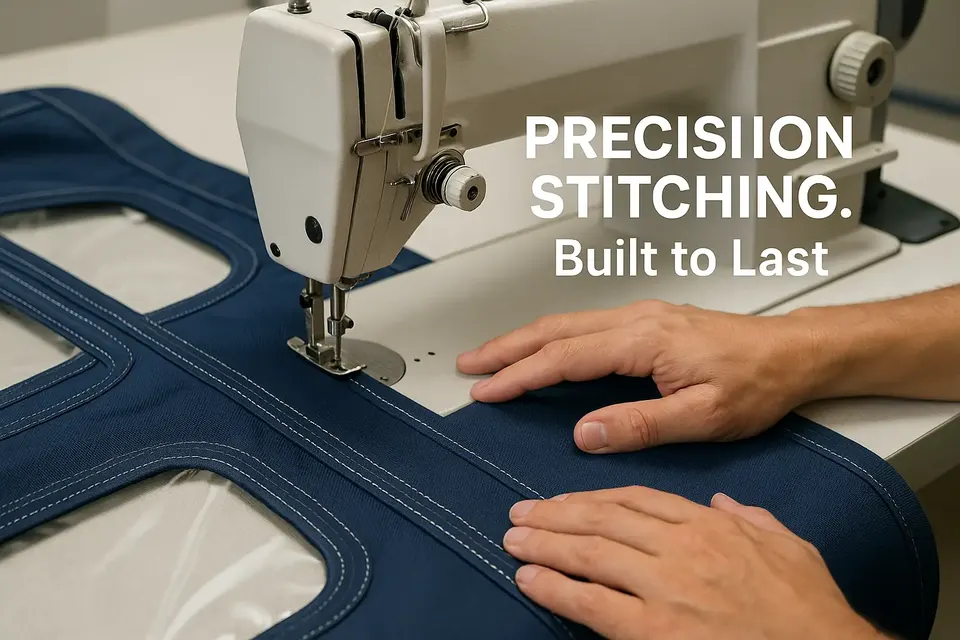
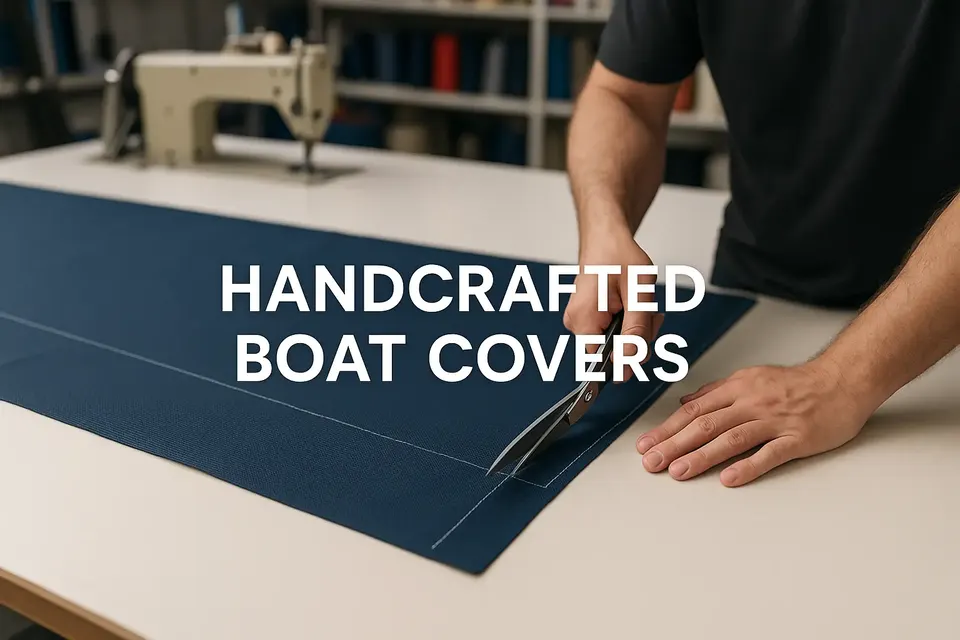
- Expert Replication: Upon receipt, UK Boat Covers' skilled craftspeople use the old cover as a precise template. They meticulously pattern and cut new, high-grade fabric to the identical specifications, ensuring that every curve, seam, and attachment point matches your boat perfectly. This process removes all guesswork, guaranteeing a snug, custom fit without the need for the boat itself to be present for measurement.
- New Cover Dispatched: Within a remarkably swift dispatch timing agreed before ordering from receiving the old cover, a brand-new, perfectly fitting replacement cover is manufactured and dispatched directly back to the boat owner in Dunbar.
This service offers unparalleled convenience. Dunbar boat owners no longer need to coordinate appointments for on-site measuring, nor do they have to navigate complex ordering processes involving precise dimensions. The old cover acts as the ultimate blueprint, ensuring that the new one will fit like a second skin, providing maximum protection and a sleek aesthetic. The speed of the service means minimal downtime for the boat, allowing owners to quickly re-establish protection and get back to enjoying their vessel. For crucial items like spray hoods, where protection while underway is paramount, this rapid replacement is invaluable.
Quality and Customisation: Beyond the Template
While the old cover provides the template, UK Boat Covers doesn't simply replicate old materials. They utilise modern, high-performance fabrics specifically chosen for their durability, UV resistance, waterproofing, and breathability – essential characteristics for the Dunbar environment. These materials are often superior to the original covers, offering enhanced longevity and protection against salt spray, UV degradation, and coastal winds.
Furthermore, the process allows for discreet improvements. While the fit remains identical, UK Boat Covers can integrate stronger stitching, reinforced stress points, or improved fastening mechanisms where appropriate, based on their expertise and the visible wear patterns of the old cover. This means Dunbar boat owners receive a custom-fitted product that not only fits perfectly but is also optimised for the harsh realities of the North Sea.
The Undeniable "No VAT" Pricing Advantage
Perhaps one of the most compelling reasons for Dunbar boat owners to choose UK Boat Covers is their significant "No VAT" pricing advantage. In a landscape where boating expenses can quickly accumulate, any opportunity to save without compromising quality is highly valued.
While specific details of how UK Boat Covers operates their "No VAT" policy would be best confirmed directly with them, the benefit to the customer is clear: a substantial saving on the total cost of their new boat cover. This makes premium, custom-fitted protection significantly more accessible. For boat owners in Dunbar, who are already investing heavily in mooring fees, maintenance, and the boat itself, this cost saving makes the decision to purchase a high-quality, custom cover an even more financially sound one. It allows them to afford superior protection that might otherwise seem out of budget, ensuring their sailing yacht, cabin cruiser, day cruiser, or fishing boat is shielded without undue financial strain. This advantage helps mitigate the ongoing costs of boat ownership, making it easier to maintain the vessel in top condition against the challenging Scottish coastal elements.
Combining precision, speed, superior materials, and a clear pricing advantage, UK Boat Covers offers a compelling solution for the protection needs of Dunbar's diverse boating community. It transforms what can be a complex and costly process into a simple, efficient, and affordable experience, ensuring that every vessel in Dunbar Harbour can stand vigilant against the relentless North Sea.
Conclusion: Enduring Protection for Dunbar's Maritime Heart
Dunbar, with its deep-rooted maritime heritage and breathtaking coastal vistas, offers a unique and rewarding environment for boat owners. Yet, this very allure comes hand-in-hand with the undeniable, formidable challenges posed by the North Sea. The ceaseless assault of salt spray, the relentless force of coastal winds, and the insidious degradation of UV radiation demand nothing less than vigilant, robust protection for every vessel calling this harbour home.
From the majestic sailing yachts whose sails catch the wind off the Firth of Forth, to the comfortable cabin cruisers providing sanctuary and passage, and the hardworking fishing boats ensuring the local catch, each vessel represents a significant investment of both capital and passion. Protecting this investment is not merely about preserving aesthetics; it’s about ensuring longevity, reducing costly maintenance, enhancing safety, and ultimately, prolonging the joy and utility derived from boat ownership. Canvas covers, canopies, tonneau covers, and spray hoods are not optional accessories; they are indispensable elements of responsible stewardship in this challenging coastal haven.
In a world where bespoke solutions often come with high price tags and long lead times, UK Boat Covers stands apart. Their innovative postal service with agreed dispatch timing, leveraging your old cover as the perfect template for a new, high-quality replacement, provides unparalleled convenience and a guaranteed custom fit for boats in Dunbar. This, coupled with their significant "No VAT" pricing advantage, makes premium, tailor-made protection accessible and affordable.
For the dedicated boat owners of Dunbar, choosing a high-quality, custom-fitted boat cover from UK Boat Covers is more than a purchase; it is an investment in peace of mind. It’s the assurance that your beloved vessel, whether a sailing yacht or a cabin cruiser, will withstand the test of the Scottish East Coast, remaining pristine, functional, and ready for your next adventure. Safeguard your maritime legacy in Dunbar – equip your boat with the protection it deserves.