The Unseen Guardian of the St Monans Fleet: Protecting Vessels from the North Sea’s Embrace
Nestled on the rugged east coast of Scotland, the picturesque village of St Monans stands as a testament to centuries of maritime heritage. Its quaint harbour, with its distinctive red-tiled cottages clinging to the shoreline, has long been a haven for fishing boats and a launchpad for sailing adventures into the vast expanse of the North Sea. Yet, beneath this idyllic facade lies a relentless adversary: the unforgiving coastal environment. For every proud owner of a cabin cruiser, a sturdy fishing boat, or a graceful sailing yacht moored in these historic waters, the challenge of preservation is constant. It is here, in this battle against salt, wind, and sun, that the humble boat cover emerges as an indispensable guardian – a silent sentinel against the elements, extending the life and beauty of these cherished vessels.
In St Monans, where the sea is not merely a backdrop but a way of life, boat covers are not an accessory; they are an essential shield. They represent a fundamental investment in the longevity and continued joy derived from every boat, ensuring that the dreams of coastal exploration and the traditions of fishing endure, protected from the very forces that define this magnificent, yet challenging, corner of Scotland.
St Monans: A Coastal Gem and its Maritime Challenges
St Monans, part of Fife’s enchanting East Neuk, exudes a timeless charm. Its working harbour, an intricate network of stone walls, has sheltered countless boats throughout its storied past. The air here is perpetually infused with the scent of salt and the cry of gulls, a constant reminder of its deep connection to the sea. Fishing boats, from the sturdy creel boats that dot the horizon to larger vessels that venture further afield, jostle for space alongside sleek sailing yachts and comfortable day cruisers, each vessel a testament to the diverse maritime pursuits that thrive in this vibrant community.
However, the very elements that shape St Monans’ beauty are also its most potent threats to marine vessels. The East Coast of Scotland, exposed directly to the North Sea, experiences a unique confluence of weather conditions that necessitate robust protection:
Salt Spray: The Insidious Corroder: The North Sea rarely sleeps. Even on seemingly calm days, the constant movement of the waves, amplified by coastal winds, generates a fine, pervasive mist of salt spray. This isn't just a surface phenomenon; these microscopic droplets penetrate every crevice, settling on rigging, deck fittings, gelcoat, and interior surfaces.
- Impact on Metals: Salt is a highly corrosive agent. Stainless steel, brass, and aluminium fittings, while designed for marine use, will inevitably suffer accelerated degradation, pitting, and rust stains without protection. This compromises structural integrity over time and detracts significantly from aesthetics.
- Degradation of Plastics and Composites: Prolonged exposure causes plastics to become brittle and discoloured, while gelcoat can dull and chalk, losing its protective sheen.
- Electrical Systems: Salt spray, when it penetrates control panels or junction boxes, can cause short circuits and long-term corrosion of wiring, leading to costly and often difficult-to-diagnose electrical failures.
- Organic Growth: Salt deposits provide a breeding ground for mould, mildew, and algae, particularly in damp, shaded areas, which can quickly take hold and cause staining and unpleasant odours.
Coastal Winds: The Relentless Abrader: St Monans is no stranger to strong winds. From persistent sea breezes to fierce winter gales, the wind is a constant presence.
- Physical Damage: Objects on deck, if not secured, can be blown about, causing scrapes, dents, and even breakages. Loose ropes or sails can chafe against masts, shrouds, or other fittings, leading to premature wear.
- Accelerated Wear and Tear: The constant movement induced by wind puts stress on mooring lines, cleats, and even the structural components of the boat. Every flap of an exposed canvas or sail contributes to wear.
- Enhanced Salt Deposition: Wind serves as the primary vector for carrying salt spray far and wide, ensuring its reach across the entire vessel, even those seemingly sheltered within the harbour walls.
UV Exposure: The Silent Destroyer: While Scotland might be synonymous with grey skies, the sun's ultraviolet (UV) rays are an ever-present and powerful force, particularly when amplified by reflection off the water.
- Fading and Degradation of Fabrics: Sails, ropes, biminis, spray hoods, and interior upholstery are highly susceptible to UV damage. Colours fade, fibres weaken, and materials become brittle, dramatically shortening their lifespan.
- Cracking and Chalking of Surfaces: Gelcoat, varnished wood, and plastic components can crack, peel, and chalk under relentless UV assault, losing their protective qualities and requiring extensive maintenance.
- Drying and Warping of Wood: Teak decks, wooden trim, and other timber components can dry out, split, and warp, leading to water ingress and costly repairs.
Rain, Damp, and the Scottish Climate: Beyond the dramatic forces, the persistent dampness and frequent rainfall characteristic of the Scottish climate pose their own insidious threats.
- Mould and Mildew: Uncovered boats, particularly their interiors, become prime environments for mould and mildew, causing staining, odours, and potential health issues.
- Wood Rot: Prolonged dampness can lead to wood rot in structural elements and decorative timbers, compromising the boat's integrity.
- Corrosion in Sheltered Areas: Even in seemingly protected areas, condensation and trapped moisture can lead to corrosion of metals.
These environmental factors, working in concert, present a formidable challenge to boat owners in St Monans. Without adequate protection, the lifespan of a vessel is significantly shortened, maintenance costs skyrocket, and its aesthetic appeal diminishes rapidly.
The Indispensable Guardian: Why Boat Covers are Essential in Coastal Environments
For the boats nestled in St Monans harbour, a high-quality boat cover is far more than a simple sheet of canvas; it is an indispensable guardian, a strategic investment that pays dividends in longevity, reduced maintenance, and retained value. In a coastal environment like the East Neuk, where the elements are constantly at play, the necessity of comprehensive protection becomes unequivocally clear.
The primary role of a boat cover is to provide a physical barrier against the harsh realities of the marine environment. Let's delve deeper into why this barrier is so crucial, especially in the unique conditions found off the Scottish coast:
Absolute Salt Protection: A well-fitted cover acts as the first line of defence against salt spray. It prevents the corrosive mist from reaching metal fittings, delicate electronics, and the boat's gelcoat. By physically blocking salt deposition, covers dramatically reduce the rate of corrosion, pitting, and unsightly salt crusts. This translates directly into less time spent scrubbing, polishing, and replacing expensive components. For a fishing boat, this means protecting valuable electronic navigation systems and radios from the corrosive assault that can otherwise render them unreliable. For a sailing yacht, it safeguards winches, blocks, and vital rigging components from degradation.
Mitigation of Wind Damage: While a cover cannot stop the wind, it can significantly mitigate its destructive effects. By snugly enveloping the boat, it prevents debris (leaves, bird droppings, dust, and even larger wind-borne items) from accumulating on deck. More importantly, it secures loose items, stopping them from being blown around and causing impact damage. For boats with delicate deck gear or complex rigging, a cover prevents sails from flapping (if left on the boom) and lines from chafe, extending the life of these expensive assets. For cabin cruisers and day cruisers, it prevents wind from whipping through the cockpit, damaging upholstery and potentially dislodging dashboard instruments.
Ultimate UV Defence: This is one of the most critical functions of a boat cover. By blocking the sun's powerful UV rays, a cover prevents the fading, cracking, and brittleness that plague exposed materials. For sailing yachts, this is paramount for the longevity of sails (even when furled or covered with a boom cover), ropes, and exposed deck surfaces like teak. For cabin and day cruisers, it preserves the vibrant colours of interior upholstery, prevents dashboards from cracking, and maintains the integrity of synthetic deck materials. The sun might not always feel strong in Scotland, but its UV radiation is a constant threat that dramatically shortens the lifespan of unprotected materials.
Rain and Damp Exclusion: Scotland is renowned for its rainfall. A good boat cover ensures that rain runs off, keeping the boat’s interior dry and preventing standing water on deck. This is vital in combating mould, mildew, and wood rot. By maintaining a dry internal environment, covers also significantly reduce the risk of condensation, which can otherwise lead to internal corrosion of metal fittings and damage to electrical components. This is especially important for the enclosed cabins of cabin cruisers and day cruisers, where dampness can quickly create an unhealthy and unpleasant environment.
Maintenance Reduction and Value Preservation: The cumulative effect of these protective measures is a substantial reduction in the amount of cleaning, waxing, and polishing required. A covered boat stays cleaner, looks newer, and requires less intensive restoration work. This ease of maintenance translates directly into more time on the water and less time in the yard. Crucially, a boat that has been consistently protected by a high-quality cover will retain significantly more of its resale value. Prospective buyers recognise a well-cared-for vessel, and a pristine interior, unblemished gelcoat, and intact rigging speak volumes about the owner’s diligence.
Enhanced Security: While not impenetrable, a boat cover adds a layer of deterrence against opportunistic theft. By keeping valuable items out of sight and making access more cumbersome, it reduces the boat’s appeal as an easy target.
Winterisation and Off-Season Protection: For boats undergoing winter lay-up, whether in the water or ashore, a full canvas cover is absolutely essential. It provides comprehensive protection against frost, snow, prolonged dampness, and accumulated winter debris, ensuring the boat emerges from the colder months in optimal condition.
For the diverse fleet of St Monans – from the hard-working fishing boats whose gear and electronics require constant safeguarding, to the elegant sailing yachts where UV and salt can swiftly degrade expensive sails and rigging, and the comfortable cabin and day cruisers whose interiors are vulnerable to damp and sun – the boat cover is not an option but a critical component of responsible boat ownership. It’s the peace of mind knowing that while the North Sea may rage, your vessel remains an untouched sanctuary.
Vessels of St Monans: Popular Boat Types and Their Cover Needs
The harbour of St Monans is a microcosm of maritime activity, reflecting a rich tapestry of boating pursuits. While all vessels share the common adversaries of the coastal environment, their specific designs and uses dictate unique cover requirements. Here, we focus on the prevalent boat types found in St Monans and how tailored covers meet their distinctive protective needs.
1. Fishing Boats: The Workhorses of the Coast
Fishing boats, ranging from the smaller, robust creel boats to slightly larger, more enclosed vessels, are the lifeblood of St Monans. These are functional craft, built for durability and purpose, yet they carry sensitive equipment and require careful protection to maintain operational efficiency and extend their working life.
- Specific Cover Needs for Fishing Boats:
- Wheelhouse/Cabin Covers: Many fishing boats feature an enclosed wheelhouse or a small cabin area housing vital electronics (plotters, fish finders, radios), steering controls, and often a small bunk or seating. A custom-fit canvas cover for this area is paramount. It protects sensitive instruments from salt spray, UV degradation, and damp, preventing costly repairs and downtime. It also keeps the interior dry and clean, improving comfort for the crew.
- Tonneau Covers: For open cockpits where nets, creels, or catch might be stored, a sturdy tonneau cover is invaluable. These covers fit snugly over the open area, secured by snaps or bungee cords, creating a sealed environment. They prevent rain from filling the cockpit, keep out sea spray during inclement weather, and deter birds from leaving droppings – a common and corrosive nuisance. They also protect any portable gear left on deck.
- Console Covers: Smaller, more open fishing boats often have a central or side console housing the helm. A dedicated console cover protects gauges, switches, and steering components from the elements, ensuring they remain functional and free from corrosion.
- Overall Canvas Covers: For extended periods of inactivity or during winter lay-up, a comprehensive, custom-made overall canvas cover can envelop the entire vessel. This offers maximum protection against all elements, ensuring the hull, deck, and all fittings are safeguarded from sustained exposure.
2. Sailing Yachts: Grace Under Duress
Sailing yachts, from nimble day sailers to comfortable cruising vessels, add a touch of elegance to the St Monans seascape. These boats, with their intricate rigging, expensive sails, and often finely crafted interiors, are particularly vulnerable to the coastal environment. The preservation of sails and the protection of crew comfort are key concerns.
- Specific Cover Needs for Sailing Yachts:
- Boom Covers / Sail Covers: Absolutely essential for protecting the mainsail when it's flaked on the boom. UV radiation is the primary enemy of sail fabric, causing fading, brittleness, and eventual delamination. A well-fitted boom cover shields the sail completely, extending its lifespan by many years. Some modern designs incorporate "stack packs" or "lazy bags" which integrate a cover with lazy jacks for easy sail handling.
- Spray Hoods (Dodgers): A spray hood is a semi-rigid canvas structure installed forward of the cockpit. It provides invaluable protection from sea spray, wind, and rain, keeping the cockpit area drier and significantly improving crew comfort, especially when sailing upwind in choppy conditions. These often feature clear windows for visibility and strong grab rails for safety. In St Monans, facing the North Sea, a robust spray hood is a near necessity for comfortable sailing.
- Biminis / Canopies: For sunnier days or light rain, a bimini provides essential overhead shelter in the cockpit. It protects the helmsman and crew from harmful UV rays, reducing fatigue and making longer periods on deck more enjoyable. Canopies offer similar, often more substantial, overhead coverage.
- Winch Covers, Hatch Covers, Helm Covers: Smaller, specific covers protect individual components from UV, salt, and damp. Winch covers keep the intricate mechanisms clean and lubricated, while hatch covers prevent water ingress and UV degradation of hatch acrylics.
- Full Winter Covers: For yachts that remain mast-up over winter or are laid up ashore, a custom-designed full winter cover, often supported by a frame, provides comprehensive protection for the entire vessel, safeguarding the deck, cabin top, and all deck furniture from snow, ice, and prolonged dampness.
3. Cabin Cruisers & Day Cruisers: Leisure and Comfort
Cabin cruisers and day cruisers represent the leisure side of boating, offering comfort and convenience for family outings or coastal explorations. These vessels often have plush interiors, sophisticated dashboards, and comfortable seating, all of which demand protection from the elements to maintain their aesthetic appeal and functionality.
- Specific Cover Needs for Cabin Cruisers & Day Cruisers:
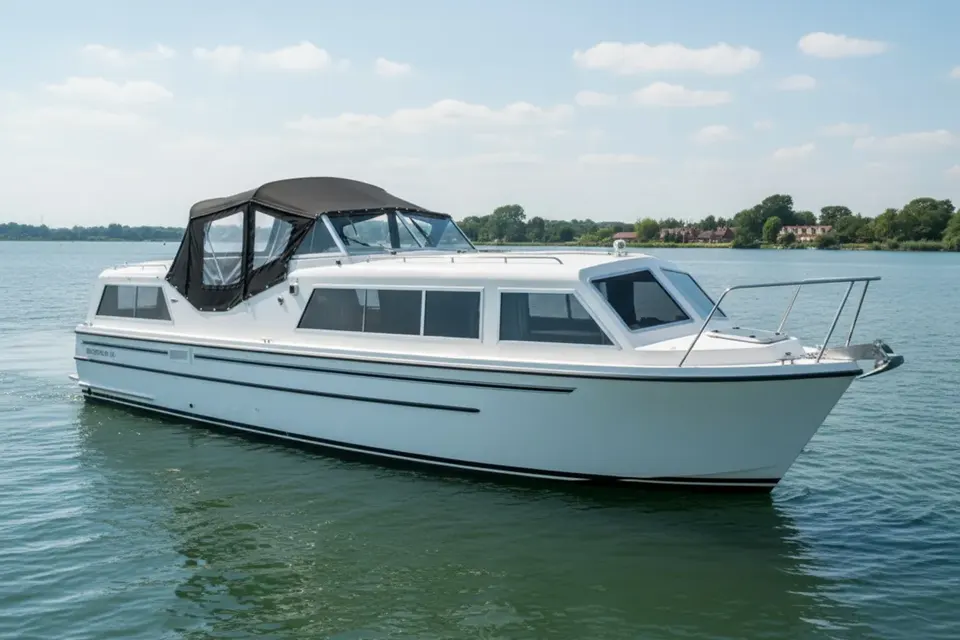
- Cockpit Covers: The most common and essential cover for these types of boats. A custom-fit cockpit cover protects the entire open area, including upholstery, helm station, instrument panels, and seating. It prevents rain, salt spray, and bird droppings from accumulating, keeping the interior clean, dry, and ready for immediate use. This dramatically reduces cleaning time and preserves the life of expensive upholstery and electronics.
- Biminis / Canopies: Similar to sailing yachts, a bimini or canopy provides crucial sun protection for the cockpit area, enhancing comfort during sunny spells and offering shelter from light rain. Many are designed to be easily deployed or stowed.
- Full Canvas Covers: For long-term storage, especially during the off-season, a full canvas cover provides comprehensive protection, enveloping the entire deck and cabin structure. This ensures the boat remains pristine, shielding it from UV, heavy rain, frost, and environmental pollutants.
- Spray Hoods: While less common than on dedicated sailing yachts, some cabin and day cruisers, particularly those with a more open helm area, can benefit from a spray hood to offer similar protection from wind and spray for the helmsman and forward cockpit area.
4. River Boats: Adapting to Coastal Demands
While "river boats" might suggest inland waterways, vessels designed for calmer waters are occasionally transported to coastal locations like St Monans for transit, maintenance, or temporary storage. When subjected to the coastal environment, they face the same threats as their sea-going counterparts.
- Specific Cover Needs for River Boats (when at St Monans):
- Full Mooring Covers: Given their often more open design and less inherent resistance to salt and heavy seas, a full mooring cover is paramount. This robust cover would envelop the entire vessel, providing maximum protection from salt spray, wind-driven rain, and UV degradation. It’s essential for protecting wooden elements, interior fabrics, and delicate mechanical components not typically exposed to such harsh conditions.
- Canopies & Tonneau Covers: Depending on their specific design, canopies for open cockpits and tonneau covers for seating areas would offer targeted protection, similar to their application on day cruisers.
In St Monans, the choice of boat cover is not merely about covering; it's about precisely tailoring protection to the unique characteristics and vulnerabilities of each vessel, ensuring its continued resilience against the persistent challenges of the North Sea.
St Monans Harbour: A Hub for Vessel Care
St Monans harbour is more than just a place to moor a boat; it’s a living, breathing entity, deeply ingrained in the fabric of the community. Its solid, ancient stone walls have stood for centuries, offering a relative sanctuary from the open sea, but by no means total immunity from the coastal environment. The harbour comprises inner and outer basins, typically bustling with activity, from returning fishing boats to yachts preparing for a voyage.
Moorings here include a mix of permanent berths for local fishing fleets and leisure craft, alongside visitor berths that welcome transient vessels. This dynamic environment means boats are constantly exposed to the elements, whether tied up for a few hours, a few days, or for the long winter lay-up.
Even within the perceived shelter of the harbour walls, salt spray finds its way in, the wind still whips through, and the sun's UV rays penetrate. Boats moored here require diligent care, and high-quality covers are an integral part of that routine. Local services, often born from generations of maritime expertise, understand the rigours of the environment, and boat owners themselves take immense pride in their vessels, reflecting a deep-seated connection to the sea. The sight of a well-maintained, covered boat in St Monans harbour is a testament to this community's respect for their craft and the coastal environment.
The Modern Solution: UK Boat Covers' Bespoke Service
In an age where customisation often comes with prohibitive costs and lengthy lead times, UK Boat Covers offers a refreshing and highly effective solution for boat owners in St Monans and across the UK. Their unique approach simplifies the process of acquiring a perfectly fitting, high-quality cover, tackling the common challenges of measurement and bespoke manufacturing.
At the heart of their service is an innovative concept that leverages existing assets: the "send your old cover" postal service.
The "Send Your Old Cover" Process:
- Customer Removes Old Cover: The boat owner carefully removes their existing, worn-out cover from their fishing boat, sailing yacht, cabin cruiser, day cruiser, or river boat.
- Packaging and Posting: The old cover is then securely packaged and sent via post to UK Boat Covers' workshop.
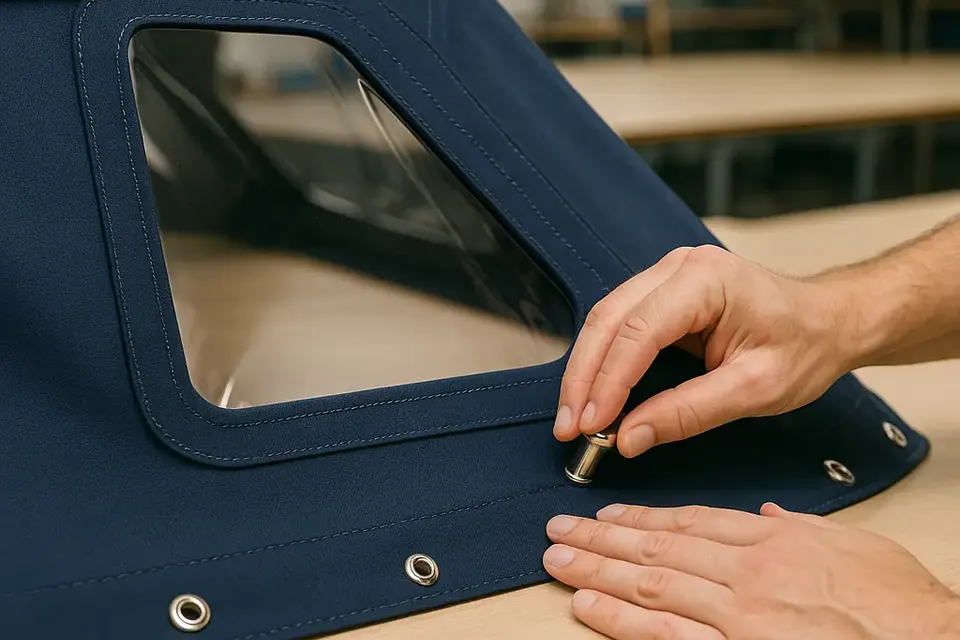
- Precision Templating: Upon receipt, UK Boat Covers' skilled craftspeople use the old cover as a meticulously accurate template. This isn't just a rough guide; it's a precise pattern that captures every curve, seam, fastener position, and dimension of the original cover, ensuring the new one will fit exactly as intended, if not better.
- Custom Craftsmanship: Using the detailed template, a brand-new cover is expertly cut and stitched from superior, marine-grade materials (canvas). Every detail, from reinforced stress points to heavy-duty stitching, is executed with precision, ensuring durability and longevity in the harsh coastal environment.
- Rapid Dispatch: The completed, custom-fit new cover is then carefully packaged and dispatched back to the customer, ready for immediate installation.
The Advantages of this Streamlined Service:
- Perfect, fit subject to assessment: This is perhaps the most significant advantage. Measuring a boat for a custom cover can be complex and error-prone, especially for intricate designs like spray hoods or cockpit covers on a sailing yacht or cabin cruiser. By using the old cover as a template, UK Boat Covers guarantees a fit that is not only snug but also perfectly matched to the specific contours of the boat, without the need for an on-site visit or complicated self-measuring instructions. This ensures maximum protection and a sleek aesthetic.
- Unparalleled Convenience: For boat owners in St Monans, geographical distance is no longer an issue. There's no need to schedule an appointment for a technician to visit the harbour, no complex measuring kits to decipher. The entire process is handled remotely and efficiently, saving valuable time and hassle.
- Exceptional Accuracy and Consistency: The old cover, having stretched and settled into the boat's shape over time, often provides a more accurate template than new measurements. This eliminates the common issues of ill-fitting covers that can chafe, leak, or blow away in strong winds.
- Remarkable Speed: The dispatch timing agreed before ordering: In the boating world, waiting weeks or even months for a custom cover can be frustrating. UK Boat Covers boasts an impressive dispatch timing agreed before ordering from the moment they receive the old cover to the dispatch of the new one. This efficiency means minimal downtime for the boat and quick restoration of vital protection.
- Cost-Effectiveness: By streamlining the templating process and eliminating the need for on-site visits, UK Boat Covers can offer bespoke, high-quality covers at a more competitive price point than traditional custom cover manufacturers. This makes premium protection accessible to a wider range of boat owners.
The "No VAT" Pricing Advantage:
Adding further to their compelling offering, UK Boat Covers operates with a "No VAT" pricing structure. This means that customers benefit from purchasing their custom boat covers without the addition of Value Added Tax, which typically adds 20% to the cost of goods in the UK.
- Significant Cost Savings: For boat owners, who already face considerable expenses in maintenance and mooring, the "No VAT" advantage represents a substantial saving on a crucial piece of equipment. It makes the investment in a top-quality, custom-fit cover more affordable and justifiable.
- Accessible Quality: By reducing the overall price, UK Boat Covers makes premium-grade materials and expert craftsmanship more accessible, allowing more boat owners to adequately protect their valuable assets against the harsh St Monans environment.
Together, the "send your old cover" service and the "No VAT" pricing position UK Boat Covers as a leading provider of custom boat covers, offering an unmatched combination of convenience, precision, speed, and affordability to boat owners in St Monans and beyond.
Crafting Protection: Focus on Specific Cover Types
The effectiveness of a boat cover lies not just in its fit, but in its design and the materials it employs. UK Boat Covers specialises in several key types of covers, each meticulously crafted from marine-grade canvas to address specific protective needs for boats like those found in St Monans.
1. Canvas Covers (General Purpose)
When referring to 'canvas covers' in a marine context, we are typically talking about highly engineered fabrics designed specifically for outdoor and marine environments. These are far removed from traditional cotton canvas.
- Materials: Modern marine canvas is predominantly made from advanced synthetic fibres, most commonly solution-dyed acrylics (like Sunbrella) or high-grade polyesters.
- Solution-dyed acrylics are renowned for their exceptional UV resistance, colourfastness (the dye is integrated into the fibre itself), and breathability, which helps prevent condensation and mildew. They are also highly water-repellent.
- Polyester fabrics often combine strength with various coatings (like PVC or polyurethane) to enhance waterproofing and abrasion resistance. They can be extremely durable.
- Features:
- UV Resistance: Critical for preventing fading, brittleness, and degradation of the fabric itself, extending the cover's lifespan.
- Water Repellency/Waterproofing: Ensures rain and spray simply bead off, keeping the boat beneath dry.
- Breathability: Allows air circulation, preventing the build-up of moisture and condensation that leads to mould and mildew.
- Mould and Mildew Resistance: Treated to inhibit organic growth, keeping the cover and the boat clean.
- Strength and Durability: Designed to withstand constant exposure to wind, salt, and abrasion without tearing or degrading.
- Purpose: General canvas covers can be tailored for a multitude of purposes:
- UK Boat Covers makes covers for specific areas, including cockpit and tonneau covers, cratch covers and replacement canopy canvas. We do not make whole-boat or winter-storage covers, or supply or install supporting framework. Tell us which area needs covering before requesting a quote.
- Cockpit covers: Protecting the open areas of sailing yachts, day cruisers, and cabin cruisers from the elements.
- Sectional covers: Custom-made covers for specific areas like consoles on open fishing boats or helm stations.
- Craftsmanship: The quality of a canvas cover is also defined by its construction:
- Heavy-duty marine-grade thread: UV-resistant and rot-proof.
- Reinforced stitching: At stress points, corners, and areas where fasteners are attached.
- Vents: Strategically placed to enhance airflow and prevent moisture trapping.
- Robust fasteners: Snaps, bungee cords, or straps designed for marine use and easy operation.
2. Canopies
Canopies provide overhead shelter, typically supported by a frame, offering protection from sun and light rain while the boat is in use or moored.
- Types:
- Biminis: The most common type, usually collapsible, offering sun and light rain protection over a cockpit. They are popular on sailing yachts for the helm and cockpit area, and on day/cabin cruisers for extending the usable outdoor space.
- Fixed Canopies: More permanent structures, often seen on larger fishing boats or cabin cruisers, providing continuous shelter over a specific deck area.
- Benefits:
- Sun Protection: Crucial for protecting crew from harmful UV rays, reducing fatigue and the risk of sunburn, especially during extended periods on the water or when moored.
- Light Rain Shelter: Allows continued enjoyment of the boat even during light showers.
- Protection for Equipment: Shields sensitive electronics, upholstery, and wooden trim from direct sunlight and occasional spray.
- Aesthetic Appeal: A well-designed canopy enhances the boat's lines and offers a sense of comfort and refinement.
- Materials: Typically constructed from the same high-quality marine-grade canvas as other covers, often featuring stainless steel or aluminium frames for durability and corrosion resistance. Clear vinyl panels are often integrated for forward visibility.
- St Monans Relevance: Even on cooler Scottish days, UV is a significant concern. A canopy provides welcome relief and extends the comfortable usability of the boat.
3. Tonneau Covers
Tonneau covers are snug-fitting covers designed to enclose specific open areas, predominantly cockpits, providing a clean, sealed environment.
- Purpose: Primarily used on smaller fishing boats, day cruisers, and some cabin cruisers with open aft sections. They are designed to cover an open cockpit from the top of the windshield or helm backwards.
- Features: Characterised by a tight fit, often secured with snaps, elastic cords, or turn-buttons around the perimeter. They are generally simpler in construction than full covers but equally effective for their specific role.
- Benefits:
- Keeps Interior Dry and Clean: Prevents rain, salt spray, and debris (leaves, bird droppings) from entering the cockpit, keeping upholstery, carpet, and instrumentation clean and dry.
- Protects Upholstery and Dash: Shields vulnerable materials from UV degradation and moisture.
- Quick and Easy Deployment: Designed for relatively fast installation and removal, making them practical for daily use or short-term mooring.
- St Monans Relevance: Essential for boats moored in the harbour to keep their cockpits pristine and ready for use, reducing the constant battle against salt and damp.
4. Spray Hoods (Dodgers)
A hallmark of sailing yachts (and sometimes incorporated into the design of cabin cruisers), spray hoods are semi-rigid canvas structures that provide essential protection for the cockpit area.
- Purpose: Mounted forward of the cockpit, typically over the companionway, to shield the crew from sea spray, wind, and sun.
- Features: Consist of a robust frame (stainless steel or aluminium) over which marine canvas is stretched. They often incorporate clear vinyl windows for forward visibility and sturdy grab rails for safety when moving about the deck.
- Benefits:
- Enhanced Crew Comfort: Significantly reduces the amount of spray and wind entering the cockpit, keeping the crew drier and warmer, especially when sailing upwind in choppy conditions. This reduces fatigue and discomfort.
- Extended Sailing Season: By offering greater protection, spray hoods enable more comfortable sailing in less clement weather, effectively extending the usable boating season.
- Protection for Instruments and Companionway: Shields helm instruments from spray and sun, and prevents water from entering the cabin via the companionway.
- Safety: The grab rails provide a secure handhold in rough conditions.
- St Monans Relevance: Given St Monans’ exposure to the North Sea, a high-quality spray hood is almost a non-negotiable item for any sailing yacht or cruising vessel regularly venturing beyond the harbour walls. It drastically improves the comfort and safety of offshore or coastal passages.
Each of these cover types, when expertly crafted from the right marine-grade canvas, represents a targeted defence strategy against the specific environmental threats found in St Monans, ensuring that every vessel, regardless of its type, remains protected and pristine.
Conclusion: A Small Investment for Big Returns
The waters surrounding St Monans, while breathtakingly beautiful, are also a formidable testing ground for marine vessels. The relentless assault of salt spray, the persistent force of coastal winds, and the insidious degradation of UV exposure pose a constant threat to every fishing boat, sailing yacht, cabin cruiser, day cruiser, or river boat moored in its historic harbour. Without adequate protection, the joy of owning such a vessel can quickly be overshadowed by the burden of constant maintenance, premature wear, and significant depreciation.
In this challenging environment, a high-quality, custom-fit boat cover is not an indulgence; it is an essential investment. It is the first, and often most effective, line of defence, safeguarding sensitive electronics, preserving expensive sails and rigging, protecting valuable upholstery, and maintaining the structural integrity and aesthetic appeal of the entire vessel. By acting as a robust barrier against the elements, covers dramatically reduce maintenance requirements, extend the lifespan of components, and crucially, preserve the boat's resale value.
With UK Boat Covers, obtaining this vital protection has never been easier or more advantageous. Their innovative "send your old cover" postal service guarantees a perfect, custom fit with unparalleled convenience and a remarkably swift dispatch timing agreed before ordering. Furthermore, their unique "No VAT" pricing structure offers a significant financial benefit, making premium, bespoke protection accessible to all boat owners.
For the proud owners in St Monans, investing in a custom canvas cover, canopy, tonneau cover, or spray hood from UK Boat Covers means more than just protecting an asset. It means preserving the heart of their maritime passion, ensuring that every vessel remains a source of pride, adventure, and enduring pleasure against the magnificent, yet demanding, backdrop of the Scottish East Coast. It’s the small investment that yields big returns in longevity, enjoyment, and peace of mind.