Guardians of the Forth: Protecting Edinburgh's Fleet with Bespoke Boat Covers
The iconic silhouette of Arthur's Seat looms majestically over Edinburgh, a city steeped in history, culture, and a deep, enduring connection to the sea. The Firth of Forth, a vast estuary stretching into the North Sea, is not merely a scenic backdrop but a vibrant maritime highway and playground for a diverse fleet of vessels. From the graceful arcs of sailing yachts battling the elements to the comfortable confines of cabin cruisers exploring the coastline, Edinburgh's boat owners cherish their craft. Yet, this very proximity to the raw beauty of the Scottish east coast brings with it an unrelenting challenge: a maritime environment that is as breathtakingly beautiful as it is relentlessly punishing.
The bracing sea air, the keen bite of coastal winds, the perpetual dance of salt spray, and even the deceptive power of the Scottish sun’s UV rays conspire to degrade, damage, and diminish the lifespan and aesthetic appeal of any boat left unprotected. In this unique coastal crucible, a boat cover is not an optional extra but an indispensable guardian, a vital shield against the corrosive forces of nature. For the discerning mariners of Edinburgh, safeguarding their vessels means embracing solutions tailored to the specific demands of the Firth of Forth – solutions that offer both uncompromising protection and unparalleled convenience.
Edinburgh's Maritime Soul: The Firth of Forth and Its Vessels
The Firth of Forth is more than just a body of water; it’s an arterial waterway that has shaped Edinburgh’s identity for centuries. Historically a strategic defensive line and a vital trade route, today it’s a dynamic hub for leisure, fishing, and commercial activity. Its waters are navigated by a fascinating array of vessels, each with its own character and purpose, yet all equally vulnerable to the coastal elements.
Sailing Yachts: The Forth is a sailor’s paradise, offering sheltered waters in its upper reaches and exhilarating open-water challenges closer to the North Sea. From nimble dayboats embarking on short excursions to robust, passage-making yachts designed for longer voyages, sailing vessels are a common sight. Their intricate rigging, polished brightwork, gelcoat hulls, and often elaborate deck layouts present numerous vulnerabilities. Sails, ropes, and delicate instruments are easily damaged by UV and abrasive winds, while wooden or synthetic decks can suffer from constant moisture and salt. A well-fitted canvas cover is paramount to preserving the integrity of their lines, preventing salt ingress into vital systems, and protecting their intricate deck gear.
Cabin Cruisers: For those who prefer comfort and leisure with a dash of adventure, cabin cruisers are a popular choice. These vessels, designed for overnight stays and extended trips along the coast or into sheltered coves, offer spacious interiors, galley facilities, and comfortable sleeping berths. Protecting these havens from the external environment is critical. The cabin superstructure, windows, and internal furnishings are highly susceptible to UV fading, moisture ingress leading to mould and mildew, and general wear from salt and wind abrasion. A comprehensive cover safeguards not just the exterior, but the entire living space, ensuring that every trip begins with a fresh, clean, and well-preserved interior.
River Boats: While Edinburgh is unequivocally coastal, the Firth of Forth is an estuary, and its upper reaches transition into riverine environments. Smaller, more sedate river boats might be found exploring these calmer waters or even being transported to lochs further inland. These craft, often with open cockpits or simpler canopies, are equally in need of protection from the elements, particularly when moored or stored. They benefit immensely from tailored tonneau covers or full canvas enclosures that prevent water accumulation and guard against UV damage to their simpler, often timber or fibreglass constructions.
Day Cruisers: Perfect for shorter excursions, picnics on sheltered beaches, or a quick run out to a fishing spot, day cruisers offer versatility and ease of handling. They typically feature open cockpits or cuddy cabins and are designed for a more casual boating experience. However, their exposed seating, consoles, and decks are directly in the firing line of Edinburgh’s weather. A robust cover is essential to keep the interior dry, clean, and free from the damaging effects of sun and salt, ensuring that the vessel is always ready for spontaneous adventures.
Fishing Boats: Whether small traditional craft used by local anglers or more modern fibreglass versions, fishing boats are a staple of the Forth. These hardy vessels, often laden with gear, are constantly exposed to the elements. Their open decks, often robust but still vulnerable, require protection from rain, salt spray, and bird droppings. A sturdy canvas cover not only keeps the boat clean but also protects sensitive electronic equipment and prevents the accumulation of water in the hull, which can lead to structural stress and growth of unwanted organisms.
Each of these vessel types, from the grandest yacht to the humblest fishing boat, represents a significant investment of time, passion, and capital. Their continued enjoyment and longevity hinge directly on how effectively they are protected from the unique rigours of Edinburgh’s coastal climate.
The Unyielding Gauntlet: Edinburgh's Coastal Weather Challenges
The East Coast of Scotland, while undeniably beautiful, is also a crucible of challenging weather patterns. Edinburgh’s position directly on the Firth of Forth exposes its boating community to a unique combination of environmental aggressors. Understanding these forces is the first step towards effective protection.
Coastal Winds: The Firth of Forth is renowned for its persistent and often powerful winds. Westerly gales frequently sweep down the estuary, funnelling between the landmasses, while easterly "haars" (sea mists) can bring with them chilling dampness and stronger breezes. These winds are not just inconvenient; they are destructive. They abrade surfaces, causing microscopic wear that dulls gelcoat and varnish. They lift and deposit airborne debris – dust, grit, sand, and even industrial fallout from nearby areas – which can scratch finishes. More critically, sustained high winds can stress seams, fixtures, and fastenings on unprotected boats, leading to structural fatigue and even physical damage. For a covered boat, excessive wind can flap and chafe, if the cover is not well-fitted, but a properly secured, bespoke cover is designed to mitigate these forces, hugging the contours of the vessel and presenting a smooth, aerodynamic profile.
Salt Spray & Salt Air: This is perhaps the most insidious and pervasive threat to any vessel in a coastal environment. The constant presence of salt, whether as fine mist in the air or as direct spray from choppy waters, is highly corrosive. Salt crystals can accumulate on virtually every surface, attracting moisture and accelerating oxidation. Metal fittings – cleats, hinges, stanchions, and electrical connections – are particularly vulnerable, leading to rust and galvanic corrosion. Gelcoat can become dull and pitted, fabrics can stiffen and degrade, and even rubber and plastics can become brittle over time. Salt is relentless, working its way into every crevice. A boat cover acts as an impermeable barrier, preventing salt-laden air and spray from reaching the boat's surfaces, drastically reducing the rate of corrosion and keeping the vessel cleaner for longer.
UV Exposure (Even in Scotland): Many assume that Scotland's often overcast skies mean minimal UV risk. This is a dangerous misconception. While direct sunshine may be less frequent than in sunnier climes, UV radiation penetrates cloud cover. Over time, this invisible enemy causes significant damage. Gelcoat on fibreglass hulls fades, chalks, and cracks, losing its protective qualities and aesthetic appeal. Wooden brightwork quickly greys and deteriorates. Synthetic ropes, sails, and fabrics become brittle, losing strength and elasticity. Upholstery, both internal and external, fades and breaks down. UV degradation not only compromises the boat's appearance but also weakens its structural components and finishes. A high-quality boat cover, made from UV-resistant materials, provides a critical shield, absorbing the harmful rays and preserving the boat's colours, finishes, and structural integrity.
Rain & Damp: Scotland is renowned for its rainfall, and Edinburgh is no exception. Persistent rain, drizzle, and dampness are a constant challenge. Unprotected boats can quickly accumulate rainwater in cockpits, bilges, and even within cabins if seals are compromised. Stagnant water encourages the growth of mould, mildew, algae, and rot, particularly in wooden components or damp soft furnishings. This not only creates unpleasant odours and unhealthy environments but also can lead to significant structural damage over time. A well-designed boat cover is fully waterproof, preventing any ingress of rain, while often incorporating features that allow for proper ventilation, combating condensation and ensuring the boat remains dry and fresh.
Temperature Fluctuations: The Scottish climate can be mercurial, with significant temperature swings possible even within a single day. These fluctuations cause materials to expand and contract, putting stress on seams, joints, and finishes. Condensation can also form on internal surfaces as warm, moist air cools, contributing to dampness issues. A protective cover helps to moderate these temperature extremes, creating a more stable environment for the boat's materials and reducing stress-related wear and tear.
Wildlife & Debris: Beyond the atmospheric challenges, boats at mooring or storage are also vulnerable to bird droppings, leaf litter, dust, and other detritus. Bird droppings, being highly acidic, can permanently etch gelcoat and varnish if not quickly removed. Leaves and twigs can block drains, stain decks, and provide nooks for insects. A boat cover provides a physical barrier against all these common nuisances, keeping the boat pristine and ready for use.
In summary, the Edinburgh coastal environment presents a formidable challenge to boat owners. Without adequate protection, the relentless onslaught of wind, salt, UV, and rain will inevitably lead to accelerated degradation, increased maintenance, and a significant loss in value. This makes the boat cover not just a desirable accessory, but a fundamental necessity.
The Indispensable Shield: Why Boat Covers are Essential in Coastal Environments
Given the unique and formidable challenges posed by Edinburgh’s coastal weather, the role of a boat cover transcends mere accessory status; it becomes an indispensable component of responsible boat ownership. A high-quality, purpose-built cover acts as a multi-faceted shield, delivering a spectrum of benefits critical to the longevity, aesthetics, and functionality of any vessel.
Comprehensive Protection from the Elements: This is the primary and most immediate benefit. As discussed, a well-fitted cover creates an impenetrable barrier against salt spray, driving rain, and abrasive winds. It prevents UV radiation from directly striking vulnerable surfaces. This holistic protection significantly mitigates the corrosive effects of salt, the degrading power of UV, and the physical wear and tear caused by wind and debris. For a sailing yacht, it means protecting intricate rigging from salt crystallisation and UV embrittlement. For a cabin cruiser, it ensures the cabin remains dry, warm, and free from the ingress of damp and salt-laden air, protecting sensitive internal electronics and upholstery.
Preservation of Aesthetics and Finish: A boat’s appearance is a source of pride for its owner. The lustrous shine of gelcoat, the rich warmth of varnished wood, and the vibrant colours of fabrics all contribute to a boat’s allure. Coastal elements, however, relentlessly work to dull, fade, and chalk these surfaces. A cover acts as a cosmetic guardian, preventing UV-induced fading, salt etching, and the accumulation of grime that requires vigorous cleaning. This preserves the boat’s original beauty, maintaining its showroom finish for years longer than an uncovered vessel.
Prevention of Structural Damage and Degradation: Beyond surface aesthetics, boat covers play a critical role in preventing more serious structural issues. By keeping the boat dry, they prevent water ingress into vital areas, combating rot in wooden structures, inhibiting corrosion in metal fastenings, and reducing the risk of delamination in fibreglass components. For sailing yachts, protecting the deck from constant moisture helps prevent water from finding its way into core materials, which can be costly to repair. For fishing boats, keeping the hull dry minimises growth of marine organisms in unused periods, reducing drag and cleaning effort.
Significant Reduction in Maintenance and Cleaning: This is a benefit that resonates deeply with any boat owner. An uncovered boat requires constant cleaning to remove salt residue, bird droppings, dust, and accumulated rainwater. This not only consumes precious leisure time but also involves the use of detergents and abrasive cleaning techniques that can further wear down surfaces. A covered boat, by contrast, stays remarkably cleaner. The time saved on arduous cleaning can instead be spent enjoying the vessel or undertaking more strategic maintenance tasks. This translates directly into more time on the water and less time performing chores.
Enhanced Security and Deterrence: While not a physical lock, a boat cover provides a significant psychological deterrent against opportunistic theft and vandalism. A covered boat conceals its contents and makes it less immediately obvious what valuables might be onboard. The additional effort required to remove a securely fitted cover can be enough to deter a casual opportunist, offering an extra layer of security and peace of mind for owners. It also keeps curious onlookers from peering into the cabin, respecting the privacy of the owner.
Extension of Lifespan and Retention of Resale Value: Ultimately, the combined benefits of protection and reduced wear lead to a significantly extended lifespan for the vessel. A boat that has been consistently protected by a high-quality cover will age far more gracefully than one left exposed. When the time comes to sell, a well-preserved boat with an immaculate interior and exterior will command a much higher resale value, recouping a significant portion of the initial investment in the cover. It’s an investment in the boat’s future.
Specific Cover Types & Their Roles in Edinburgh:
The diverse fleet of Edinburgh demands a variety of cover solutions, each meticulously designed for its specific purpose:
UK Boat Covers makes covers for specific areas, including cockpit and tonneau covers, cratch covers and replacement canopy canvas. We do not make whole-boat or winter-storage covers, or supply or install supporting framework. Tell us which area needs covering before requesting a quote.
Canopies (Shelter and Comfort): Canopies are overhead structures, often supported by frames, designed to provide shelter for specific areas of the boat, typically the cockpit or helm station. They are common on cabin cruisers and some day cruisers, offering protection from sun and rain while the boat is in use or at anchor. A well-designed canopy enhances comfort for crew and passengers, extending the usability of the boat even in less-than-ideal weather conditions, a frequent occurrence in Scotland. They can be invaluable for fishing boats, providing crucial shelter during long hours on the Forth.
UK Boat Covers makes covers for specific areas, including cockpit and tonneau covers, cratch covers and replacement canopy canvas. We do not make whole-boat or winter-storage covers, or supply or install supporting framework. Tell us which area needs covering before requesting a quote.
Spray Hoods (Sailing Yacht & Cruiser Essentials): An absolute essential for sailing yachts and often found on cabin cruisers, a spray hood (or dodger) is a semi-rigid fabric structure positioned over the companionway or forward cockpit. Its primary function is to protect the crew and the cabin entrance from spray, wind, and rain when underway. In the often-choppy waters of the Firth of Forth and beyond, a quality spray hood vastly improves comfort and safety, keeping the cockpit drier and more sheltered. They are typically made from durable, marine-grade acrylic canvas, offering excellent UV resistance and water repellency, often incorporating clear vinyl windows for visibility.
Choosing the right type of cover, and crucially, ensuring it's custom-fitted, maximises these benefits. Generic, ill-fitting covers can chafe, leak, or blow off in a gale, doing more harm than good. A bespoke solution is the only way to guarantee optimal protection in Edinburgh’s demanding environment.
Edinburgh's Marinas and Harbours: A Network of Home Berths
Edinburgh’s coastal setting provides several key locations for mooring and storing leisure craft, each with its own characteristics, yet all sharing the common need for robust boat protection. Understanding these berths highlights the practical application of boat covers.
Port Edgar Marina, South Queensferry: Arguably the most prominent and comprehensive marina in the Edinburgh area, Port Edgar is situated beneath the iconic Forth Bridges. It offers extensive pontoon berthing, alongside dry stack facilities and hard standing for winter storage. Boats here are directly exposed to the open expanse of the Forth. The marina is well-sheltered from some wind directions but can be susceptible to strong currents and the full force of westerly gales funnelling down the estuary. Vessels moored on pontoons are in constant contact with the saltwater environment, making covers essential to prevent salt spray and UV degradation to decks and topsides. Those in dry stack or hard standing also benefit, as even out of the water, UV, wind-blown debris, and rain remain significant threats.
Granton Harbour: Located closer to the heart of Edinburgh, Granton has historically been more commercial and industrial. However, it does offer some leisure moorings and is home to various yacht clubs. While potentially more sheltered within the harbour walls, boats here are still subject to the prevailing coastal weather patterns, including the "haar" and salt-laden air. The unique environment of a working harbour means additional considerations for airborne particulates, making protective covers even more vital for maintaining cleanliness and appearance.
Fisherrow Harbour, Musselburgh: A quaint, traditional harbour to the east of Edinburgh, Fisherrow provides moorings for smaller fishing boats and leisure craft. Its shallower waters and more restricted entrance offer some natural protection, but boats here are still very much in the maritime environment. The tight-knit community of boats means covers are crucial not just for protection, but also for maintaining a neat and tidy appearance within the harbour.
Leith Docks: Historically Edinburgh’s main port, Leith has undergone significant regeneration. While much of it remains commercial, there are areas with leisure berths and liveaboard communities. Boats here, often nestled within the protective basin of the docks, might seem less exposed than those on the open Forth. However, the omnipresent salt air, condensation from temperature shifts, and the accumulation of industrial dust or bird droppings still pose significant threats, making tailored covers an important aspect of vessel care.
Regardless of whether a boat is berthed on a pontoon, on a swinging mooring, or stored on hard standing, the fundamental threats from Edinburgh’s coastal environment persist. On a swinging mooring, the boat is exposed to all directions of wind and weather. On a pontoon, while less subject to movement, direct exposure to sun, rain, and salt spray is constant. Even in dry storage, UV radiation, wind-blown debris, and moisture can inflict damage. Therefore, a comprehensive covering solution is not location-dependent within the Forth; it is universally essential for every vessel calling Edinburgh home.
UK Boat Covers: A Tailored Solution for Edinburgh's Mariners
For the dedicated boat owners of Edinburgh, finding a reliable, high-quality solution for boat covers can be a challenge. The specific demands of the Scottish east coast – robust materials, precision fit, and enduring quality – necessitate a specialist approach. This is where UK Boat Covers distinguishes itself, offering a service that is both exceptionally convenient and remarkably cost-effective, perfectly suited to the unique needs of the Firth of Forth boating community.
UK Boat Covers understands that a generic, off-the-shelf cover simply won't suffice for the rigours of Edinburgh's maritime climate. Every boat, whether a classic sailing yacht, a comfortable cabin cruiser, a practical day cruiser, or a sturdy fishing boat, has unique contours, fixtures, and requirements. Their bespoke approach ensures that every cover, canopy, tonneau cover, or spray hood is crafted to the exact specifications of the individual vessel, providing maximum protection and a perfect aesthetic fit.
The Revolutionary postal service with agreed dispatch timing: From Old to New with Unmatched Convenience
One of the most innovative and practical services offered by UK Boat Covers is their unique postal service with agreed dispatch timing. This ingenious system completely streamlines the process of acquiring a new, custom-fitted cover, eliminating the traditional complexities and inconveniences for boat owners.
Here’s how it works and why it’s a game-changer for Edinburgh’s mariners:
- You Send Your Old Cover: The owner simply removes their existing cover – whether it's a worn-out spray hood, a faded tonneau cover, or a full canvas enclosure – and sends it to UK Boat Covers. This simple act bypasses the need for costly and time-consuming site visits, boat transportation, or complex measuring appointments. The old cover serves as the perfect, most accurate template imaginable for a new custom fit.
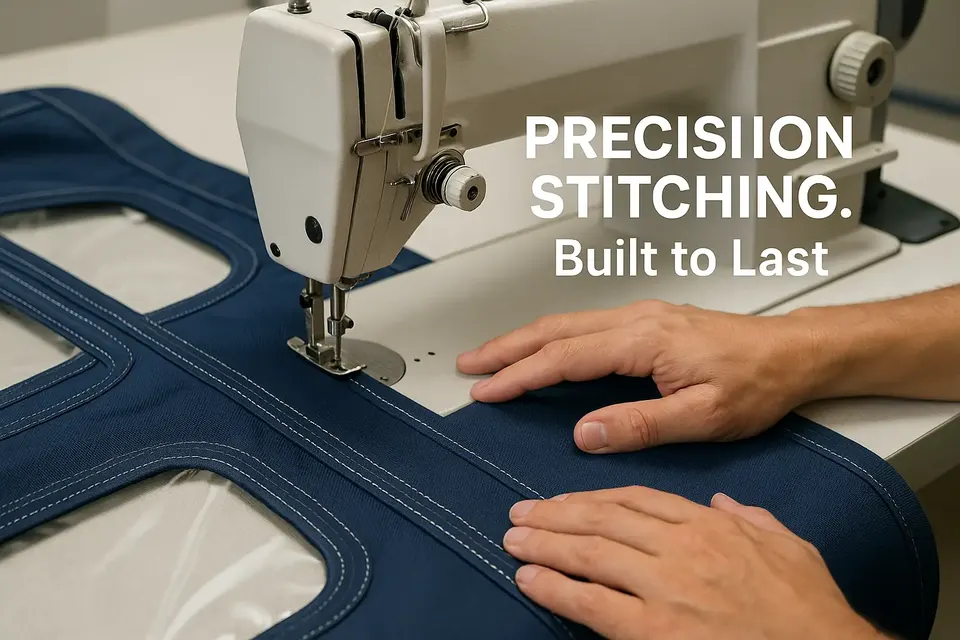
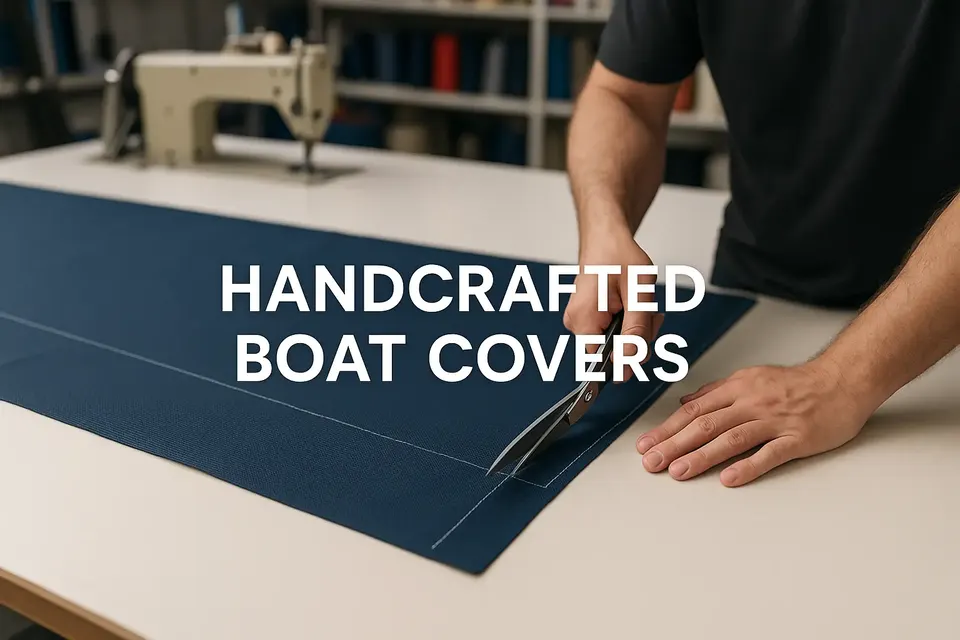
- Precision Crafting: Upon receipt, UK Boat Covers’ skilled artisans meticulously use the old cover as a pattern. They replicate its exact dimensions, seam placements, and fastening points, while often improving upon the original design with stronger materials, reinforced stress points, and enhanced features, addressing any weaknesses of the old cover. This guarantees a new cover that will fit your specific vessel precisely, eliminating slack, chafing, and areas where water could pool.
- Swift Turnaround: The remarkable aspect of this service is the speed. From the moment the old cover arrives at their workshop, UK Boat Covers commits to a swift dispatch timing agreed before ordering. Within less than a week, the brand-new, custom-crafted cover is completed and ready for dispatch.
- Receive Your New Cover: The meticulously crafted new cover is then securely packaged and posted back to the owner in Edinburgh. The entire process is conducted remotely, offering unparalleled convenience for boat owners who might be busy, unable to transport their vessel, or simply prefer a hassle-free experience.
This postal service with agreed dispatch timing is particularly advantageous for Edinburgh’s boating community. It means a sailing yacht owner in Port Edgar doesn’t need to arrange for a tailor to visit their boat in situ. A cabin cruiser owner in Leith can simply mail their old canopy, receiving a perfect replacement without disrupting their routine. This blend of precision customisation and efficient logistics ensures that protection for your vessel is never more than a week away.
The Advantage of No VAT Pricing
Beyond the convenience and quality, UK Boat Covers offers another compelling advantage for boat owners: their pricing structure, which operates without the addition of Value Added Tax (VAT). For individual purchasers, this represents a significant and immediate clear pricing on the price of their new boat cover, canopy, tonneau cover, or spray hood.
This "no VAT" approach makes high-quality, bespoke boat protection significantly more accessible. For an investment that is already crucial for preserving a boat's value and lifespan, clear pricing. It ensures that Edinburgh’s mariners can afford the very best materials and craftsmanship without the added financial burden typically associated with custom marine fabrication. This transparency and affordability underscore UK Boat Covers' commitment to providing exceptional value alongside their exceptional products.
Expertise and Materials for the Scottish Climate
UK Boat Covers' expertise extends beyond clever logistics and competitive pricing. They utilise only the highest-grade marine fabrics and components, selected specifically for their resilience against the demands of coastal environments. This includes UV-stable acrylic canvases that resist fading and degradation, robust polyester fabrics with waterproof coatings, and strong, corrosion-resistant fastenings. Their craftsmanship is informed by a deep understanding of marine requirements, ensuring reinforced stitching, strategic ventilation, and robust construction that stands up to the Firth of Forth’s challenging winds, salt spray, and persistent dampness.
For sailing yachts, they understand the precise requirements for spray hoods that integrate seamlessly with mast and rigging, or full covers that accommodate winches and deck gear. For cabin cruisers, their canopies and covers are designed to protect the cabin structure and interiors from moisture and UV. For day cruisers and fishing boats, tonneau covers are crafted for quick deployment and maximum cockpit protection. This dedicated expertise ensures that every product is not just a cover, but a purpose-built piece of marine equipment designed to protect and preserve.
In an environment as demanding as Edinburgh’s coast, entrusting the protection of your boat to a specialist like UK Boat Covers, with their unique blend of convenience, affordability, and uncompromising quality, is a decision that pays dividends in longevity, reduced maintenance, and continued enjoyment of your cherished vessel.
Conclusion: Safeguarding Edinburgh's Maritime Passion
The allure of Edinburgh’s coastal waters is undeniable, drawing sailing yachts, cabin cruisers, river boats, day cruisers, and fishing boats alike to explore the historic Firth of Forth. Yet, this captivating maritime playground simultaneously presents an array of formidable challenges: the ceaseless abrasion of coastal winds, the corrosive bite of salt spray, the silent degradation of UV radiation, and the pervasive dampness of Scottish rain. Without robust, tailored protection, these elements relentlessly conspire to diminish a boat’s aesthetics, compromise its structural integrity, and accelerate its decline.
A high-quality boat cover is far more than a simple accessory; it is an essential investment in the longevity, value, and continued enjoyment of your vessel. It stands as an unwavering guardian, shielding delicate gelcoat from fading, intricate brightwork from weathering, and comfortable interiors from mould and mildew. It reduces the onerous burden of constant cleaning and maintenance, freeing up precious time for what truly matters: the joy of being on the water. Moreover, it provides an additional layer of security, safeguarding your passion against opportunistic interference.
For the discerning mariners of Edinburgh, navigating the unique demands of the Scottish east coast requires solutions that are both precise and practical. UK Boat Covers emerges as a vital partner in this endeavour, offering a distinctive blend of bespoke craftsmanship, unparalleled convenience, and genuine affordability. Their innovative postal service with agreed dispatch timing, allowing owners to simply send their old cover and receive a perfectly fitted new one in return, eliminates traditional hurdles and ensures a seamless experience. Coupled with the significant financial advantage of their no-VAT pricing, UK Boat Covers makes premium, tailored protection accessible to every boat owner on the Forth.
Whether your sailing yacht is moored in Port Edgar, your cabin cruiser rests in Leith, or your fishing boat calls Fisherrow home, safeguarding your investment against the relentless Scottish weather is paramount. Embrace the comprehensive protection offered by a custom-crafted canvas cover, canopy, tonneau cover, or spray hood. Choose UK Boat Covers to ensure that your vessel remains pristine, protected, and perpetually ready for the next adventure on the breathtaking waters of the Firth of Forth, truly honouring Edinburgh's enduring maritime spirit.