Welcome to the definitive guide to the Regent's Canal, brought to you by ukboatcovers.com – your trusted family-run bespoke boat cover specialists based in Carterton, Oxfordshire. For boaters navigating the unique and vibrant waterways of London, understanding your environment is paramount, and ensuring your vessel is adequately protected is our business. The Regent's Canal, an iconic ribbon of water winding through the heart of the capital, presents a distinctive set of challenges and charms for boat owners. This comprehensive guide aims to equip you with essential knowledge about this historic waterway, from its bustling urban stretches to its tranquil green havens, and to advise on the best protection for your beloved boat in this dynamic setting. From robust Regent's Canal boat covers to premium London narrowboat protection, we've got you covered. ## Waterway Geography, History, and Character The Regent's Canal is an 8.6-mile-long vital artery that elegantly dissects Central London, connecting the Grand Union Canal at Little Venice in the west to the River Thames at Limehouse Basin in the east. Conceived in the early 19th century as a crucial commercial thoroughfare for moving goods across London, it was primarily designed to link the rapidly expanding canal network with the bustling docks of the Thames. Its construction, starting in 1812 and completed in 1820, was an ambitious feat of engineering for its time, creating a waterway that was both functional and, in parts, remarkably picturesque. The canal's route was carefully planned to bypass the congested streets of central London, providing a more efficient means of transport for coal, timber, and other commodities. Today, while its industrial past has largely faded, the canal has embraced a new life as a vibrant leisure waterway and a serene green corridor amidst the urban sprawl. Its character is a captivating blend of contrasts. From the idyllic, tree-lined waters of Little Venice, where the canal meets the Grand Union and creates a charming, almost continental atmosphere, to the energetic, bohemian buzz of Camden Lock Market, the canal offers an ever-changing panorama. Further east, it meanders past the elegant properties bordering Regent's Park, offering glimpses of ZSL London Zoo and its exotic residents, before diving into the mysterious Islington Tunnel. Beyond the tunnel, the canal re-emerges into the diverse neighbourhoods of East London, passing through Mile End Park and ultimately reaching the impressive expanse of Limehouse Basin, with its direct, tidal connection to the River Thames. This diverse geography ensures that every mile presents a new experience, attracting a wide array of users from residential boaters and weekend cruisers to walkers, cyclists, and tourists, all drawn to its unique blend of history, nature, and urban vitality. Protecting your vessel along this popular stretch is key, and high-quality London narrowboat protection is a must. ## Navigation Conditions: Locks, Bridges, Currents, Tidal Sections, Seasonal Water Levels Navigating the Regent's Canal is an engaging experience that requires attentiveness and a good understanding of its specific conditions. The 8.6-mile journey involves negotiating 12 locks, a series of tunnels, and numerous bridges, all within a bustling urban environment. Starting from Little Venice, you'll encounter the first set of locks, which typically operate manually, requiring boaters to work them with assistance from crew members or fellow boaters. One of the most famous and busiest sections is Camden Lock, which is a staircase lock system (two locks directly adjoining each other), notorious for its queues, especially during peak seasons and weekends. Patience and cooperation are essential here. Further along, locks such as Hampstead Road and St Pancras also require careful operation. All locks on the Regent’s Canal are standard narrowboat dimensions, typically accommodating one narrowboat or a small cruiser. The canal also features several notable tunnels. The longest and most significant is the Islington Tunnel, stretching for 960 yards. Unlike some other canal tunnels, it's unlit, necessitating the use of boat lights and, for safety, a forward-facing spotlight. Boaters are also advised to sound their horn upon entry and exit to alert oncoming traffic, as the tunnel is only wide enough for one boat at a time. Other shorter tunnels and numerous low-arched bridges dot the route, requiring boaters to be constantly aware of their air draft. Ensuring your boat's superstructure, antennae, and any raised covers can clear these structures is crucial to avoid damage. Currents are generally not a significant factor on the main canal sections, which are still waters. However, a critical navigational consideration arises at the eastern end: the Limehouse Basin and its tidal connection to the River Thames. The basin itself is a large, non-tidal haven, but access to the Thames is via the Limehouse Tidal Lock. This lock operates on a specific schedule, dictated by the Thames tides, usually opening for a window of time around high water. Boaters planning to enter or exit the Thames must consult tide tables and book passage in advance with the lock keeper. Navigating the Thames is a vastly different proposition from the calm canal, with strong tidal currents, commercial traffic, and larger vessels, demanding experienced skippers and appropriately equipped boats. Water levels on the Regent's Canal are generally maintained by the Canal & River Trust (CRT). While generally stable, periods of prolonged dry weather can occasionally lead to water restrictions or temporary closures for maintenance, particularly during the summer months. It's always advisable to check CRT notices before planning a journey to stay updated on any stoppages or navigation alerts. ## Weather and Seasonal Challenges Boating on the Regent's Canal, like any waterway, comes with its own set of weather-related and seasonal challenges. Being in central London, these challenges are often amplified by the urban environment, making robust boat protection from ukboatcovers.com all the more essential. One of the primary concerns, even in the UK, is UV exposure. While London might not always bask in glorious sunshine, UV radiation is present even on cloudy days. The canal’s passage through open parkland and alongside buildings can lead to reflective surfaces that intensify UV exposure. Prolonged UV radiation can severely degrade boat covers, leading to fading, brittleness, and ultimately, tearing. This is why selecting a cover material with excellent UV resistance is non-negotiable for Regent's Canal boaters. To understand more about selecting the right material, you might find our comprehensive boat cover material guide particularly helpful. Wind can also be a significant factor. Open stretches of the canal, particularly through Regent's Park or Mile End Park, can experience strong gusts. Additionally, the 'canyon' effect created by tall buildings in urbanised areas can funnel wind, causing it to accelerate and buffet moored boats. A poorly fitted or inferior cover can easily be torn, stretched, or even blown off in such conditions, exposing your boat to the elements. Our bespoke covers are designed for a snug fit, ensuring maximum wind resistance. Winter risks are universal for UK waterways. Freezing temperatures can lead to ice formation on the canal, which, while beautiful, poses a threat to moored boats. Ice can chafe hulls and damage paintwork, and frozen precipitation (snow and sleet) can accumulate on boat covers, adding significant weight and potentially causing structural damage if the cover isn't robust enough. A well-fitted, strong winter cover is crucial for protecting your boat from the harsh realities of frost, snow, and persistent rain, preventing water ingress and protecting interior furnishings from damp and mildew. Beyond the direct weather elements, the urban environment of London introduces other challenges. Air pollution and grime are more prevalent than on rural canals. Soot, dust, and other airborne particulates can accumulate on boat covers, making them look dirty and potentially accelerating material degradation if not cleaned regularly. This necessitates a cover material that is not only durable but also easy to clean and maintain. Furthermore, in a busy urban setting, security becomes a consideration. A robust, well-secured boat cover can act as a deterrent, offering a layer of protection against casual interference or theft of onboard items. Investing in a high-quality, bespoke cover from ukboatcovers.com offers peace of mind, knowing your boat is protected against everything the London climate and urban environment can throw at it. ## Boat Cover Material Recommendations for THIS Waterway Choosing the right boat cover material is paramount for protecting your vessel on the Regent's Canal, where urban environmental factors, varied weather conditions, and security considerations all play a role. At ukboatcovers.com, we understand these nuances and offer bespoke solutions tailored to your specific needs. When considering materials, the primary options are typically PVC (Polyester Reinforced PVC) and Solution-Dyed Acrylic. PVC (Polyester Reinforced PVC): This material is an excellent choice for ultimate protection and durability, especially for boats that are moored for extended periods or through the winter months on the Regent's Canal. * Pros: PVC is exceptionally robust, fully waterproof, and highly resistant to tearing and abrasion. Its smooth surface makes it very easy to clean, which is a significant advantage given the urban grime and pollution levels in London. It also boasts excellent UV resistance, crucial for mitigating the effects of sun exposure. For security, PVC's toughness provides an extra layer of deterrence. * Cons: PVC is less breathable than acrylic. Without adequate ventilation, condensation can build up underneath, potentially leading to mould and mildew. However, this can be largely mitigated by incorporating vents into the cover design, a service we offer as part of our bespoke fitting. * Recommendation for Regent's Canal: Ideal for all-weather, long-term mooring, and areas where maximum protection against the elements and urban fallout is desired. Its ease of cleaning is a real bonus for keeping your London narrowboat protection looking pristine. Solution-Dyed Acrylic: Often perceived as a more premium and aesthetically pleasing option, acrylic offers different benefits. * Pros: Acrylic fabrics are highly breathable, which naturally reduces condensation and the risk of mould and mildew, making them perfect for boats that need good air circulation. They are also highly UV resistant and excellent at retaining their vibrant colour, even after prolonged sun exposure. Acrylic offers good water resistance, shedding rain effectively, though seams can sometimes be a point of minor ingress if not properly sealed. * Cons: While durable, acrylic may not be as robust against punctures or abrasions as heavy-duty PVC. It can also be more susceptible to staining if urban grime is left to sit for extended periods, and while easy to clean, it might require a little more effort than PVC for heavily soiled areas. * Recommendation for Regent's Canal: An excellent choice for fair-weather cruising, shorter-term moorings, or for those who prioritise breathability and a more fabric-like aesthetic. It provides superb London narrowboat protection against UV and rain, ensuring your boat stays dry and well-ventilated. For the unique environment of the Regent's Canal, we generally recommend a material that offers exceptional UV resistance and is easy to clean. If your boat is primarily moored, a heavy-duty PVC cover with well-placed vents provides unparalleled protection. For boats that are regularly cruised and require more frequent removal and refitting of the cover, a high-quality solution-dyed acrylic might be preferred for its lighter weight and superior breathability. Both options are vastly superior when custom-made to fit your specific vessel perfectly. Our fabric options page provides more detail on the materials we use. We ensure that our Regent's Canal boat covers are designed to withstand the rigours of urban waterways, offering maximum longevity and performance.
Regent's Canal Boat Covers
Type: Canal
Location: Central London - Little Venice to Limehouse
Length: 8.6 miles
Features: Central London route, Camden Lock Market, Little Venice, Limehouse Basin tidal connection
Quick Answers: Boat Covers for Regent's Canal
Boat covers for Regent's Canal require an individual quote for canopies and an individual quote is required for tonneau covers. No VAT charged - pay the price shown. Post your old cover to UK Boat Covers for an exact copy according to the agreed schedule.
We serve boat owners across the Regent's Canal and all UK waterways. Family-run specialists since 2015.
Boat cover companies on Regent's Canal?
UK Boat Covers serves boaters on the Regent's Canal. Post your old cover to us - we'll make an exact copy using marine-grade materials. UK-wide postal service.
How much are boat covers for Regent's Canal boats?
Boat covers require an individual quote. Tonneau covers require an individual quote, canopies require an individual quote. No VAT charged - pay the price shown.
New canopy for Regent's Canal cruiser?
Order replacement canopies for cruisers, narrowboats, and dayboats on the Regent's Canal. UV-resistant marine canvas, waterproof, dispatch timing agreed before ordering.
Replacement tonneau cover Regent's Canal?
Heavy-duty tonneau covers for Regent's Canal boats. Post your old cover - we copy it exactly. PVC or acrylic canvas options.
Bespoke boat covers for Regent's Canal?
Every cover is made to measure for your boat. We copy your old cover exactly - zips, windows, custom features included. Dispatch timing agreed before ordering.
UK boat cover postal service?
Post your old cover from anywhere in the UK. We serve boaters on the Regent's Canal and all UK waterways. Family-run business in Oxfordshire.
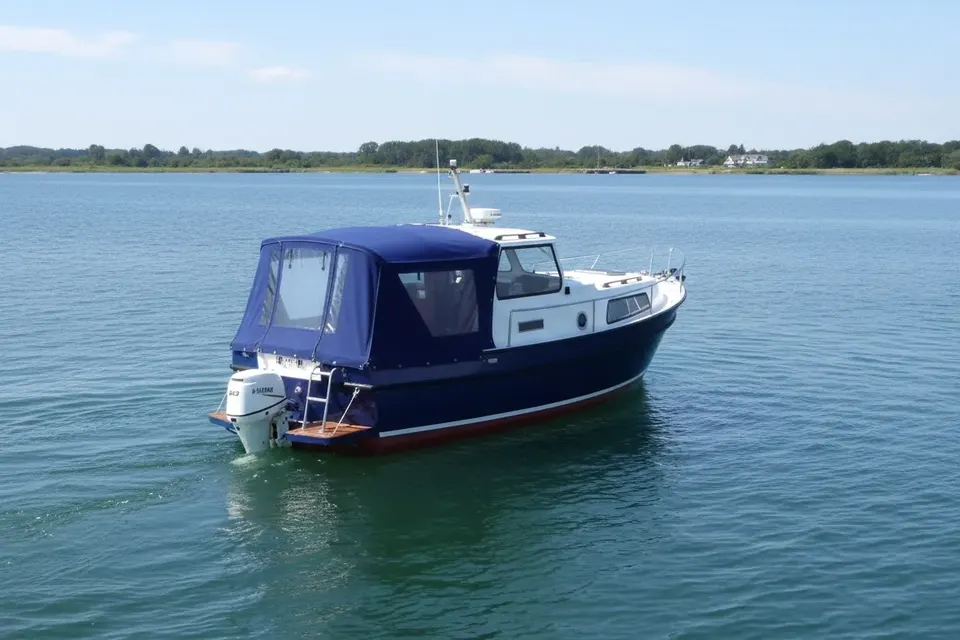
Towns & Locations on the Regent's Canal
View boat cover services in specific locations:
Get a Quote
Need a bespoke boat cover for your Regent's Canal boat?
Contact Ryan for a free quote - No VAT, dispatch timing agreed before ordering.
Or call to discuss your requirements. We serve boat owners across all UK waterways.
Popular Boat Models on the Regent's Canal
We make covers for all these popular river cruisers and canal boats:
Canal Boat Cover Types
We make bespoke covers for all types of canal boats on the Regent's Canal:
Related Pages
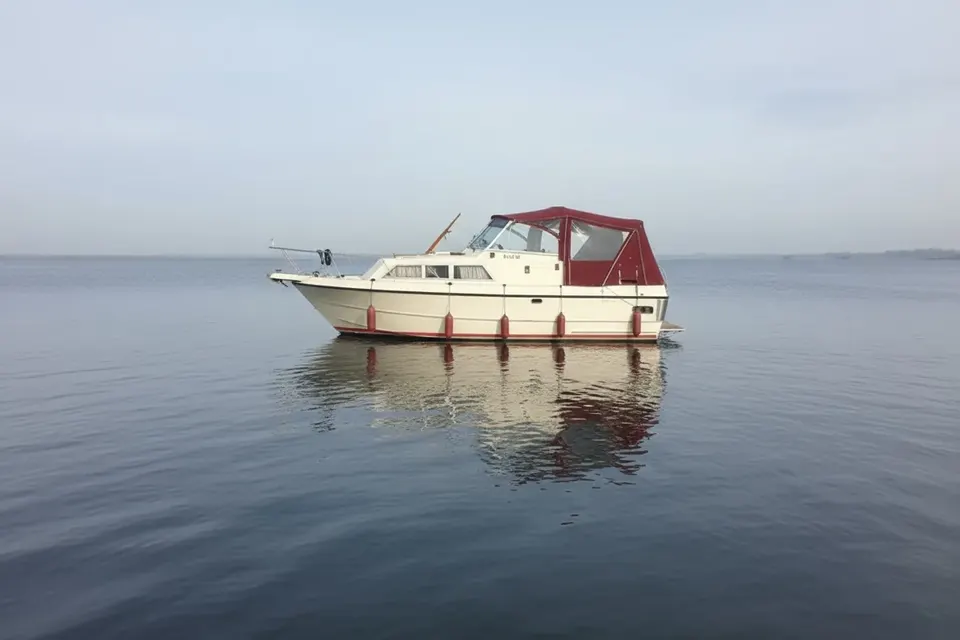
Boat Cover Services on the Regent's Canal
Find bespoke boat cover services for specific towns on the Regent's Canal: