Glasgow and the Monkland Canal
An industrial canal with a different status today
The Monkland Canal was built to bring coal from the Monklands area towards Glasgow. Scottish Canals describes it as 12¼ miles long, while Historic Environment Scotland records the original planned extent, including the Gartsherrie branch, as 19.6 kilometres. Those figures relate to the historic canal and its branches, not to a currently navigable cruising route across Glasgow.
For a boat owner, the essential distinction is between the surviving heritage corridor and an operational canal. The Monkland is not one of the Scottish Canals routes presently promoted as a through-navigation for leisure craft. Some sections have been infilled, altered or incorporated into the urban landscape; the historic line remains important, but it should not be treated as an available passage from Glasgow to Coatbridge or Bargeddie.
Glasgow’s western relationship with the route
The canal’s purpose was practical rather than picturesque. Eighteenth-century Glasgow entrepreneurs developed it to connect the city with coal-producing districts in Monklands, supporting the fuel demands of an industrialising city. Its story belongs with the growth of mining, ironworking and transport infrastructure around the Clyde and north-east Glasgow.
That context helps explain why today’s traces can be fragmented. Railways and roads changed the economics of canal carriage, and the canal’s operational life ended long ago. A historic alignment, bridge, basin or water-filled remnant may show where the route ran without providing a navigation channel. Owners researching a boat trip should therefore consult current Scottish Canals information and heritage records, not infer navigability from a map line.
No tidal passage through Glasgow
The Monkland Canal is not a tidal navigation. That does not make it available for casual cruising, and it should not be confused with the navigable Forth & Clyde Canal, which forms part of Scotland’s active canal network and reaches Glasgow through a different route. A boat licensed for the national network does not automatically acquire a right to use a historic Monkland remnant.
There is also no sensible claim that a private craft can follow the old line continuously to the eastern settlements. Treat Glasgow’s Monkland association as a heritage and urban-history subject unless Scottish Canals or the relevant land manager explicitly confirms a current water access arrangement. This is the safest interpretation for hull, crew and conservation interests.
What urban archaeology asks of boaters
The Monkland corridor crosses a landscape transformed by housing, roads, railways and industrial redevelopment. Surviving structures can be vulnerable, fenced, buried or separated from public access. Historic Environment Scotland’s designation material is useful for identifying the canal’s significance, but a designation is not a launch permission and a visible water surface is not proof of navigable depth.
If exploring by bicycle or on foot, remain on public routes and respect barriers. Do not attempt to drag a dinghy, moor against an unverified bank or clear vegetation from a historic channel. The best contribution a boat owner can make is to describe the route accurately: active navigation belongs to the managed Scottish canal network; Monkland traces are historic unless officially opened for a particular activity.
Glasgow weather and cover maintenance
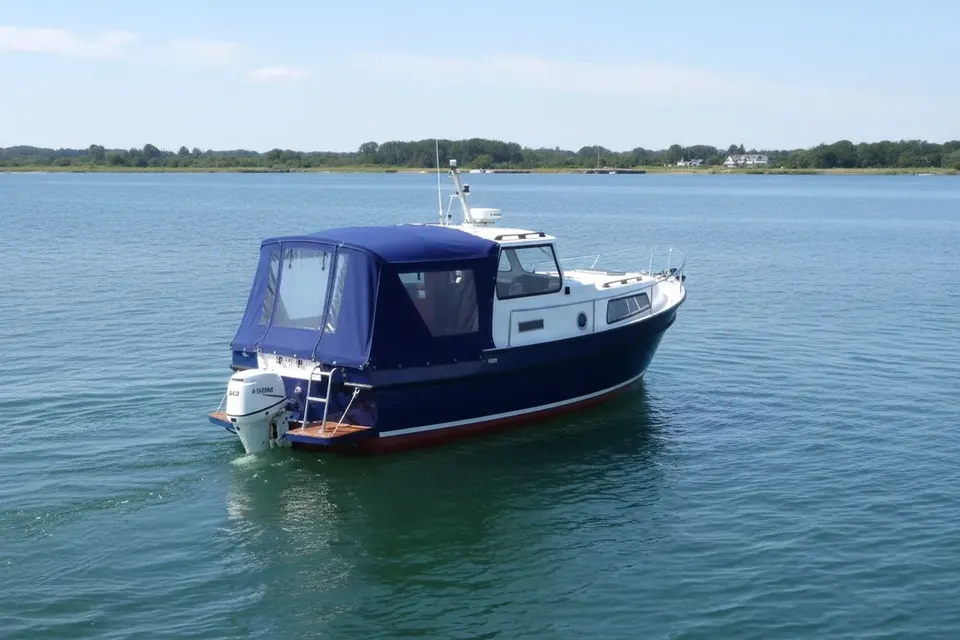
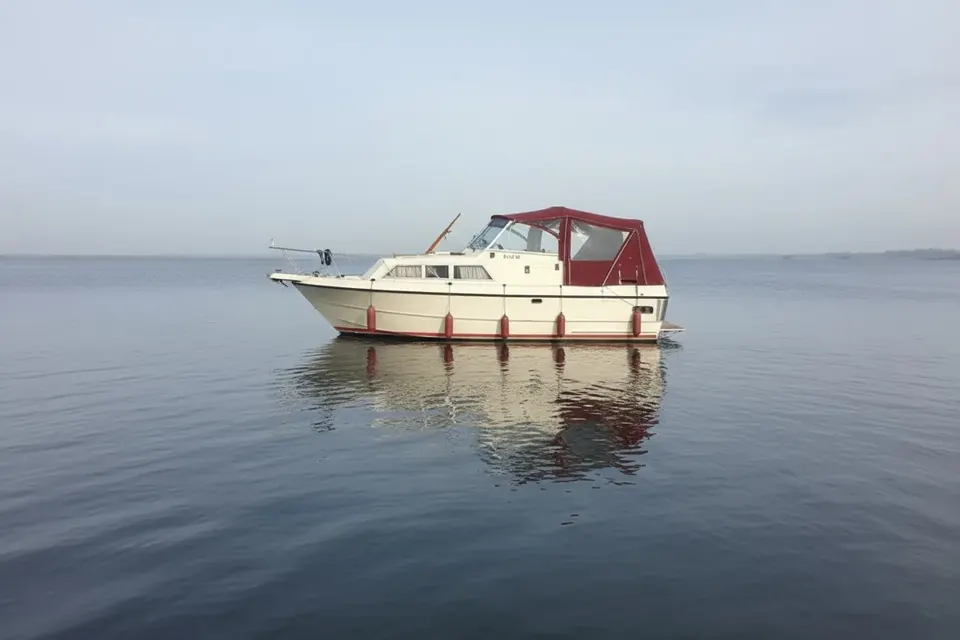
A craft kept in the Glasgow area faces persistent rain, wind and damp, with urban trees adding leaf debris and bird fouling. A cover should shed water without creating a large sail, and its seams and attachment points deserve regular inspection. Breathable material and ventilation reduce the chance of condensation in a closed cockpit, while UV resistance remains relevant during brighter summer periods.
Urban surroundings add abrasion risks. Railings, branches, masonry and improvised tie points can wear fabric faster than an open rural mooring. Keep the cover clear of sharp edges and do not rely on historic canal furniture as a safe fixing point. The practical advice in the boat-cover materials guide is more dependable than choosing fabric by appearance alone.
A cover for a boat that travels elsewhere
Because the Monkland is not a through-navigation, a Glasgow owner’s active cruising is likely to take place on another authorised waterway. A cover may therefore need to tolerate transport, repeated fitting and different bridge or lock conditions. Quick-release arrangements are useful, but they must not compromise security when the boat is unattended.
A bespoke cover can be designed around the actual cockpit, rails and folded frame. If the boat is elsewhere when the cover needs replacing, the postal copy service can reproduce an existing pattern, provided the owner identifies any alterations. For route-specific planning, consult the separate information for the Forth & Clyde Canal rather than presenting Monkland remnants as its continuation.
Glasgow’s heritage value remains real
Historic-only does not mean unimportant. The Monkland Canal records the point at which coal, engineering and entrepreneurial Glasgow were tied together by water. Its surviving archaeology helps explain why neighbouring settlements developed as they did and why the city’s transport landscape changed so dramatically. The canal’s story can be followed without turning heritage into a fictional boating itinerary.
Owners visiting the city should allow time for museums, public paths and documented heritage sites, then check the current status of any water feature before approaching with a craft. Scottish Canals’ own history and heritage material, together with Historic Environment Scotland records, should be treated as the authority for what survives and why it matters.
The responsible Glasgow conclusion
Glasgow is connected to the Monkland Canal by industrial history, not by a currently advertised through-cruise. There are no tidal constraints to calculate on the historic canal, but there are stronger constraints: fragmented water, altered land, conservation concerns and lack of confirmed navigation rights. That clarity protects boaters from planning an impossible journey and protects the canal’s remains from careless use.
Choose a cover for the boat’s actual authorised cruising water, inspect it for Glasgow’s wet urban conditions, and use professional cover advice when the fit or fixing plan has changed. The Monkland is best approached as a significant historic route whose surviving traces deserve precision rather than embellishment.