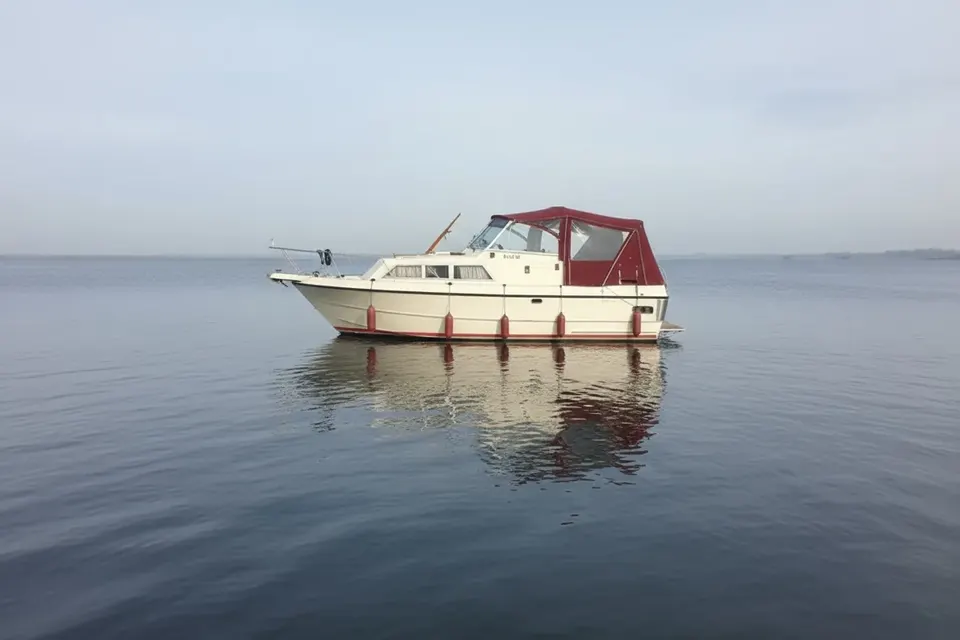
The picturesque market town of Skipton, nestled on the cusp of the Yorkshire Dales, isn't just famed for its historic castle and bustling high street; it's also a vibrant hub for inland waterway enthusiasts. The Leeds & Liverpool Canal, a monumental feat of engineering, weaves its way through the heart of this "Gateway to the Dales," offering a unique and cherished boating experience. For those who embrace the gentle pace of canal life in Skipton, ensuring the longevity and pristine condition of their vessel is paramount, and at the core of this preservation lies the humble yet essential boat cover.
This comprehensive guide delves into why boat covers are indispensable for canal boats in Skipton, covering everything from the local environment and waterway specifics to the various types of covers available, maintenance tips, and where to find the best solutions. Whether you're a seasoned boater or new to the tranquil allure of the Leeds & Liverpool, understanding the nuances of protecting your cherished craft in this beautiful part of the world is key.
1. Introduction to Skipton as a Boating Destination
Skipton, often celebrated as the "Gateway to the Yorkshire Dales," offers an unparalleled blend of historical charm, natural beauty, and vibrant community spirit, making it an idyllic destination for inland waterway enthusiasts. Its strategic location on the Leeds & Liverpool Canal places it firmly on the map for boaters seeking both tranquil cruising and convenient access to town amenities.
The moment you approach Skipton by canal, you're greeted by a stunning panorama. The waterway carves a path directly through the town, passing alongside the magnificent 900-year-old Skipton Castle, a medieval fortress that stands proudly, a testament to centuries of history. The juxtaposition of ancient stone walls against the serene canal waters creates a truly iconic scene, drawing visitors and boaters alike.
But Skipton is more than just a scenic backdrop; it’s a living, breathing market town. Its cobbled high street, famed for its four-days-a-week outdoor market, buzzes with activity, offering everything from local produce and artisanal crafts to traditional Yorkshire fare. Boaters can moor their vessels just a stone's throw from these amenities, enjoying the convenience of shops, pubs, restaurants, and essential services without straying far from their floating homes. This seamless integration of town life with canal life is one of Skipton’s most appealing features.
For those eager to explore beyond the town's immediate vicinity, Skipton serves as an excellent base. The surrounding Yorkshire Dales provide endless opportunities for walking, cycling, and immersing oneself in breathtaking landscapes. The canal itself offers a gentle pathway into this natural wonderland, with stunning vistas unfolding around every bend. From the pastoral scenes of grazing sheep in rolling fields to the dramatic escarpments of the Dales, the journey by boat from Skipton is a continuous feast for the senses.
The boating community in Skipton is close-knit and welcoming, reflecting the town's friendly atmosphere. Moorings, both visitor and long-term, are well-utilized, creating a sense of camaraderie among boat owners. Whether you're navigating the locks, sharing stories at a canal-side pub, or simply enjoying the peace and quiet of a Dales evening, Skipton offers a comprehensive and deeply satisfying inland boating experience. It’s a place where the charm of yesteryear meets the practicality of modern living, all centred around the enduring appeal of the Leeds & Liverpool Canal.
2. The Leeds & Liverpool Canal Waterway Details - Locks, Bridges, Navigation
The Leeds & Liverpool Canal, stretching for an impressive 127 miles, holds the distinction of being the longest single canal in Northern England. Its construction, a monumental feat of engineering from the late 18th and early 19th centuries, connected the industrial heartlands of Lancashire and Yorkshire, facilitating the transport of coal, textiles, and raw materials. Today, it serves as a tranquil thoroughfare for leisure craft, offering a unique perspective on the diverse landscapes it traverses. Skipton lies roughly halfway along this iconic waterway, making it a pivotal point for boaters exploring either direction.
Navigating the Leeds & Liverpool Canal around Skipton is an experience rich in variety, combining stretches of open countryside with the challenge of traditional lock flights and the charm of historic bridges.
Locks and Lock Flights
Immediately to the west of Skipton, heading towards Gargrave, boaters encounter a series of locks that gradually lift or lower vessels as the canal makes its way through the rolling Pennine landscape. The most notable lock sequence in the immediate vicinity is the Gargrave Lock Flight, a charming set of five locks that require careful navigation and offer a quintessential canal boating experience. Further west, beyond Gargrave, lies the Bank Newton Flight, a slightly more spread-out series of six locks. These locks, like many on the Leeds & Liverpool, are operated manually, often requiring two people to manage efficiently, particularly on windy days. Their broad, deep chambers are characteristic of the 'wide' nature of this canal, designed to accommodate broader barges than many of the narrow canals further south. This broader gauge means lock gates are heavier, but the overall experience is incredibly rewarding, providing ample opportunity to appreciate the surrounding dales and interact with fellow boaters and walkers.
Heading east from Skipton, towards Saltaire and eventually Leeds, the canal remains largely level for a significant stretch before encountering more dramatic lock systems further afield, such as the famous Bingley Five Rise Locks and Three Rise Locks. While not directly in Skipton, these monumental staircase locks highlight the engineering marvel of the canal and are key destinations for anyone cruising the entire waterway from Skipton. The Skipton section itself offers a more gentle introduction to lock navigation, perfect for building confidence.
Bridges and Navigation
The canal is punctuated by a variety of bridges, each with its own character. Many are traditional stone arch bridges, some dating back to the canal’s original construction, bearing the marks of centuries of use. These bridges require careful steering, especially for longer narrowboats, to ensure a smooth passage. The wide beam of the Leeds & Liverpool Canal means that while bridges can feel snug, they are generally manageable for standard narrowboats and widebeam craft.
In some sections, particularly where the canal crosses roads or railway lines, you'll encounter swing bridges. While fewer are actively manned now, some may still require manual operation, adding another element to the navigation experience. It's crucial for boaters to familiarise themselves with bridge numbers and any operating instructions, usually provided in canal guides and CRT notices.
Navigation along the Skipton stretch is generally straightforward. The canal maintains a relatively consistent depth suitable for inland vessels, though always be mindful of seasonal variations and potential debris, especially after heavy rainfall. The pace of travel is inherently slow, designed for relaxation and appreciation of the scenery. The canal often winds through open farmland, offering uninterrupted views of the Dales, punctuated by quaint villages and occasional waterside pubs. Awareness of other boat traffic, particularly during peak seasons, and adherence to waterway etiquette are key to a pleasant journey. The Leeds & Liverpool Canal around Skipton truly encapsulates the joy of inland boating, blending historical resonance with stunning natural beauty.
3. Local Marinas and Moorings Near Skipton
For boat owners navigating the Leeds & Liverpool Canal, secure and well-equipped moorings are a fundamental necessity. Around Skipton, a selection of marinas and mooring facilities cater to the diverse needs of boaters, whether they're seeking a long-term home for their vessel or a temporary stopover during a cruise. These facilities not only provide a safe haven but also often serve as community hubs, offering essential services and fostering connections among the boating fraternity.
Skipton Waterside Moorings
Within Skipton itself, the Skipton Waterside area offers a mix of official Canal & River Trust (CRT) visitor moorings and some residential moorings. The visitor moorings are highly sought after due to their unparalleled convenience, positioning boats directly in the heart of the town. From here, it's just a short walk to Skipton's bustling high street, its historic castle, and a wide array of shops, pubs, and restaurants. These moorings are typically well-maintained, providing easy access to water points and rubbish disposal facilities, which are crucial for cruising boaters. For those seeking a longer-term solution, a limited number of private residential moorings may also be available, offering the ultimate in town-centre canal living. The benefit of these moorings is the constant activity, making them feel secure, while also providing a fantastic base from which to explore everything Skipton has to offer by foot.
Snaygill Boats
Just a short distance east of Skipton, along the canal, lies Snaygill Boats. This established marina is a comprehensive facility catering specifically to narrowboat and inland cruiser owners. Snaygill offers a significant number of secure, permanent moorings, often featuring pontoon berths with access to electricity hook-ups and water. Beyond moorings, Snaygill Boats is well-regarded for its array of services, which can be invaluable to local boat owners. These include a brokerage service for those looking to buy or sell a boat, a well-equipped workshop for maintenance and repairs, and often a chandlery stocked with essential boating supplies. The presence of pump-out facilities, elsan disposal, and fuel means that many routine boating needs can be met on-site. Snaygill fosters a strong community atmosphere, making it a popular choice for long-term residents and local boaters who appreciate the convenience and expertise on offer.
Gargrave Marina
A few miles west of Skipton, near the village of Gargrave and its famous lock flight, Gargrave Marina provides another excellent option for moorings. This marina typically offers secure, permanent berths in a more rural and tranquil setting than the town-centre moorings. While a short distance from Skipton, Gargrave village itself has amenities such as pubs and a village shop, and the marina often provides its own facilities like water, electricity, and pump-out stations. Gargrave Marina is often chosen by boaters who prefer a quieter environment, yet still want relatively easy access to the services of a larger town like Skipton. It's an ideal base for exploring the more rural stretches of the Leeds & Liverpool Canal and the southern fringes of the Yorkshire Dales.
Other Local Moorings
Beyond these primary marinas, various smaller, private moorings and official Canal & River Trust long-term moorings can be found along the canal in the Skipton area. These can range from simple bankside berths to more developed private facilities. Securing a long-term mooring can sometimes involve a waiting list, especially in popular areas like Skipton, highlighting the desirability of this boating location. Regardless of the specific mooring, the local options provide boat owners in Skipton with diverse choices, ensuring their vessels are safely and conveniently berthed, ready for their next canal adventure.
4. Why Boat Owners in Skipton Need Quality Covers
For boat owners on the Leeds & Liverpool Canal in Skipton, investing in quality boat covers isn't merely a luxury; it's a fundamental necessity for protecting their valuable asset and ensuring a more enjoyable boating experience. The unique challenges posed by the UK's climate, coupled with the specific environment of inland waterways, underscore the importance of robust and well-fitted covers.
Protection from the Elements
The UK weather, particularly in an elevated region like Skipton bordering the Pennines, is notoriously unpredictable and often harsh. Rain is a constant companion, and a quality cover provides an impenetrable barrier, preventing water ingress that can lead to damp, mildew, and costly interior damage. But it's not just rain; the sun, even on cloudy days, emits harmful UV radiation. Prolonged exposure can fade paintwork, crack gel coats, degrade ropes, and weaken fabrics on your boat's exterior, significantly shortening its lifespan. A good cover acts as a shield against this insidious damage.
Winter brings its own set of challenges, from frost and ice that can damage exposed surfaces and fittings, to snow accumulation that can put undue stress on a boat’s structure if not adequately covered. Strong winds, common in more open mooring spots around Skipton, can whip up dust, debris, and create wind-driven rain, all of which a sturdy cover can mitigate.
Defence Against Organic Matter and Wildlife
Canal environments, by their very nature, are surrounded by abundant flora and fauna. Leaves, tree sap, pollen, and berries frequently fall onto boats, especially those moored under overhanging trees or near canal banks. These organic deposits are not just unsightly; they can stain paintwork, degrade surfaces, and, if left unchecked, provide a breeding ground for mould and mildew. Bird droppings, another common menace, are highly corrosive and can cause permanent damage to a boat’s finish if not promptly removed. A well-fitting boat cover intercepts these environmental assaults, keeping your boat's deck and exterior surfaces clean and protected. It also acts as a deterrent for small creatures, preventing them from nesting or causing damage to exposed areas.
Reduced Maintenance and Enhanced Longevity
The primary benefit of a quality boat cover is the significant reduction in maintenance effort and the extension of your boat's overall lifespan. By keeping the boat's exterior clean and dry, you drastically cut down on cleaning time and the need for frequent washing and waxing. More importantly, preventing water ingress stops the growth of mould and mildew in the cabin, which can be incredibly difficult and expensive to eradicate, besides posing health risks. By shielding your boat from UV, moisture, and debris, a cover protects its structural integrity, preserves the condition of its paintwork, upholstery, and wooden elements, thus maintaining its aesthetic appeal and resale value for years to come.
Security and Peace of Mind
While a boat cover isn't a substitute for robust security measures, it does offer a degree of protection. A fully covered boat is less appealing to casual opportunists, as the contents are hidden from view, making it harder to quickly identify valuable items. It also makes unauthorized access more cumbersome, acting as a minor deterrent. For boat owners, knowing their vessel is securely covered provides invaluable peace of mind, allowing them to fully enjoy their time off the water without constant worry about its condition. In the varied climate and scenic, yet sometimes exposed, locations around Skipton, a quality boat cover is an indispensable guardian for any inland vessel.
5. Types of Boat Covers Suitable for Leeds & Liverpool Canal Boats
The diverse range of inland waterway boats, from the iconic narrowboat to the various cruiser styles, necessitates a variety of boat covers, each designed to address specific protection needs and boat configurations. For vessels navigating the Leeds & Liverpool Canal in Skipton, choosing the right type and material of cover is crucial for optimal protection against the elements and environmental factors.
Cratch Covers
The cratch cover is a distinctive and highly functional cover specifically designed for narrowboats. It covers the 'cratch' area at the bow (front) of the boat, a recessed well that often serves as an outdoor seating or storage space. Cratch covers typically feature clear PVC windows at the front and sides, providing excellent visibility while cruising, even in inclement weather. They are usually designed with zips for easy access to the bow area and often incorporate ventilation points to prevent condensation. A well-fitted cratch cover extends the usable living space of a narrowboat, offering shelter from rain, wind, and sun, and providing a secure storage area for fenders, ropes, and other equipment. For many narrowboat owners, it’s an essential addition, enhancing comfort and practicality.
Pram Hoods (or Stern Canopies)
Another staple for narrowboats and some larger cruisers is the pram hood, often referred to as a stern canopy. This cover is fitted over the stern (rear) deck, providing shelter over the steering position and often extending forward over the cabin entrance. Mimicking the folding mechanism of a baby's pram hood, these covers typically feature a collapsible frame, allowing them to be easily raised or lowered. Pram hoods often incorporate clear windows and zipped roll-up sections, offering flexibility for ventilation and access. They are invaluable for protecting the helmsman and crew from the elements during cruising, as well as providing a private, sheltered outdoor space when moored. For cruisers, a similar concept might be a full cockpit canopy, enclosing the entire helm and seating area.
Overall Winter Covers
For boats that are moored for extended periods, particularly over the colder months in Skipton, an overall winter cover (or lay-up cover) provides the most comprehensive protection. These covers are designed to fully encapsulate the entire boat, from bow to stern and often down to the waterline. Their primary purpose is to shield the vessel from heavy snow loads, ice, severe frost, torrential rain, and prolonged UV exposure during winter storage. Winter covers are typically made from heavy-duty, waterproof materials and are secured with numerous tie-downs to withstand strong winds. They are often custom-made to ensure a precise fit, accommodating any unique boat features and providing adequate ventilation to prevent mildew formation while ensuring maximum protection. This type of cover is a significant investment but offers unparalleled peace of mind for off-season storage.
Cockpit/Tonneau Covers (for Cruisers and Day Boats)
For smaller day boats and GRP cruisers commonly found on the Leeds & Liverpool Canal, cockpit covers or tonneau covers are popular choices. A cockpit cover specifically encloses the open cockpit area, protecting seating, helm controls, and any instruments from weather and debris. Tonneau covers are similar but often designed for smaller, open boats, covering the entire open deck area from bow to stern or just the main seating area. These covers are usually lightweight, easy to fit and remove, and provide essential protection against rain, sun, and dirt when the boat is not in use. They help keep the interior dry and clean, reducing the need for frequent cleaning.
Materials and Features
The choice of material is critical for any boat cover. Acrylic canvas (such as Sunbrella or similar brands) is highly regarded for its excellent UV resistance, breathability (reducing condensation), and long-lasting colourfastness. It is often treated to be highly water-repellent. PVC-coated polyester is another common and robust option, known for its superior waterproofing and durability, though it can be less breathable than acrylic canvas. For less exposed applications or temporary covers, a ripstop nylon or lighter coated polyester might be used.
Key features to look for across all cover types include:
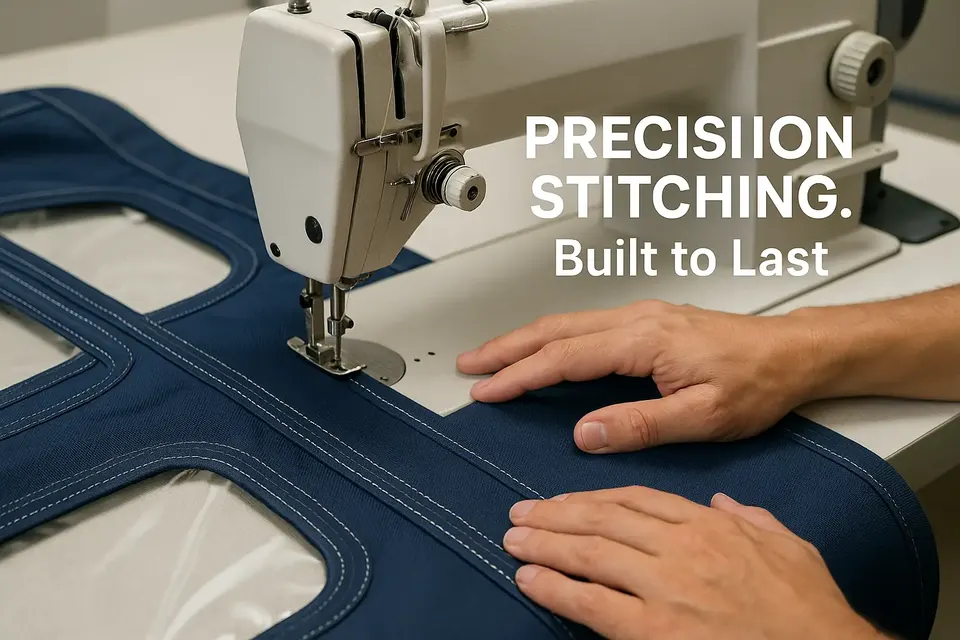
- Reinforced stitching and heavy-duty zips.
- UV-resistant threads to prevent degradation from sunlight.
- Clear PVC windows (where applicable) that are UV-stable to resist yellowing.
- Ventilation options to allow airflow and prevent mildew.
- Robust tie-down points and elasticated hems for a snug, secure fit.
Ultimately, for Skipton's climate and the specific demands of canal boating, bespoke or custom-fitted covers often offer the best protection and longevity, ensuring every curve and contour of the boat is adequately shielded.
6. Weather and Climate Considerations for Skipton Area
The weather in Skipton, located on the fringes of the Yorkshire Dales and within relatively close proximity to the Pennine hills, is a significant factor for any boat owner. Unlike coastal areas, inland waterways present their own unique climatic challenges, and Skipton's specific geographical position amplifies many of these. Understanding these conditions is paramount when selecting and maintaining boat covers.
Higher Rainfall and Humidity
Skipton, like much of Northern England, experiences a higher average annual rainfall compared to more eastern or southern parts of the UK. This means that boats moored on the Leeds & Liverpool Canal are subjected to frequent and often prolonged periods of rain. A high-quality boat cover must therefore offer exceptional waterproofing to prevent water ingress, which can lead to severe damp, mould, and mildew inside the cabin – a constant battle for canal boaters. Persistent humidity, especially during warmer, rainy spells, also contributes to the risk of fungal growth beneath covers, underscoring the need for breathable materials or adequate ventilation in any chosen cover.
Exposed Moorings and Strong Winds
While some canal moorings in Skipton might be sheltered by trees or buildings, many sections of the Leeds & Liverpool Canal, particularly outside the immediate town centre and in more rural areas like near Snaygill or Gargrave, are relatively exposed. This exposure means boats are frequently subjected to strong winds, which can sweep down from the Pennines. High winds put immense stress on boat covers, testing the strength of stitching, fastenings, and the material itself. A poorly fitted or flimsy cover can easily tear or blow off in gusty conditions, rendering it useless. Wind-driven rain also poses an additional challenge, as water can be forced into even small gaps, highlighting the need for a snug and secure fit.
Temperature Extremes and Frost
Skipton experiences a full range of four distinct seasons, each with its own temperature profile. Winters can be cold, with frequent frosts and occasional snow. Freezing temperatures can cause damage to exposed plastics, rubber seals, and some fabrics if not adequately protected. Ice formation on decks and covers can be problematic, and a robust cover helps to insulate and protect surfaces. While summers can be pleasant, heatwaves are less common than in southern England. Nevertheless, even moderate summer sun combined with UV radiation requires covers with good UV resistance to prevent material degradation and colour fading. The transition periods of spring and autumn are often the most unpredictable, with rapid shifts between mild and cold, wet and dry conditions.
UV Radiation, Even on Cloudy Days
A common misconception is that UV damage only occurs on bright, sunny days. In reality, significant UV radiation can penetrate cloud cover, meaning that boat covers are almost constantly exposed to its damaging effects. UV rays are a silent killer for fabrics, causing them to break down, lose their strength, fade, and become brittle over time. Therefore, choosing a cover made from UV-stabilised materials, such as marine-grade acrylic canvas, is essential for longevity in the Skipton climate, ensuring the cover itself doesn't prematurely degrade while protecting your boat.
In summary, the climate around Skipton demands boat covers that are exceptionally durable, highly waterproof, securely fitted to withstand strong winds, and resistant to UV degradation. Consideration for breathability and ventilation is also key to combat the prevalent damp and humidity, making a well-chosen and maintained cover an indispensable part of boat ownership on the Leeds & Liverpool Canal.
7. Local Landmarks and Attractions Accessible by Boat
One of the great joys of owning a boat on the Leeds & Liverpool Canal in Skipton is the unique access it provides to a wealth of local landmarks and attractions. The canal doesn't just run through the landscape; it often serves as a direct pathway to some of the region's most cherished spots, blending the pleasure of boating with the exploration of Yorkshire's rich heritage and natural beauty.
Skipton Castle and High Street
Undoubtedly the most iconic landmark visible from the canal in Skipton is the magnificent Skipton Castle. Dating back over 900 years, this incredibly well-preserved medieval fortress stands majestically overlooking the town and a section of the canal. Boaters can moor up at the convenient waterside moorings and take a short stroll directly into the castle grounds, stepping back in time to explore its dungeons, banqueting hall, and beautiful grounds. From the castle, it's an equally brief walk to Skipton's bustling High Street and its famous market. On market days (Monday, Wednesday, Friday, and Saturday), the street transforms into a vibrant hub of stalls selling everything from local produce and artisanal goods to clothing and household items. The convenience of stepping off your boat and immersing yourself in a historic market town atmosphere is a significant draw for many.
Embsay & Bolton Abbey Steam Railway
For a delightful excursion steeped in nostalgia, the Embsay & Bolton Abbey Steam Railway is easily accessible from Skipton. While not directly on the canal, it's just a short trip from the town centre, making it a perfect day out for boaters. You can catch a heritage steam train for a scenic ride through the Dales countryside to Bolton Abbey, a stunning 12th-century Augustinian monastery ruin set in picturesque woodlands. The journey itself is part of the experience, offering spectacular views and a charming step back in time.
Cruising to Gargrave and Beyond
Heading west from Skipton by boat, the canal meanders through increasingly rural landscapes, leading to the charming village of Gargrave. This idyllic Dales village is worth a stop, offering pleasant canal-side pubs (such as The Old Swan) and a tranquil atmosphere. The journey to Gargrave itself is punctuated by the aforementioned Gargrave Lock Flight, a gentle introduction to lock navigation amidst stunning pastoral views. Continuing further west, the canal takes you through the beautiful and more remote stretches around Bank Newton, another series of locks set in unspoiled countryside, offering wonderful opportunities for peaceful cruising and wildlife spotting. These areas epitomise the serene beauty of the Yorkshire Dales accessible directly from your boat.
Journey East to Saltaire and Bingley
For those embarking on a longer cruise from Skipton, the eastern stretch of the Leeds & Liverpool Canal offers equally compelling attractions. A significant destination is Saltaire UNESCO World Heritage Site, located further down the canal towards Bradford. This impeccably preserved Victorian model village, built by industrialist Sir Titus Salt, features grand architecture, including Salts Mill (now home to art galleries, shops, and restaurants) and the beautiful Roberts Park. It's a fascinating insight into industrial heritage and social planning, directly accessible by boat.
Further east still lies the engineering marvel of the Bingley Five Rise Locks. This awe-inspiring staircase of five locks, followed shortly by the Bingley Three Rise, is one of the most famous and challenging lock flights on the entire canal system. While navigating them requires effort and teamwork, the sense of achievement and the sheer scale of the engineering are unforgettable. These destinations, though a full day's cruise or more from Skipton, highlight the extended possibilities and the rich tapestry of experiences available to boaters on the Leeds & Liverpool Canal, with Skipton acting as a perfect starting or stopping point.
8. Maintenance Tips for Boat Covers in the Skipton Area
Boat covers, while designed for durability, require regular care and maintenance to perform effectively and extend their lifespan, especially in the often-damp and varied climate of Skipton. Neglecting your cover can lead to premature degradation, loss of waterproofing, and ultimately, compromise the protection of your boat.
Regular Cleaning is Key
The most crucial aspect of cover maintenance is regular cleaning. The canal environment around Skipton means covers are constantly exposed to bird droppings, tree sap, pollen, leaves, and general atmospheric grime.
- Prompt Removal: Immediately wipe off bird droppings and tree sap as soon as possible. These are acidic and can quickly stain and degrade the fabric.
- Brush Off Debris: Regularly brush off loose leaves, dirt, and dust. A soft brush or a gentle sweep with a broom will prevent debris from becoming embedded in the fabric.
- General Wash: At least once or twice a year, or more frequently if your boat is under trees, give the cover a thorough wash.
- Remove the cover if possible and lay it flat on a clean surface.
- Use lukewarm water and a mild soap specifically designed for marine fabrics (avoid harsh detergents, bleach, or solvents, which can strip waterproofing and degrade the material).
- Scrub gently with a soft brush or sponge. Pay attention to areas with mould or stubborn stains.
- Rinse thoroughly with plenty of clean water, ensuring no soap residue remains.
Addressing Mould and Mildew
Mould and mildew are common issues in damp climates like Skipton.
- Prevention: Ensure adequate ventilation under your cover. If your cover doesn't have vents, consider adding prop-ups or supports to create air circulation, especially when the boat is moored for extended periods. This is vital to prevent condensation build-up.
- Treatment: For existing mould, use a specialist marine mould and mildew cleaner. Always test on an inconspicuous area first. Follow product instructions carefully, as some require specific contact times or rinsing procedures. Again, avoid harsh chemicals that can damage the fabric.
Reproofing for Waterproofing
Most canvas covers (especially acrylic canvas) rely on a durable water-repellent (DWR) finish. Over time, and particularly after cleaning, this finish can degrade, causing the fabric to "wet out" rather than bead water.
- When to Reproof: If you notice water no longer beads on your cover but soaks into the fabric, it's time to reproof.
- How to Reproof: After a thorough cleaning and ensuring the cover is completely dry, apply a marine-grade fabric waterproofing treatment. These are typically spray-on or brush-on products. Ensure even coverage and follow the manufacturer's instructions for drying and curing. Reproofing is essential to maintain your cover's protective qualities against Skipton's frequent rainfall.
Inspect and Repair Promptly
Regularly inspect your cover for any signs of damage:
- Tears and Abrasions: Small tears or chafing can quickly worsen. Patch them promptly with appropriate repair kits or take them to a specialist.
- Stitching: Check seams and reinforced areas for frayed or broken stitching, especially UV-degraded thread. Early repair prevents entire panels from coming loose.
- Zips and Fasteners: Ensure zips run smoothly and fasteners (press studs, buckles) are secure and not corroded. Lubricate zips with a marine-grade lubricant if they become stiff.
- Frame/Supports: If your cover uses a frame (like a pram hood), check for bent poles or loose fittings.
Proper Storage (if removed)
If you remove your cover for the season or for extended periods:
- Clean and Dry: Always clean the cover thoroughly and ensure it is bone dry before folding. Storing a damp cover is an open invitation for mould and mildew.
- Fold Neatly: Fold it carefully to avoid sharp creases that can cause stress points and damage the fabric over time.
- Storage Location: Store in a cool, dry, well-ventilated area, away from direct sunlight and pests.
By following these maintenance tips, your boat cover will continue to provide reliable protection against the unique climatic and environmental conditions of the Skipton area, safeguarding your vessel for many years of enjoyment on the Leeds & Liverpool Canal.
9. Pricing Guide for Boat Covers
The cost of a boat cover for an inland waterway vessel on the Leeds & Liverpool Canal in Skipton can vary significantly, reflecting a range of factors from the type of cover and the materials used to the complexity of the boat's design and the features incorporated. While providing exact figures is difficult due to market fluctuations, understanding these influencing factors and typical price ranges can help boat owners budget effectively.
Factors Influencing Cost:
Type of Cover:
- Cratch Covers (Narrowboats): Generally less expensive than full stern covers, as they cover a smaller, more straightforward area.
- Pram Hoods / Stern Canopies (Narrowboats & Cruisers): These are more complex due to their frame structure, multiple panels, windows, and zips, making them a higher investment.
- Cockpit/Tonneau Covers (Cruisers/Day Boats): Simpler designs without frames tend to be more affordable, while those with windows or complex shaping will increase the cost.
- Overall Winter Covers: These are the most extensive and therefore the most costly, as they cover the entire vessel and require more material and fitting time.
Material Choice:
- Standard PVC-coated Polyester: A robust and waterproof option, often more budget-friendly.
- Premium Acrylic Canvas (e.g., Sunbrella, Sauleda): These marine-grade fabrics offer superior UV resistance, breathability, and colourfastness, leading to a higher price point but also longer lifespan and better performance.
- Heavy-Duty vs. Lighter Weight: Thicker, heavier materials designed for extreme conditions will naturally cost more.
Custom Fit vs. Off-the-Shelf:
- Custom-made/Bespoke: This is almost always the best option for canal boats, especially narrowboats, due to their unique shapes and desired features. A custom cover is precisely measured and tailored to your specific boat, ensuring a perfect, snug fit, optimal protection, and integration of features like specific window placements or access zips. This precision comes at a higher cost.
- Semi-Custom/Standard Sizes: While available for some common cruiser models, these rarely offer the perfect fit needed for maximum protection and aesthetics on unique canal boats. They might be cheaper upfront but can lead to issues with pooling water or wind damage.
Boat Size and Complexity:
- Length and Beam: Larger boats require more material and more complex patterning, thus increasing the cost.
- Unique Features: Features like unusual deck layouts, multiple windows, additional zips, vents, insect screens, or complex frame requirements will all add to the price.
Installation and Features:
- Fitting Service: Most bespoke cover manufacturers offer a professional fitting service, which is often included in the overall quote.
- Additional Components: New frame systems (for pram hoods), extra fastening points, or specialist hardware will impact the final price.
Indicative Price Ranges (General Guide):
- Cratch Covers (Narrowboat Bow): Expect to pay in the region of quote required. This range accounts for material choice, window configuration, and whether a new frame is needed.
- Pram Hoods / Stern Canopies (Narrowboat Stern): Due to their complexity and frame requirements, these often require individual quotes. Premium materials and intricate designs will push towards the higher end.
- Cockpit/Tonneau Covers (Small Cruisers/Day Boats): For simpler designs, these could require individual quotes. More elaborate cruiser canopies with full enclosure and multiple clear panels might be quote required.
- UK Boat Covers makes covers for specific areas, including cockpit and tonneau covers, cratch covers and replacement canopy canvas. We do not make whole-boat or winter-storage covers, or supply or install supporting framework. Tell us which area needs covering before requesting a quote.
Value for Money:
It's crucial to view a boat cover as an investment rather than an expense. A high-quality, custom-fitted cover made from durable materials will last significantly longer, provide superior protection, and ultimately save money on boat maintenance and potential repairs in the long run. Cheap, ill-fitting covers often fail prematurely, requiring early replacement and potentially causing damage to the boat they were meant to protect. When considering options in Skipton, prioritize quality, a tailored fit, and materials suitable for the rigorous demands of the local canal environment.
10. Why Choose UK Boat Covers
When it comes to protecting your cherished inland waterway vessel on the Leeds & Liverpool Canal in Skipton, the choice of your boat cover provider is as critical as the cover itself. This is where a specialist like UK Boat Covers truly stands out, offering a blend of expertise, quality, and local understanding that generic providers simply cannot match.
Unrivalled Expertise in Inland Waterways
UK Boat Covers possesses a deep and specific understanding of the unique requirements of inland waterway boats, such as narrowboats and smaller cruisers. We don't just make boat covers; we understand the nuances of canal life – the specific dimensions, the typical wear points, and the unique challenges presented by cratch areas, stern decks, and engine covers. Our designs are not adapted from sea-going vessels; they are purpose-built for the practicalities and aesthetics of canal boats. This specialized knowledge ensures that every cover we produce is not just a protective layer, but a functional, integral part of your boat that enhances your boating experience.
Bespoke Fitting for Skipton's Specific Conditions
The varying dimensions and bespoke alterations common to canal boats mean that an off-the-shelf cover rarely offers the optimal fit. At UK Boat Covers, we champion the bespoke approach. Our service begins with precise measurements taken directly from your boat, whether it’s moored at Skipton Waterside, Snaygill, or Gargrave. This meticulous attention to detail ensures a perfect, snug fit that eliminates flapping in Skipton's often windy conditions, prevents water pooling during heavy rainfall, and allows for seamless integration of access points and windows. A tailored cover not only looks superior but provides unparalleled protection, extending the life of both the cover and your boat.
Premium Quality Materials for UK Weather
Understanding the rigours of the UK climate, particularly in a location like Skipton that experiences significant rainfall, strong winds, and fluctuating temperatures, UK Boat Covers is committed to using only the highest quality marine-grade materials. We source robust, UV-resistant acrylic canvases and durable PVC-coated polyesters that are proven to withstand continuous exposure to the elements without degrading prematurely. Our materials are selected not just for their waterproofing, but also for their breathability, minimising the risk of condensation and mildew beneath the cover – a critical consideration in damp canal environments. This commitment to quality ensures your cover will perform reliably season after season, offering maximum protection for your investment.
Local Knowledge and Personalised Service
Our team understands the specific environmental factors at play in the Skipton area. From the prevalent bird life to the impact of surrounding trees and the potential for exposed moorings, we factor these local conditions into our recommendations and designs. This local insight, combined with our commitment to personalised customer service, means you receive tailored advice and a product that truly meets your individual needs. From the initial consultation and measurement to the final installation and aftercare, you'll experience a professional, friendly, and efficient service dedicated to your satisfaction.
Investment in Protection and Longevity
Choosing UK Boat Covers is an investment in the long-term protection and enjoyment of your boat. Our covers are meticulously crafted to:
- Extend your boat’s lifespan: By shielding it from UV, rain, frost, and debris.
- Reduce maintenance: Keeping your boat cleaner and drier, minimising cleaning efforts and preventing costly interior damage.
- Enhance aesthetics: A perfectly fitted, high-quality cover elevates your boat’s appearance.
- Provide peace of mind: Knowing your vessel is safeguarded against the elements and environmental challenges specific to the Leeds & Liverpool Canal in Skipton.
By entrusting your boat cover needs to UK Boat Covers, you’re choosing a partner dedicated to delivering superior protection, durability, and craftsmanship, ensuring your canal adventures from Skipton remain delightful for many years to come.