The Leeds & Liverpool Canal stands as a monumental testament to Britain's industrial past, a truly iconic waterway that spans the width of the country, connecting the bustling port of Liverpool on the Irish Sea with the thriving industrial heartland of Leeds in Yorkshire. At 127 miles long, it is the longest canal in northern England, a magnificent feat of engineering that played a pivotal role in the Industrial Revolution, facilitating the transport of coal, limestone, textiles, and manufactured goods across the Pennines. Today, it remains a vibrant artery for leisure boating, offering an unparalleled journey through diverse landscapes, from the gritty urban fringes of its namesake cities to the serene, rolling countryside of Lancashire and the dramatic, windswept uplands of Yorkshire. Its character is one of grand scale and enduring history, a living museum where every bridge, lock, and wharf tells a story of human endeavour and the transformation of a nation. Cruising this canal is not merely a journey from A to B; it is an immersion into the rich tapestry of Northern England's heritage, a passage through time where modern boats glide past historic mill towns and ancient villages, all under the watchful gaze of the ever-present Pennines.
Navigating the Leeds & Liverpool Canal presents its own unique set of conditions and challenges that boaters should be well-prepared for. With a staggering 91 locks punctuating its length, this canal demands active participation from its crew. These locks are predominantly broad locks, designed to accommodate two narrowboats side-by-side or a single broader craft, and are almost entirely hand-operated. Notable flights include the awe-inspiring Bingley Five Rise and Bingley Three Rise, which are among the most famous staircase locks in the UK, requiring careful coordination and patience. Further west, the Wigan Flight, a series of 21 locks, marks another significant ascent/descent. Boaters should anticipate that traversing these locks can be physically demanding and time-consuming, often requiring more than one person to operate efficiently. Bridges are numerous along the canal, ranging from ancient stone arches to modern crossings. Most offer ample headroom for standard narrowboats, but some older or lower bridges, particularly those on rural sections, may require a degree of caution, especially for boats with higher canopies or aerials. Unlike some of Britain's coastal canals or river navigations, the Leeds & Liverpool Canal is entirely a still-water navigation, meaning there are no tidal sections to contend with, simplifying planning for many boaters. While currents are generally negligible, heavy rainfall can occasionally lead to increased flow over weirs and spillways, particularly in the Pennine sections, which may affect mooring or manoeuvring near these structures. Seasonal water levels are usually well-maintained by the Canal & River Trust (CRT), but like all canals, the Leeds & Liverpool can be subject to water restrictions during prolonged droughts, or occasional closures due to leaks, maintenance, or extreme weather events. It is always wise to check CRT notices before and during your journey to stay informed of any potential disruptions.
The varied geography of the Leeds & Liverpool Canal means that boaters will encounter a range of weather and seasonal challenges, making robust boat protection paramount. The exposed sections, particularly across the Pennine uplands, are renowned for their unpredictable and often harsh weather. UV exposure, even on cloudy days, can be surprisingly high at these elevations, posing a significant threat to your boat's exterior, decking, and internal fabrics if not adequately protected by a quality cover. Prolonged sun exposure can cause fading, cracking, and degradation of materials, from gel coat to ropes and fenders. Wind is another considerable factor on the elevated stretches; strong gusts can make mooring challenging, place strain on mooring ropes, and batter covers, leading to premature wear if they are not correctly fitted or made from resilient materials. During the colder months, the canal is susceptible to freezing, and ice can form rapidly, particularly in shaded or slow-moving sections. This necessitates careful winterisation plans for boats and the use of heavy-duty, protective covers to shield against frost, snow, and persistent dampness. Rainfall is a frequent companion, especially in the Pennine regions, which contributes to overall dampness and the potential for mould and mildew if covers are not breathable. For boats moored year-round or those embarking on extended cruises, understanding these environmental factors is crucial for maintaining the longevity and pristine condition of your vessel.
Given these unique environmental challenges, selecting the appropriate boat cover material for the Leeds & Liverpool Canal is critical. At ukboatcovers.com, we understand that a bespoke cover is not just an accessory, but a vital piece of protective equipment. When considering materials like PVC versus Acrylic, each offers distinct advantages for this particular waterway. PVC, or Polyvinyl Chloride, is an excellent choice for its exceptional waterproof qualities and robust durability. It's often a more budget-friendly option and provides a formidable barrier against the frequent rain, snow, and strong winds encountered on the Leeds & Liverpool Canal. It’s particularly effective for winter lay-up covers where absolute water ingress prevention is the priority. However, PVC can be less breathable, potentially leading to condensation and mould build-up underneath if ventilation is inadequate, especially when boats are stored for extended periods.
Acrylic canvas, on the other hand, offers a premium solution, renowned for its superior UV resistance and breathability. Fabrics like Sunbrella or Sauleda are made from solution-dyed acrylic fibres, meaning the colour is locked into the fibre itself, providing excellent colourfastness and preventing fading even under the intense Pennine sun. This is a significant advantage given the higher UV exposure. The inherent breathability of acrylic allows air to circulate, significantly reducing condensation and the risk of mould and mildew, which is a common concern in the damp climate of Northern England. While typically a higher initial investment than PVC, acrylic covers often boast a longer lifespan and maintain their aesthetic appeal for much longer. For the Leeds & Liverpool Canal, a high-quality acrylic cover strikes an excellent balance between robust protection from the elements, exceptional UV resistance, and crucial breathability, making it ideal for both cruising and year-round mooring. We offer a wide range of fabric options, each chosen for its proven performance in demanding marine environments.
Regardless of the material chosen, prioritising UV protection is paramount. Constant exposure to sunlight, even indirect, can degrade gel coat, fade interiors, and weaken synthetic materials. Our bespoke covers are designed to offer maximum UV protection, shielding your investment from the harsh effects of solar radiation. Breathability is also a non-negotiable feature. A cover that traps moisture underneath creates a perfect breeding ground for mould and mildew, leading to unpleasant odours, fabric degradation, and potential health issues. Our designs incorporate thoughtful ventilation solutions, ensuring adequate airflow while maintaining weather protection. We strongly recommend discussing your specific needs and mooring conditions with our experts when choosing your cover. Delving deeper into boat cover materials can help you make an informed decision for your vessel.
The Leeds & Liverpool Canal is dotted with a fascinating array of popular mooring towns and cruising centres, offering something for every taste. Starting from its eastern terminus, Leeds provides a vibrant, modern city experience with excellent facilities at Granary Wharf, placing you right in the heart of urban life. As you head west, the canal quickly transitions to more rural and industrial landscapes. Bingley is a quintessential canal town, famous for its magnificent Five Rise and Three Rise locks, which are often a hive of activity and a popular stopping point for boaters and spectators alike. The town itself offers good amenities and a chance to experience traditional Yorkshire hospitality. Further along in Yorkshire, Skipton, often called the "Gateway to the Dales," is a charming market town with a rich history, a medieval castle, and a bustling high street, making it a highly desirable stop for provisions and exploration.
Crossing into Lancashire, the canal meanders through a mix of quiet villages and larger towns. Burnley, with its impressive collection of Victorian mills and industrial heritage, offers insights into the canal's original purpose, alongside modern amenities. Further west, tranquil rural stretches lead to destinations like Parbold and Appley Bridge, known for their picturesque settings and pleasant waterside pubs. The canal then reaches Wigan, famous for its 21 locks that descend towards the Mersey plain, presenting another significant navigation challenge and an opportunity to explore a town with a strong cultural identity. Finally, the journey culminates in Liverpool, where boats can moor at the iconic Salthouse Dock, part of the historic Albert Dock complex. This provides direct access to Liverpool's world-class attractions, including its museums, galleries, and vibrant waterfront. Each of these locations, along with countless smaller hamlets and villages in between, offers unique opportunities for mooring, exploring, and resupplying, making the Leeds & Liverpool Canal a journey of continuous discovery.
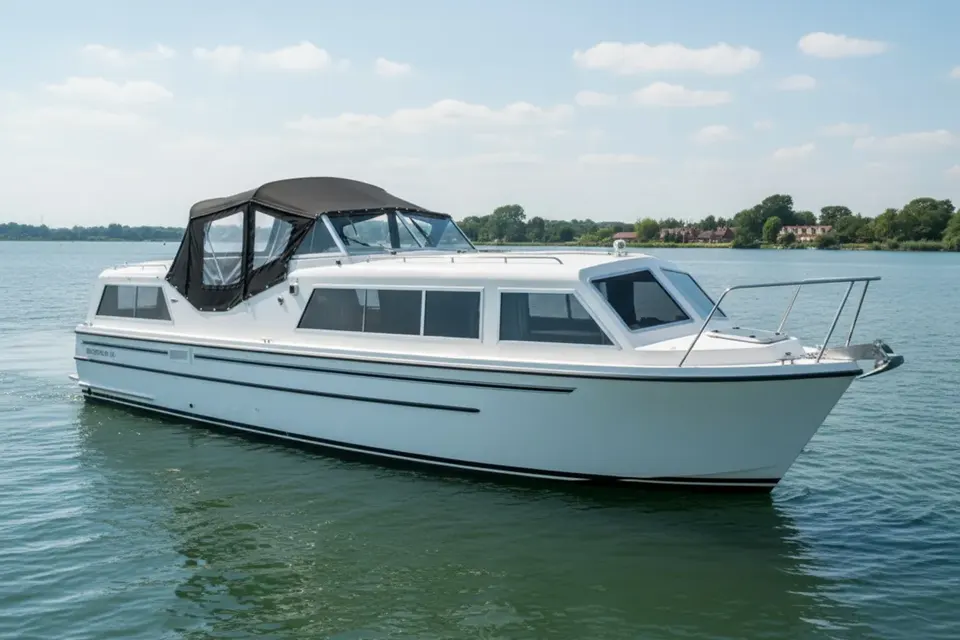
The Leeds & Liverpool Canal, with its broad locks and often shallow draught, is predominantly home to narrowboats, which are perfectly suited to its dimensions. However, it also accommodates a variety of broad-beam cruisers that can navigate its wider sections. Many canal boats are bespoke designs, but you'll also see popular production models adapted for canal life. Traditional narrowboats, with their distinctive elongated hulls and cabins, are the most common sight, ranging from simple unadorned workboats to luxurious live-aboards. Their slender design allows them to glide effortlessly through the canal's often confined spaces. Beyond narrowboats, you'll also encounter a selection of GRP (Glass Reinforced Plastic) cruisers that are well-suited to the broad canal's dimensions. Classic models like the Freeman 22 and other similar broad-beam cruisers are popular choices for those seeking a balance between interior space and ease of navigation on wider canals. These boats, along with purpose-built broad-beam canal cruisers, enjoy the stability and generous space offered by the Leeds & Liverpool. Whether you own a classic cruiser or a modern narrowboat, our expert bespoke services ensure that your cover is perfectly tailored to your vessel’s unique dimensions and requirements, offering unmatched protection against the elements this canal presents.
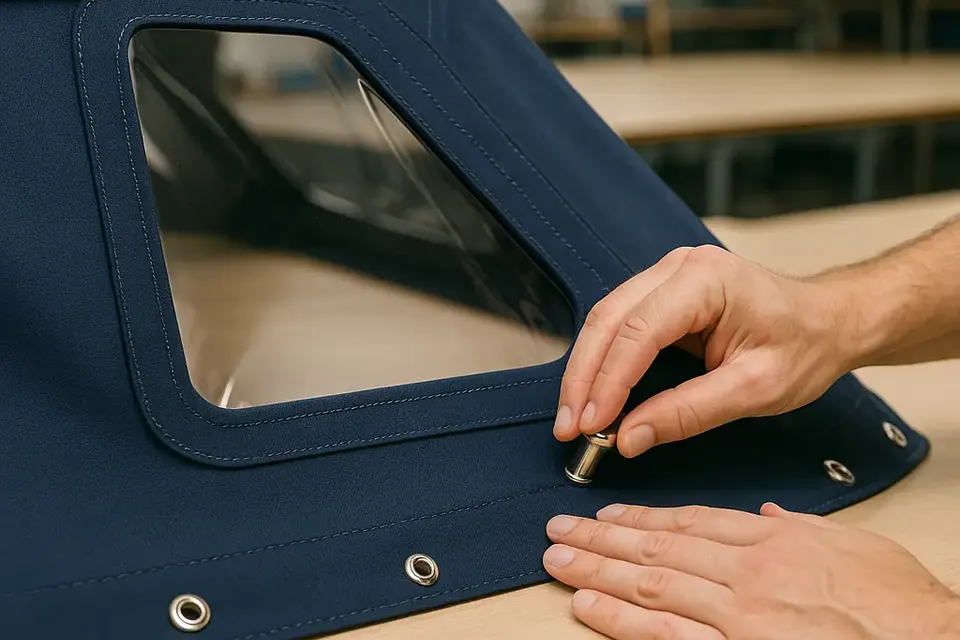
At ukboatcovers.com, we are proud to be a family-run business based right here in Carterton, Oxfordshire, and we understand the unique demands placed upon boat covers on waterways like the Leeds & Liverpool Canal. We offer bespoke solutions tailored to every vessel, ensuring a perfect fit and maximum protection. As part of our commitment to excellent value, you'll pay the price shown. We pride ourselves on efficiency without compromising quality, aiming for a rapid dispatch timing agreed before ordering from template receipt to dispatch for most orders. For those without an existing cover to send, or for custom projects, our convenient postal copy service simplifies the templating process, ensuring accuracy every time. Trust us to provide the superior protection your boat deserves for its adventures on the historic Leeds & Liverpool Canal.
For more information, visit our services.