Calne: Market Town Heritage and the Lost Wilts & Berks Connection
Calne occupies a distinctive position on the Kennet & Avon Canal where Wiltshire's agricultural heritage meets industrial history. This market town, famous historically for its bacon-curing industry, sits alongside the canal with the nearby Pewsham Locks creating a peaceful rural setting. The ghost of the Wilts & Berks Canal junction—once connecting Calne to a wider waterways network—adds historical dimension, while the dramatic Stanley Aqueduct nearby showcases early 19th-century engineering ambition.
The Wilts & Berks Canal Connection
Calne's canal history extends beyond the Kennet & Avon main line. The Wiltshire & Berkshire Canal once connected here via a short branch, linking Calne to a 52-mile waterway network joining the Kennet & Avon at Semington (near Devizes) to the Thames & Severn Canal at Latton. This created circular routes and expanded trading opportunities for Wiltshire towns including Calne, Wootton Bassett, and Swindon.
The junction's location, just west of Calne town center, once bustled with boat traffic transferring between waterways. Coal arrived via the Wilts & Berks from the Somerset coalfields. Bacon and agricultural products shipped outward toward London and Bristol markets. Stone from local quarries traveled both canal routes. The junction required wharves, warehouses, and infrastructure supporting commercial interchange.
The Wilts & Berks Canal closed in 1914, its commercial decline hastened by railway competition and maintenance costs exceeding revenue. Subsequent decades saw the canal filled, built over, and largely erased from the landscape. However, the Wilts & Berks Canal Trust now pursues restoration, with the Calne branch identified as potentially recoverable. Current restoration work focuses on other sections, but long-term plans envision reconnecting Calne to a rebuilt waterways network.
For modern boat owners, the junction site offers historical interest rather than practical navigation. The Wilts & Berks Canal Trust maintains interpretation boards explaining the lost connection, allowing today's boaters to imagine the junction's working-era bustle. Some original infrastructure survives—bridge abutments, embankment traces, and building foundations marking where wharves once stood.
Pewsham Locks and Lock Flight
The Pewsham Locks, situated just west of Calne, form an attractive lock flight lifting boats as the canal begins its climb toward the Devizes ascent. The flight consists of four locks—Pewsham Top Lock, Pewsham Second Lock, Pewsham Third Lock, and Pewsham Bottom Lock—raising the waterway approximately 32 feet over three-quarters of a mile.
The locks demonstrate classic Kennet & Avon engineering:
Wide Chambers: Standard 14-foot width accommodating widebeam boats or paired narrowboats
Stone Construction: Local limestone forming lock walls and surrounds, weathered to attractive patina
Manual Operation: Traditional windlass-operated paddle gear requiring crew effort
Generous Pounds: Longer stretches between locks allowing boats to wait while crews prepare subsequent chambers
Lock Cottages: Former lock-keepers' cottages survive nearby, converted to private residences but maintaining canal-era character
Lock operation at Pewsham requires standard canal technique—balancing paddles to fill or empty chambers gradually, preventing turbulence that could damage boats or waste water. The locks feature both ground and gate paddles depending on specific chamber, with most employing ground paddles drawing water from side ponds to conserve water resources.
The flight's rural setting creates pleasant lock work atmosphere. Surrounding agricultural land provides open views across Wiltshire countryside, with the Market town visible in the distance. Wildlife frequent the flight—kingfishers, herons, and water voles commonly spotted. Lock gardens, maintained by volunteers and Canal & River Trust, add seasonal color.
From a cover perspective, Pewsham lock work creates typical spray exposure as paddles open. Tonneau covers protect cockpit areas and electronics, while well-fitted cratch covers prevent water entering cabins. The exposed rural setting also creates wind exposure—secure cover attachment essential during moored periods awaiting crew operating locks ahead.
Market Town History and Character
Calne's market charter dates to 1254, establishing weekly markets that continue today. The town developed primarily as an agricultural center, serving surrounding farms and rural communities. Georgian and Victorian prosperity brought architectural development—the town center preserves buildings from this era, creating attractive streetscapes mixing market town functionality with period character.
The town's position on important coaching routes brought additional commerce before railway arrival. Several coaching inns survive, converted to modern uses but retaining historical facades. The canal's 1810 opening enhanced Calne's trading position, connecting the town to national waterways networks and facilitating bulk goods transport impossible via road wagons.
For visiting boat owners, Calne provides authentic market town atmosphere increasingly rare in southern England. The town serves local agricultural communities rather than focusing on tourism, maintaining working character welcomed by boaters seeking provisions and services beyond specifically tourist-oriented offerings.
Town facilities include:
Shopping: Traditional high street with independent shops, butchers, bakers, and greengrocers alongside modern supermarkets
Markets: Regular weekly markets selling local produce, crafts, and general goods
Pubs and Restaurants: Multiple establishments offering traditional pub meals and diverse cuisine
Services: Banks, Post Office, pharmacy, and hardware stores supporting extended cruising needs
Medical Services: Doctor's surgery and pharmacy providing healthcare access if needed during extended stays
The town sits approximately one mile from canal moorings—easily walkable or accessible via local bus services. This slight separation from the waterway preserves canal-side tranquility while maintaining town access.
Wiltshire Bacon Industry Heritage
Calne achieved national fame through its bacon-curing industry, particularly the Harris family's bacon factory established in 1770. C&T Harris (Calne) Ltd developed into one of Britain's largest bacon producers, employing thousands of workers and processing pigs from across Wiltshire and neighboring counties. The company pioneered refrigeration techniques allowing year-round bacon production—previously, bacon curing occurred only during winter months when natural cooling prevented spoilage.
The canal contributed significantly to this industrial development. Pigs arrived by canal from agricultural regions. Salt for curing traveled via waterway from coastal sources. Finished bacon products shipped outward to London and Bristol markets via canal, supplementing later railway distribution. The waterway's bulk-transport capacity enabled industrial-scale operations impossible relying solely on road transport.
The Harris factory closed in 1982, ending centuries of Calne bacon production. The factory buildings underwent conversion to residential and commercial uses, though some structures survive showcasing industrial architecture. Interpretation panels throughout Calne document the bacon industry's significance, allowing visitors to appreciate this distinctive industrial heritage.
For canal historians, Calne's bacon industry exemplifies how waterways enabled specialized regional industries. The canal didn't create Calne's bacon trade—the Harris family began operations decades before canal construction—but waterway transport enabled expansion to national prominence.
Stanley Aqueduct
The Stanley Aqueduct, located west of Calne beyond Pewsham Locks, carries the Kennet & Avon Canal over the Calne-Chippenham road and valley. Completed in 1803 to engineer John Rennie's design, this impressive stone structure features three arches spanning approximately 110 feet, supporting the canal 50 feet above ground level.
The aqueduct's construction demonstrates early 19th-century engineering capabilities. Massive stone piers rise from valley floor, supporting arches carrying puddled clay-lined canal bed sealed to prevent leakage. The structure's masonry uses local limestone, weathered to harmonious patina matching surrounding architecture. Decorative keystones and architectural detailing indicate builders' pride in creating functional yet aesthetically pleasing infrastructure.
From a boat's perspective, the aqueduct creates dramatic cruising experience. Approaching from either direction, the waterway appears to extend into space as ground falls away beneath the structure. Traveling across the aqueduct offers views across the valley—an unusual perspective impossible from ground-level canal stretches. The experience combines slight unease (traveling above significant drop) with appreciation for engineering achievement.
Pedestrians can walk beneath the aqueduct on the road it crosses, viewing the structure from below. This reveals the construction's scale—the massive masonry piers and arches supporting thousands of tons of water and canal infrastructure overhead. The aqueduct ranks among the Kennet & Avon's most photographed features, its dramatic setting creating memorable images.
For cover purposes, the aqueduct's height creates wind exposure. Boats crossing during blustery conditions experience crosswinds that can affect steering. Properly-fitted covers must resist wind uplift—reinforced attachment points and adequate tensioning prevent wind getting underneath covers and potentially lifting or damaging them.
Boat Types and Cover Requirements
Calne attracts diverse boat types through its combination of rural setting, historical interest, and practical facilities:
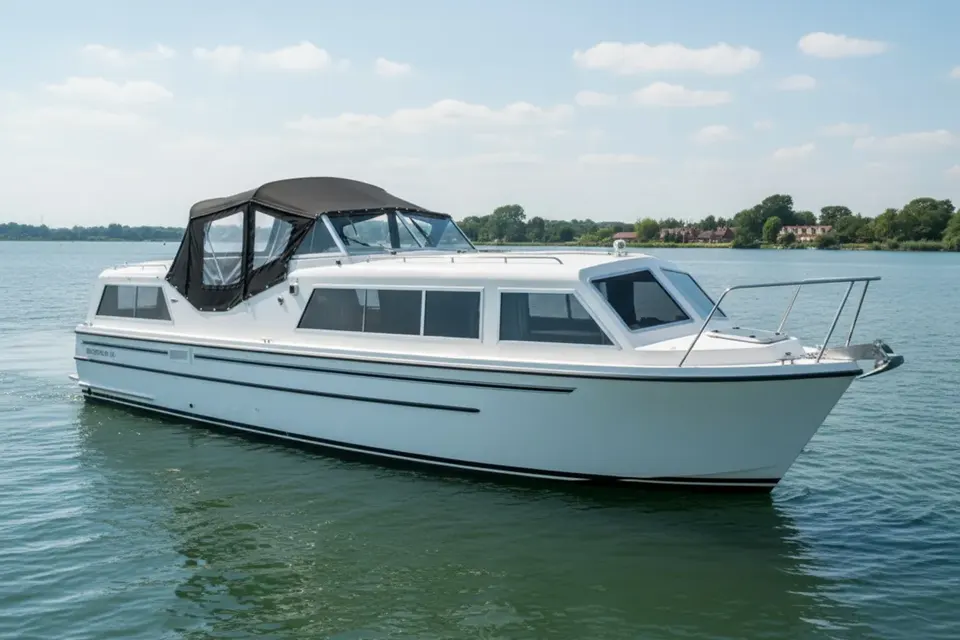
Cruising Narrowboats: Standard 50-70 foot boats exploring the Kennet & Avon. These vessels require robust tonneau covers and spray hoods for lock work and exposed rural conditions.
Widebeam Boats: The canal's generous width accommodates widebeam cruisers. Calne's locks and aqueduct handle these larger vessels, requiring appropriately-scaled covers.
Heritage Boats: Some traditional craft visit Calne, appreciating the town's industrial history and bacon heritage. Period-appropriate covers using modern materials suit these vessels.
Residential Narrowboats: A few liveaboards moor long-term near Calne, valuing the quiet rural setting and town access. Year-round living demands comprehensive canopy systems and winter protection.
Cover specifications for Calne boats address:
Lock Flight Protection: Pewsham Locks create spray exposure requiring waterproof tonneau covers protecting cockpits and equipment.
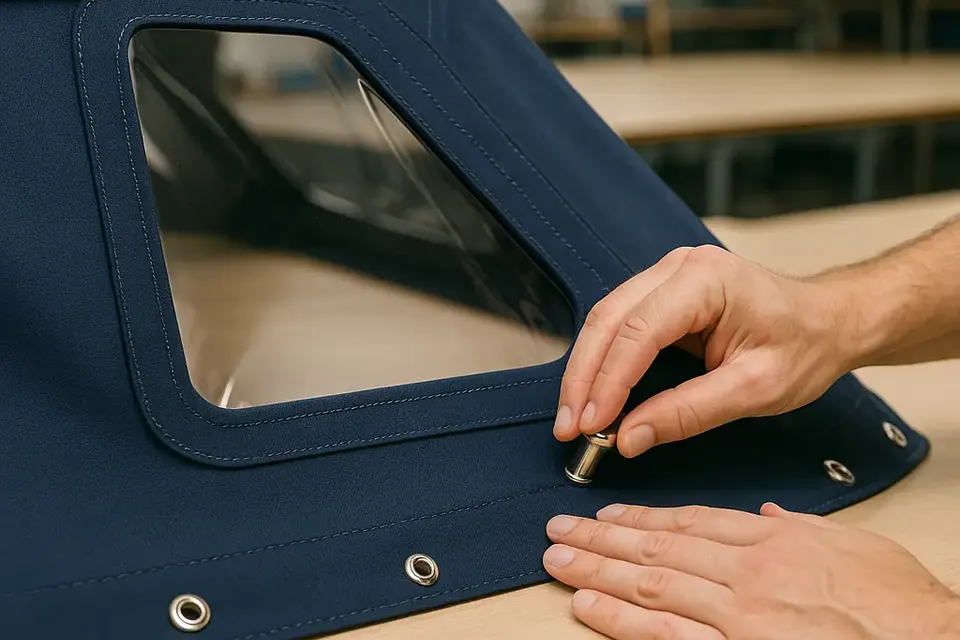
Aqueduct Wind Exposure: Stanley Aqueduct's height creates crosswind vulnerability. Secure cover attachment with reinforced eyelets prevents wind damage.
Rural Exposure: Open agricultural landscapes create weather exposure. UV-resistant materials withstand Wiltshire sunshine while breathable fabrics prevent condensation buildup.
Agricultural Debris: Surrounding farmland contributes airborne seeds, pollen, and dust. Covers need cleaning capability—materials that shed dirt and wash clean without water penetration.
The No VAT Postal Service
Our boat cover service operates throughout the Calne area via convenient postal collection—no VAT charges on all orders. Whether moored near Pewsham Locks, Stanley Aqueduct, or Calne town moorings, send your existing tonneau cover, spray hood, or canopy. Receive an exact reproduction according to the agreed schedule, crafted in marine-grade materials suited to Wiltshire's exposed rural conditions. The service particularly benefits boats preparing for the Devizes ascent ahead, ensuring waterproof protection before tackling 29 locks.
Practical Boating Information
Distance: Calne sits approximately 12 miles west of Devizes and 75 miles west of Reading on the Kennet & Avon Canal. The location marks the eastern approaches to the canal's central section before the major Devizes ascent.
Lock Work: Pewsham Locks (4 locks) immediately west of town. Eastward, relatively level cruising toward Devizes approaches. Westward, continued climbing through lock flights toward summit pound.
Access: The A4 Bath Road provides road connections. Calne railway station (on a branch line) closed in 1965—nearest stations now at Chippenham or Swindon, requiring bus or taxi connections.
Facilities: Calne moorings provide visitor berths with water points. Town offers comprehensive provisioning. Diesel and pump-out available at Devizes (eastward) or other canal centers.
Seasonal Patterns
Spring (March-May): Agricultural activity increases as planting begins. Wildflowers bloom along towpaths. Moderate boat traffic as cruising season commences. Spring cover replacements peak—our postal service busiest during these months.
Summer (June-August): Peak cruising period brings increased traffic through Pewsham Locks. Agricultural harvests create working landscape activity. Long daylight hours allow extended cruising and evening town exploration.
Autumn (September-October): Excellent conditions with reduced traffic and pleasant weather. Harvest completion leaves characteristic stubble fields. Many boats install winter covers during October.
Winter (November-February): Quieter canal though navigation continues. Cold, damp Wiltshire conditions require comprehensive weather protection. Calne's town facilities provide winter amenities—shops and heated pubs welcome boaters.
Popular Cruising Routes
Calne to Devizes: Exploring the historic Caen Hill flight (full day eastward)
Calne to Bradford: Westward toward Bath stone architecture and Saxon heritage (1-2 days)
Pewsham Circuit: Calne to Stanley Aqueduct and return via Pewsham Locks (half-day cruise exploring local highlights)
For boat cover and canopy services throughout the Calne area, our postal system provides unmatched convenience. Send covers from Pewsham moorings or Calne visitor berths for expert reproduction using materials proven across Wiltshire's agricultural landscapes—delivered VAT-free according to the agreed schedule, ready for continued Kennet & Avon adventures past aqueducts and through market town heritage.