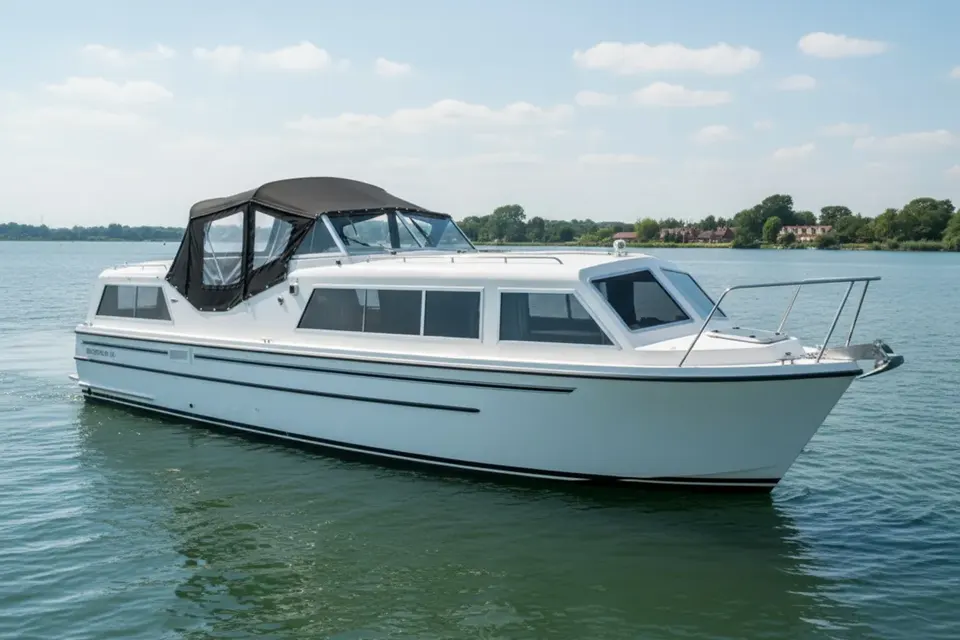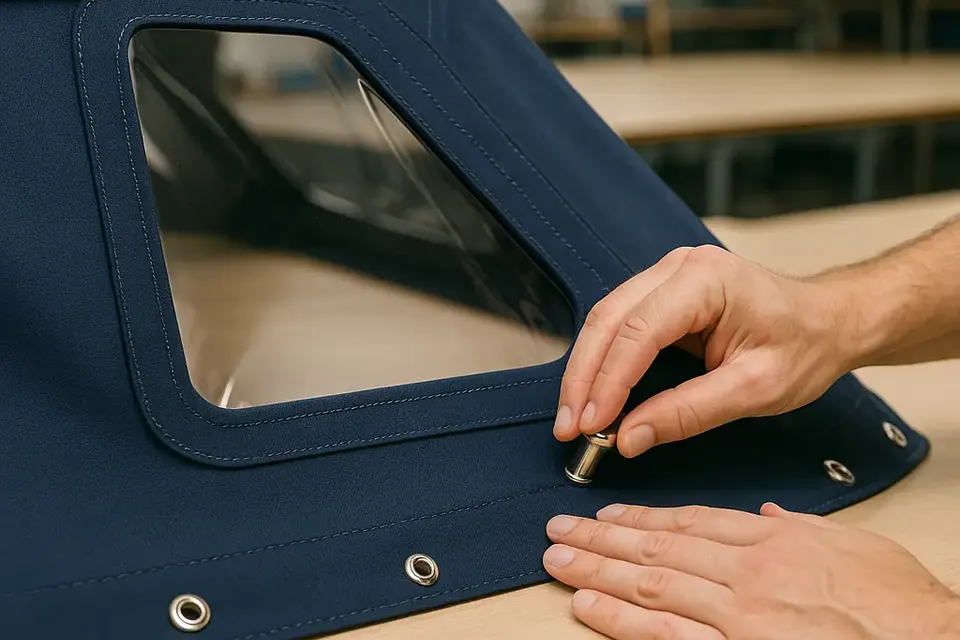
The Kennet & Avon Canal stands as one of Britain's most cherished and historically significant waterways, stretching a remarkable 87 miles through the heart of Southern England. Connecting the River Kennet at Reading with the River Avon at Bristol, this iconic canal offers a journey of unparalleled scenic beauty, engineering marvels, and a rich tapestry of history. It serves as a vital artery, linking London's extensive canal network with the Bristol Channel, thus facilitating a continuous inland route for boats of various sizes, from nimble day-cruisers to substantial narrowboats. Conceived in the late 18th century as a crucial trade route, the canal's construction was a monumental undertaking, completed in 1810. Its purpose was to bypass the treacherous sea journey around Land's End, offering a safer and quicker passage for goods between the capital and the West Country. The canal faced early challenges from competing railways but experienced a renaissance in the latter half of the 20th century thanks to the tireless efforts of restoration volunteers. Today, it is primarily a leisure waterway, celebrated for its diverse landscapes, ranging from tranquil rural stretches meandering through rolling hills and ancient woodlands to vibrant urban passages through historic towns like Bath and Bradford-on-Avon. Its character is defined by this blend – serene countryside giving way to bustling market towns, all under the watchful eye of impressive Georgian architecture and quintessential English charm. For anyone considering an inland voyage, or simply looking to moor their vessel in a truly special location, the Kennet & Avon Canal offers an experience like no other. ## Navigation Conditions: Locks, Bridges, Currents, and Tidal Sections Navigating the Kennet & Avon Canal is an adventure that demands both skill and patience, presenting a diverse array of conditions over its considerable length. The waterway is famed for its impressive lock systems, totalling 105 locks along its entire course. The most renowned of these is the Caen Hill Flight near Devizes, a spectacular series of 16 locks rising 237 feet over just two miles, forming one of the most concentrated and impressive flights in the country. This particular section requires significant time and effort, often taking several hours to traverse, and is a highlight for many boaters. Beyond Caen Hill, boaters will encounter a mix of broad locks (west of Bath and east of Newbury) and narrower locks, particularly in the central sections. Broad locks require careful positioning for single narrowboats to avoid catching on the cills. Throughout, communication and cooperation with other boaters are key to efficient passage. Bridges along the K&A are numerous and varied. While most offer ample headroom for standard canal boats, some low-arched bridges, especially on older sections, may require the lowering of canopies or even careful negotiation depending on water levels. Swing bridges are also a feature, particularly in the western sections, often requiring manual operation, adding another layer to the boating experience. Water levels on the canal can fluctuate, particularly during prolonged dry spells or periods of heavy rainfall. Canal & River Trust (CRT) often implements water-saving measures during droughts, which can affect navigation times or even lead to temporary closures of certain lock flights. It's always advisable to check CRT's website for the latest navigation notices before embarking on a journey. The western end of the canal, particularly the stretch from Bath to Bristol, incorporates significant sections of the River Avon. This part of the waterway is tidal, meaning boaters must be aware of tide times and river currents. The strong currents of the Avon, especially after heavy rain, can be challenging, and navigating the Bristol Floating Harbour requires careful planning and adherence to local regulations. Even without reaching the tidal sections, some parts of the River Kennet (east of Newbury) can also experience stronger flows after rain. Understanding these varying conditions, from the peaceful lock-free stretches to the demanding lock flights and tidal river sections, is crucial for a safe and enjoyable journey on the Kennet & Avon Canal. ## Weather and Seasonal Challenges: Protecting Your Investment The varied climate of the UK presents several challenges for boats moored or cruising on the Kennet & Avon Canal, making high-quality protection an absolute necessity. Exposure to the elements can significantly impact the longevity and appearance of your vessel. UV Exposure: The K&A, with its long, open rural stretches and wider sections, particularly on the River Kennet and River Avon, offers little shade in many places. This means boats are often exposed to direct sunlight for extended periods. Ultraviolet (UV) radiation is a silent destroyer, causing boat paintwork to fade, gel coats to degrade, and interior fabrics to perish. It also weakens and degrades standard boat covers over time, leading to cracking, tearing, and loss of waterproofing. Investing in a cover with superior UV resistance is paramount to protect your boat's exterior and interior from sun damage. Wind: While much of the canal is relatively sheltered, there are exposed sections, particularly across open plains, along wider river stretches, and near the more elevated areas like the climb up to Devizes or near the Bath Deep Lock. Strong winds can exert considerable force on boat covers, especially if they are ill-fitting or made from inferior materials. A well-fitting, robust cover is essential to withstand gusts, prevent flapping (which causes wear and tear), and ensure it remains securely in place, protecting your boat from wind-driven rain and debris. Winter Risks: The British winter brings its own set of challenges. Freezing temperatures can lead to ice formation on the canal, which can damage hulls and covers. Perhaps more insidious is the combination of cold, damp air and reduced ventilation, which creates the perfect breeding ground for mould and mildew. This is not only unsightly but can also cause unpleasant odours, damage interior fabrics, and compromise air quality. Heavy rainfall, a common feature of UK winters, also necessitates a cover that is completely waterproof and allows water to run off efficiently, preventing pooling and ingress. Without proper protection, winter can cause significant deterioration, leading to costly repairs and extensive cleaning in the spring. A high-quality boat cover is therefore an indispensable asset for year-round protection against these environmental aggressors. ## Boat Cover Material Recommendations for This Waterway Choosing the right boat cover material for a vessel on the Kennet & Avon Canal is crucial, given the specific environmental challenges this waterway presents. At ukboatcovers.com, we understand that optimal protection requires considering both durability and breathability. For this canal, two primary material types stand out: PVC and Acrylic, each offering distinct advantages. For a more in-depth exploration of material choices, you might find our boat cover material guide particularly helpful. PVC (Polyvinyl Chloride): PVC is an exceptionally robust and completely waterproof material, making it an excellent choice for heavy-duty protection, especially during the harsh UK winter. Its smooth, non-porous surface means it’s highly resistant to mould and mildew growth, and easy to clean. For boats that are stored for extended periods or exposed to very wet conditions, a PVC cover offers unparalleled waterproofing. It's also highly durable against physical abrasion, which is beneficial in areas prone to wind-borne debris or accidental contact. However, PVC's main drawback is its lack of breathability. While excellent at keeping water out, it can trap condensation underneath, leading to a build-up of moisture if the boat isn't adequately ventilated, which in turn can still encourage mould inside the boat or on interior surfaces if not managed. Therefore, for PVC covers, it's vital to ensure good airflow underneath – perhaps through vents or by slightly raising parts of the cover – particularly during periods of high humidity or changes in temperature. Acrylic (Solution-Dyed): Acrylic fabrics, such as Sunbrella or similar high-quality brands, are renowned for their superior UV resistance and breathability. Solution-dyed acrylic means the fibres are dyed before weaving, resulting in exceptional colourfastness that resists fading even under intense sun exposure on the K&A’s open stretches. The key advantage of acrylic is its breathability; while highly water-resistant, it allows air to circulate, significantly reducing condensation and the risk of mould and mildew forming under the cover and on the boat’s exterior. This makes it a fantastic choice for year-round protection, particularly for cruising canopies or covers that will be on the boat for extended periods during warmer, more humid months. Acrylic also has a more fabric-like, aesthetically pleasing finish compared to the plastic-like feel of PVC. While not as absolutely waterproof as PVC in prolonged torrential rain, its water resistance is more than adequate for most UK weather conditions, especially when treated with a water-repellent finish. Key Considerations for the Kennet & Avon: * UV Protection: Given the open nature of many K&A stretches, high UV resistance is paramount for any cover, whether PVC or acrylic. Both offer good UV protection, but solution-dyed acrylic generally excels here for long-term colour stability. * Breathability vs. Waterproofing: If your priority is ultimate waterproofing and easy cleaning for winter storage, especially for boats not regularly used, PVC is excellent, provided you manage ventilation. If you value breathability, superior mould resistance on the boat's exterior, and a more comfortable internal environment for regular use or extended periods, acrylic is the better choice. Many boaters opt for a heavy-duty PVC winter cover and a lighter, breathable acrylic cruising canopy. * Fit and Reinforcement: Regardless of material, a bespoke, snug-fitting cover is crucial to prevent flapping in the wind and ensure water runoff. Areas prone to chafing or high stress points should be reinforced. We meticulously select and offer a range of fabric options to ensure your boat receives the best protection. At ukboatcovers.com, our expertise allows us to recommend the ideal material and design for your specific boat and how it's used on the Kennet & Avon, ensuring maximum protection and longevity for your investment. ## Popular Mooring Towns and Cruising Centres The Kennet & Avon Canal is dotted with charming towns and villages that serve as popular mooring spots and vibrant cruising centres, each offering a unique flavour of English heritage and canal-side life. Reading: At the eastern end, Reading offers the starting point for many K&A journeys. Its buzzing town centre, with excellent transport links and a wide range of amenities, makes it a convenient place to provision and explore before heading west. The confluence of the River Kennet and the Thames provides varied cruising options from here. Newbury: Further west, Newbury is a traditional market town bisected by the canal. Its picturesque wharf area, lined with historic buildings and pubs, is a popular spot for short-term moorings. The town provides all necessary services for boaters, from chandleries to supermarkets, and is known for its racecourse and attractive surrounding countryside. Hungerford: This delightful Berkshire market town is renowned for its antique shops and the famous Hungerford Arcade. The canal passes right through its heart, offering pleasant moorings and a quintessential English village experience. It's an ideal spot for a leisurely stop, with numerous pubs and eateries. Great Bedwyn: Nestled in the North Wessex Downs Area of Outstanding Natural Beauty, Great Bedwyn offers a peaceful, rural mooring experience. It's a smaller village but boasts a well-regarded canal-side pub and is a gateway to beautiful walks and cycling routes, making it a favourite for those seeking tranquillity. Devizes: A major hub on the K&A, Devizes is most famous for being at the foot of the Caen Hill Locks.
For more information, visit our services.