Guardians of the Solent: Protecting Portsmouth's Maritime Heritage with Bespoke Boat Covers
Portsmouth, a city etched into the very fabric of maritime history, stands proudly on the shores of the Solent. Its bustling harbour, historic dockyard, and vibrant sailing culture are testament to a deep-seated connection with the sea. For generations, this strategic coastal stronghold has been home to a diverse fleet, from elegant sailing yachts gracefully cutting through the waves to robust cabin cruisers offering comfort and adventure, and industrious fishing boats pursuing their livelihood. However, the very environment that lends Portsmouth its undeniable charm also poses significant challenges for these treasured vessels: the relentless assault of salt spray, the unyielding force of coastal winds, and the insidious degradation of UV exposure.
In this dynamic coastal theatre, where nature's elements are in constant play, the humble boat cover transcends mere accessory status to become an indispensable guardian. It is the first line of defence, a silent sentinel protecting a boat's integrity, aesthetics, and long-term value. This comprehensive guide delves into the unique maritime landscape of Portsmouth and the Solent, exploring why bespoke canvas covers, canopies, tonneau covers, and spray hoods are not just a luxury, but an absolute necessity for every boat owner here, offering insights into the convenience and value provided by specialist services like UK Boat Covers.
The Unseen Adversaries: Portsmouth's Coastal Weather Gauntlet
To truly appreciate the necessity of boat covers in Portsmouth, one must first understand the specific environmental pressures exerted by its coastal location. The Solent, a notoriously busy and often challenging stretch of water, subjects vessels to a unique cocktail of weather phenomena.
1. The Corrosive Embrace of Salt Spray:
Portsmouth's geographical position, directly exposed to the open waters of the Solent and the English Channel, means that boats are almost perpetually bathed in a fine mist of salt spray. This isn't just a superficial layer; salt is a highly corrosive agent. On boat covers, salt crystals can abrade fabrics over time, weakening fibres and accelerating wear. More critically, when salt spray penetrates beyond the cover, it begins its destructive work on the boat itself.
- Deck & Fittings: Stainless steel fittings, while robust, are susceptible to 'tea staining' and pitting if not regularly rinsed. Anodised aluminium can corrode, and plastics become brittle. Teak decks, a cherished feature on many sailing yachts and cabin cruisers, absorb salt, which can then accelerate wood rot and discolouration.
- Upholstery & Interior: Salt, carried by the wind and entering through open hatches or companionways, can settle on interior fabrics, upholstery, and wooden finishes. It attracts moisture, leading to mildew, mould, and a persistent dampness that is not only unpleasant but also damaging to materials and electronics.
- Rigging & Sails (for sailing yachts): Even when stowed, sails can be exposed to residual salt, which can degrade fabric, especially seams and stitching. Rigging components, blocks, and sheaves are prone to seizing or accelerated wear due to salt crystal build-up.
2. The Relentless Force of Coastal Winds:
Portsmouth is no stranger to strong winds. From prevailing south-westerlies to more intense gales, these winds are a constant feature of the Solent. While exhilarating for sailing, they pose a significant threat to moored or docked vessels, and by extension, their covers.
- Physical Abrasion: Wind whips covers against boat surfaces, causing friction. Over time, this can wear through fabric, particularly at pressure points such as sharp edges, cleats, or stanchion bases. Inferior or ill-fitting covers are particularly vulnerable, prone to flapping violently, which not only damages the cover but can also scratch or mar the boat's gelcoat or paintwork.
- Structural Stress: Strong winds exert immense pressure on boat covers. If not properly secured, covers can tear, stretch, or even lift off entirely. This stress is transferred to the cover's fixings, such as poppers, bungee cords, or straps, which can fail under duress, leaving the boat exposed.
- Debris & Pollution: Coastal winds carry more than just salt. They pick up dust, grit, exhaust particulates from other vessels, and even bird droppings, all of which can be deposited on boat surfaces. A cover acts as a physical barrier against this airborne debris, preventing it from accumulating on the deck or entering the boat's interior.
3. The Insidious Degradation of UV Exposure:
Even on cloudy days, and certainly during Portsmouth's sunnier periods, ultraviolet (UV) radiation from the sun is a potent destructive force. It's often the most underestimated adversary because its damage is gradual and cumulative.
- Fabric Breakdown: All fabrics, including those used for boat covers, degrade under prolonged UV exposure. Dyes fade, and fibres weaken, leading to brittleness, cracking, and eventual tearing. This process is accelerated in marine environments due to the reflective properties of water, which intensifies UV exposure.
- Gelcoat & Paint: Unprotected gelcoat on fibreglass vessels oxidises and chalks, losing its lustre and becoming porous. Painted surfaces fade and can become brittle, leading to flaking. This not only detracts from the boat's appearance but also reduces its protective qualities.
- Plastics & Vinyl: UV radiation makes plastics brittle and prone to cracking, while vinyl upholstery fades, cracks, and stiffens, significantly shortening its lifespan. Instrument covers, rubber seals, and various deck fittings made of plastic or composite materials are all susceptible.
For boat owners in Portsmouth, these three elements are not theoretical threats; they are daily realities. A vessel left unprotected will inevitably suffer from accelerated wear and tear, diminished appearance, and reduced resale value.
Beyond Aesthetics: The Indispensable Role of Boat Covers in a Coastal Haven
Given Portsmouth's challenging coastal environment, boat covers are far more than a cosmetic enhancement. They are a critical investment in the longevity, functionality, and economic value of any vessel.
1. Comprehensive Protection from the Elements:
The primary and most obvious benefit is defence. A well-fitted, robust boat cover creates a protective shell against everything the Solent can throw at it. This includes:
* Rain & Freshwater: Preventing rainwater from entering the boat, which can lead to pooling, dampness, and the growth of mould and mildew in the interior, especially crucial for cabin cruisers and river boats.
* Bird & Animal Waste: A significant issue in busy harbours, droppings are not only unsightly but also highly acidic and can permanently stain gelcoat or canvas if left unattended.
* Industrial Fallout & Pollutants: Portsmouth, being a busy port city, has its share of airborne pollutants. Covers shield boats from these contaminants.
* Frost & Ice: In winter, covers provide an extra layer of insulation, helping to prevent frost damage to fittings, plumbing, and interior components.
2. Significant Reduction in Maintenance and Cleaning:
Imagine the time saved not having to scrub bird droppings off the deck, rinse salt residue from every surface, or constantly wipe down interior dampness. A cover dramatically reduces the frequency and intensity of cleaning required. This translates into more time spent enjoying the boat on the water, and less time maintaining it at the dock. For busy sailing yacht owners or those with extensive cabin cruisers, this is a priceless advantage.
3. Preservation of Interior and Exterior Finishes:
The sun's UV rays are relentless. A cover acts as a physical barrier, preventing fading and cracking of upholstery, dashboards, wooden trims, and electronics. On the exterior, it protects the gelcoat or paintwork from chalking and discolouration, maintaining the boat's aesthetic appeal and structural integrity. This is particularly important for day cruisers, where comfort and appearance are key.
4. Enhanced Security and Deterrence:
While not impenetrable, a boat cover adds a layer of deterrence against casual theft. It conceals the boat's interior, making it less obvious what valuable items might be left inside. The extra effort required to remove a well-secured cover can be enough to deter opportunistic thieves.
5. Maintaining Resale Value:
A boat that has been consistently protected by a quality cover will inevitably show less wear and tear than an exposed one. Its finishes will be better preserved, its interior will be cleaner, and its overall condition will be superior. This directly translates into a higher resale value, making the initial investment in a quality cover a financially sound decision. For sailing yachts and cabin cruisers, which represent significant investments, this preservation of value is paramount.
A Fleet of Distinction: Popular Boat Types Gracing Portsmouth's Waters
Portsmouth and the wider Solent are home to an eclectic mix of vessels, each with its unique characteristics and, consequently, distinct cover requirements.
1. Sailing Yachts:
The very soul of the Solent, sailing yachts are ubiquitous in Portsmouth. From nimble racing dinghies to majestic cruising yachts, their presence defines the region's maritime identity. For sailing yachts, covers are essential for protecting the deck, cockpit, and cabin entryways from weather and UV.
- Cockpit Covers: Essential for protecting the intricate electronics, winches, and seating within the cockpit. They often extend over the companionway to keep the interior dry.
- Spray Hoods: A crucial component, offering protection from spray and wind for those in the cockpit, especially when underway. When moored, they also provide a degree of shelter to the companionway, preventing rain ingress.
- UK Boat Covers makes covers for specific areas, including cockpit and tonneau covers, cratch covers and replacement canopy canvas. We do not make whole-boat or winter-storage covers, or supply or install supporting framework. Tell us which area needs covering before requesting a quote.
- Full Deck Covers: For long-term winter storage or periods of inactivity, a full deck cover can provide comprehensive protection for the entire deck, rigging base, and cockpit area.
2. Cabin Cruisers:
These vessels, designed for comfortable overnight stays and extended cruising, are a common sight in Portsmouth's marinas. Their spacious interiors and often extensive amenities demand superior protection.
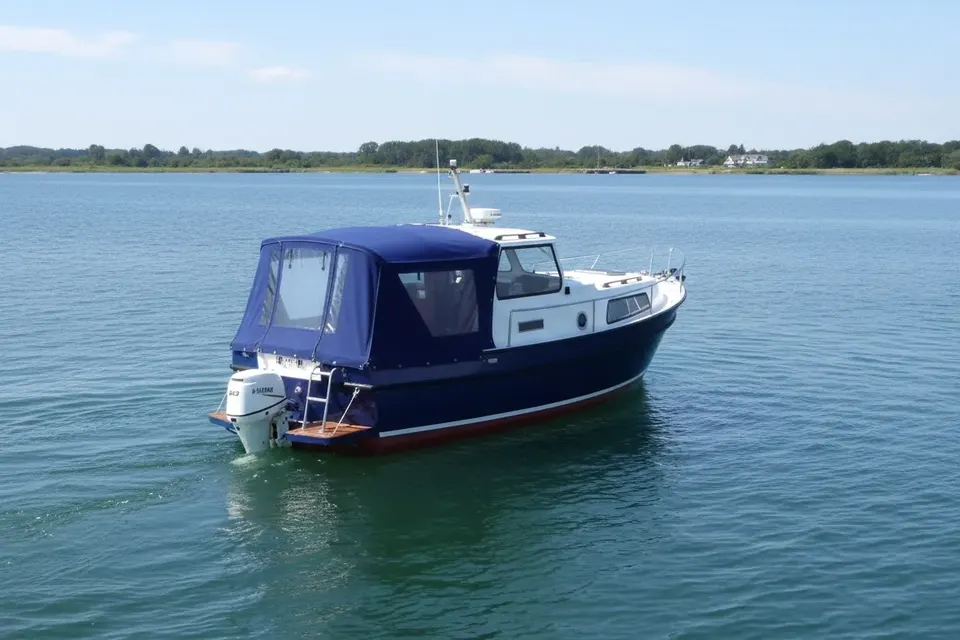
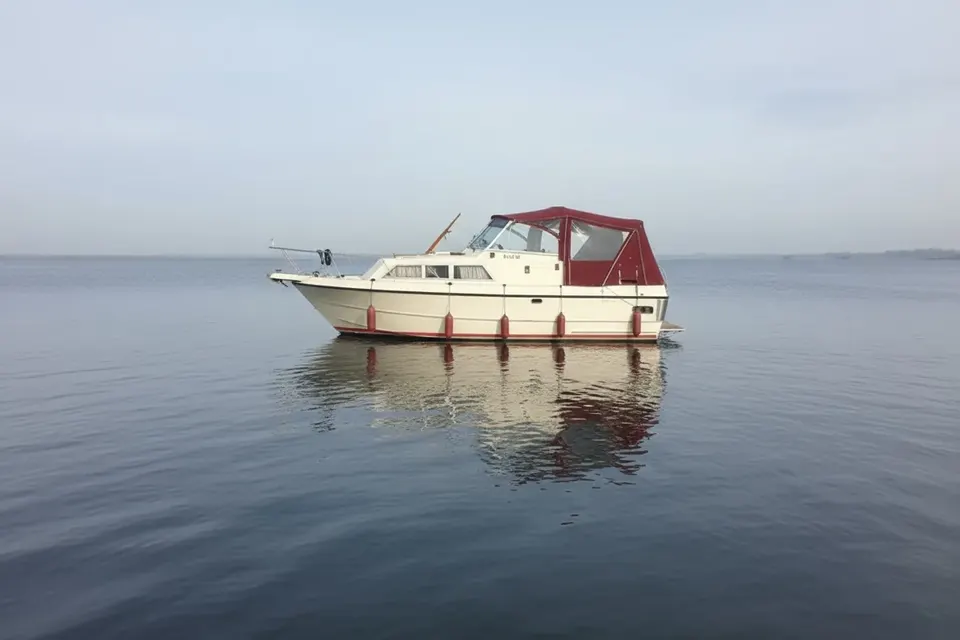
- Canopies (Aft Covers): Often extending from an existing hardtop or radar arch, these create a fully enclosed space over the aft deck, transforming it into an additional living area protected from the elements. They are vital for entertaining and extending the usable space.
- Tonneau Covers: Perfect for covering open cockpits or seating areas on smaller cabin cruisers, preventing water ingress and keeping the interior clean when not in use.
- Flybridge Covers: For cabin cruisers with a flybridge, dedicated covers protect the helm station, seating, and delicate electronics from sun and rain.
- Window and Windscreen Covers: Essential for protecting the large glass or acrylic surfaces from UV damage, preventing crazing and maintaining clarity, while also offering privacy.
3. Day Cruisers:
Designed for leisure and short trips, day cruisers are popular for exploring the Solent's many attractions, from sandy beaches to charming riverside towns. Their open designs make them particularly vulnerable to the elements.
- Bow Covers: Protect the forward seating area from sun, rain, and debris.
- Cockpit Covers/Tonneau Covers: The most common type, these completely enclose the open cockpit area when the boat is not in use, keeping the seating, dashboard, and controls clean and dry. They are often quick to deploy and remove.
- Bimini Tops (with side/aft curtains): While primarily providing sunshade when underway, a well-designed bimini can incorporate side and aft curtains to create a temporary, sheltered enclosure when moored.
4. Fishing Boats:
From small open craft used for inshore angling to larger vessels venturing further afield, fishing boats are practical tools that benefit immensely from robust protection.
- Console Covers: Essential for protecting sensitive electronics, charts, and controls from salt spray and UV, which can rapidly degrade these vital components.
- Tonneau Covers: Providing full coverage for the open deck, keeping rain out, and protecting fishing gear, bait wells, and the deck from debris.
- Outboard Covers (though focusing on the boat itself): While not covering the engine, a cover that extends over the transom offers protection for the splash well area and other equipment mounted there.
5. River Boats:
While Portsmouth is a coastal city, its waterways connect to a network of rivers and inland navigations in the wider Hampshire area that feed into the Solent. Many owners of traditional river boats or narrowboats might base themselves in Portsmouth for access to the sea or transit. Even in calmer river environments, UV, rain, and environmental debris are significant concerns.
- Cratch Covers (on narrowboats): These forward covers create an enclosed living space at the front of a narrowboat.
- Pram Hoods/Aft Canopies: Extending over the stern, these provide shelter for the helm and additional living space, crucial for comfort on longer trips.
- Full Winter Covers: Essential for prolonged periods of inactivity, protecting the entire boat from winter weather, algae growth, and environmental build-up, especially for wooden river boats.
For all these vessel types, the common thread is the need for tailored protection that integrates seamlessly with the boat's design and usage.
Portsmouth's Maritime Hubs: Marinas and Harbours
Portsmouth's marinas and harbours are not just places to moor a boat; they are vibrant communities, hubs of activity, and integral to the boating lifestyle in the Solent. The choice of marina often influences the specific cover requirements due to exposure levels and boat usage patterns.
1. Gunwharf Quays Marina:
Nestled within the historic Gunwharf Quays development, this marina offers a luxurious and sheltered berthing option. While the surrounding buildings offer some protection from prevailing winds, boats here are still exposed to salt spray and UV. Owners often prioritise aesthetic appeal alongside protection for their sailing yachts and cabin cruisers. High-quality, tailored covers complement the premium environment.
2. Port Solent Marina:
Located further up the Portsea Island peninsular, Port Solent is a large, self-contained marina village. It's generally well-protected from the harshest Solent chop but remains susceptible to wind and sun. Many cabin cruisers and larger sailing yachts call Port Solent home. The emphasis here is often on robust canopies for extended outdoor living and comprehensive cockpit covers for security and cleanliness.
3. Haslar Marina (Gosport):
Just across the harbour mouth from Portsmouth, Haslar Marina in Gosport offers excellent access to the Solent. It's a popular choice for both sailing yachts and cruising boats. Its exposure can be greater than some of the more inland marinas, making strong, durable covers essential to withstand the full force of Solent weather. Spray hoods are particularly valued here for active sailors.
4. Gosport Marina:
Another well-regarded marina in Gosport, it offers good facilities and a strategic location. Similar to Haslar, boats here experience the full range of coastal conditions. Owners of day cruisers and fishing boats often seek practical, easy-to-deploy covers for everyday protection.
5. Premier Marinas (e.g., Gosport, Southsea):
Premier operates several marinas in the wider Solent area that are popular with Portsmouth-based boaters. Their facilities cater to a broad spectrum of vessels. The common denominator across all these locations is the continuous exposure to the Solent's elements, underscoring the universal need for effective boat covers.
The Solent Context: The Solent itself, a dynamic waterway with strong tides and sometimes challenging conditions, means that even when a boat is moored, it's never truly 'at rest' from the marine environment. The ebb and flow of tides, the constant movement of air, and the reflective properties of the water ensure that boats, and their covers, are always working hard.
Crafting Precision: The Art of Canvas, Canopies, Tonneaus, and Spray Hoods
The effectiveness of any boat cover lies not just in its material, but in its design, fit, and construction. Bespoke covers, tailored specifically for a vessel, offer superior protection and longevity compared to off-the-shelf alternatives.
1. Canvas Covers (General Term for all Fabric Covers):
"Canvas" is often used as a generic term for the durable fabrics used in marine covers. Modern marine canvas is typically a high-performance acrylic or polyester fabric, often coated for water repellency and UV resistance. Key characteristics:
- Material: Solutions-dyed acrylics (e.g., Sunbrella, Recacril) are renowned for their colour fastness, breathability (reducing condensation), and exceptional UV resistance. Polyester fabrics, often coated, offer high strength and water impermeability.
- Construction: Double-stitched seams with UV-resistant thread, reinforced stress points, and robust hardware (stainless steel poppers, turn-buttons, straps) are hallmarks of quality.
- Benefits: Versatility for all types of covers, excellent long-term protection, and a wide range of colours to match boat aesthetics.
2. Canopies:
These are typically larger, multi-panel enclosures, often extending over a cockpit or aft deck to create a usable, sheltered space.
- Structure: Often supported by a frame (stainless steel or aluminium) and tensioned to provide headroom and stability.
- Panels: Canopies often feature removable side and aft panels, allowing for flexible configuration – open-air in good weather, fully enclosed in bad. Window panels are common, made from clear PVC or polycarbonate.
- Application: Especially popular on cabin cruisers to maximise living space, and on some larger sailing yachts to create a sheltered cockpit area. They are ideal for entertaining or providing extra protection for dinghies or equipment stowed on deck.
3. Tonneau Covers:
A simpler, often flatter cover designed to protect an open area, such as a cockpit or bow section.
- Design: Typically secured around the perimeter with poppers, bungees, or straps, creating a snug fit that sheds water effectively.
- Purpose: Primarily for protection when the boat is not in use, keeping the interior dry, clean, and safe from UV.
- Application: Widely used on day cruisers, smaller cabin cruisers, and open fishing boats. They are quick to deploy and remove, making them ideal for frequent use.
4. Spray Hoods:
A fundamental piece of equipment for sailing yachts, designed to protect the cockpit from spray, wind, and rain when underway.
- Structure: Usually a rigid frame (stainless steel or aluminium) covered with canvas, positioned forward of the cockpit.
- Features: Often incorporates clear window panels for visibility, grab handles for safety, and sometimes a zipped opening over the companionway for easy access.
- Benefits: Significantly enhances comfort and safety for crew in the cockpit, especially in rougher Solent conditions. When moored, they also help keep the main cabin entrance dry.
The move from generic to bespoke covers ensures that every curve, cleat, and cabin top is accounted for, eliminating flapping, ensuring proper drainage, and providing maximum protection.
Modern Solutions for a Timeless Need: UK Boat Covers' Seamless Service
In the demanding world of marine ownership, convenience, precision, and value are highly prized. UK Boat Covers understands this, offering an innovative and highly practical solution for boat owners in Portsmouth and across the UK: a bespoke cover replacement service designed for accuracy and ease.
The "Send Old Cover, Receive New One" postal service with agreed dispatch timing:
This service is a game-changer for owners of sailing yachts, cabin cruisers, day cruisers, fishing boats, and river boats alike. Instead of requiring complex on-site measurements or templates, UK Boat Covers leverages the existing, albeit worn, cover as the perfect pattern for a new one.
Here’s how it works:
- Enquiry: The boat owner contacts UK Boat Covers with details of their vessel and the type of cover required (e.g., specific canvas cover, canopy, tonneau, or spray hood).
- Dispatch Old Cover: The customer carefully removes their old, worn-out cover and packages it securely. UK Boat Covers provides clear instructions on how to prepare and send the cover via a reliable postal or courier service. This eliminates the need for expensive and time-consuming site visits from a canvas maker.
- Precision Pattern Making: Upon receipt, UK Boat Covers' skilled craftspeople use the old cover as a precise template. This ensures that the new cover will have the exact dimensions, fixing points, and shape of the original, guaranteeing a perfect fit every time. This method is exceptionally accurate, as it bypasses potential errors in manual measurement.
- Expert Fabrication: Using only the highest quality marine-grade fabrics (e.g., solutions-dyed acrylics for superior UV resistance and breathability, or coated polyesters for maximum waterproofing) and robust hardware, the new cover is expertly cut, stitched, and finished to exacting standards. All seams are reinforced, and UV-stable thread is used to ensure longevity in the harsh Solent environment.
- Quality Control: Each new cover undergoes rigorous quality checks to ensure it meets both UK Boat Covers’ standards and the specific requirements derived from the old cover.
- Rapid Turnaround & Dispatch: The entire process, from receiving the old cover to dispatching the new one, is meticulously managed for efficiency. Within just an agreed dispatch timeframe, the newly fabricated, bespoke cover is ready and shipped back to the customer, ready for immediate fitting.
This streamlined postal service is particularly beneficial for Portsmouth boat owners who may have their vessels in busy marinas, where on-site work can be challenging or require special permissions. It offers unparalleled convenience, accuracy, and speed, getting boats protected again with minimal fuss.
Unrivalled Value: The Advantage of No VAT Pricing
In today's economic climate, value for money is a primary concern for all boat owners. UK Boat Covers further distinguishes itself by offering No VAT pricing. This represents a significant financial advantage, making high-quality, bespoke boat covers more accessible and affordable.
By structuring their business operations in a way that allows them to provide VAT-free pricing, UK Boat Covers directly passes substantial savings on to their customers. For a product as essential and often as substantial in cost as a custom boat cover, the absence of VAT can translate into clear pricing or more on the total price.
This pricing model doesn't compromise on quality; rather, it makes premium marine canvas solutions a more cost-effective choice for protecting valuable assets. For Portsmouth boat owners, where the costs associated with mooring, maintenance, and general upkeep can be significant, the opportunity to acquire a superior product at a highly competitive, VAT-free price is a compelling proposition. It allows owners of sailing yachts, cabin cruisers, day cruisers, fishing boats, and river boats to invest in the long-term protection of their vessels without undue financial burden.
Conclusion: Safeguarding Portsmouth's Maritime Spirit
Portsmouth's maritime soul is undeniable, its waters teeming with a rich tapestry of vessels. From the graceful sails of yachts navigating the Solent to the sturdy presence of cabin cruisers offering extended voyages, each boat represents an investment of passion, time, and money. Yet, this idyllic coastal setting also presents a relentless array of challenges: the corrosive kiss of salt, the insistent buffet of coastal winds, and the silent, destructive power of UV radiation.
In this environment, a boat cover is far more than an accessory; it is the frontline defence, preserving the beauty, integrity, and functionality of a cherished vessel. Whether it's a bespoke canvas cover protecting a day cruiser, a robust canopy extending the living space of a cabin cruiser, an intricate tonneau cover for a fishing boat, or a practical spray hood for a sailing yacht, the right protection is paramount.
UK Boat Covers stands as a beacon for boat owners in Portsmouth, offering not just exceptional craftsmanship but an intelligent, customer-centric service. Their unique postal service with agreed dispatch timing, where your old cover becomes the perfect pattern for a new, precision-made replacement, marries convenience with unparalleled accuracy. Coupled with the significant financial advantage of no VAT pricing, they offer an irresistible proposition for safeguarding your maritime investment. For those who call Portsmouth home, and for all who navigate the historic waters of the Solent, investing in a high-quality, bespoke boat cover from UK Boat Covers is an investment in peace of mind, extended enjoyment, and the enduring spirit of your vessel.