The Unseen Guardians: Protecting Liverpool's Fleet from the Ferocious Edge of the Irish Sea
Liverpool, a city steeped in maritime history, continues to be a vibrant hub for boating enthusiasts. From the majestic sailing yachts gracing the Mersey's waters to the steadfast cabin cruisers navigating the estuary, and the diligent fishing boats plying their trade, the call of the sea is undeniable. Yet, this allure comes with an inherent challenge: the relentless, often unforgiving coastal environment of the North West, UK. For boat owners in Liverpool, the joy of sailing and cruising is inextricably linked with the responsibility of safeguarding their cherished vessels against the elements. This is where the unseen guardians – boat covers – become not just accessories, but indispensable investments, ensuring longevity, preserving value, and maintaining the pristine condition of these floating assets.
Imagine a crisp, sunny morning giving way to a sudden, blustery squall sweeping in from the Irish Sea, lashing salt spray across the docklands. Or consider the quiet, persistent degradation caused by the sun's UV rays, even on seemingly overcast days, slowly fading gelcoats and weakening fabrics. These are the daily realities for boats berthed in Liverpool's marinas and harbours. Without adequate protection, the harsh coastal climate quickly takes its toll, transforming a vessel from a source of pride into a demanding chore. This comprehensive guide will delve into the specific challenges faced by Liverpool's boating community, the critical role of custom boat covers, and how specialist services can offer a tailored, cost-effective solution.
Liverpool's Maritime Canvas: The Unique Challenges of the Mersey and Irish Sea
Boating in Liverpool offers a unique blend of urban backdrop and open sea adventure. The historic Mersey, flowing out into the Irish Sea, presents a dynamic and often demanding environment. Vessels moored in Liverpool Marina, Albert Dock, or navigating the estuary are constantly exposed to a particular suite of meteorological adversaries that necessitate robust protective measures.
The Unrelenting Scourge of Salt Spray
Salt spray is arguably the most insidious and pervasive threat to any boat in a coastal location like Liverpool. The constant evaporation of seawater deposits a fine, corrosive film across every exposed surface. This isn't just about surface aesthetics; it's a fundamental attack on the integrity of the vessel.
- Corrosion: Metal fittings, from stainless steel rigging on sailing yachts to the chromed fixtures on cabin cruisers, are highly susceptible. Salt acts as an electrolyte, accelerating oxidation and leading to rust and pitting. Even seemingly resistant materials like aluminium can suffer from galvanic corrosion when salt bridges dissimilar metals.
- Gelcoat Degradation: The glossy, protective gelcoat layer on fibreglass hulls, while robust, is not impervious. Salt spray, combined with UV radiation, can cause it to dull, chalk, and eventually break down, opening pores for moisture ingress and further damage.
- Fabric Weakening: Sails, spray hoods, canopies, and upholstery fabrics are all at risk. Salt crystals can abrade fibres, and the chemical composition of salt can hasten the breakdown of waterproofing and UV-resistant coatings.
- Electrical Systems: Though typically housed internally, any exposed wiring or connections are vulnerable to salt-induced short circuits and corrosion, posing significant safety risks.
In Liverpool, the high tidal range of the Mersey, combined with strong prevailing westerly winds, means salt spray is a near-constant factor, particularly for vessels in more exposed berths. Even on calm days, the residual salt in the atmosphere settles, making consistent cleaning and, crucially, consistent protection, absolutely vital.
The Relentless Grip of Coastal Winds
The North West of England is renowned for its blustery conditions, and Liverpool's position on the Irish Sea coast ensures that coastal winds are a daily reality. While exhilarating for sailing yachts, these winds pose a significant threat to berthed or stored vessels.
- Physical Damage: Strong gusts can cause unsecured items to lift, fly, and damage the boat or neighbouring vessels. Rigging on sailing yachts can chafe against masts, stanchions, or other parts if not properly secured. Even light covers, if not perfectly fitted and adequately secured, can flap violently, causing friction damage to the boat's surfaces or tearing themselves apart.
- Stress on Structures: Continuous wind can put immense strain on mooring lines, cleats, and even the boat's own structure. If covers are not designed to allow proper airflow, they can billow like sails, creating enormous pressure points and potentially tearing themselves or the boat's fixtures.
- Dust and Debris Ingress: High winds carry not just salt, but also dust, grit, and urban pollution, which can settle on the boat, necessitating more frequent cleaning and accelerating wear on moving parts or deck materials.
Liverpool's docklands, with their tall buildings and complex waterways, can create unpredictable wind funnels and eddies, meaning that even in seemingly sheltered spots, a vessel can be subjected to sudden, powerful gusts. A well-designed boat cover must account for these forces, offering a snug fit and robust tie-down points to ensure it remains a shield, not a liability.
The Insidious Threat of UV Radiation
Often underestimated in the UK's frequently overcast climate, ultraviolet (UV) radiation from the sun is a potent destructive force for boats. Even when the sky is grey, UV rays penetrate cloud cover and reflect off the water's surface, constantly bombarding a vessel.
- Gelcoat Fading and Cracking: UV exposure breaks down the polymer chains in gelcoat, leading to fading, chalking, and eventually micro-cracking. This compromises the hull's integrity and aesthetics, necessitating expensive re-gelcoating or painting.
- Fabric Deterioration: All fabrics exposed to the sun – including sails, canvas covers, spray hoods, canopies, and interior upholstery – will degrade over time. Colours fade, fibres weaken, and stitching becomes brittle, leading to rips, tears, and a loss of waterproof properties.
- Plastic and Rubber Embrittlement: Hatches, windows, seals, wiring insulation, and deck hardware made from plastic or rubber become brittle and crack with prolonged UV exposure, leading to leaks and functional failures.
- Interior Damage: If not protected, the sun streaming through windows and hatches can fade carpets, upholstery, and wooden finishes inside cabins, drastically reducing the boat's interior appeal and value.
For Liverpool's boat owners, understanding that UV damage is a constant, year-round threat, regardless of apparent weather conditions, is crucial. A quality boat cover acts as a sacrificial layer, absorbing this harmful radiation and preserving the underlying materials.
Damp, Mildew, and Algae: The Humid Reality
The North West climate is notoriously damp, with frequent rainfall and high humidity. While not as overtly destructive as salt or wind, persistent dampness creates an ideal breeding ground for mildew, mould, and algae.
- Odour and Stains: Mildew on interior fabrics, cushions, and carpets creates unpleasant odours and unsightly stains, often proving difficult to remove.
- Structural Damage: Long-term moisture ingress can rot wooden components, corrode fastenings, and delaminate fibreglass, particularly in poorly ventilated areas.
- Aesthetic Degradation: Algae and mould on deck surfaces and hull sides are unsightly and can make surfaces slippery, posing a safety hazard.
A good boat cover helps by preventing rain from entering the boat, but critically, it must also be breathable to allow moisture vapour to escape, preventing the build-up of condensation and the subsequent growth of mildew. This balance between waterproof protection and breathability is paramount for boats in Liverpool's damp climate.
The Indispensable Shield: Why Boat Covers are Essential for Coastal Environments
Given the myriad challenges outlined above, it becomes clear that boat covers are not an optional luxury but a fundamental necessity for any vessel moored in Liverpool or similar coastal locations. Their role extends far beyond mere cosmetic protection.
- Holistic Protection Against the Elements: A well-fitted boat cover provides a comprehensive barrier against salt spray, driving rain, abrasive winds, and damaging UV radiation. It acts as the first line of defence, absorbing the brunt of the weather so the boat itself doesn't have to.
- Preservation of Value and Aesthetics: A boat is a significant investment. By preventing sun fading, salt corrosion, and general wear and tear, a cover dramatically slows the depreciation of your vessel. The gelcoat remains glossy, the interior fabrics vibrant, and the overall appearance maintained, which is crucial for resale value.
- Reduced Maintenance and Cleaning Efforts: Imagine spending less time scrubbing off salt crusts, wiping down bird droppings, or removing leaf litter. A cover significantly reduces the frequency and intensity of cleaning required, allowing more time for actual boating. It keeps the interior dry and clean, preventing mould and mildew build-up, thus reducing interior maintenance tasks.
- UK Boat Covers makes covers for specific areas, including cockpit and tonneau covers, cratch covers and replacement canopy canvas. We do not make whole-boat or winter-storage covers, or supply or install supporting framework. Tell us which area needs covering before requesting a quote.
- Interior Longevity: Protecting the deck and cockpit directly translates to protecting the interior. Covers prevent rain ingress, which can damage electronics, upholstery, and wooden finishes, and block UV rays that would otherwise fade and crack internal surfaces.
- Winterisation Efficiency: For longer periods of storage, particularly over the damp and cold Liverpool winter, a robust, breathable cover is critical. It creates a stable micro-environment, protecting against freezing rain, heavy snowfall, and prolonged dampness, while still allowing air circulation to prevent condensation.
A Fleet of Distinction: Popular Boat Types and Their Cover Needs in Liverpool
Liverpool's waterways are home to a diverse array of vessels, each with its unique characteristics and, consequently, its specific cover requirements. Understanding these differences is key to providing optimal protection.
Sailing Yachts
Graceful and wind-powered, sailing yachts are a common sight in Liverpool's marinas, ready to explore the Irish Sea or cruise the estuary. Their complex rigging and large, exposed cockpits demand specialised cover solutions.
- Boom Covers (Sail Covers): Essential for protecting the mainsail from UV degradation, dirt, and mildew when not in use. A good boom cover extends the life of the sail significantly.
- Spray Hoods: Fitted over the companionway and forward part of the cockpit, spray hoods are vital for protecting the crew and interior from spray, wind, and rain, especially when underway or at anchor in blustery conditions. They enhance comfort and safety.
- Cockpit Enclosures/Canopies: These convert the open cockpit into a sheltered living space, ideal for extending the boating season in the UK's cooler climate. They offer protection from rain, wind, and sun while moored, making the cockpit a usable "extra room."
- Full Winter Covers: For yachts that remain in the water or are dry-stored during the winter, a bespoke full cover offers complete protection for the entire deck, cockpit, and cabin top, safeguarding all equipment and preventing water ingress.
Cabin Cruisers
Designed for comfort and often extended stays on the water, cabin cruisers offer enclosed accommodation but typically feature large, open cockpits. Protecting these areas is paramount.
- Cockpit Covers (Tonneau Covers): The most common form of protection for the main deck area, these covers fit snugly over the cockpit, keeping rain, leaves, birds, and prying eyes out. They are essential for daily use and short-term mooring.
- Full Covers: For longer periods of storage or during winterisation, a full cover protects the entire superstructure, including the cabin roof, windows, and deck hardware, ensuring a pristine condition when the season returns.
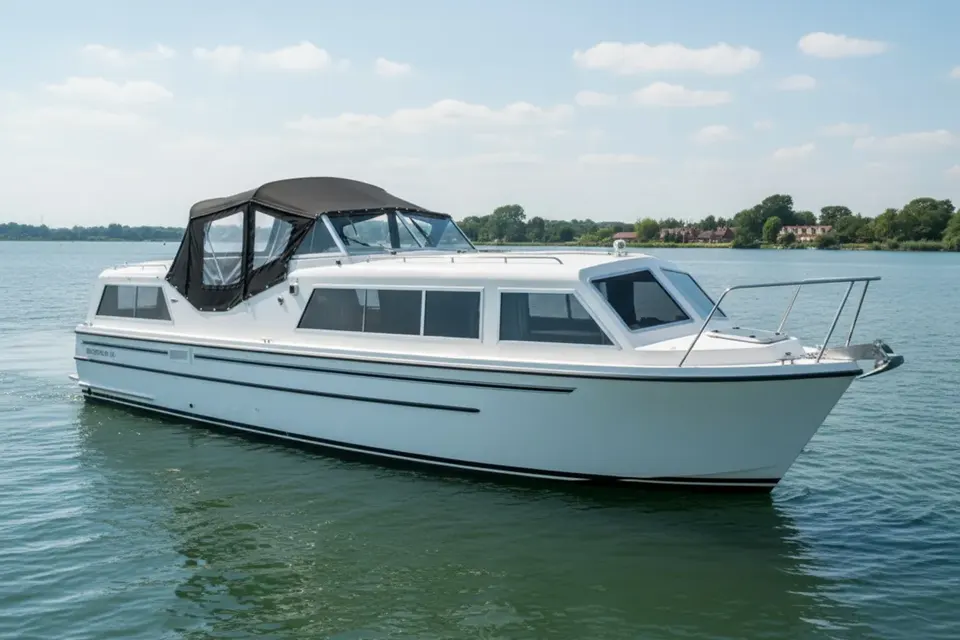
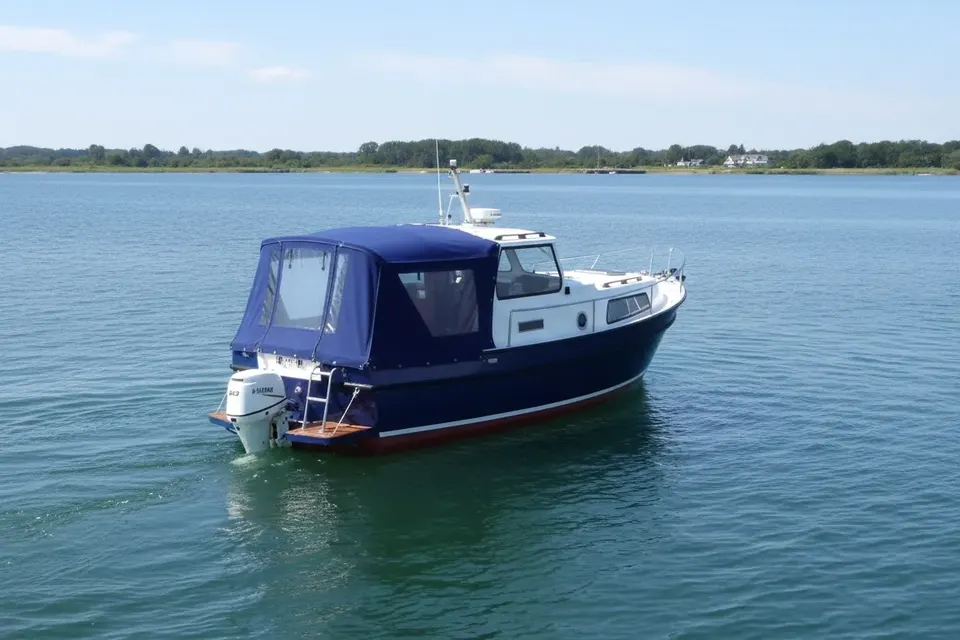
- Canopies/Biminis: While not storage covers, these provide crucial sun and rain protection while the boat is in use, allowing for comfortable enjoyment of the cockpit in varied Liverpool weather. They are often complemented by removable side curtains for a full enclosure.
River Boats
While the Mersey is tidal, many river boats and narrowboats connect to the extensive inland waterway network that eventually leads to or through Liverpool. These vessels have their own distinct cover needs.
- UK Boat Covers makes covers for specific areas, including cockpit and tonneau covers, cratch covers and replacement canopy canvas. We do not make whole-boat or winter-storage covers, or supply or install supporting framework. Tell us which area needs covering before requesting a quote.
- Cratch Covers: (For narrowboat-style river boats) These covers enclose the bow area, creating an additional, sheltered space, particularly useful in the cooler UK climate.
- Tonneau Covers: For open cockpits on day river boats, these are essential to keep out rain, leaves, and debris, maintaining a clean and dry interior.
Day Cruisers
Often characterised by open or semi-open cockpits, day cruisers are built for shorter, recreational trips. Their exposure to the elements demands effective, easy-to-use covers.
- Tonneau Covers: Absolutely critical for day cruisers, these covers protect the open cockpit area from rain, sun, bird droppings, and debris when the boat is moored or stored. They are designed for quick deployment and removal.
- Full Covers: For extended storage, particularly over winter, a full cover offers comprehensive protection for the entire vessel, including the hull sides down to the waterline, preserving the gelcoat and interior.
- Console Covers: For boats with open helm stations, a dedicated console cover protects instruments, steering wheels, and electronic equipment from UV, rain, and salt.
Fishing Boats
Practical and often rugged, fishing boats range from open dories to cuddy cabins. Their working nature means they are frequently exposed to harsh conditions, and their covers need to be equally robust.
- Console Covers: As with day cruisers, protecting the electronics and controls at the helm is vital for open fishing boats.
- Cuddy Cabin Covers: For vessels with small enclosed areas, a cover for the cuddy opening can prevent water ingress and protect the interior.
- Full Covers: When not in use, especially during the off-season, a full cover protects the entire fishing boat, including deck equipment, from the corrosive and damaging effects of the Liverpool environment.
- Canopies/Biminis: While fishing, a simple canopy can provide much-needed shelter from rain or sun, allowing longer, more comfortable trips.
The Fabric of Protection: Understanding Different Cover Types
The term "boat cover" encompasses a variety of designs, each serving a specific purpose and offering different levels of protection. For Liverpool's diverse fleet, a combination of these might be necessary.
Canvas Covers (All-Over/Winter Covers)
These are the heavy-duty, comprehensive protectors. Typically made from robust, high-performance canvas fabrics (e.g., solution-dyed acrylics or coated polyesters), they are designed to cover the entire vessel, from the bow to the stern, and often down to the waterline.
- Purpose: To provide ultimate protection during long-term storage, winterisation, or periods of inactivity. They shield the boat from all environmental aggressors: UV, rain, snow, ice, salt, wind-borne debris, and bird droppings.
- Key Features: Must be breathable to prevent mildew, completely waterproof, UV-resistant, and highly durable. They often incorporate vents, reinforced stress points, and robust tie-down systems.
- Importance in Liverpool: Given the prolonged damp, windy, and often cold winters, a high-quality, breathable canvas winter cover is paramount for preserving the boat's condition and reducing spring commissioning work.
Canopies & Biminis
These covers are designed for use while the boat is afloat and often underway, providing shelter and comfort for those aboard.
- Purpose: Canopies offer extensive protection from sun and rain over a cockpit or seating area. Biminis are typically freestanding fabric tops supported by a frame, offering shade over a specific area.
- Materials: Lightweight, UV-resistant, and often waterproof fabrics, chosen for their ability to withstand wind pressure while offering good coverage. Frames are usually robust stainless steel or aluminium.
- Enhancing Comfort: For cabin cruisers and sailing yachts spending extended periods on the water, a well-designed canopy or bimini enhances the boating experience, providing respite from Liverpool's unpredictable weather.
Tonneau Covers
Named after the open rear compartment of early automobiles, tonneau covers are designed to protect the open cockpit area of vessels like cabin cruisers, day cruisers, and some fishing boats.
- Purpose: To keep the cockpit dry, clean, and free from debris when the boat is moored or not in use. They offer excellent protection against rain, UV, dust, and bird droppings, and provide a degree of security.
- Features: Custom-fitted for a snug, taut appearance, often attaching with snaps, turn-button fasteners, or bungee cords. They are usually made from durable, waterproof, and UV-resistant fabrics.
- Efficiency: Easy to put on and take off, making them ideal for daily use or short-term storage in Liverpool's variable climate.
Spray Hoods
Specifically designed for sailing yachts, spray hoods are mounted over the companionway to protect the cockpit and cabin entrance.
- Purpose: To shield the crew from spray, wind, and rain, particularly when sailing upwind or in choppy conditions. They also provide some weather protection for the cabin entrance when moored.
- Features: Incorporate clear windows for visibility, a sturdy stainless steel or aluminium frame, and durable, waterproof, UV-resistant fabric. They often have grab rails for safety.
- Safety and Comfort: For sailing enthusiasts on the Mersey and Irish Sea, a functional spray hood significantly enhances comfort and safety, making sailing in challenging conditions more manageable.
Liverpool's Boating Hubs: Marina Life and Cover Considerations
Liverpool's maritime infrastructure has evolved dramatically, from its historic docks to modern marinas. The Liverpool Marina, situated within the historic dock system, offers a sheltered and secure environment for a wide range of vessels. Other areas like the Albert Dock and the broader River Mersey itself also see significant boating activity.
For vessels moored in these locations, even within the relative shelter of a marina, the proximity to the open sea means they are still subject to significant salt spray and coastal winds. While the enclosed nature of the docks might offer some respite from the very worst of the open sea swell, the air remains charged with salt, and wind funnels can still generate considerable force.
Therefore, whether a vessel is in a well-sheltered berth at Liverpool Marina or on a more exposed pontoon, the need for robust covers remains constant. Crucially, covers in these environments must be extremely well-fitted to prevent wind-chatter (where loose fabric rubs against the boat, causing abrasion) and must be securely fastened to withstand unexpected gusts. Proper ventilation, even for full covers, is essential to combat the pervasive dampness.
The UK Boat Covers Advantage: A Tailored Solution for Liverpool's Boaters
For Liverpool's discerning boat owners, generic, off-the-shelf boat covers simply won't suffice. The unique demands of the North West coastal environment, combined with the specific dimensions and nuances of each boat type, necessitate a bespoke approach. This is where specialist providers like UK Boat Covers offer a distinct advantage, combining expertise with unparalleled convenience and value.
Precision and Custom Fit: The Cornerstone of Effective Protection
The effectiveness of any boat cover hinges entirely on its fit. A loose cover will flap in the wind, causing abrasion and tearing; a cover that's too tight will be impossible to install or place undue stress on fastenings. A custom-made cover from UK Boat Covers ensures a perfect, snug fit, taking into account every curve, cleat, and cabin detail of your specific vessel. This precision maximises protection, prevents damage from chafing, and provides a sleek, professional appearance that complements your boat.
UK Boat Covers understands that every sailing yacht, cabin cruiser, river boat, day cruiser, or fishing boat has its own character and dimensions. Their approach ensures that whether you need a new spray hood for your yacht, a tonneau cover for your day cruiser, or a full winter cover for your cabin cruiser, it will be manufactured to the exact specifications required to combat Liverpool's unique weather challenges.
The Revolutionary postal service with agreed dispatch timing: From Old to New with Unmatched Convenience
One of the most significant innovations offered by UK Boat Covers, particularly beneficial for boat owners across the UK including Liverpool, is their unique postal service with agreed dispatch timing. This service streamlines the replacement process, removing the traditional headaches associated with obtaining custom covers.
The process is remarkably simple and efficient:
- You Send Your Old Cover: Instead of the need for an on-site measurement or sending detailed schematics, you simply post your existing, old boat cover (whether it's a canvas cover, canopy, tonneau cover, or spray hood) to UK Boat Covers.
- Expert Replication: Their skilled craftsmen use your old cover as a precise template. This ensures an absolutely identical fit, guaranteeing that the new cover will integrate seamlessly with your boat's existing fixtures and dimensions. Any specific modifications, reinforcement areas, or unique features of your original cover are faithfully replicated.
- Manufacturing and Dispatch: Within an impressive an agreed dispatch timeframe timeframe from receiving your old cover, a brand-new, high-quality cover is manufactured using superior materials, ready to withstand the rigours of Liverpool's climate.
- New Cover Delivered: Your custom-made cover is then dispatched directly back to you, ready for immediate installation.
The benefits of this service for Liverpool's boat owners are multifaceted:
- Unrivalled Convenience: No need for inconvenient boat visits for measurements, no complicated forms, and no guesswork. The process is entirely off-site, saving valuable time and effort.
- Fit subject to assessment: By using the original cover as a template, there's no risk of mismeasurement or an ill-fitting replacement. You're assured of a perfect fit every time.
- Speed and Efficiency: A dispatch timing agreed before ordering means minimal downtime for your vessel and swift protection against the elements, particularly important if your old cover has failed unexpectedly.
- Cost-Effectiveness: Eliminating the need for on-site visits and complex measurement processes often translates into more competitive pricing.
- Ideal for Distance: For boat owners in Liverpool, who might be far from specialist cover manufacturers, this postal service makes accessing custom, high-quality covers straightforward and hassle-free.
The No VAT Pricing Advantage: Direct Savings for Liverpool's Boaters
In an era where every saving counts, UK Boat Covers offers a compelling financial advantage: no VAT pricing. For customers within the UK, this means the price you see is the price you pay, free from the additional 20% charge that many other suppliers must legally levy as VAT-registered businesses.
This isn't a discount; it's a fundamental difference in their pricing structure, likely due to operating below the VAT threshold or through other accounting efficiencies. The direct benefit to Liverpool's boat owners is substantial: a genuinely lower net price for custom-made, high-quality boat covers. This translates directly into significant savings, making premium protection more accessible without compromising on material quality or craftsmanship. When investing in essential boat protection, clear pricing, allowing boat owners to allocate more resources to other aspects of their vessel's care or their enjoyment of the water.
Conclusion: Investing in Protection, Preserving the Passion
For the custodians of Liverpool's diverse fleet – from the elegant sailing yachts to the robust fishing boats, the comfortable cabin cruisers, and the versatile day cruisers – the choice of boat cover is not merely a practical decision; it is an investment in the longevity, beauty, and enduring value of their vessel. The unique maritime climate of the North West, with its relentless salt spray, powerful coastal winds, pervasive UV radiation, and persistent dampness, demands nothing less than superior protection.
Custom-made canvas covers, canopies, tonneau covers, and spray hoods are the frontline defence against these forces of nature. They are the unseen guardians that stand watch, silently preserving the gelcoat, safeguarding the rigging, protecting the delicate interiors, and ensuring that each vessel remains a source of pride and enjoyment for years to come.
With the innovative postal service with agreed dispatch timing and the transparent no VAT pricing advantage offered by specialists like UK Boat Covers, obtaining this essential protection has never been more convenient or cost-effective for Liverpool's boating community. By choosing a custom-fitted, high-quality cover, boat owners are not just buying a piece of fabric; they are investing in peace of mind, reduced maintenance, enhanced security, and the sustained joy of their passion on the storied waters of the Mersey and the Irish Sea. Protect your vessel today, and continue to sail, cruise, and fish with confidence, knowing your boat is shielded by the very best.