Guardians of the Mersey: Protecting Widnes’s Beloved Vessels from the Coastal Gauntlet
The town of Widnes, nestled on the northern bank of the mighty River Mersey in the North West of the UK, holds a unique and often underestimated position in the maritime world. While perhaps not a bustling seaside resort, its strategic location on this tidal river, which flows directly into the Irish Sea, places its boating community squarely within the embrace of challenging coastal conditions. For the dedicated owners of cabin cruisers, river boats, sailing yachts, day cruisers, and fishing boats that ply these waters, the dream of tranquil voyages and exhilarating escapades is often juxtaposed with the harsh realities of a coastal environment. From the relentless assault of salt spray to the insidious creep of UV degradation and the raw power of coastal winds, Widnes’s vessels face a constant battle against the elements. It is precisely in this demanding arena that the humble boat cover transcends its simple appearance, emerging as an indispensable guardian – a vital layer of protection that safeguards investment, preserves beauty, and extends the life of these cherished craft.
At the heart of preserving Widnes's diverse fleet lies the expertise of specialists like UK Boat Covers. Understanding the specific trials endured by boats in this particular stretch of the UK coastline, they offer bespoke solutions crafted from high-quality canvas, designed to meet the exact requirements of each vessel. More than just a piece of fabric, a professionally designed and fitted cover, canopy, tonneau cover, or spray hood is an essential piece of equipment, ensuring that every time a boater from Widnes sets out, their vessel is as ready and resilient as the river itself.
Widnes: A Unique Maritime Landscape
Widnes, part of the borough of Halton, sits at a crucial juncture of the River Mersey. It is a place where industrial heritage meets the natural ebb and flow of a major tidal estuary. While the town itself is historically more associated with industry and transport infrastructure, its position on the Mersey means it is intrinsically linked to the sea. Boaters in Widnes are not merely navigating a river; they are interacting with a dynamic, coastal-influenced waterway. The Mersey is a conduit, channeling the power, salt, and weather patterns of the Irish Sea deep inland. This unique geographical context defines the challenges and dictates the protective measures required for any vessel calling Widnes home, or regularly cruising its adjacent waters.
The river here is wide, often turbulent, and subject to significant tidal ranges. It provides access to Liverpool Bay and beyond, making it a gateway for both leisure and professional mariners. This connectivity means that boats berthed or operated from Widnes are exposed to the same fundamental coastal weather challenges as vessels moored directly on the open coast, albeit sometimes with slightly moderated wind fetch or wave action. The saline environment, the frequent wind and rain, and the often-deceptive UV radiation are all constant factors.
The Unforgiving Elements: Widnes's Maritime Weather Challenges
The maritime climate of the North West of England is renowned for its variability and intensity, and Widnes is no exception. Boaters here face a persistent barrage of environmental threats, each capable of inflicting significant damage if left unchecked.
The Corrosive Caress of Salt Spray
Perhaps the most iconic and insidious adversary for any coastal vessel is salt spray. While Widnes is inland from the immediate coastline, the strong prevailing westerly and south-westerly winds from the Irish Sea carry a fine mist of saltwater particles far up the Mersey Estuary. This microscopic, yet relentless, assault affects every exposed surface of a boat.
- Corrosion: Metals are particularly vulnerable. Stainless steel, aluminium, and brass, while chosen for their marine properties, will still oxidise and corrode over time when continually exposed to salt. Deck fittings, stanchions, cleat, and railings can develop pitting, rust, and a dull, oxidised finish. Electrical connections and wiring, even when housed, are at risk from penetrating salt moisture, leading to intermittent faults or complete failure.
- Fabric Degradation: Canvas and other synthetic fabrics used for covers, cushions, and internal upholstery can suffer. Salt crystals, once deposited, can abrade fibres, leading to premature wear and tear. They also attract moisture, creating a damp environment conducive to mildew growth.
- Gelcoat and Paint Damage: The abrasive action of salt crystals, coupled with the chemical reactions they instigate, can dull gelcoat finishes, making them chalky and porous. Paintwork can blister, peel, and fade, compromising the boat’s aesthetic appeal and protective barrier.
- Wood Rot: For wooden elements, salt spray accelerates the absorption of moisture, creating perfect conditions for rot and fungal growth if not meticulously maintained and protected. Even teak decks, prized for their durability, will age prematurely without adequate shielding.
The Relentless Force of Coastal Winds
The North West is no stranger to strong winds, and the open expanse of the Mersey Estuary can act as a funnel, amplifying their force. Coastal winds present a multi-faceted threat to moored boats.
- Chafing and Abrasion: Wind causes a boat to constantly shift and rub against fenders, dock lines, and mooring points. This constant friction leads to wear on ropes and lines, and can damage hull sides or deck edges. Even well-secured covers can chafe against the boat’s structure if not properly tensioned and fitted.
- Structural Stress: Prolonged exposure to high winds places considerable stress on a boat’s mooring systems, cleats, and deck fittings. Repeated buffeting can loosen fixtures, and in extreme cases, even damage the hull or superstructure.
- Debris Impact: Winds whip up all manner of airborne debris – leaves, twigs, grit, dust, and even plastic detritus from the river or land. This debris can scratch surfaces, clog drains, and accumulate in crevices, contributing to dirt and potential blockages. Strong gusts can even dislodge unsecured items from a boat, sending them crashing into the water or onto other vessels.
- Wave Generation: Even within the relatively sheltered confines of the Mersey, strong winds can whip up a choppy swell, causing boats to rock and strain at their moorings, further exacerbating chafing and stress.
The Silent Scourge: UV Exposure
It’s a common misconception that the UK’s often-overcast skies preclude significant UV damage. This is far from the truth. Even on cloudy days, a substantial percentage of harmful ultraviolet radiation penetrates the atmosphere. For boats in Widnes, year-round UV exposure is a significant concern.
- Fading and Discolouration: UV rays are notorious for fading colours in fabrics, gelcoat, and paintwork. What once was a vibrant blue or red can quickly become a washed-out shadow of its former self. This is particularly noticeable on canvas covers, upholstery, and coloured hull stripes.
- Material Degradation: Beyond aesthetics, UV radiation actively breaks down the chemical bonds in many materials. Plastics become brittle and crack, leading to the failure of fittings, hatches, or protective coatings. Vinyl upholstery becomes stiff and prone to tearing. Rubber seals and hoses degrade, losing their elasticity and sealing capabilities.
- Fabric Weakening: Marine-grade canvas, while designed for durability, will eventually succumb to UV exposure. Fibres weaken, leading to tears, rips, and premature failure of the cover itself. Stitching, often made from UV-resistant thread, is still a weak point if the fabric around it degrades.
- Gelcoat Chalking: Prolonged UV exposure causes the resin in gelcoat to break down, leaving behind a powdery, chalky residue. This not only looks unsightly but also reduces the gelcoat’s protective qualities, making the surface more porous and susceptible to staining and water ingress.
The Pervasive Threat of Rain and Damp
The North West of England is famed for its rainfall, and Widnes is no stranger to persistent drizzle and torrential downpours. Water, while essential for buoyancy, is a constant threat when it enters the wrong places.
- Interior Damage: Uncovered cockpits and cabins are direct recipients of rainwater. This can damage upholstery, electronics, wooden interiors, and flooring. Constant dampness leads to musty odours, mildew, and mould growth, which are difficult and costly to eradicate.
- Corrosion Acceleration: Rainwater, when mixed with airborne pollutants or trapped in crevices, can accelerate corrosion processes, especially when salt is already present.
- Algae and Mildew Growth: Persistent dampness on exterior surfaces creates an ideal breeding ground for algae, moss, and mildew. These not only look unsightly but can also cause staining and, in some cases, damage to surfaces over time. They also make decks slippery and hazardous.
- Drainage Issues: Leaves and debris carried by wind and rain can clog scuppers and drains, leading to water pooling on decks or in cockpits, further exacerbating damp problems and increasing the risk of water ingress.
Beyond the Horizon: Why Boat Covers are Essential for Coastal Environments
Given the comprehensive nature of the environmental threats faced by Widnes’s boats, the necessity of high-quality boat covers becomes strikingly clear. They are not an optional luxury but a fundamental component of responsible boat ownership in a coastal-influenced area.
Comprehensive Protection: A Shield Against All Ills
A well-fitted boat cover acts as the primary line of defence against all the aforementioned challenges. It creates a physical barrier that:
- Blocks Salt Spray: Preventing salt crystals from landing on and corroding surfaces.
- Deflects Wind-borne Debris: Keeping dust, leaves, bird droppings, and other detritus off the boat.
- Filters UV Radiation: Significantly reducing the exposure of gelcoat, fabrics, and plastics to harmful rays.
- Repels Rainwater: Directing water away from critical areas, preventing pooling and ingress into the interior.
Preservation of Value & Aesthetics: Keeping Your Investment Pristine
A boat is a significant investment, both financially and emotionally. Protecting its appearance and structural integrity is paramount to maintaining its value. A quality cover ensures:
- Maintained Appearance: By preventing fading, chalking, and staining, the boat retains its vibrant colours and smooth finish, looking newer for longer.
- Higher Resale Value: A well-maintained boat with an immaculate interior and exterior commands a better price on the second-hand market. Potential buyers instantly recognise a boat that has been cared for.
- Preventing Premature Ageing: The effects of weather exposure can make a boat look years older than it is. Covers effectively slow down this ageing process.
Reduced Maintenance & Cleaning: More Time for Boating, Less for Chores
Every boater prefers spending time on the water rather than scrubbing off grime. Covers significantly reduce the frequency and intensity of cleaning required.
- Less Grime and Dirt: Prevents airborne pollutants, dust, and industrial residue from settling on surfaces.
- No Bird Droppings: A major headache for many boaters, bird droppings are acidic and can quickly stain or damage surfaces if left. Covers eliminate this problem.
- Prevents Leaf and Debris Accumulation: Keeps decks and cockpits free of organic matter that can clog drains, stain surfaces, and promote mildew.
- Reduced Washing: With a cover in place, a quick rinse is often all that’s needed before heading out, rather than a full wash-down.
Extended Lifespan: Longevity Through Protection
Ultimately, the goal of a boat cover is to extend the life of the vessel and its components. By shielding the boat from the relentless elements, covers prevent degradation of:
- Hull and Deck Materials: Protecting gelcoat, paint, and fibreglass from environmental wear.
- Upholstery and Interior Finishes: Preventing sun fading, moisture damage, and mildew in cabins and cockpits.
- Electrical Systems: Reducing the risk of corrosion in wiring and electronics caused by salt and moisture.
- Deck Hardware: Protecting cleats, winches, stanchions, and other metal fittings from corrosion and UV damage.
Interior Protection: A Sanctuary from the Storm
For cabin cruisers, sailing yachts, and other boats with enclosed spaces, interior protection is critical.
- Preventing Sun Damage to Fabrics: Interior upholstery, curtains, and carpets can fade dramatically from sun exposure through windows and hatches. Covers, especially those that extend over windows, prevent this.
- Moisture Control: A dry interior prevents the growth of mould and mildew, eliminating musty odours and protecting fabrics, wood, and electronics.
- Temperature Regulation: In summer, a cover can help reflect sunlight, keeping the interior cooler. In winter, it can offer a slight insulating effect, reducing condensation.
Security (Passive): A Deterrent Against Opportunism
While not a primary security device, a cover does offer a level of passive security.
- Concealment: It conceals valuable items within the cockpit or cabin, making the boat less appealing to opportunistic thieves. Out of sight, out of mind.
- Physical Barrier: It adds an extra layer of difficulty for anyone attempting to gain access, buying precious time and potentially deterring casual vandalism.
A Fleet Afloat: Popular Boat Types at Widnes and Their Cover Needs
The maritime community around Widnes is diverse, reflecting the varied interests of those who seek solace and adventure on the Mersey and beyond. Each type of vessel, from the substantial cabin cruiser to the nimble fishing boat, has specific protection requirements.
Cabin Cruisers: The Floating Homes of Widnes
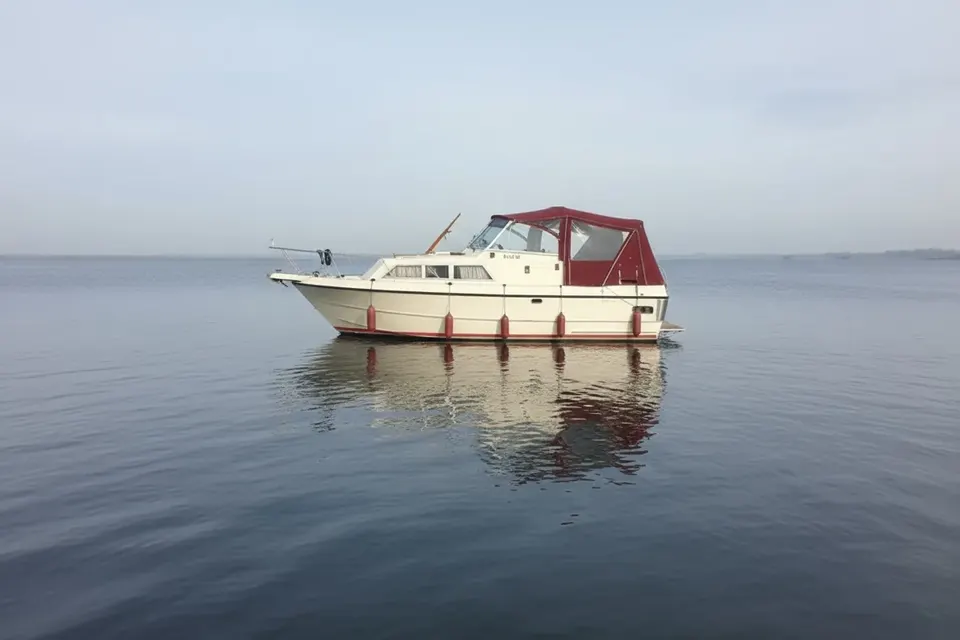
Widnes is particularly known for its cabin cruisers – vessels designed with comfortable accommodation for extended stays. These boats represent a significant investment and are often cherished as second homes on the water. Their cover needs are extensive:
- Full Mooring Covers: Essential for protecting the entire superstructure, including the deck, cockpit, and cabin top, from the elements during periods of storage or mooring. These covers need to be robust, breathable, and perfectly fitted to shed water effectively.
- Cockpit Covers: For boats with open or partially enclosed cockpits, a dedicated cockpit cover is vital. It protects valuable electronics, upholstery, and the steering station from rain, sun, and bird droppings, ensuring the area is clean and dry for immediate use.
- Canopies: Providing overhead shelter, canopies are crucial for extending the usable space of a cabin cruiser. They offer shade from the sun and protection from rain, allowing owners to enjoy their cockpit regardless of the weather. These can be fixed or collapsible, often integrating with existing framework.
- Spray Hoods: Positioned forward of the helm, spray hoods offer crucial protection for the helmsman and crew from wind, spray, and rain, improving comfort and visibility, especially when navigating the often-choppy Mersey. They also protect instruments at the helm station.
River Boats: Navigating the Mersey's Flow
While some river boats might be entirely enclosed, many have open areas or simply need robust protection when berthed. These vessels, often designed for shallower drafts and riverine conditions, still face the full force of coastal weather once exposed to the Mersey.
- UK Boat Covers makes covers for specific areas, including cockpit and tonneau covers, cratch covers and replacement canopy canvas. We do not make whole-boat or winter-storage covers, or supply or install supporting framework. Tell us which area needs covering before requesting a quote.
- Tonneau Covers: Perfect for covering open cockpits or specific deck sections, keeping them clean and dry. They are often lightweight and easy to deploy.
Sailing Yachts: Grace and Vulnerability
Sailing yachts, with their intricate rigging, delicate sails, and expansive deck areas, are particularly vulnerable to the elements. Their exposed nature demands comprehensive protection.
- Cockpit Covers: Essential for protecting the usually open cockpit from water ingress, UV damage to seating, and bird droppings.
- Boom Covers/Stack Packs: While primarily protecting the mainsail from UV and chafe, a well-designed boom cover also helps shed water from the boom area, reducing moisture ingress.
- Spray Hoods: A sailing yacht's spray hood is arguably even more critical than on a cruiser. It protects the helmsperson and crew from waves breaking over the bow and provides shelter from wind and rain, which is vital during longer voyages or in adverse conditions. It also protects navigation electronics mounted at the helm.
- Deck Covers: Some larger yachts benefit from full deck covers to protect teak decks, skylights, and hatches from UV and general wear.
Day Cruisers: Fun in the Sun, Protection for the Rest
Day cruisers are typically smaller vessels designed for single-day outings, often with open cockpits and limited cabin space. Their exposed nature makes covers absolutely essential for their longevity.
- Full Mooring/Storage Covers: These are non-negotiable for day cruisers, protecting the entire boat from bow to stern when not in use. They prevent water accumulation, sun damage to interiors, and keep the boat ready for the next adventure.
- Tonneau Covers: An excellent solution for quickly covering the open cockpit area, providing protection against rain and UV in a more streamlined fashion than a full cover.
Fishing Boats: Hardy but Not Immune
Fishing boats, whether small open craft or larger cabin versions, are workhorses built for resilience. However, their robust nature does not negate the need for protection. Exposed electronics, deck surfaces, and open areas are still susceptible to damage.
- UK Boat Covers makes covers for specific areas, including cockpit and tonneau covers, cratch covers and replacement canopy canvas. We do not make whole-boat or winter-storage covers, or supply or install supporting framework. Tell us which area needs covering before requesting a quote.
- Console Covers: For boats with central consoles, dedicated covers protect instruments, throttles, and steering mechanisms from UV and moisture.
- Tonneau Covers: Useful for covering specific areas like the main cockpit or bait-prep stations, keeping them clean and ready.
Navigating the Local Waters: Marina and Harbor Information for Widnes Boaters
While Widnes itself is more of an industrial hub on the Mersey, its enthusiastic boating community primarily utilizes nearby marinas and berthing facilities that offer access to the river and ultimately, the sea. Boaters from Widnes might berth their vessels at facilities further downriver towards Liverpool, or across on the Wirral, or even in coastal marinas slightly further afield in North Wales or Lancashire, all while still operating their boats within the Mersey Estuary’s influence.
Wherever a Widnes boater chooses to berth – be it a bustling marina with extensive services, a more secluded yacht club on a tributary, or a private mooring – the underlying environmental challenges remain consistent. The salt-laden winds, the unpredictable rainfall, and the relentless UV exposure are pervasive. These marinas, while offering shelter from direct open sea conditions, still expose vessels to the full gamut of coastal weather. Therefore, the need for robust, custom-fitted boat covers transcends the specific mooring location; it’s a universal requirement for anyone boating in this coastal-influenced region. The peace of mind that comes from knowing a vessel is fully protected, whether moored at Liverpool Marina, a smaller club further upriver, or even temporarily alongside a private jetty near Widnes, is invaluable.
The UK Boat Covers Advantage: Tailored Solutions for Widnes
In the demanding environment of the Mersey Estuary, off-the-shelf, generic boat covers are rarely adequate. They seldom fit perfectly, leading to pooling water, chafing, and premature wear. This is where the specialist services of UK Boat Covers truly shine, offering bespoke solutions perfectly suited to the unique needs of Widnes’s boating community.
Precision Fit: The Hallmark of Superior Protection
The cornerstone of an effective boat cover is a precision fit. UK Boat Covers understands that every boat, even within the same model, can have subtle variations due to modifications or manufacturing tolerances. Their approach is entirely custom:
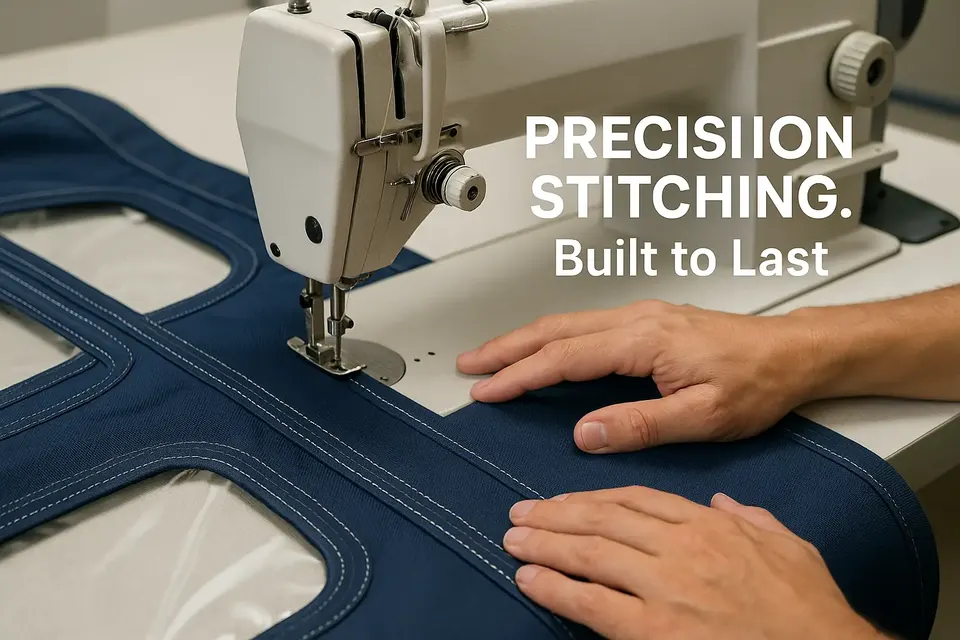
- Custom Templates: Unlike mass-produced covers, UK Boat Covers crafts each new cover using the old one as a precise template. This ensures that every curve, every attachment point, and every seam aligns perfectly with the boat’s unique contours. This eliminates slack areas where water can pool, and tight spots that can cause undue stress and tearing.
- Optimised Design: A custom cover is designed not just to fit, but to perform. It considers critical aspects like water shedding, ventilation to prevent mildew, and ease of installation and removal.
High-Quality Marine-Grade Canvas: Built to Endure
The choice of material is as crucial as the fit. UK Boat Covers utilises only high-quality, marine-grade canvas, specifically engineered to withstand the rigours of coastal environments:
- Durability: These fabrics are robust, resistant to tearing, and designed for a long service life.
- UV Resistance: Specially treated to resist degradation from ultraviolet radiation, ensuring the cover itself lasts for years while protecting the boat beneath.
- Water Repellency & Breathability: While shedding water effectively, marine canvas also allows for air circulation, preventing moisture buildup and condensation which can lead to mildew and rot.
- Colour Stability: Maintains its aesthetic appeal over time, resisting fading even in prolonged sun exposure.
Canopies: Extending Your Boating Lifestyle
Canopies are not just covers; they are extensions of a boat’s living space. UK Boat Covers designs and manufactures custom canopies that integrate seamlessly with the existing structure of cabin cruisers and sailing yachts. These provide:
- Sun Protection: Crucial for comfort on sunny days, offering shade and preventing sunburn.
- Rain Shelter: Allowing boaters to continue enjoying the cockpit even during a sudden shower, a common occurrence in the North West.
- Enhanced Comfort: Creating a more versatile and comfortable environment for dining, socialising, or simply relaxing onboard.
Tonneau Covers: Streamlined Protection for Open Spaces
For open cockpits, whether on a day cruiser, a fishing boat, or the aft section of a cabin cruiser, tonneau covers offer a sleek and practical solution.
- Quick Deployment: Easy to install and remove, making them ideal for daily use or short-term mooring.
- Targeted Protection: Specifically designed to cover critical open areas, safeguarding upholstery, instruments, and interior finishes from rain, UV, and debris.
- Neat Appearance: A well-fitted tonneau cover provides a clean, streamlined look to the boat when moored.
Spray Hoods: Comfort and Visibility at the Helm
For both cabin cruisers and sailing yachts, a spray hood is a game-changer. UK Boat Covers’ custom spray hoods are designed for maximum effectiveness:
- Protection from Elements: Shielding the helmsman and crew from wind, sea spray, and rain, improving comfort, especially in adverse conditions.
- Enhanced Visibility: Designed to offer protection without compromising crucial lines of sight for safe navigation on the Mersey.
- Instrument Protection: Safeguarding valuable navigation electronics mounted at the helm from moisture and UV damage.
- Durability: Constructed from the same high-quality marine canvas as other covers, ensuring longevity and performance.
The Revolutionary postal service with agreed dispatch timing: Efficiency Redefined
One of UK Boat Covers’ standout advantages for the Widnes boating community is their highly efficient postal service with agreed dispatch timing. This innovative system streamlines the entire process, making it incredibly convenient for boat owners:
- Send Your Old Cover: The customer simply sends their existing boat cover to UK Boat Covers. This old cover serves as the perfect template, ensuring the new one will be an exact, precision fit. This eliminates the need for on-site measurements, saving time and travel costs.
- Expert Craftsmanship: Upon receipt, UK Boat Covers’ skilled craftspeople meticulously use the old cover to create a pattern. They then cut and sew a brand-new cover from their high-quality marine-grade canvas, incorporating all the necessary reinforcements, fittings, and design improvements.
- Receive Your New Cover according to the agreed schedule: Within just an agreed dispatch timeframe of receiving the old cover, the brand-new, custom-fitted replacement is dispatched back to the customer. This rapid turnaround minimises the time a boat is left exposed, ensuring continuous protection.
This service is a testament to their commitment to customer satisfaction, combining traditional craftsmanship with modern efficiency. It’s particularly beneficial for boaters in Widnes, offering a hassle-free solution without the need for multiple trips or lengthy waiting periods.
The No VAT Pricing Advantage: Quality Protection, Unbeatable Value
Another significant benefit offered by UK Boat Covers is their pricing structure, which typically includes the advantage of no VAT. For customers, this translates into a substantial saving on what is already a premium, bespoke product.
- Direct Cost Savings: By not charging VAT, UK Boat Covers effectively offers their products at a lower price point compared to VAT-registered competitors, making high-quality, custom boat covers more accessible to a wider range of boat owners in Widnes.
- Enhanced Value Proposition: This pricing advantage means boaters receive superior, tailor-made protection for their vessels without the added 20% cost, representing exceptional value for money. It allows owners to invest in the best possible care for their boats without compromising their budget.
- Supporting Local Boaters: This competitive pricing structure directly benefits the local boating community, allowing them to protect their investments effectively and affordably, contributing to the longevity and enjoyment of boating in the Widnes region.
Conclusion
The unique maritime environment of Widnes, with its tidal river leading to the vast expanse of the Irish Sea, presents a demanding challenge for even the most robust vessels. From the relentless salt spray that corrodes metals and degrades fabrics, to the powerful coastal winds that chafe and stress, and the pervasive UV radiation that fades and weakens, every aspect of a boat is under constant assault. For the proud owners of cabin cruisers, river boats, sailing yachts, day cruisers, and fishing boats that call this region home, a high-quality boat cover is not merely an accessory – it is an indispensable shield, a vital investment in the longevity, aesthetics, and overall value of their cherished craft.
UK Boat Covers stands as a beacon of expertise for the Widnes boating community. Their commitment to precision-fit, custom-made canvas covers, canopies, tonneau covers, and spray hoods, crafted from the finest marine-grade materials, ensures unparalleled protection against these harsh conditions. Coupled with their revolutionary postal service with agreed dispatch timing and the significant financial advantage of no VAT pricing, UK Boat Covers offers an unbeatable combination of convenience, quality, and value. For those navigating the waters of the Mersey, protecting your vessel with a custom-designed cover from UK Boat Covers is not just a choice; it’s a commitment to preserving your passion for the water, ensuring countless more years of enjoyment on Widnes’s unique maritime landscape.