The Unseen Sentinel: Protecting Your Coastal Craft from Tynemouth's Unyielding Embrace
Tynemouth, a jewel on the North East coast of England, stands as a testament to maritime heritage, where the formidable North Sea meets the estuary of the River Tyne. For generations, this vibrant coastal town has been a haven for seafarers, its bustling marina and historic harbour providing refuge and a launching point for countless adventures. From the sleek lines of sailing yachts gracefully navigating the waves to the sturdy composure of cabin cruisers ready for exploration, Tynemouth’s waters are teeming with vessels cherished by their owners. Yet, the very elements that define its rugged beauty – the relentless coastal winds, the pervasive salt spray, and the often-underestimated power of the sun’s UV rays – pose an existential threat to these beloved craft. This is where the unseen sentinel, the humble boat cover, transcends its role as a mere accessory to become an indispensable guardian, a vital shield against the corrosive and destructive forces of a coastal environment.
For those who call Tynemouth home, or whose nautical heart beats to the rhythm of its tides, the concept of boat protection is not a luxury, but a fundamental necessity. In this comprehensive exploration, we delve into the unique challenges presented by Tynemouth’s maritime climate, unravel why high-quality boat covers are not just essential but transformative for vessels docked along this dynamic coastline, and highlight how bespoke solutions, such as those offered by UK Boat Covers, provide unparalleled defence, precision, and value for money for Tynemouth’s discerning boat owners.
Tynemouth's Maritime Identity: A Haven on the North Sea
Nestled at the mouth of the River Tyne, Tynemouth boasts a rich tapestry of seafaring tradition. Its iconic priory and castle stand as silent witnesses to centuries of maritime activity, from Roman garrisons to Viking raids, and ultimately, to its evolution as a vibrant port and leisure destination. Today, the Tynemouth Marina and the surrounding harbour areas hum with the activity of a thriving boating community. It's a place where the scent of sea salt mingles with the cries of gulls and the gentle clinking of halyards against masts.
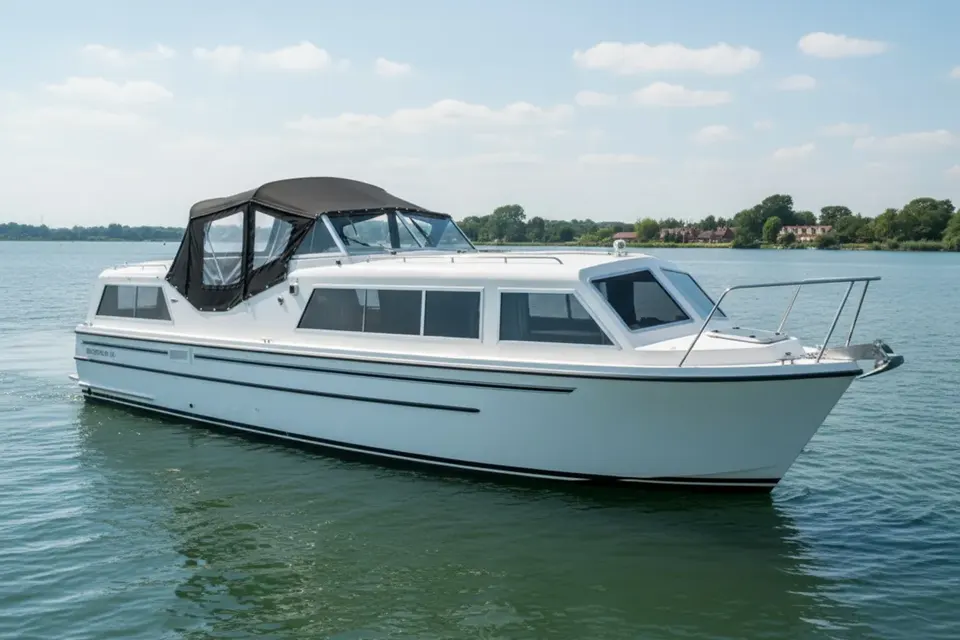
The marina itself is a hub of activity, particularly during the sailing season. Here, you’ll find a diverse array of craft, each with its own story and purpose. Elegant sailing yachts, ranging from nimble day racers to robust cruising vessels, line the pontoons, their masts reaching towards the often-dramatic Northumbrian skies. These are craft designed for harnessing the wind, their sails and rigging representing a complex interplay of engineering and artistry. Adjacent to them, cabin cruisers present a different kind of allure – stout, comfortable vessels offering shelter and amenities for longer voyages or simply leisurely days afloat. Their enclosed cabins and often spacious decks make them popular choices for families and groups looking to explore the coast.
Beyond these dominant categories, day cruisers are often seen, offering open cockpits and quick access to the water for shorter excursions. Sturdy fishing boats, whether small artisanal craft or larger, well-equipped vessels, represent the enduring connection of the region to its fishing heritage, their decks designed for practicality and resilience. And while perhaps less dominant than further upstream, one might also spot river boats, particularly those that venture out into the lower estuary, enjoying the unique transition from riverine calm to coastal dynamism.
Each of these vessel types, regardless of their primary function, shares a common vulnerability: exposure to the elements. Tynemouth’s location, directly facing the vast expanse of the North Sea, means that these elements are not merely mild inconveniences but powerful, persistent forces that demand respect and robust protection.
The Unyielding Forces of the North Sea: Tynemouth's Weather Challenges
The beauty of Tynemouth is inseparable from its climate. While glorious sunny days certainly grace this coastline, they are often interspersed with periods of profound intensity. The North Sea is renowned for its changeable and often severe conditions, and Tynemouth’s boats bear the brunt of these meteorological realities.
Coastal Winds: The Invisible Sculptor of Erosion
Tynemouth experiences some of the most persistent and potent coastal winds in the UK. Prevailing westerly and northerly winds, often funnelled and intensified along the coastline, can whip through the marina with surprising ferocity. These aren't just a nuisance; they are a constant source of stress and potential damage.
- Chafe and Abrasion: The incessant movement caused by wind-induced rocking means ropes, lines, and rigging constantly rub against gelcoat, paint, and metal fittings. Over time, this leads to unsightly chafe marks, weakening of lines, and accelerated wear on critical components. A cover acts as a buffer, reducing direct exposure and movement.
- UK Boat Covers makes covers for specific areas, including cockpit and tonneau covers, cratch covers and replacement canopy canvas. We do not make whole-boat or winter-storage covers, or supply or install supporting framework. Tell us which area needs covering before requesting a quote.
- Wind-borne Debris: The strong winds often carry grit, sand, leaves, and other detritus, which can scratch delicate surfaces, clog drains, and introduce organic matter that fosters mildew and mould. A robust cover forms an impenetrable barrier against this airborne assault.
Salt Spray: The Corrosive Kiss of the Ocean
Perhaps the most insidious threat in a coastal environment like Tynemouth is salt spray. It’s an ever-present, pervasive force, carried inland by the winds, settling on every surface. Unlike fresh water, salt water is highly corrosive, and its impact is cumulative and deeply damaging.
- Gelcoat and Paint Degradation: Salt crystals, when allowed to dry and bake onto surfaces by the sun, can etch into gelcoat and paint finishes, leading to dullness, discolouration, and eventually, breakdown of the protective layer. This exposes the underlying fibreglass or timber to further degradation.
- Metal Corrosion: Stainless steel, aluminium, and brass fittings, though marine-grade, are not immune to salt. Pitting, rust, and galvanic corrosion are accelerated in a salty environment. Stanchions, cleats, railings, and fastenings rapidly lose their shine and structural integrity.
- Fabric and Upholstery Damage: Outdoor cushions, spray hoods, and other canvas items, if left exposed, absorb salt. This can lead to brittleness, fading, and the rapid degradation of stitching and fabric fibres. Interior upholstery, even if seemingly protected within a cabin, can suffer from residual salt carried inside, leading to a gritty feel and accelerated wear.
- Electrical and Electronic Issues: While often housed within watertight compartments, salt spray can find its way into connection points, causing shorts, corrosion of terminals, and eventual failure of sensitive equipment, including navigation instruments and lighting.
- Wood Deterioration: For wooden boats or those with teak decks and trim, salt can dry out and crack varnish, infiltrate the grain, and accelerate the weathering process, requiring far more frequent maintenance.
A quality boat cover acts as the primary defence against salt ingress, preventing it from settling on and penetrating vital surfaces, significantly reducing the rate of corrosion and decay.
UV Exposure: The Silent Destroyer
While Tynemouth might not boast the Mediterranean sun, the coastal UV index can still be surprisingly high, especially during summer months. Furthermore, the reflective qualities of water can intensify UV exposure, hitting surfaces from multiple angles. Ultraviolet radiation is a silent but potent destroyer of materials.
- Fading and Discolouration: Gelcoat, painted surfaces, and especially fabrics (canopies, spray hoods, cushions) are highly susceptible to UV fading. Vibrant colours become washed out, and the aesthetic appeal of the boat diminishes rapidly.
- Material Brittleness: Plastics, rubber, and synthetic fabrics (like those used in ropes, fenders, and window seals) become brittle and weak when exposed to prolonged UV radiation. This leads to cracking, disintegration, and failure of components that should last for years.
- Varnish and Wood Breakdown: Varnish, designed to protect wood, becomes chalky and peels under UV assault, leaving the underlying timber exposed to moisture and rot.
- Interior Damage: Sun streaming through windows can fade interior upholstery, dashboards, and wooden panelling, creating uneven discolouration and reducing the overall interior appeal and value.
A UV-resistant boat cover is crucial for blocking these harmful rays, preserving the structural integrity and aesthetic vibrancy of every exposed surface, both exterior and, by extension, interior.
Rain and Moisture: The Breeding Ground for Decay
Though not explicitly mentioned, rain and persistent dampness are inherent challenges in a coastal climate like Tynemouth. The regular rainfall, combined with high humidity, creates an environment ripe for moisture-related problems.
- Mould and Mildew: Persistent dampness on deck and in interior spaces creates ideal conditions for mould and mildew growth, leading to unsightly stains, musty odours, and potential health hazards.
- Rot in Wood: For wooden components, prolonged exposure to moisture without proper ventilation or drying leads to rot, compromising structural integrity.
- Water Ingress: Even seemingly watertight hatches and windows can, over time, develop leaks. A cover provides an additional layer of defence, diverting rainfall and preventing water from pooling on deck or finding its way into cabins.
In summary, the combined assault of Tynemouth’s coastal winds, pervasive salt spray, intense UV radiation, and persistent moisture represents a formidable array of threats. Without adequate protection, a boat’s lifespan, aesthetic appeal, and value will rapidly diminish, leading to continuous, costly maintenance and repairs.
Beyond the Elements: Why Boat Covers are Indispensable for Coastal Craft
Given the litany of challenges presented by Tynemouth's environment, it becomes abundantly clear that boat covers are not an optional extra, but an indispensable component of responsible boat ownership. Their benefits extend far beyond merely keeping a boat dry or clean.
- Comprehensive Protection from Physical Damage: Beyond weather, a cover guards against accidental scratches, dings, and scuffs from marina activity, dock lines, or passing debris. It prevents bird droppings from staining surfaces and shields against falling leaves, pollen, and industrial fallout that might settle on the boat.
- Preservation of Aesthetics: A boat that is consistently covered retains its 'like-new' appearance for far longer. Gelcoat maintains its lustre, colours remain vibrant, and finishes are protected from the dulling effects of salt and sun. This isn't just about pride of ownership; it directly impacts the vessel's resale value.
- Extension of Lifespan: By shielding all exposed components – from the deck and superstructure to rigging and delicate fittings – a cover significantly reduces wear and tear. This means less premature degradation of materials, fewer stress points, and ultimately, a longer life for the entire vessel. The cost of a good cover is almost always recouped many times over in reduced maintenance and repair bills.
- Reduced Maintenance Burden: Imagine the time saved not having to scrub salt residue from every surface, polish faded gelcoat, or re-varnish weather-beaten wood every season. A cover drastically cuts down on the amount of cleaning, waxing, and detailing required, freeing up precious time for actually enjoying the boat on the water.
- Interior Sanctity: Many covers, especially those tailored for cabin cruisers, day cruisers, and sailing yachts with large cockpits, extend their protection over or into interior spaces. This prevents moisture ingress, keeps upholstery clean and dry, protects delicate electronics from condensation-related issues, and maintains the pristine condition of wooden cabins. The fresh, dry smell of an interior that has been protected by a good cover is a stark contrast to the mustiness of an exposed vessel.
- Enhanced Security (Passive Deterrent): While not a primary security device, a custom-fitted boat cover provides a valuable layer of passive security. It conceals valuable equipment and electronics from opportunistic eyes, making the boat less of a target for theft or vandalism simply because potential intruders cannot easily see what lies beneath.
- Protection of Deck Equipment: Winches, cleats, hatches, navigational instruments, and other deck hardware are all susceptible to the elements. A cover shields these critical components, preventing corrosion, UV degradation of plastic lenses, and the accumulation of dirt and grime, thus ensuring their reliable operation when needed.
For the Tynemouth boat owner, investing in a high-quality boat cover isn't merely buying a piece of fabric; it's investing in the longevity, beauty, and functional integrity of their cherished vessel, ensuring that it remains ready for adventure, season after season, despite the challenges of the North Sea.
Popular Vessels Gracing Tynemouth's Waters and Their Cover Needs
The diversity of craft found at Tynemouth means that 'one-size-fits-all' solutions for covers are rarely effective. Each vessel type presents unique shapes, features, and vulnerabilities that necessitate a tailored approach to protection.
Sailing Yachts: Elegance Demands Bespoke Protection
Sailing yachts, with their intricate rigging, numerous deck fittings, and expansive cockpits, are particularly susceptible to the elements. Their elegant lines and extensive use of textiles (sails, dodgers, spray hoods) mean they require nuanced protection.
- Boom Covers/Stack Packs: While primarily for sail protection in use, many yachts benefit from full boom covers that enclose the entire sail when furled, protecting it from UV and mildew. Stack packs integrate a lazy jack system with a cover, making sail management easy and providing immediate protection upon flaking.
- Spray Hoods & Cockpit Covers: These are vital for crew comfort while sailing, but they themselves need protection from UV and salt when the boat is moored. A separate spray hood cover can extend its life, or a full cockpit cover can encompass both the spray hood and the entire cockpit area, keeping seating, instruments, and companionway dry and clean.
- Full Winter Covers: For extended periods of lay-up, particularly over the harsh Tynemouth winter, a custom-fitted full winter cover that drapes over the entire vessel, from bow to stern, mast removed or encased, is paramount. These covers protect the hull, deck, topsides, and all deck equipment from prolonged exposure to frost, heavy rain, snow, and relentless winds. They are often designed with vents to prevent condensation while maintaining an impenetrable barrier.
Cabin Cruisers: Shielding Comfort and Complex Superstructures
Cabin cruisers, with their enclosed cabins and often spacious deck layouts, offer comfort and amenities. However, their larger superstructures, numerous windows, and often complex deck arrangements (seating, storage, helm stations) require comprehensive coverage.
- Cockpit Covers: Crucial for protecting the main outdoor living area, keeping seating, tables, and helm controls dry and clean. These often attach to the existing superstructure or canopies.
- UK Boat Covers makes covers for specific areas, including cockpit and tonneau covers, cratch covers and replacement canopy canvas. We do not make whole-boat or winter-storage covers, or supply or install supporting framework. Tell us which area needs covering before requesting a quote.
- Canopy Enclosures: Some cabin cruisers have permanent or semi-permanent canopies over their cockpits. Covers for these canopies protect the fabric from UV and mildew, and often zip or snap into place to fully enclose the cockpit, creating an additional weatherproof living space while moored.
Day Cruisers: Quick Protection for Leisure Vessels
Day cruisers are often lighter, more open vessels designed for shorter trips. Their primary need is quick, effective protection from the elements when not in use, often for just a few days or weeks at a time.
- Tonneau Covers: These are ideal for day cruisers with open cockpits. They quickly snap or clip into place, covering the entire cockpit area from the windshield back, protecting seating, helm, and internal surfaces from rain, UV, and debris. They are relatively lightweight and easy to deploy.
- UK Boat Covers makes covers for specific areas, including cockpit and tonneau covers, cratch covers and replacement canopy canvas. We do not make whole-boat or winter-storage covers, or supply or install supporting framework. Tell us which area needs covering before requesting a quote.
Fishing Boats: Durability Meets Practicality
Fishing boats, whether for leisure or commercial activity, are built for ruggedness but still benefit immensely from protection. Their decks are often designed for practicality with rod holders, fish finders, and open workspaces.
- Console Covers: Many fishing boats feature a central console with helm controls and electronics. A custom-fitted console cover protects these vital (and often expensive) components from salt spray, UV, and rain, extending their life and preventing corrosion.
- Seating Covers: Practical covers for often robust seating protect them from harsh weather, preserving their integrity and comfort.
- UK Boat Covers makes covers for specific areas, including cockpit and tonneau covers, cratch covers and replacement canopy canvas. We do not make whole-boat or winter-storage covers, or supply or install supporting framework. Tell us which area needs covering before requesting a quote.
River Boats: Adapting to the Estuary's Edge
While perhaps more common upriver, some river boats may berth closer to Tynemouth, or venture into the lower estuary. Their needs are typically focused on protection from rain, UV, and debris, with less emphasis on the intense salt spray of the open coast, though some exposure is likely.
- Canopies/Biminis with Enclosures: Many river boats feature bimini tops for sun and rain protection while cruising. Custom enclosures that zip into these canopies can create a fully protected cockpit when moored.
- UK Boat Covers makes covers for specific areas, including cockpit and tonneau covers, cratch covers and replacement canopy canvas. We do not make whole-boat or winter-storage covers, or supply or install supporting framework. Tell us which area needs covering before requesting a quote.
In essence, for each type of vessel found in Tynemouth's marina and harbour, a thoughtfully designed and precisely manufactured cover is not merely an accessory; it is a critical investment in its preservation, functionality, and enduring beauty.
The Anatomy of Protection: Understanding Boat Cover Types
The term "boat cover" encompasses a variety of designs and materials, each serving a specific purpose. For the challenging Tynemouth environment, understanding these distinctions is key to choosing the right protection.
Canvas Covers (General Term for Fabric Covers)
When we talk about "canvas covers" in modern boat protection, we're generally referring to high-performance marine fabrics, often acrylic or polyester-based, rather than traditional cotton canvas. These materials are engineered to withstand the rigours of the marine environment.
- UK Boat Covers makes covers for specific areas, including cockpit and tonneau covers, cratch covers and replacement canopy canvas. We do not make whole-boat or winter-storage covers, or supply or install supporting framework. Tell us which area needs covering before requesting a quote.
- Polyester/Vinyl-Coated Polyester: These fabrics offer excellent water resistance due to their coatings. Polyester is strong and dimensionally stable. Vinyl-coated options are highly waterproof and often used for heavy-duty covers or where maximum water shedding is required. While sometimes less breathable than acrylics, advancements in venting systems mitigate this. They are often more cost-effective.
- Custom vs. Semi-Custom: A custom canvas cover is made specifically for your boat, taking into account every curve, fitting, and dimension. This ensures a perfect, snug fit, preventing chafing, flapping in the wind, and water pooling. Semi-custom covers are designed to fit a range of similar boat models, offering a good fit but rarely the precision of a fully bespoke option. For Tynemouth's harsh conditions, custom is almost always the superior choice.
Canopies: Overhead Protection and Enclosure
"Canopy" can refer to several types of overhead structures, from simple sunshades to full cockpit enclosures. When speaking of covers, it often implies a protective fabric structure.
- Bimini Tops: While primarily for sunshade while on the water, many biminis are designed to be covered when not in use, protecting their fabric from UV and dirt. More pertinently, the ability to add side and aft curtains to a bimini converts it into a full cockpit enclosure, creating a protected living or storage space. These enclosures are invaluable for cabin cruisers and larger day cruisers, allowing the cockpit to be used in inclement weather or fully protected when moored. The covers for these enclosures must be meticulously fitted to prevent leaks and flapping.
- Fixed Canopies/Hardtops: Some cabin cruisers and fishing boats have permanent hardtops or fixed canopies. Even these can benefit from custom covers that protect their finish, reduce UV degradation of plastic windows, and prevent dirt accumulation.
Tonneau Covers: Streamlined Cockpit Protection
Tonneau covers are a specific type of cockpit cover, typically used on open boats like day cruisers, open fishing boats, or even smaller cabin cruisers.
- Design and Function: They are designed to fit snugly over the open cockpit area, usually from the windshield back, attaching with snaps, press studs, or bungee cords. Their primary purpose is to keep the cockpit dry, clean, and protected from UV when the boat is moored or stored.
- UK Boat Covers makes covers for specific areas, including cockpit and tonneau covers, cratch covers and replacement canopy canvas. We do not make whole-boat or winter-storage covers, or supply or install supporting framework. Tell us which area needs covering before requesting a quote.
- Materials: Typically made from durable, water-resistant polyester or acrylic canvas, with UV-resistant stitching.
Spray Hoods: Battle Against the Brine
Spray hoods (also known as dodgers) are fundamental for sailing yachts and some cabin cruisers, providing essential protection for the crew from spray, wind, and sun in the cockpit. However, these vital pieces of equipment are themselves constantly exposed and vulnerable.
- Purpose: They deflect waves and spray, keeping the companionway and forward part of the cockpit dry, and offer shelter for the helmsman and crew.
- Vulnerability: Made from marine canvas with clear vinyl windows, spray hoods are constantly battling UV, salt, and wind. The clear windows are especially prone to hazing and cracking, and the fabric to fading and mildew.
- The Need for Protection: While serving as protection, a spray hood's own lifespan can be significantly extended by either a custom cover specifically for the spray hood (often used when the boat is laid up) or by a larger cockpit cover that fully encloses and protects the spray hood along with the rest of the cockpit. Investing in quality materials and construction for the spray hood itself, and then protecting it, is key to its longevity.
Each of these cover types plays a crucial role in the comprehensive protection strategy for a boat in Tynemouth. The choice depends on the boat type, its usage, and the owner’s specific priorities, but invariably, quality materials and a perfect fit are non-negotiable.
UK Boat Covers: A Tailored Solution for Tynemouth's Seafarers
For Tynemouth's discerning boat owners, finding the right boat cover isn't just about selecting a product; it's about securing a specialist solution that understands the unique pressures of the North East coast. This is where companies like UK Boat Covers offer an invaluable service, marrying expert craftsmanship with convenience and exceptional value.
The Bespoke Advantage: Precision for the North Sea
Off-the-shelf boat covers, while seemingly a cost-effective option, are a false economy in a demanding environment like Tynemouth. Their generic fit leads to:
- Flapping and Chafe: Loose fabric flaps incessantly in the coastal winds, causing damage to the boat's gelcoat and to the cover itself.
- Water Pooling: Improper tension creates depressions where rainwater can collect, stressing the fabric and potentially collapsing the cover.
- Incomplete Protection: Gaps and ill-fitting sections allow salt spray, UV, and debris to penetrate, defeating the cover's purpose.
UK Boat Covers specialises in bespoke, custom-made solutions. Each cover is meticulously designed and fabricated to the exact dimensions and specifications of an individual vessel. This attention to detail ensures a taut, aerodynamic fit that sheds water effectively, minimises flapping, and provides complete, uncompromised protection against Tynemouth’s harsh elements. This precision craftsmanship means every curve, every stanchion, every cleat is accommodated, resulting in a cover that looks as good as it performs.
The Revolutionary postal service with agreed dispatch timing: Send Old, Receive New
One of the standout features of UK Boat Covers is its innovative and highly practical postal service with agreed dispatch timing. This unique offering is particularly beneficial for boat owners in Tynemouth, who might not have local bespoke cover manufacturers easily accessible or wish to avoid the logistical challenges and costs associated with on-site measurements.
How it Works:
The process is remarkably straightforward and efficient:
- Send Your Old Cover: The boat owner simply removes their existing, worn-out cover (be it a canvas cover, canopy, tonneau cover, or spray hood) and securely packages it.
- Post to UK Boat Covers: The old cover is then sent via post to UK Boat Covers' facility.
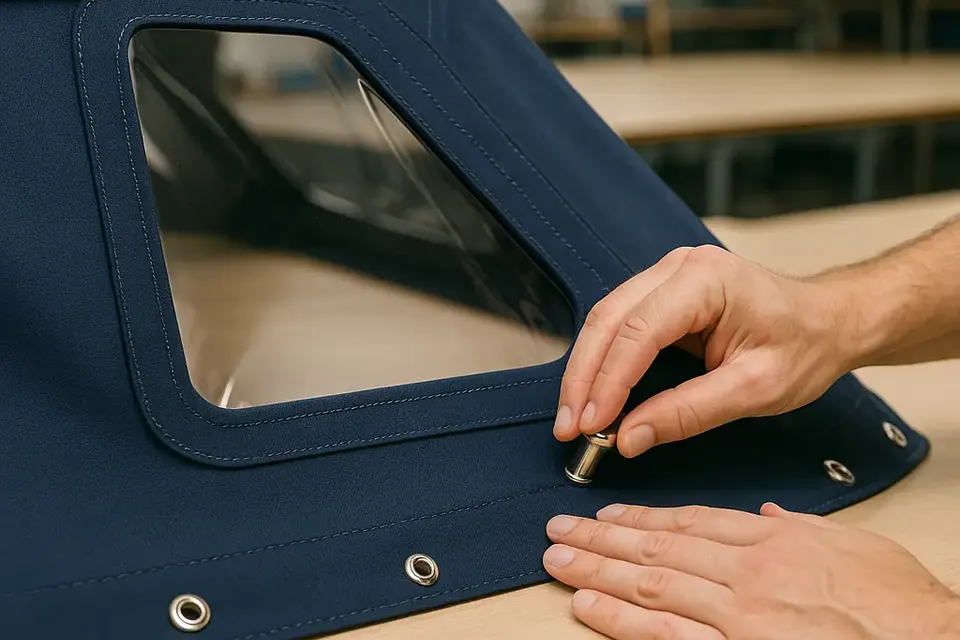
- Precision Replication: Upon arrival, the skilled artisans at UK Boat Covers use the old cover as a precise template. They meticulously measure every seam, every curve, every attachment point, and every detail. This ensures that the new cover will be an exact replica of the original in terms of fit, but crafted from superior, brand-new marine-grade materials.
- Expert Craftsmanship: Using cutting-edge equipment and traditional hand-finishing techniques, the new cover is manufactured, incorporating robust, UV-resistant threads, reinforced stress points, and high-quality fasteners.
- New Cover Dispatched: Within a remarkable an agreed dispatch timeframe of receiving the old cover, the brand-new, custom-made cover is completed and dispatched back to the customer.
Benefits for Tynemouth Boat Owners:
- Unparalleled Convenience: No need for expensive and time-consuming site visits from a cover manufacturer. The boat can remain in the marina, undisturbed.
- Fit subject to assessment: By replicating the original, existing cover, the new one is subject to a fit assessment perfectly, eliminating any guesswork or potential for error. This is crucial for coastal conditions where a loose fit is detrimental.
- Rapid Turnaround: A an agreed dispatch timeframe service means minimal downtime for the boat. This is especially valuable during peak seasons when quick replacement is essential.
- Cost-Effectiveness: Avoiding on-site measurement fees and travel costs makes this service a highly economical choice for bespoke quality.
- Access to Expertise: Tynemouth boat owners gain access to a national specialist, ensuring they benefit from years of expertise in marine canvas fabrication.
This innovative service removes common hurdles associated with replacing custom boat covers, making premium protection accessible and hassle-free for the Tynemouth boating community.
The No VAT Pricing Advantage: Maximising Value
In an environment where boating expenses can accumulate, UK Boat Covers offers another significant advantage: No VAT pricing. This often applies to businesses operating below the VAT threshold or through specific structural arrangements, allowing them to offer products at a more competitive price point.
Benefits for Customers:
- Direct Savings: For every customer, the absence of VAT directly translates into a substantial saving on the purchase price of their custom cover. This makes high-quality, bespoke protection more affordable and accessible.
- Enhanced Value Proposition: When comparing like-for-like quality and custom fit, UK Boat Covers' pricing structure offers exceptional value, allowing Tynemouth boat owners to invest in premium materials and craftsmanship without the added tax burden.
- Quality Without Compromise: This pricing advantage does not come at the expense of quality. UK Boat Covers maintains its commitment to using marine-grade fabrics (e.g., acrylic canvas), UV-resistant threads, and robust hardware, ensuring the covers are built to last in the demanding Tynemouth environment.
Combining bespoke craftsmanship, the convenience of a postal service with agreed dispatch timing, and a distinct pricing advantage, UK Boat Covers presents a compelling solution for Tynemouth's boat owners seeking durable, perfectly fitted protection for their sailing yachts, cabin cruisers, day cruisers, fishing boats, and river boats.
Investing in Longevity: The Economic and Practical Benefits
Choosing a high-quality, custom-fitted boat cover from a specialist like UK Boat Covers is far more than just a purchase; it's a strategic investment that yields substantial economic and practical benefits over the long term, particularly in the challenging coastal context of Tynemouth.
- Significant Cost Savings: While the initial outlay for a bespoke cover might be higher than a generic alternative, the savings accrue rapidly. Reduced maintenance requirements mean less spent on cleaning products, polishes, and varnishes. More importantly, extending the lifespan of gelcoat, paintwork, fabrics, and deck hardware postpones or completely avoids costly repairs, re-sprays, re-upholstery, and replacement of weathered components. The cost of replacing a faded spray hood or repairing UV-damaged gelcoat far outweighs the price of a preventative cover.
- Preservation of Resale Value: A boat that has been consistently protected by a quality cover will maintain its aesthetic appeal and structural integrity far better than an exposed one. When it comes time to sell, a vessel in pristine condition will command a significantly higher resale price and attract buyers more quickly. The cover itself adds value, demonstrating meticulous ownership and care.
- Enhanced Enjoyment and Peace of Mind: Knowing your cherished vessel is shielded from the relentless Tynemouth weather provides immense peace of mind. You arrive at the marina to find a clean, dry boat, ready for immediate enjoyment, rather than facing hours of cleaning or discovering new damage. This translates into more time on the water and less time on arduous maintenance.
- Sustainability: By extending the life of your boat and its components, you reduce the demand for new materials and the waste associated with premature replacements. A durable, repairable cover itself is a more sustainable choice than frequent replacements of inferior products.
In essence, a bespoke boat cover acts as an insurance policy, protecting your investment and enhancing your boating experience in every conceivable way against the harsh, beautiful backdrop of Tynemouth.
Conclusion: The Indispensable Guardian of Tynemouth's Maritime Spirit
Tynemouth, with its historic charm and vibrant boating community, offers an unparalleled setting for maritime adventures. Yet, the same North Sea that beckons with its promise of exploration also presents a formidable challenge, subjecting its sailing yachts, cabin cruisers, day cruisers, fishing boats, and river boats to the relentless assault of coastal winds, corrosive salt spray, and pervasive UV radiation.
In this demanding environment, the role of a high-quality boat cover transcends mere accessory status, elevating it to an indispensable guardian. From preserving the gleaming finish of a sailing yacht’s hull to protecting the intricate electronics of a fishing boat’s console, or shielding the comfortable interiors of a cabin cruiser, bespoke covers provide an essential shield against degradation, wear, and the ravages of time.
Companies like UK Boat Covers, with their dedication to custom craftsmanship, innovative postal service with agreed dispatch timing, and transparent no VAT pricing, stand as a beacon for Tynemouth’s seafarers. They offer a tailored solution that understands the unique pressures of the North East coast, providing not just a product, but a promise of longevity, pristine condition, and enduring value for every vessel.
For the Tynemouth boat owner, the decision to invest in a quality canvas cover, canopy, tonneau cover, or spray hood is not merely a practical choice; it is a declaration of commitment to their craft, ensuring that their vessel remains a source of pride, adventure, and joy, ready to embrace the North Sea for many seasons to come. Protect your passion; protect your vessel with the unseen sentinel it deserves.