Under the North Sea's Relentless Embrace: Why Quality Boat Covers Are Indispensable for Newcastle's Mariners
Newcastle upon Tyne, a city steeped in maritime history, continues to thrive as a vibrant hub for recreational boating in the North East of England. From the bustling quaysides of the River Tyne to the open stretches of the North Sea, the waters here beckon sailing yachts, graceful cabin cruisers, sturdy fishing boats, and nimble river boats alike. Yet, this captivating coastal environment, with its dramatic beauty and ever-present allure, simultaneously presents a formidable challenge to every vessel. The relentless dance of salt spray, the invigorating yet punishing coastal winds, and the insidious power of the sun's ultraviolet (UV) radiation combine to create an atmosphere where unprotected boats can quickly succumb to accelerated wear and tear.
For Newcastle's mariners, understanding these environmental pressures isn't just about preserving aesthetics; it's about safeguarding their investment, ensuring readiness for adventure, and extending the lifespan of their cherished craft. This comprehensive guide delves into the unique maritime climate of the North East, elucidates why quality boat covers are not merely an accessory but an absolute necessity, explores the popular vessel types gracing the Tyne, and introduces a specialist service designed to offer bespoke protection with unparalleled convenience and value. From the intricate canvas work of a sailing yacht’s spray hood to the robust tonneau cover of a river boat, the right protection is the silent guardian that keeps the spirit of Newcastle’s boating community alive and well, come rain, wind, or shine.
Newcastle's Maritime Canvas: The Unique Challenges of the North East Coast
The North East coast of England is renowned for its rugged beauty and sometimes equally rugged weather. Boaters in Newcastle face a trinity of environmental antagonists that constantly conspire against their vessels, demanding proactive and robust protective measures.
The Insidious Creep of Salt Spray
Perhaps the most pervasive and insidious threat in any coastal environment, salt spray is a constant companion on the River Tyne and beyond. Microscopic salt particles, carried inland by sea breezes, settle on every surface of a boat, both inside and out. This saline residue is highly corrosive, initiating a slow but relentless assault on a multitude of materials:
- Metal Fittings: Stainless steel, aluminium, and brass components – cleats, hinges, rails, winches, and navigation equipment – are particularly vulnerable. Salt accelerates oxidation, leading to rust, pitting, and ultimately, structural weakening and failure. Polished surfaces quickly dull, and chrome plating can bubble and peel.
- Gelcoat and Paintwork: While seemingly robust, the glossy finish of a boat’s hull and superstructure is not impervious. Salt spray, especially when left to dry and accumulate, can etch into the surface, causing dullness, chalking, and microscopic cracks that invite further degradation. Regular washing helps, but constant exposure eventually takes its toll.
- UK Boat Covers makes covers for specific areas, including cockpit and tonneau covers, cratch covers and replacement canopy canvas. We do not make whole-boat or winter-storage covers, or supply or install supporting framework. Tell us which area needs covering before requesting a quote.
- Electrical Systems: Salt is an excellent conductor of electricity, and salt-laden moisture can bridge contacts, corrode terminals, and short-circuit wiring, leading to costly and potentially dangerous electrical malfunctions.
The cumulative effect of salt spray is a boat that ages prematurely, requires constant cleaning, and demands frequent, expensive repairs or replacements of components.
The Whistling Fury: Coastal Winds and Their Impact
The North Sea is famous for its bracing winds, and Newcastle's marinas and anchorages are rarely truly still. While a brisk breeze can be exhilarating for sailing, it poses several significant challenges to a boat at rest:
- Chafe and Abrasion: Constant movement caused by wind can lead to lines rubbing against rigging, fenders rubbing against hulls, and covers flapping against deck fittings. This continuous friction causes wear spots, weakens ropes, damages gelcoat, and can quickly tear unprotected fabrics.
- Debris Carriage: Strong winds act as an invisible conveyer belt for airborne debris. Dust, grit, pollen, leaves, twigs, and even small pieces of plastic are lifted and deposited onto boats, scratching surfaces, clogging drains, and generally making a mess. This debris can also accelerate wear on covers by embedding abrasive particles within the fabric.
- Structural Stress: While boats are designed to withstand significant forces at sea, prolonged exposure to high winds while docked can still cause undue stress on mooring lines, cleats, and even the boat's own structure. Covers, if not properly secured, can act like sails, placing immense strain on their attachment points and potentially causing damage to the boat itself.
- Accelerated Drying (and Cracking): Paradoxically, while wind can bring moisture, it can also lead to excessive drying of wooden components or certain sealant materials, causing them to crack and shrink, compromising their integrity and inviting water ingress.
Effective boat covers must be designed to withstand these wind forces, providing secure, chafe-free protection that deflects debris and mitigates movement.
The Invisible Adversary: UV Exposure
Even on cloudy days, and certainly during Newcastle’s brighter spells, the sun's ultraviolet (UV) radiation poses a relentless, silent threat. UV light breaks down chemical bonds in many materials, leading to fading, brittleness, and eventual disintegration:
- Gelcoat and Fibreglass: The glossy finish of a fibreglass hull is particularly susceptible to UV degradation. Prolonged exposure causes gelcoat to oxidise, becoming chalky, dull, and porous. This not only diminishes the boat's aesthetic appeal but also makes it more prone to staining and water ingress.
- Plastics and Vinyl: Hatch covers, navigation light lenses, instrument panels, and vinyl upholstery all suffer under UV. They become brittle, discoloured (often yellowing), crack, and lose their flexibility, significantly shortening their functional lifespan.
- Fabrics: Any exposed fabric, including sails, ropes, and existing covers, will lose strength and colour over time. Fibres weaken, becoming stiff and prone to tearing, and dyes fade, leaving a patchy and tired appearance.
- Woodwork: Unprotected brightwork on sailing yachts and classic cabin cruisers can split, crack, and discolour, requiring constant sanding and varnishing to maintain its integrity and appearance.
- Interior Damage: If cabin windows or hatches are left uncovered, UV rays can penetrate the interior, fading upholstery, carpets, and damaging wooden trim or delicate electronics.
The cumulative effect of UV exposure is a boat that looks neglected, requires constant cosmetic refurbishment, and experiences premature failure of components.
The Indispensable Shield: Why Boat Covers are Essential in Coastal Environments
Given the formidable environmental challenges presented by Newcastle’s coastal climate, it becomes unequivocally clear that boat covers are not a luxury but an essential investment. They act as a multi-layered shield, providing comprehensive protection that translates into numerous tangible benefits for the boat owner.
Comprehensive Protection from the Elements
The primary and most obvious benefit of a quality boat cover is its ability to physically separate your vessel from the harsh elements. A well-designed cover creates a barrier against:
- Salt Spray: By preventing salt particles from settling on surfaces, covers dramatically reduce corrosion, chalking, and staining on gelcoat, metalwork, and delicate electronics.
- Coastal Winds: A snug-fitting, robust cover mitigates wind-induced chafe and flapping, protecting the boat's surfaces and the cover itself. It prevents airborne debris from accumulating on decks and interiors, and reduces the risk of structural stress on mooring lines.
- UV Radiation: The cover directly blocks harmful UV rays, preserving the integrity and colour of gelcoat, plastics, vinyl, wood, and interior fabrics, preventing fading, cracking, and brittleness.
- Rain and Moisture: While seemingly benign, rain can bring dirt, pollen, and pollutants that leave unsightly streaks. More critically, standing water can lead to mildew, mould, and wood rot. A good cover sheds water effectively, keeping the boat dry and ventilated, preventing these issues.
- Pests and Birds: Covers also act as a deterrent against birds nesting or leaving droppings, and small critters seeking shelter, all of which can cause damage and mess.
Significant Reduction in Maintenance and Cleaning
Every boat owner knows the endless cycle of cleaning and maintenance. A boat cover significantly breaks this cycle:
- Less Frequent Washing: With the boat protected from salt, dirt, and bird droppings, the need for intensive washing and scrubbing is drastically reduced. This saves time, effort, and fresh water.
- Reduced Polishing and Waxing: By preventing gelcoat oxidation and fading, covers extend the life of waxes and polishes, meaning less frequent application is required to maintain a lustrous finish.
- Fewer Repairs: Protecting components from UV and salt means fewer instances of brittle plastics, corroded metalwork, or degraded upholstery, leading to fewer repair bills and less time spent sourcing replacement parts.
- Winterisation Simplification: For those who keep their boats afloat during the winter, a heavy-duty cover is a crucial part of winterisation, preventing snow and ice accumulation and protecting against prolonged dampness.
Prolonged Lifespan and Enhanced Resale Value
Ultimately, a boat cover is an investment in the longevity of your vessel. By shielding it from the constant assault of the environment:
- Structural Integrity: Protecting the hull, deck, and superstructure from UV, moisture, and corrosion helps maintain the boat's structural integrity over many years.
- Aesthetic Appeal: A boat that looks well-maintained, with vibrant gelcoat, supple upholstery, and unblemished brightwork, retains its aesthetic appeal for longer.
- Preserved Systems: Critical systems, both electrical and mechanical, are less likely to suffer from corrosion or UV degradation if protected, reducing the risk of costly failures.
- Higher Resale Value: When it comes time to sell, a boat that has been consistently covered will present in significantly better condition than an uncovered equivalent. Buyers are willing to pay a premium for a well-preserved vessel, meaning the cover often pays for itself in enhanced resale value.
Interior Preservation and Readiness for Adventure
Beyond the exterior, covers protect the heart of your boat:
- Safeguarded Interiors: UV radiation, if allowed to penetrate, can fade and degrade cabin upholstery, wooden trim, and electronic screens. Moisture ingress leads to mildew and a damp, unpleasant odour. Covers prevent these issues, keeping interiors fresh, dry, and inviting.
- Security from Prying Eyes: A covered boat offers a degree of security by concealing its contents from casual opportunists. While not a substitute for robust security systems, an "out of sight, out of mind" approach can deter minor theft or vandalism.
- Always Ready to Go: Imagine arriving at your boat, pulling back the cover, and finding a clean, dry, and ready-to-launch vessel. No extensive cleaning, no bailing out rainwater, no scrubbing off bird droppings. This convenience encourages more frequent use and enhances the overall enjoyment of boating.
For Newcastle’s mariners, these benefits are not theoretical; they are practical realities that translate into more time enjoying the water and less time battling the elements, ensuring that their vessel remains a source of joy and adventure for years to come.
A Fleet Adrift in Time: Popular Boat Types on the Tyne and Their Cover Needs
The waterways around Newcastle, from the serene stretches of the River Tyne to the open expanse of the North Sea, host a diverse array of recreational vessels. Each boat type, with its unique design and operational context, demands specific considerations for its protective covering.
The Graceful Guardians: Sailing Yachts
Sailing yachts, from nimble day sailors to robust cruisers, are a common sight on the Tyne, their masts a distinctive part of the cityscape. These vessels, with their intricate rigging, exposed cockpits, and often delicate brightwork, have particular cover requirements:
- Boom Covers/Sail Covers: Essential for protecting the mainsail from UV degradation, which can quickly weaken the sail cloth and stitching. These covers typically wrap around the boom, enclosing the flaked sail.
- Stack Packs (Lazy Bags): A modern evolution of the boom cover, a stack pack integrates the cover with a system of lazy jacks, allowing the sail to drop neatly into the bag upon dousing, offering instant protection and reducing handling.
- Spray Hoods (Dodgers): Perhaps the most iconic cover on a sailing yacht. Positioned over the companionway, a spray hood provides crucial protection to the cockpit area from sea spray, wind, and sun. They often feature clear windows for visibility and act as a comfortable shelter for crew members during adverse conditions. The design must be robust to withstand high winds and waves.
- Cockpit Covers: Extending from the spray hood or acting as a standalone cover, these protect the cockpit seating, instruments, and binnacle from the elements. They prevent water ingress into lockers and keep the area clean and dry.
- Helm Covers: Specifically designed to protect the steering pedestal, wheel, and often integrated navigation electronics from UV, salt, and rain.
- Full Winter Covers: For longer periods of storage, especially over winter, a full cover that drapes over the entire deck and hull is invaluable. These are often custom-made to allow for masts (or mast-down storage) and provide ventilation to prevent mildew. They protect all deck gear, hatches, and the hull from continuous exposure.
The Home Away From Home: Cabin Cruisers
Cabin cruisers, offering comfortable accommodation and often used for longer voyages or overnight stays, are well-represented in Newcastle’s marinas. Their covers focus on protecting the expansive deck areas, helms, and interiors:
- Cockpit Covers: Crucial for protecting the outdoor living space of a cabin cruiser. These covers extend over the entire cockpit area, safeguarding upholstery, carpets, tables, and instrumentation from sun, rain, and debris. They often snap into place for a taut, secure fit.
- Flybridge Covers: For cruisers with an upper helm station (flybridge), a dedicated cover is essential. This protects the helm console, seating, and often expensive navigation electronics from direct exposure to UV, salt, and rain, which can rapidly degrade these components.
- Full Mooring Covers: Similar to a full winter cover but designed for regular use while the boat is docked. These covers often extend over the entire boat, from bow to stern, protecting all exterior surfaces and preventing water ingress through hatches or windows. They are typically secured with straps or bungee cords.
- Window/Hatch Covers: Specific covers for large cabin windows or skylights can offer additional UV protection, preventing interior fading and reducing heat build-up inside the cabin.
The Everyday Explorers: River Boats, Day Cruisers, and Fishing Boats
Smaller, open vessels designed for day trips, fishing excursions, or leisurely river cruises are a common sight along the Tyne. Their cover needs prioritise protection for open cockpits and exposed consoles:
- Tonneau Covers: These are flat, snap-on covers designed to protect the open cockpit area of smaller boats. They keep the interior dry, clean, and free from debris when the boat is docked or trailered. Often made from durable, waterproof fabric, they are quick to install and remove.
- UK Boat Covers makes covers for specific areas, including cockpit and tonneau covers, cratch covers and replacement canopy canvas. We do not make whole-boat or winter-storage covers, or supply or install supporting framework. Tell us which area needs covering before requesting a quote.
- Console Covers: For boats with a central or side console, a dedicated cover protects the helm station, steering wheel, gauges, and electronics from UV, rain, and salt spray. This is particularly important for fishing boats where consoles are often very exposed.
- Seating Covers: Individual covers for specific seats, particularly those with elaborate upholstery, can provide an extra layer of protection, especially when the main cover is not in use for short periods.
The common thread uniting all these vessels is the critical need for tailored protection. A generic, ill-fitting cover is not only ineffective but can cause more damage through chafing or insufficient drainage. The key lies in custom-fit solutions designed to the exact dimensions and contours of each boat type, ensuring maximum protection and longevity.
Newcastle's Maritime Hubs: Marinas and Harbors
Newcastle's relationship with the water is deeply ingrained, and today, the River Tyne continues to serve as a vital artery for recreational boating. While the historic quays have transformed, modern marinas and various mooring opportunities provide havens for the region's diverse fleet.
The River Tyne, with its tidal ebb and flow, offers a unique boating environment. Vessels moored here are subject to the same coastal weather challenges as those in more exposed sea locations, often compounded by the urban environment's own contributors like airborne dust and industrial fallout (albeit significantly reduced from historical levels). The combination of salt spray carried by sea breezes, strong river currents, and the wind funneling effect of the river valley means that boats, whether docked at a purpose-built marina or a more rustic riverside mooring, are in constant battle with the elements.
Prominent locations for recreational vessels include well-established marinas further downriver towards the mouth of the Tyne, offering a full range of facilities. These marinas typically host a mix of the larger sailing yachts and cabin cruisers, providing secure berths, power, and water. Here, boats are exposed to the full force of North Sea winds and the ever-present salt. The convenience of these locations for access to both river cruising and open sea adventures makes them highly sought after. Owners of sailing yachts will appreciate the sheltered but accessible nature for day sails or longer coastal passages, while cabin cruiser enthusiasts can explore the river or venture out along the stunning North East coastline.
Further upstream, and in more sheltered basins, one might find smaller marinas or private moorings that cater to river boats, day cruisers, and fishing boats. These locations offer a different kind of charm, often providing easier access to inland waterways and fishing spots. Even in these seemingly more protected spots, the insidious effects of salt spray, carried on westerly winds from the North Sea, combined with rain and persistent dampness, necessitate robust protection. The wind, though potentially less fierce than at the river mouth, can still pick up and cause significant chafe and debris accumulation.
What unites all these locations is the continuous exposure of boats to the elements. Unlike boats stored in dry docks or warehouses, vessels kept afloat are perpetually at the mercy of Newcastle's weather. The community of mariners, whether they gather at a modern marina, a yacht club, or a simpler mooring, shares a common understanding: the sea, while offering boundless opportunities for enjoyment, demands respect and diligent care for one's vessel. This collective experience reinforces the need for reliable, high-quality boat covers that can stand up to the specific demands of the North East's maritime environment.
Crafting the Shield: Understanding Boat Cover Types
The effectiveness of a boat cover hinges not just on its presence, but on its design, material, and fit. For Newcastle’s discerning mariners, understanding the nuances of different cover types and their construction is key to making an informed choice. Our focus remains squarely on canvas covers, canopies, tonneau covers, and spray hoods – the workhorses of boat protection.
Canvas Covers: The Versatile Protector
UK Boat Covers makes covers for specific areas, including cockpit and tonneau covers, cratch covers and replacement canopy canvas. We do not make whole-boat or winter-storage covers, or supply or install supporting framework. Tell us which area needs covering before requesting a quote.
- Materials:
- Acrylic (e.g., Sunbrella-type fabrics): Highly popular due to their exceptional UV resistance, breathability, and colour fastness. Solution-dyed acrylic fibres mean the colour is throughout the fibre, not just on the surface, making them resistant to fading. They are naturally breathable, which helps prevent condensation, mildew, and mould. While water-resistant, they are not entirely waterproof and can "wick" water if tautness is not maintained. They are durable, offer good mildew resistance, and come in a wide range of colours.
- Polyester (Coated/Woven): Often used for more budget-friendly or heavier-duty applications. Coated polyester (e.g., PVC or PU coated) offers excellent waterproofing but can be less breathable, potentially leading to condensation if not properly vented. Uncoated, woven polyester can be highly durable and breathable, often treated for water repellency and UV resistance. They offer good strength-to-weight ratios and are generally more abrasion-resistant than acrylics.
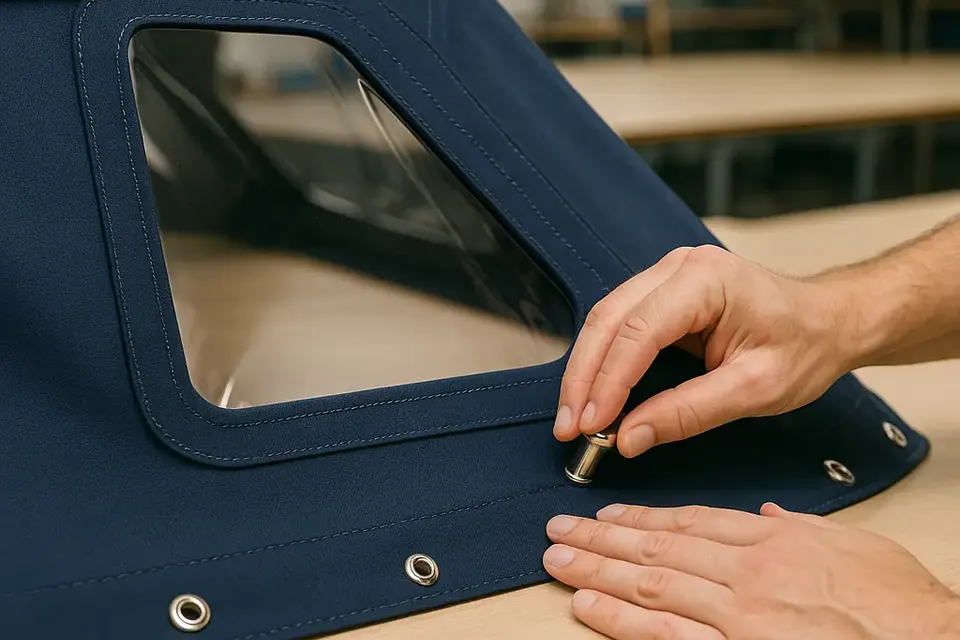
- Construction: High-quality canvas covers feature double-stitched seams, reinforced stress points (e.g., around cleats, windshields), and robust fastenings like snaps, drawstrings, or webbing straps. Proper ventilation (vents or breathable material) is crucial to prevent moisture build-up and mildew. Custom-fit covers are always superior, conforming precisely to the boat's contours, ensuring maximum protection and preventing water pooling or wind-induced flapping.
Canopies: Shade and Shelter on Demand
Canopies, particularly bimini tops, provide essential sun and rain protection over open cockpits, allowing for comfortable use of the boat even in less-than-ideal weather.
- Bimini Tops: These are collapsible, frame-supported canvas structures that provide shade and light rain protection over the cockpit or helm area. They are indispensable for day cruisers and open fishing boats, protecting occupants and instrumentation from direct sun and incidental rain. Good biminis are made from UV-resistant acrylic or polyester fabric, supported by sturdy aluminium or stainless steel frames, with robust fittings that allow for easy deployment and stowing.
- Functionality: Beyond comfort, biminis protect interior materials from direct UV exposure when boat is in use, reducing fading and cracking of upholstery and dash components. They are not designed for heavy weather or long-term mooring, and should typically be lowered or removed when the boat is left unattended for extended periods or when strong winds are forecast.
Tonneau Covers: The Sleek, Low-Profile Solution
Tonneau covers are a practical and aesthetically pleasing solution for protecting open cockpits of river boats, smaller day cruisers, and some fishing boats.
- Design: These are typically flat, custom-fitted covers that snap or clip securely around the perimeter of the cockpit. They follow the boat’s sheer line closely, providing a streamlined appearance.
- Protection: Their primary function is to keep rain, leaves, dust, and debris out of the cockpit, ensuring the interior remains clean and dry. They also offer excellent UV protection for seating and interior surfaces.
- Materials: Usually made from a robust, water-resistant polyester or acrylic canvas, designed to be taut to prevent water pooling.
- Convenience: Tonneau covers are relatively quick and easy to install and remove, making them ideal for frequent use. They are particularly effective when combined with a spray hood, providing a fully enclosed and protected cockpit area.
Spray Hoods (Dodgers): The Sailing Yacht's Frontline Defence
For sailing yachts, the spray hood is a critical piece of canvas work, providing both protection and comfort in the cockpit.
- Purpose: Positioned over the companionway, a spray hood shields the cockpit area from sea spray, driving rain, and strong winds. It dramatically improves comfort for those in the cockpit, particularly during upwind sailing or in choppy conditions.
- Features: Modern spray hoods typically feature clear vinyl windows (often Strataglass or similar high-quality clear material) for forward visibility, and sturdy stainless steel or aluminium frames. They are often designed with grab rails for safety and additional stability.
- Integration: A well-designed spray hood seamlessly integrates with the yacht's lines and can often be extended with a cockpit tent or connected to a cockpit cover to create a larger, enclosed living space while at anchor or in the marina.
- Materials: Robust, UV-resistant acrylic canvas is the standard for spray hoods, chosen for its durability, colour retention, and breathability. Stitching is paramount, often using UV-resistant threads like Tenara to prevent degradation.
Regardless of the specific cover type, the hallmarks of quality remain consistent: premium, marine-grade fabrics; robust, UV-resistant stitching; reinforced stress points; precise fit; and effective ventilation. Investing in these details ensures the cover itself can withstand Newcastle's challenging environment, providing years of reliable protection for the vessel beneath.
A Seamless Solution for Newcastle Mariners: UK Boat Covers' Bespoke Service
For boat owners in Newcastle, the task of obtaining a high-quality, perfectly fitting boat cover can often be a logistical challenge. Traditional methods might involve on-site visits for measuring, lengthy lead times, and potentially high costs. However, a specialist like UK Boat Covers offers a refreshingly streamlined and value-driven approach that caters precisely to the needs of the local maritime community.
UK Boat Covers stands out by combining expert craftsmanship with an innovative and highly convenient service model, designed to overcome the common hurdles faced by boat owners seeking bespoke canvas protection.
The postal service with agreed dispatch timing: Precision and Convenience, Delivered
The cornerstone of UK Boat Covers' offering is their unique and efficient postal service with agreed dispatch timing. This ingenious system allows Newcastle's mariners to receive a custom-made cover without the need for time-consuming on-site measurements or extended periods of a boat being uncovered.
Here's how this highly convenient service works:
- Send Your Old Cover as a Template: The process begins with the customer carefully removing their old, worn-out cover – be it a sailing yacht's spray hood, a cabin cruiser's cockpit cover, or a river boat's tonneau cover. This old cover, despite its condition, serves as the perfect, most accurate template for the new one. It already holds the exact dimensions, curves, and fastening points specific to that individual boat.
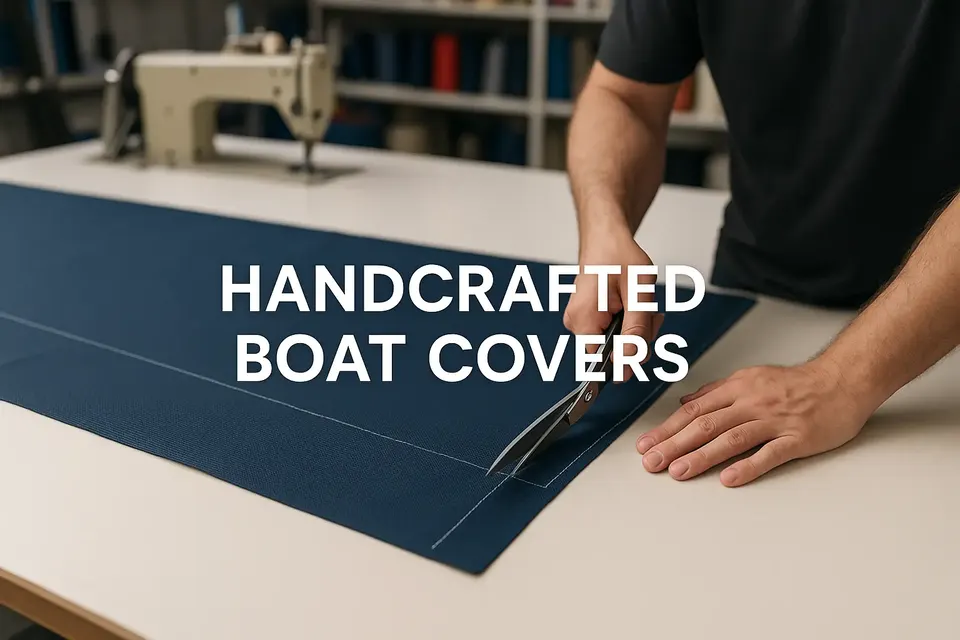
- Expert Replication and Crafting: Once UK Boat Covers receives the old cover via post, their team of skilled craftsmen meticulously uses it to cut and stitch the new cover. They replicate every detail, ensuring the perfect fit that only a direct template can provide. This eliminates the guesswork and potential inaccuracies of remote measurements.
- High-Quality Materials and Construction: The new cover is crafted using premium, marine-grade materials (as discussed in the previous section, e.g., UV-resistant acrylic or durable coated polyester) selected for their longevity and performance in coastal environments. All critical elements – stitching, reinforcement, and fastenings – are executed to the highest standards.
- Rapid Turnaround and Return: The remarkable efficiency of this system means that from the moment the old cover is received, UK Boat Covers aims for a dispatch timing agreed before ordering to manufacture and dispatch the brand-new, custom-fit cover. This swift process minimises the time your boat is left unprotected, a critical factor in Newcastle’s challenging climate.
- New Cover Arrives, Ready to Fit: The freshly made cover is then securely packaged and posted back to the customer in Newcastle, ready to be fitted straight onto their boat. It's a precise, hassle-free, and remarkably quick way to upgrade your boat's protection.
The Benefits for Newcastle Mariners:
- Unparalleled Accuracy: No measuring errors, no ill-fitting covers. The old cover provides the ultimate blueprint.
- Exceptional Convenience: No need for scheduling appointments, no waiting around for fitters. The entire process can be managed remotely.
- Minimal Downtime: The dispatch timing agreed before ordering ensures your boat is exposed for the shortest possible period, crucial during volatile North East weather.
- Cost-Effectiveness: By streamlining the process and reducing the need for on-site visits, this service model often translates into significant savings for the customer.
The No VAT Pricing Advantage: Direct Savings for the Customer
Adding to the allure of their convenient service, UK Boat Covers offers a compelling pricing advantage: their services are provided with No VAT. For customers in Newcastle and across the UK, this translates directly into a substantial saving on the total cost of their custom boat cover.
- Direct Price Reduction: As a customer, you effectively pay competitively priced, simply because VAT is not added to the listed price. This makes high-quality, custom boat covers significantly more accessible and affordable.
- Competitive Edge: This pricing model, combined with their efficient postal service, positions UK Boat Covers as a highly competitive option for bespoke marine canvas work. It allows mariners to invest in superior protection without the premium price tag often associated with custom-made items.
This unique combination of a highly efficient, accurate postal service and a compelling no-VAT pricing structure makes UK Boat Covers an ideal partner for Newcastle's boating community. It’s a solution tailored for those who value quality craftsmanship, precise fit, and excellent value, ensuring their sailing yachts, cabin cruisers, river boats, day cruisers, and fishing boats remain exceptionally protected against the North Sea’s embrace.
Conclusion: Safeguarding Your Newcastle Maritime Investment
Newcastle upon Tyne’s maritime spirit is undeniable, a vibrant tapestry woven with the sails of yachts, the sturdy lines of fishing boats, and the comfortable presence of cabin cruisers and river boats. Yet, the beauty and allure of this coastal environment come hand-in-hand with formidable challenges: the pervasive salt spray, the relentless coastal winds, and the insidious degradation caused by UV radiation. These elements are not just cosmetic threats; they are active agents of depreciation, capable of eroding the structural integrity, aesthetic appeal, and ultimately, the value of your cherished vessel.
As we’ve explored, boat covers are not merely an accessory but an indispensable shield against these forces. From the essential spray hood guarding a sailing yacht’s companionway, to the expansive canvas cover protecting a cabin cruiser’s deck, or the taut tonneau cover keeping a river boat’s interior pristine, each custom-fitted piece of canvas plays a vital role. They reduce maintenance, prolong lifespan, preserve interiors, and crucially, ensure that your boat is always ready for its next adventure on the Tyne or the open North Sea.
For Newcastle’s mariners, embracing professional protection is a clear statement of commitment to their passion. Services like those offered by UK Boat Covers present a modern, efficient, and cost-effective pathway to achieving this. Their innovative postal service with agreed dispatch timing, leveraging your old cover as the perfect template, guarantees an unparalleled custom fit with minimal downtime for your vessel. Combined with the significant advantage of no VAT pricing, it offers a compelling package that ensures premium protection is both accessible and affordable.
In the dance between man, machine, and nature, thoughtful preparation is key. By investing in a high-quality, custom-fit boat cover, you are not just buying a piece of fabric; you are buying peace of mind, extending the life of your boat, and ensuring that every moment spent on Newcastle's waters remains a joy, free from the worries of unchecked wear and tear. Protect your investment, embrace the ease of a tailored solution, and let your boat stand as a testament to diligent care, ready for whatever the North Sea brings.