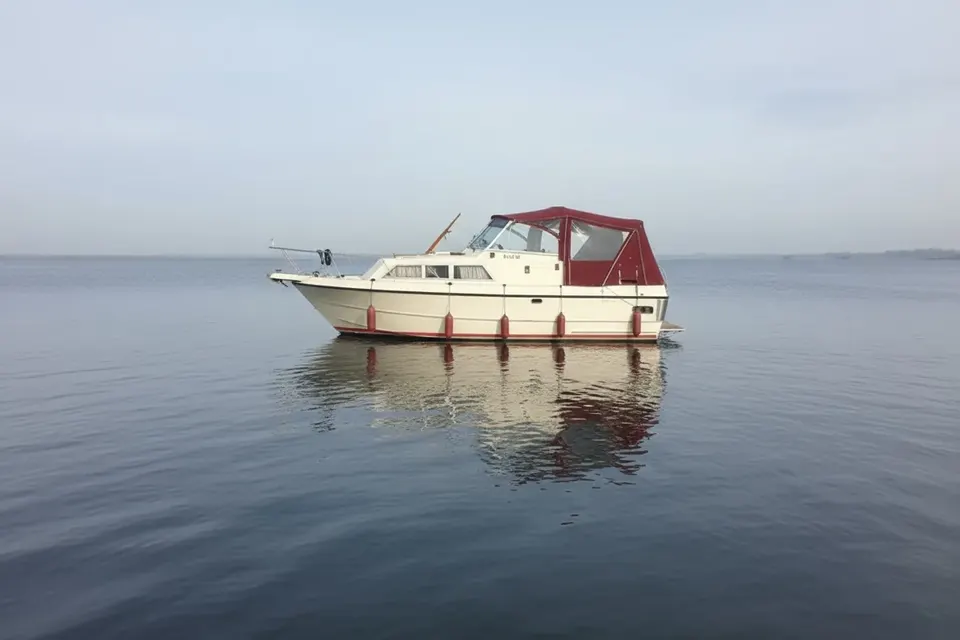
The Worcester & Birmingham Canal, a magnificent feat of early 19th-century engineering, carves its way through the picturesque heart of the West Midlands, offering a diverse and unforgettable journey for boaters. Stretching approximately 30 miles, this vital waterway connects the bustling metropolis of Birmingham with the historic cathedral city of Worcester, ultimately linking to the formidable River Severn. Its character is a captivating blend of urban vibrancy, rural tranquillity, and significant industrial heritage. From its genesis, driven by the ambition to provide Birmingham's industries with a direct link to the Bristol Channel and the wider world, the canal has played a pivotal role in the region's development. Conceived at a time of fervent canal building, its construction presented immense challenges, not least the formidable topographical variations requiring extensive lock flights and tunnels. Today, it stands as a testament to human ingenuity, lovingly preserved and cherished by boaters, walkers, and wildlife enthusiasts alike. Cruising this canal offers a unique perspective on England, transitioning from the architectural grandeur of Birmingham’s Gas Street Basin, past idyllic countryside teeming with wildlife, to the medieval charm of Worcester. It's a journey through time and landscape, providing a rich tapestry of experiences for anyone who ventures upon its waters, making it an enduring gem in the UK’s extensive network of inland waterways. ## Navigating the Worcester & Birmingham Canal Navigating the Worcester & Birmingham Canal presents a unique set of challenges and delights, requiring boaters to be prepared for everything from dense lock flights to lengthy, historic tunnels. The waterway is predominantly a contour canal, meaning it largely follows the natural lie of the land, yet it must contend with significant changes in elevation. The most famous and formidable of these challenges is undoubtedly the Tardebigge Flight, a monumental staircase of 30 narrow locks that stands as the longest lock flight in the UK. Tackling Tardebigge demands patience, stamina, and often, good teamwork. Ascending or descending this flight can take a full day, so planning your journey around it is crucial. Boaters should ensure their boat is well-fendered, and that they have plenty of rope for managing the locks. Water conservation is also paramount, and following Canal & River Trust (CRT) guidelines on lock usage is a common courtesy. Beyond Tardebigge, the canal features another 29 locks scattered along its length, bringing the total to 59 locks, each requiring careful attention. In addition to the locks, the canal is punctuated by two notable tunnels that add to its distinctive character. The first, and most significant, is Wast Hills Tunnel. At 2,726 yards (2,493 metres) long, it is one of the longest canal tunnels in Britain that is still in use today. When it was built, it was unlit, and leggers would 'walk' the boats through. Today, boats can motor through, but strong forward navigation lights and stern lights are absolutely essential. The tunnel is narrow, and passage can be single-file in parts, so courtesy and careful speed control are vital. Boaters should be mindful of other traffic and maintain a steady, sensible pace. The second tunnel is Shortwood Tunnel, which, at 613 yards (561 metres), is considerably shorter but still requires appropriate lighting and caution. These tunnels offer a cool, dark respite on a sunny day but can be intimidating for the uninitiated, reinforcing the need for adequate preparation. The canal itself is generally non-tidal, providing a relatively calm and consistent navigation experience. However, its southern terminus at Worcester directly connects to the River Severn, a major tidal river. Navigating this confluence requires a different skill set entirely. The Severn can have strong currents, especially after heavy rainfall, and its water levels can fluctuate significantly. Boaters transiting onto or off the river must check local river conditions, tide tables, and listen to professional advice. This transition from the placid canal to the powerful river is a stark reminder of the diverse waterways the UK has to offer and necessitates a heightened level of awareness and experience. As for bridges, the canal is crossed by numerous charming brick-arched bridges, typical of the canal network. Most offer adequate headroom for standard narrowboats, but it's always prudent to be aware of your boat's air draught, especially when approaching older, lower structures, or if carrying tall equipment on your roof. Seasonal water levels on the canal are generally well-managed by the CRT through their feeder reservoirs and lock operations. However, during periods of prolonged drought, water restrictions or stoppages can occur, and conversely, extreme rainfall can lead to sections being temporarily unnavigable due to high water or flood warnings, particularly near river connections. Always check the latest CRT stoppages and navigation notices before embarking on your journey to ensure a smooth and enjoyable trip. ## Weather and Seasonal Challenges Boating on the Worcester & Birmingham Canal, like any UK waterway, means being prepared for the famously changeable British weather. Each season brings its own set of challenges and considerations, particularly when it comes to protecting your boat. UV exposure might not be the first thing that comes to mind in the UK, but even on overcast days, harmful ultraviolet rays penetrate, and on sunny summer days, their intensity can be significant. Prolonged exposure to UV radiation is a primary culprit for the degradation of boat covers, causing fabrics to fade, weaken, and eventually crack or tear. This makes high-quality, UV-resistant cover materials an absolute necessity for any boat moored on the canal, especially on open stretches where there is little natural shade from trees or buildings. Wind is another constant factor to contend with. The canal traverses both sheltered, tree-lined sections and open, exposed areas, particularly across farmland or along embankments. Strong winds can place considerable stress on boat covers, especially during storms, potentially causing them to flap excessively, abrade against the boat's surfaces, or even tear if not properly fitted and secured. A well-designed, custom-fit cover from ukboatcovers.com offers superior protection against wind damage, ensuring a snug fit that minimises flapping and maximises durability. Of course, no discussion of UK weather would be complete without mentioning rain. From light drizzle to torrential downpours, rain is an almost inevitable part of canal cruising. While a good boat cover's primary role is to keep the interior of your boat dry, persistent dampness can lead to secondary problems. Water ingress, even minor, can contribute to mould and mildew growth within the cabin. Externally, standing water on covers can become heavy, stressing seams and fastenings. Furthermore, the constant cycle of wet and dry, combined with airborne pollutants, can contribute to the discolouration and wear of cover fabrics. This highlights the importance of materials that are not only fully waterproof but also easy to clean and maintain. Winter risks bring a whole new dimension of protection requirements. Freezing temperatures mean frost and ice, which can damage exposed parts of your boat, especially if water is allowed to pool or collect. The presence of ice on the water can also put stress on moored boats. Beyond the cold, winter often means higher humidity and less airflow, creating ideal conditions for mould and mildew to flourish, both on the cover itself and on the boat's interior. This is where the breathability of a cover becomes critically important, allowing moisture vapour to escape and preventing condensation from forming beneath the cover. A good winter cover also acts as a shield against falling leaves, twigs, and bird droppings, which, if left to accumulate, can stain and damage your boat's surfaces. Investing in a robust, bespoke cover is a proactive step in preserving your boat's condition and value throughout the colder months, making sure it's ready for the spring. Our dedication to providing durable, weather-resistant solutions is central to our services, ensuring your boat remains pristine come rain or shine. ## Boat Cover Material Recommendations for the Worcester & Birmingham Canal Choosing the right boat cover material is crucial for vessels moored or frequently travelling on the Worcester & Birmingham Canal, given the waterway's specific environmental challenges. At ukboatcovers.com, we understand that a 'one size fits all' approach simply doesn't work, which is why we offer a range of high-quality fabrics tailored to different needs and conditions. The two primary contenders for boat covers are PVC and Acrylic, each with distinct advantages. PVC (Polyvinyl Chloride) fabrics are renowned for their exceptional strength and waterproof capabilities. They are typically heavier and more robust, making them an excellent choice for long-term outdoor storage, particularly during the harsh UK winter. For a canal like the Worcester & Birmingham, where boats might be left for extended periods between trips, a PVC cover provides an impenetrable barrier against torrential rain, hailstones, and heavy snowfall. Its smooth, often glossy, surface is also relatively easy to clean, meaning bird droppings, tree sap, and general canal grime can be wiped away with minimal fuss. PVC offers very good UV protection, preventing the sun's rays from degrading the boat's exterior surfaces beneath. However, its main drawback is its inherent lack of breathability. This can lead to condensation forming underneath the cover, especially if the boat is sealed tightly and there's no air circulation. Without proper ventilation, this moisture can foster mould and mildew growth on the boat's interior or upholstery, which can be a significant problem in the often-humid UK climate. For PVC covers, strategic vents or careful propping to allow airflow can mitigate this issue. Acrylic canvas, such as the popular Sunbrella® range, offers a different set of benefits. Its key advantage is its breathability. Woven from solution-dyed acrylic fibres, it allows air to circulate, significantly reducing the risk of condensation, mould, and mildew forming. This makes acrylic a superb choice for covers that are used year-round, or for boats that are frequently boarded and aired out. Acrylic also boasts superior UV resistance; the dyes are integral to the fibres, meaning the colour is incredibly stable and resistant to fading, even under prolonged sun exposure on open canal stretches. Aesthetically, acrylic covers often have a more textile-like, softer finish, which some boaters prefer. While highly water-repellent and capable of shedding rain effectively, particularly if treated with a water-repellent finish, acrylic is not as inherently 'waterproof' as PVC in the same heavy-duty sense. Extremely prolonged exposure to standing water or very heavy, driving rain might eventually saturate the fabric, although the boat beneath should still remain dry. For most recreational use on the Worcester & Birmingham Canal, acrylic provides excellent all-around protection and superior moisture management. Considering the specific conditions of the Worcester & Birmingham Canal – the combination of strong UV on open stretches, frequent rain, and the potential for mould in damp, sheltered moorings – a balanced approach is often best. For full-time outdoor mooring, especially during winter, a heavy-duty PVC cover might be preferred for its uncompromising waterproof nature. However, for boats used regularly, or for those concerned about condensation and seeking a highly UV-stable, breathable option, an acrylic cover is an outstanding choice. Many boaters also opt for different covers for summer and winter use, leveraging the strengths of both materials. Regardless of your choice, ensuring the cover is bespoke and well-fitted is paramount. A custom cover not only looks better but performs far superiorly, minimising flapping, reducing stress points, and providing maximum coverage.
For more information, visit postal copy service, view our prices.