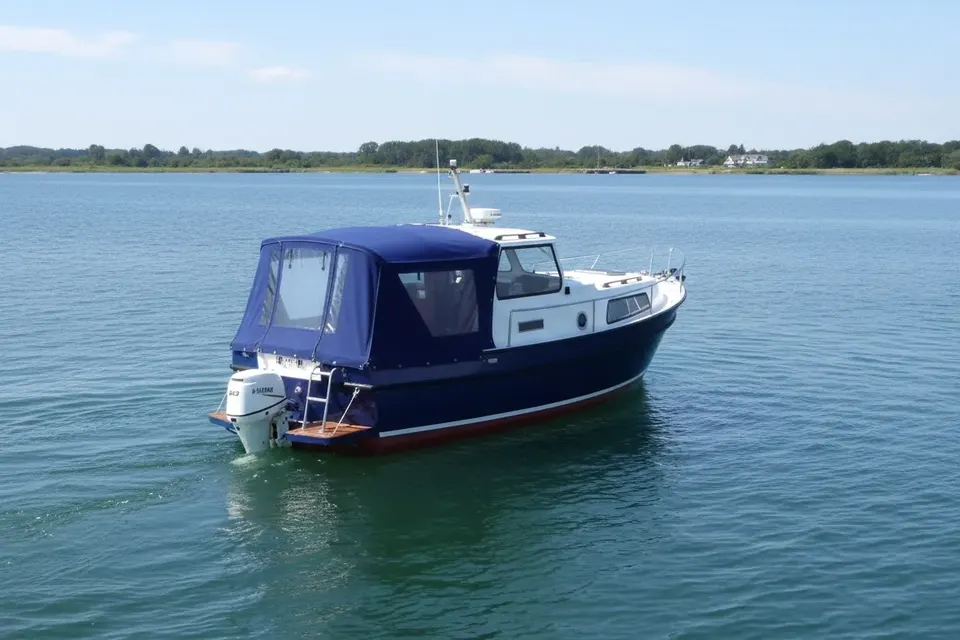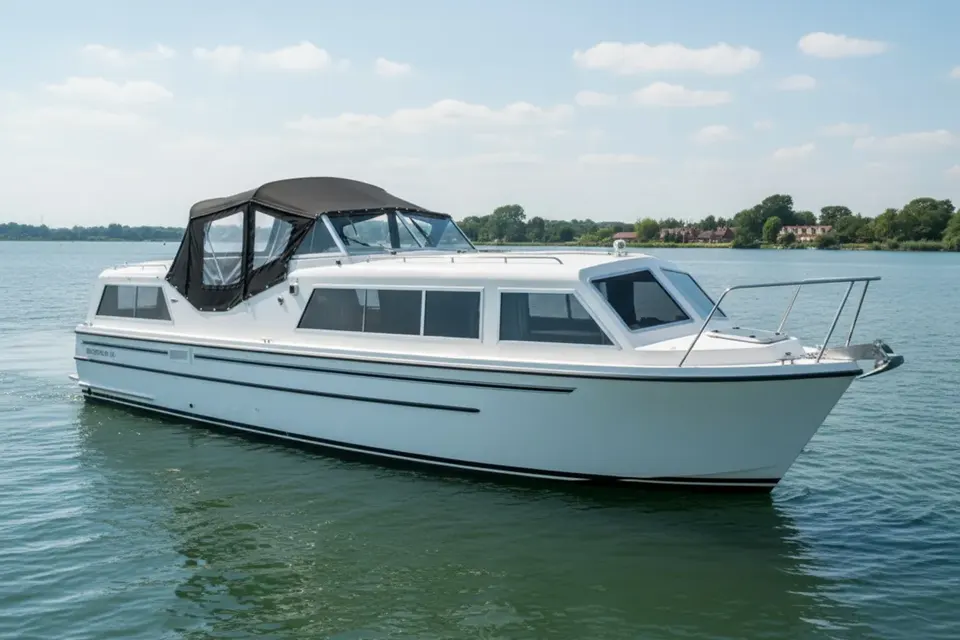
The Shropshire Union Canal, affectionately known as "The Shroppie," is a waterway that captures the essence of classic British canal cruising. Stretching for 66 miles, this picturesque canal carves its way from the industrial heartlands of Wolverhampton in the West Midlands, through the tranquil farmlands of Shropshire, and up into the historic county of Cheshire, culminating at Ellesmere Port on the Mersey. For boaters, it represents a journey through contrasting landscapes, offering both challenge and serenity in equal measure. At ukboatcovers.com, we understand the unique demands placed upon boat covers on a waterway as diverse as the Shroppie, and this guide aims to provide comprehensive insights for boaters contemplating or enjoying this iconic canal. ## Waterway Geography, History, and Character The Shropshire Union Canal is a masterpiece of engineering, primarily conceived by the brilliant Thomas Telford, though its roots stretch back further to the designs of William Jessop. Construction, initiated in the late 18th century and largely completed by the mid-19th century, was driven by the ambition to create a direct link between the industrial might of the Midlands and the vital port of Liverpool. This ambition resulted in a waterway renowned for its remarkably straight sections, deep cuttings, and high embankments, which allowed for a more direct route than many of its winding counterparts. These features, while challenging to construct, minimise turns and detours, making for surprisingly swift passage for its time. Starting from the Wolverhampton Flight, where it descends from the Birmingham Canal Navigations, the Shroppie quickly sheds its urban skin. The initial broad locks give way to the more common narrow locks further north, a transition that marks the shift from a highly trafficked freight artery to a more rural existence. As you cruise north, the landscape transforms into the quintessential English countryside, characterised by rolling fields, ancient woodlands, and quiet villages. The canal frequently offers stunning vistas, particularly as it traverses the higher ground, providing glimpses of the distant Welsh borders – a constant reminder of its proximity to another beautiful and rugged landscape. The Shroppie's character is defined by its remoteness in many stretches. Long, uninterrupted lengths of canal are often flanked by high embankments or carved through deep, sandstone cuttings, giving a sense of secluded tranquility. The distinctive architecture of Telford's elegant stone bridges, often featuring characteristic tapering wing walls, adds to the waterway's unique aesthetic appeal. This canal acts as a vital artery, connecting to the Llangollen Canal via the Hurleston Locks and the Middlewich Branch, offering boaters gateways to even more extensive cruising grounds and adventures. For those seeking a blend of historical significance, engineering prowess, and breathtaking natural beauty, the Shropshire Union Canal delivers an unforgettable experience. Its journey from the industrial heart of England to the brink of the Irish Sea is a testament to the vision and hard work that shaped a nation. ## Navigation Conditions: Locks, Bridges, Currents, and Seasonal Water Levels Navigating the Shropshire Union Canal presents a varied experience, from flights of challenging locks to long, uninterrupted stretches of tranquil water. Understanding these conditions is key to a smooth and enjoyable journey. The canal features several significant lock flights that punctuate the journey. The journey begins for many at the Wolverhampton Flight, a daunting series of 21 broad locks that descend from the Birmingham Canal Navigations. While challenging, they are generally well-maintained and offer a good workout. Further north, the locks transition to the more common narrow dimensions. The Tyrley Locks, a flight of five, and the picturesque Audlem Locks, a substantial flight of 15 locks, are notable features. The Audlem flight is particularly famous, often bustling with boaters assisting each other, and offers a real sense of camaraderie. Lock operations are generally straightforward, but it’s always wise to ensure gates are fully open before entering or leaving, and to protect your boat from banging into the lock walls – a well-fitted fender and careful approach are essential. Bridges along the Shroppie are largely Telford's iconic, elegant stone arches. While beautiful, some can appear low, especially after heavy rain when water levels might be slightly elevated. It's always prudent to approach bridges cautiously, assessing clearance, particularly for boats with higher canopies or aerials. Most bridges are fixed, but there are a few lift bridges controlled by boaters, which add a minor extra task to navigation. Currents on the Shropshire Union Canal are generally minimal, as is typical for most British canals. However, very occasionally, stronger currents can be felt near feeder channels, weirs, or after heavy rainfall when excess water is being managed. These instances are rare and usually localised, posing little significant threat to navigation for most narrowboats or smaller cruisers. It is crucial to note that the main line of the Shropshire Union Canal is not tidal. While the canal terminates at Ellesmere Port, which connects to the tidal waters of the River Mersey, the canal itself remains non-tidal throughout its length. Boaters venturing onto the Mersey from Ellesmere Port would, of course, need to be fully aware of tidal conditions and possess the appropriate training and equipment for tidal waters. Seasonal water levels on the Shroppie are generally well-managed by the Canal & River Trust, drawing from reservoirs such as Coole Mere and Belvide. However, during prolonged dry spells, particularly in summer, water levels can drop, and navigation restrictions or even closures might be implemented to conserve water. Conversely, exceptionally heavy rainfall can lead to slightly higher levels, which could impact bridge clearances. Winter months often see planned stoppages for essential maintenance work on locks, bridges, and sections of the canal, so boaters planning winter journeys should always check the Canal & River Trust's notices well in advance. Overall, the Shroppie is a reliable waterway, but a little pre-planning and awareness of seasonal changes will enhance any voyage. ## Weather and Seasonal Challenges: Protecting Your Investment The varied weather conditions encountered along the Shropshire Union Canal, from glorious summer sunshine to the biting cold of winter, pose significant challenges for any boater. Protecting your vessel from the elements is paramount, and a high-quality boat cover is your first line of defence against wear and tear, ensuring longevity and preserving your boat’s appearance and value. UV Exposure: The Shroppie, with its long, open stretches and fewer urban areas, offers extensive exposure to the sun. Intense ultraviolet (UV) radiation is a silent but relentless enemy of boat exteriors. Prolonged UV exposure can cause significant damage to gel coats, paintwork, and, crucially, to inferior boat covers. It leads to fading, cracking, and material degradation. For a waterway like the Shroppie, where you might be moored in open fields or cruising under clear skies for days on end, a boat cover with superior UV resistance is not just an option, it's a necessity. This protection extends beyond just the cover itself; it shields your boat's interior, upholstery, and wooden fixtures from the sun's damaging rays, preventing premature ageing and costly repairs. Wind: The exposed nature of many canal sections, particularly along embankments or through wide-open farmland, means that boats are frequently subjected to strong winds. A poorly fitting or flimsy cover can flap incessantly, causing abrasion to the boat's surfaces and quickly tearing itself apart. Strong gusts can also rip covers from their fastenings, leaving your boat vulnerable. A well-designed, custom-fitted cover with robust fastenings is essential to withstand these conditions. The Shroppie's character demands a cover that hugs the contours of your boat, minimising flapping and maximising protection. Winter Risks: Winter brings its own set of challenges: freezing temperatures, snow, ice, and persistent dampness. Ice can exert immense pressure on hulls, while snow and ice accumulation can put a heavy strain on covers. More insidiously, the cold and damp create ideal conditions for mould and mildew growth, both on the boat's interior and on the cover itself. A breathable, robust cover is vital for overwintering. It helps prevent moisture from being trapped, allowing air circulation while keeping snow and ice out. Effective winterising of your boat, combined with a protective cover, is crucial to prevent frost damage to engines, plumbing, and other systems, ensuring your vessel is ready for the spring cruising season. Choosing the right cover ensures your boat remains pristine, regardless of the seasonal whims of the British weather. ## Boat Cover Material Recommendations for This Waterway Choosing the correct material for your boat cover is one of the most critical decisions you'll make, especially when considering the diverse conditions of the Shropshire Union Canal. At ukboatcovers.com, we offer a range of premium materials, each with specific advantages. PVC vs. Acrylic: * PVC (Polyvinyl Chloride) Coated Polyester: Often referred to as heavy-duty tarpaulin material, PVC is renowned for its exceptional waterproofing and extreme durability. It's incredibly robust, highly resistant to tearing, and offers formidable protection against heavy rain, snow, and ice. For boats being overwintered or those requiring maximum protection in exposed moorings on the Shroppie, a PVC cover is an excellent choice. However, its main drawback is its lack of breathability. Without proper ventilation, condensation can build up underneath, potentially leading to mould and mildew issues, particularly during prolonged periods of storage. If choosing PVC, ensuring adequate airflow through vents or propping the cover for air circulation is vital. * Acrylic Canvas (e.g., Solution-Dyed Acrylic): This is often considered the premium choice for boat covers and canopies, offering an superb balance of protection and aesthetics. Acrylic fabrics are inherently breathable, allowing moisture vapour to escape, which significantly reduces the risk of condensation, mould, and mildew – a major advantage on any canal. They are also highly UV resistant, meaning they retain their colour and structural integrity far longer than many other materials, even under the strong sun on open sections of the Shroppie. While not quite as impenetrable as heavy-duty PVC in a torrential downpour, high-quality acrylics are treated for excellent water repellency and perform exceptionally well in all but the most extreme conditions. Their soft, fabric-like feel also drapes beautifully and maintains a smart appearance. This material is often preferred for more permanent fixtures like pram canopies or cockpit enclosures due to its breathability and aesthetic appeal. For more detail, please consult our boat cover material guide. UV Protection: Given the Shroppie's long, open stretches, superior UV protection is non-negotiable. Both high-quality PVC and acrylic materials offer excellent UV resistance, but acrylic often has the edge in terms of colour fastness and long-term degradation. UV stabilisers are crucial components of these fabrics, preventing the material from becoming brittle, cracking, or fading over time. Investing in a cover with high UV resistance means it will last longer, saving you money in the long run, and better protect your boat's vulnerable surfaces. Breathability: As mentioned, breathability is key to preventing condensation, mould, and mildew. While acrylic fabrics naturally excel here, even PVC covers can benefit from clever design features like strategically placed vents or mesh panels to promote airflow. This is particularly important if your boat is stored for extended periods, as stagnant, moist air can quickly lead to an unhealthy environment for your boat's interior. When considering fabric options, always weigh up the breathability against the level of waterproofing required for your specific usage and mooring conditions. Ultimately, the best cover material for your boat on the Shropshire Union Canal will depend on your specific needs: whether it's primarily for winter storage, an all-season cruising canopy, or a temporary mooring cover.
For more information, visit our services.