Nottingham sits on the River Trent where England's third-longest river flows through the East Midlands creating varied boating environments. The navigation bypasses central Nottingham via Beeston and Nottingham Canals due to unnavigable weirs, but multiple access points serve the city's substantial boating community.
Trent Navigation Through Nottingham
The River Trent approaches Nottingham from the west through Attenborough Nature Reserve - former gravel workings now creating wildlife-rich wetlands alongside the navigation. Beeston Lock (west of city center) marks the start of Nottingham's waterway network, connecting to the Beeston Canal which bypasses the city's unnavigable river section.
Trent Lock (east of Beeston) creates one of England's busiest inland junctions where the Trent, Beeston Canal, Erewash Canal, and Cranfleet Cut converge. This complex waterway intersection sees constant boat traffic spring through autumn - boats moored here benefit from covers protecting against wake from passing vessels.
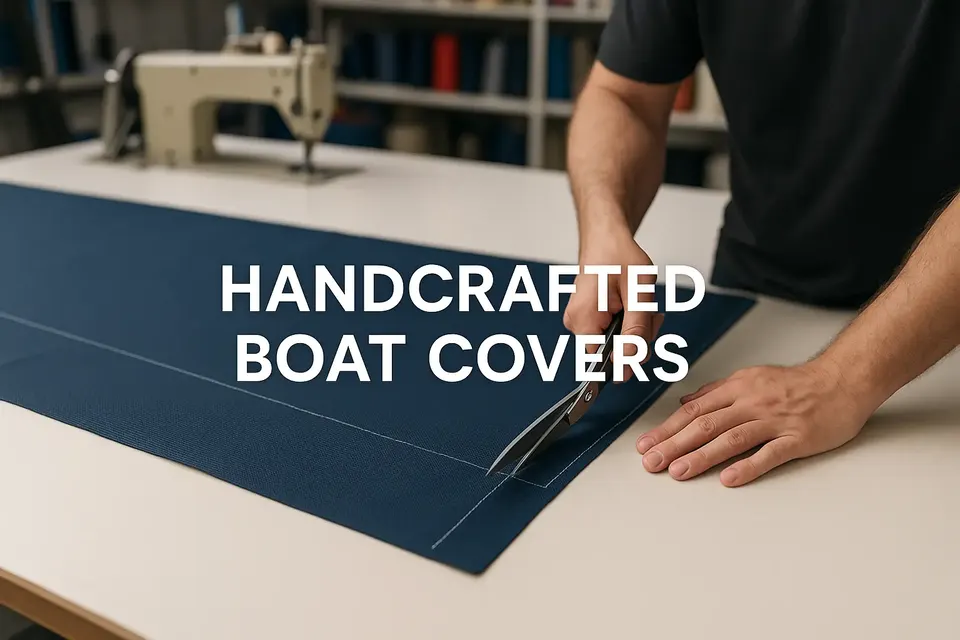
Our custom boat covers accommodate Nottingham's varied navigation. River sections demand covers managing strong current during high water, while canal sections need protection suited to static mooring in tree-lined environments. Versatile design serves both conditions through adaptable fitting systems.
Nottingham Castle Marina and City Moorings
Nottingham Castle Marina (operated by Aquavista) provides secure city-center mooring beneath the castle walls. The marina's position on the Nottingham Canal offers sheltered environment with electricity, water, and pump-out facilities. Nottingham Castle (built 1067, rebuilt 1674) overlooks the marina creating dramatic backdrop for moored boats.
Trent Bridge area offers additional visitor moorings on the south bank near the cricket ground. These riverside positions provide convenient city access but face exposure to river currents and wake from rowing clubs using this popular stretch. Covers need secure fitting managing dynamic water conditions.
The city's rowing heritage means substantial activity on Trent waters - Nottingham and Nottinghamshire Rowing Club, Nottingham University Boat Club, and Trent Rowing Club all base here. Peak activity (early mornings and evenings) creates regular wake - well-fitted covers prevent water ingress during these busy periods.
Beeston Canal and Lock Navigation
The Beeston Canal (completed 1796) creates navigable route bypassing Nottingham's city center. This 3-mile cut includes Beeston Lock, Meadow Lane Lock, and Castle Lock serving the Nottingham area. The canal's tree-lined character provides attractive cruising but creates specific cover requirements.
Dense tree canopy deposits sap, leaves, and debris on boats moored along Beeston Canal sections. Our marine-grade fabrics include easy-clean finishes preventing sap adhesion while maintaining breathable construction that avoids mildew in damp canal environments. Regular cruisers benefit from covers withstanding frequent fitting cycles during seasonal use.
National Watersports Centre Connection
Holme Pierrepont National Watersports Centre (east of Nottingham) includes a separate rowing course and country park adjacent to the Trent. While not directly on the navigation, many boaters visit during events - covers protect boats during these temporary moorings at visitor facilities.
The Trent's broad waters at this section provide excellent cruising - wide river reaches with good depths allowing faster passage than narrow canal sections. Boats capable of Trent navigation (typically 30-40ft river cruisers or wide beam craft) need covers managing the river's exposure to weather across open water.
Junction Complex at Trent Lock
Trent Lock junction attracts boaters exploring the connected network. The Erewash Canal heads north toward Langley Mill (Derbyshire), while the Cranfleet Cut provides alternative Trent access. Junction areas see varied boat types - narrowboats exploring canals, river cruisers on Trent passage, and day boats from local marinas.
The popular Trent Lock pub overlooks the junction creating social hub for boating community. Visitor moorings here fill quickly summer weekends - boats often moor overnight requiring covers protecting against overnight weather changes typical of inland England's variable climate.
East Midlands Weather Patterns
Nottingham's inland East Midlands position creates moderate rainfall (650mm annually), warm summers (occasionally exceeding 28°C), and cold winters with regular frosts. The Trent valley funnels easterly winds in winter bringing cold snaps, while summer westerlies provide warm settled periods.
River moored boats face full weather exposure - intense UV during clear summer days, driving rain from Atlantic systems, and frost accumulation during winter cold. Our covers balance UV resistance, waterproofing, and breathability managing these varied conditions year-round.
Boat Types and Navigation Patterns
Nottingham boaters use varied craft suited to Trent navigation's broad waters. River cruisers (30-40ft) dominate Trent sections, while narrowboats explore connected canals. Wide beam boats utilize the Trent's generous dimensions - navigation accommodates 145ft length x 18ft beam x 6ft draft.
Many boats base at Nottingham for exploring East Midlands waterways. Popular routes include Trent navigation toward Newark and Lincoln, Erewash Canal to Derbyshire, and connections to Trent & Mersey Canal via River Soar and Grand Union. Multi-day cruises demand durable covers withstanding regular use across varied waterway conditions.
Our postal copying service serves Nottingham's Trent boating community including Castle Marina, Beeston Canal, and Trent Lock junction moorings. Dispatch timing agreed before ordering ensures rapid service for East Midlands river cruisers.