The Peak Forest Canal, a jewel in the crown of the UK’s inland waterways, offers a truly distinctive cruising experience, seamlessly blending industrial heritage with the breathtaking natural beauty of the Peak District. For any boat owner contemplating a journey along this historic stretch, or those already fortunate enough to call it their home mooring, understanding its unique characteristics is paramount – not least when it comes to protecting your beloved vessel from the varied British weather. At ukboatcovers.com, as a family-run business based in Oxfordshire, we appreciate the dedication it takes to maintain a boat, and our bespoke covers are designed to meet the specific demands of waterways like the Peak Forest Canal. ## Waterway Geography, History, and Character Stretching for a scenic 14.5 miles, the Peak Forest Canal carves its path from Ashton-under-Lyne in Greater Manchester, through the historic mill towns, and eventually ascends into the dramatic landscapes of the Peak District, terminating at Whaley Bridge in Derbyshire. Its connection to the Ashton Canal means it’s part of a wider network, offering routes into the heart of Manchester and beyond. The canal's history is deeply intertwined with the Industrial Revolution. Conceived primarily to transport limestone from the quarries of Bugsworth Basin and coal from the collieries of the Manchester area, its construction, overseen by the visionary engineer Benjamin Outram, began in 1794 and was largely completed by 1800. This was an ambitious undertaking, necessitating extraordinary feats of engineering, most notably the towering Marple Aqueduct and the challenging flight of locks at Marple. The canal facilitated the burgeoning industries of the region, providing vital raw materials and fuel. While its commercial heyday waned with the advent of the railways, the canal was saved from dereliction by tireless restoration efforts in the latter half of the 20th century, particularly by the Peak Forest Canal Society. Today, the character of the Peak Forest Canal is one of striking contrasts. The initial stretch from Ashton-under-Lyne carries echoes of its industrial past, passing through urban and semi-urban environments. However, as one progresses towards Marple, the landscape gradually transforms, giving way to rolling hills, ancient woodlands, and the unmistakable grandeur of the Peak District foothills. It’s a waterway where you can moor amidst vibrant village life one night and wake up to the sound of birdsong and panoramic views of wild moorland the next. This blend of historical significance, engineering prowess, and natural splendour makes it an endlessly fascinating and rewarding canal to explore. ## Navigation Conditions Navigating the Peak Forest Canal offers a varied and generally tranquil experience, with one significant exception: the Marple Locks. This 16-lock flight is undoubtedly the canal's most famous and demanding feature. Descending or ascending 209 feet over just one mile, the Marple Locks are often described as a 'staircase' and require careful handling, patience, and often, the assistance of a good crew. They are typically well-maintained, but boaters should always be prepared for a full day of locking when tackling this section. Beyond Marple, the canal becomes largely lock-free, presenting a more relaxed cruising environment. Bridges along the Peak Forest Canal are numerous and often quite picturesque, many of them original stone structures. While generally presenting few issues for standard narrowboats, air-draft can occasionally be a consideration for taller vessels, particularly those with fixed superstructures or roof-mounted equipment. Always be mindful of bridge heights, especially after periods of heavy rain where water levels might be slightly elevated. As a canal, the Peak Forest generally experiences minimal currents, making for straightforward steering. However, care should always be taken near locks, especially when gates are being operated, as the sudden movement of water can create temporary eddies or currents that require a firm hand on the tiller. Unlike some of the UK's larger rivers, there are no tidal sections on the Peak Forest Canal, simplifying navigation considerably. Seasonal water levels are typically well-maintained by the Canal & River Trust, drawing from reservoirs in the surrounding hills. However, like all canals, prolonged periods of drought can lead to water shortages, potentially resulting in navigation restrictions, reduced lock operating hours, or even temporary closures. Conversely, exceptionally heavy rainfall can occasionally lead to short-term closures if water levels become too high or if there's localised flooding. Winter also brings its own challenges, with planned stoppages for essential maintenance work. It's always advisable to check the Canal & River Trust’s "notices and stoppages" section before planning a trip, particularly during the shoulder seasons or winter months. ## Weather and Seasonal Challenges The Peak Forest Canal's location on the edge of the Peak District means it is exposed to the often-unpredictable British weather, which can present significant challenges for boat owners. Understanding these conditions is crucial for ensuring the longevity and protection of your vessel, especially its covers. UV Exposure: Even in the UK, the sun’s ultraviolet (UV) rays can be surprisingly powerful, particularly during the summer months when reflections off the water intensify exposure. Prolonged UV radiation is the primary enemy of many boat cover materials, causing them to degrade, fade, become brittle, and eventually tear. This isn't just an aesthetic issue; a compromised cover offers reduced protection against rain and other elements. Protecting your boat from UV damage is paramount for preserving both the cover itself and the interior and exterior surfaces of your boat. Wind: The elevated and often open stretches of the Peak Forest Canal, especially as it climbs towards Whaley Bridge, can experience strong and gusty winds. These winds place considerable stress on boat covers, particularly at anchor points, seams, and where they are taut over frames. A poorly fitted or weak cover can quickly tear in high winds, leaving your boat exposed. Wind can also whip up debris, causing abrasive damage. Rain: The North West of England, including the Peak District, is renowned for its rainfall. A boat cover on the Peak Forest Canal must offer exceptional waterproofing to keep the interior dry, prevent damp, and ward off the perennial threat of mould and mildew. Constant damp conditions can be detrimental to upholstery, wooden surfaces, and electrical systems. Winter Risks: Winter brings its own set of challenges: freezing temperatures, ice, and snow. Ice can expand and damage hull fittings, and prolonged exposure to snow and ice can put immense strain on covers and superstructures. A robust, well-fitted winter cover is essential to protect your boat during the colder, inactive months, shielding it from frost, snow accumulation, and the damp cold that can lead to internal condensation and mould. Fading, Mould, and Mildew: These are the direct consequences of inadequate protection against the Peak Forest’s weather. Fading is primarily UV-induced, while mould and mildew thrive in damp, poorly ventilated conditions. A high-quality cover helps mitigate these issues, preserving your boat's appearance and structural integrity. ## Boat Cover Material Recommendations for This Waterway Given the specific challenges presented by the Peak Forest Canal's climate and environment, choosing the right material for your boat cover is crucial. At ukboatcovers.com, we offer a range of options, each with distinct advantages. For a more in-depth exploration of material properties, you can refer to our comprehensive boat cover material guide. Key Considerations: * UV Stability: As highlighted, UV degradation is a major concern. Any chosen material must have excellent inherent UV resistance or be treated to withstand prolonged sunlight exposure. * Waterproofing: With frequent rainfall, absolute waterproofing is non-negotiable for keeping your boat’s interior dry. * Breathability: While full waterproofing is essential, breathability is equally important to prevent condensation, which can lead to mould and mildew. A balance needs to be struck, or a design that incorporates ventilation features. * Durability: The material must be tough enough to withstand strong winds, potential abrasion, and general wear and tear from seasonal use. PVC vs. Acrylic Canvas: * PVC (Polyvinyl Chloride): Our heavy-duty PVC options are exceptionally waterproof and incredibly robust. They are often the material of choice for covers for specific boat areas or covers designed for boats that are left unattended for extended periods. PVC is easy to clean and highly resistant to environmental pollutants. Its primary drawback can be a lack of breathability if not properly ventilated, which could lead to condensation in damp conditions. However, with appropriate venting and design, it offers supreme protection against rain, snow, and strong winds, making it ideal for the harsher conditions found on the Peak Forest Canal in winter or during storage. * Acrylic Canvas: This is a popular choice for cruising covers and all-year-round protection due to its excellent breathability and superior UV resistance. Acrylic canvas has a more traditional "fabric" feel and appearance, which many boaters prefer. It is highly water-resistant and, when properly maintained and treated, offers fantastic protection from rain. Its breathability significantly reduces the risk of condensation and subsequent mould and mildew growth. While extremely durable, it may not offer the same absolute watertight seal as heavy-duty PVC over many years without re-proofing, but its ability to "breathe" makes it a top contender for actively used boats on the Peak Forest. Our Recommendation for the Peak Forest Canal: For active narrowboats on the Peak Forest Canal, we often recommend a high-quality acrylic canvas for your primary cruising cover. Its blend of UV resistance, breathability, and water repellency makes it ideal for the varied conditions encountered during the boating season. However, for winter lay-up or long periods of inactivity, particularly if your boat is exposed to the full force of the elements, a bespoke, heavy-duty PVC winter cover provides unparalleled protection against snow, ice, and persistent damp. Our fabric options are diverse enough to meet these needs, and we can advise on the best material for your specific usage and boat type. All our covers are custom-made, ensuring a perfect fit that minimises stress points and maximises protection. If you need assistance, please explore our bespoke services to understand how we can tailor a solution precisely for your boat. ## Popular Mooring Towns and Cruising Centres The Peak Forest Canal is dotted with charming towns and historic basins that serve as popular mooring spots and cruising centres, each offering its own unique appeal and amenities. * Ashton-under-Lyne: As the starting point of the canal (or end, depending on your direction), Ashton-under-Lyne provides easy access to the wider canal network and urban conveniences. It’s a busy town with shops, supermarkets, and transport links, making it a practical spot for provisioning and crew changes. * Marple: Arguably the heart of the Peak Forest Canal, Marple is a vibrant village famed for its 16-lock flight and the majestic Marple Aqueduct. It's a hugely popular place for boaters, offering a good range of pubs, restaurants, local shops, and essential services. The village provides a perfect base for exploring the canal and the surrounding countryside, acting as a gateway to the Peak District. Moorings here are often busy but well worth the effort for the village's charm and amenities. * Bugsworth Basin: This historically significant basin was once the largest inland port in the country, playing a vital role in the limestone trade. Meticulously restored, Bugsworth Basin is now a peaceful and fascinating mooring location. It offers a glimpse into the canal’s industrial past and is a tranquil spot surrounded by countryside, with a pub nearby. It’s a favourite for those seeking a more rural and historical experience.
Peak Forest Canal Boat Covers
Type: Canal
Location: Greater Manchester - Ashton to Whaley Bridge
Length: 14.5 miles
Features: Marple Locks (16 flight), Peak District views, Marple Aqueduct, Whaley Bridge terminus
Quick Answers: Boat Covers for Peak Forest Canal
Boat covers for Peak Forest Canal require an individual quote for canopies and an individual quote is required for tonneau covers. No VAT charged - pay the price shown. Post your old cover to UK Boat Covers for an exact copy according to the agreed schedule.
We serve boat owners across the Peak Forest Canal and all UK waterways. Family-run specialists since 2015.
Boat cover companies on Peak Forest Canal?
UK Boat Covers serves boaters on the Peak Forest Canal. Post your old cover to us - we'll make an exact copy using marine-grade materials. UK-wide postal service.
How much are boat covers for Peak Forest Canal boats?
Boat covers require an individual quote. Tonneau covers require an individual quote, canopies require an individual quote. No VAT charged - pay the price shown.
New canopy for Peak Forest Canal cruiser?
Order replacement canopies for cruisers, narrowboats, and dayboats on the Peak Forest Canal. UV-resistant marine canvas, waterproof, dispatch timing agreed before ordering.
Replacement tonneau cover Peak Forest Canal?
Heavy-duty tonneau covers for Peak Forest Canal boats. Post your old cover - we copy it exactly. PVC or acrylic canvas options.
Bespoke boat covers for Peak Forest Canal?
Every cover is made to measure for your boat. We copy your old cover exactly - zips, windows, custom features included. Dispatch timing agreed before ordering.
UK boat cover postal service?
Post your old cover from anywhere in the UK. We serve boaters on the Peak Forest Canal and all UK waterways. Family-run business in Oxfordshire.
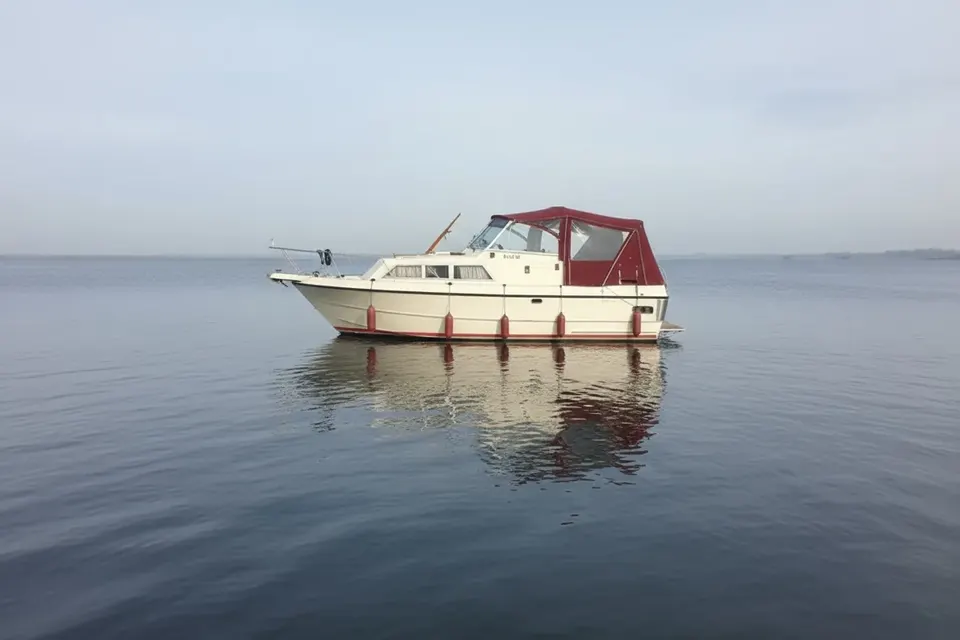
Towns & Locations on the Peak Forest Canal
View boat cover services in specific locations:
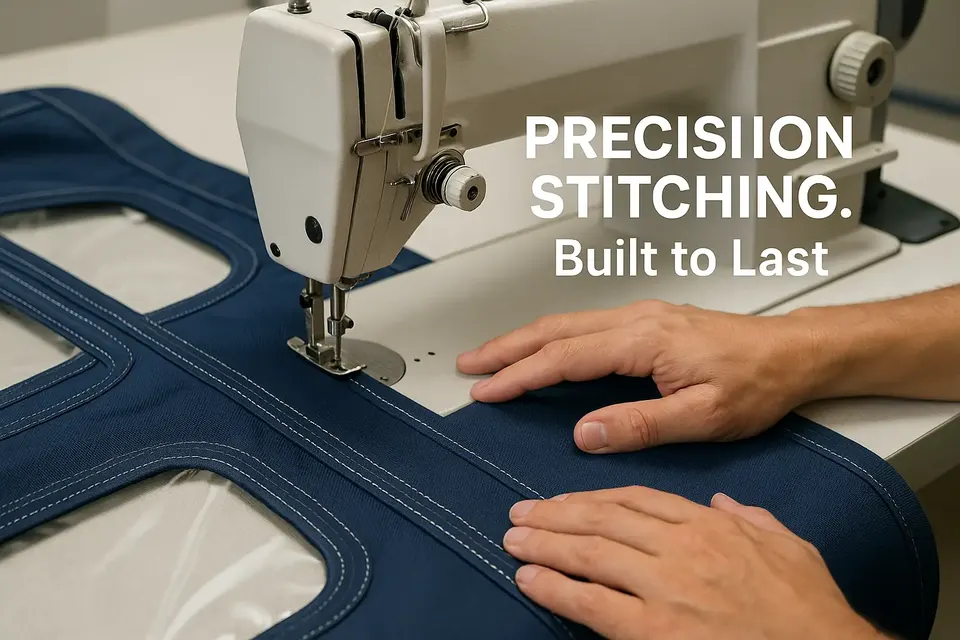
Get a Quote
Need a bespoke boat cover for your Peak Forest Canal boat?
Contact Ryan for a free quote - No VAT, dispatch timing agreed before ordering.
Or call to discuss your requirements. We serve boat owners across all UK waterways.
Popular Boat Models on the Peak Forest Canal
We make covers for all these popular river cruisers and canal boats:
Canal Boat Cover Types
We make bespoke covers for all types of canal boats on the Peak Forest Canal: