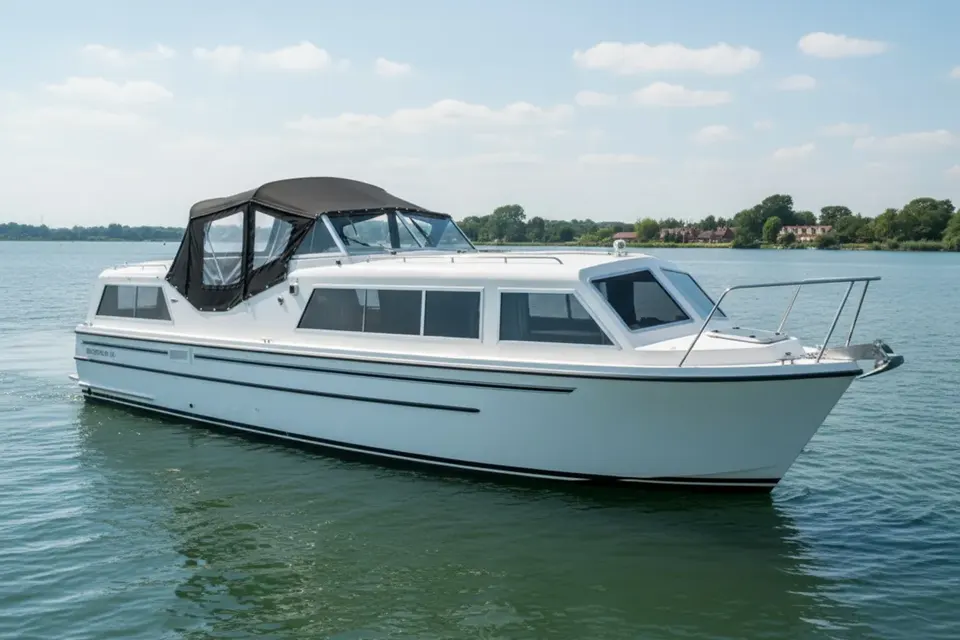
Embarking on a journey along the Llangollen Canal is to immerse oneself in a landscape of breathtaking beauty, remarkable engineering, and a tranquility that belies the historical industrial purpose of this waterway. For boat owners venturing into this spectacular corner of the UK, understanding the unique characteristics of the Llangollen Canal is paramount, not just for a smooth passage, but also for ensuring your vessel is adequately protected from the elements. As a family-run business based in Carterton, Oxfordshire, ukboatcovers.com prides itself on crafting bespoke boat covers designed to withstand the very challenges you’ll encounter on canals like the Llangollen, ensuring your narrowboat or cruiser remains in pristine condition, year after year. ## Waterway Geography, History, and Character The Llangollen Canal is a true gem of the British canal network, a 46-mile mainline stretching from Hurleston Junction in Shropshire, across the English border, and deep into the heart of North Wales, culminating in the picturesque town of Llangollen. It is renowned globally not just for its stunning natural beauty, winding through verdant valleys and alongside rolling hills, but also for its audacious feats of engineering. The canal’s journey is one of contrast: beginning in the gently undulating farmlands of Cheshire, it gradually ascends into the dramatic Welsh borders, offering increasingly spectacular views around every bend. Historically, the Llangollen Canal, originally known as the Ellesmere Canal, was conceived during the late 18th and early 19th centuries as a crucial link in the transportation of coal, limestone, and agricultural produce from the rich mining areas of North Wales and Shropshire to markets further afield. It was part of a grander network designed by celebrated engineers such as Thomas Telford and William Jessop. Their vision led to the construction of structures that were revolutionary for their time and remain awe-inspiring today. The canal’s character is defined by this blend of purpose and beauty. It’s a waterway that feels both wild and meticulously sculpted by human endeavour. While its working heritage is evident in its locks and bridges, its primary appeal today is recreational, drawing thousands of boaters, walkers, and cyclists each year to experience its unique charm. It’s a canal that demands respect for its engineering and reverence for its natural setting, a journey through history and unspoilt landscapes. ## Navigation Conditions: Locks, Bridges, and Water Management Navigating the Llangollen Canal offers a varied experience that combines periods of leisurely cruising with moments demanding focused attention. The canal features 21 locks in total along its main line, with a significant concentration at the Hurleston end. The four locks at Hurleston bring boats up from the Shropshire Union Canal, acting as a gateway to the Llangollen. Further along, the Grindley Brook Locks present a challenging but rewarding staircase of three locks operated by a lock keeper during peak season, requiring careful coordination and teamwork. Beyond these initial challenges, the remainder of the canal is largely lock-free, allowing for long stretches of uninterrupted cruising through some of the most scenic parts of the route. Bridges are plentiful along the Llangollen, many of them low-arched, characteristic of early canal architecture. Boaters must exercise caution, particularly with taller boats, ensuring adequate headroom. Most bridges are stone-built, adding to the canal’s historic aesthetic. While canals are generally devoid of strong currents, the Llangollen has unique considerations regarding water management. The canal is fed by the River Dee via a feeder channel near Llangollen, ensuring a consistent water supply. However, seasonal variations, particularly during prolonged dry spells or periods of heavy rain, can affect water levels. The Canal & River Trust (CRT) monitors this closely, and while significant fluctuations are rare, boaters should always check for any navigation advisories, especially concerning draught restrictions. There are no tidal sections on the Llangollen Canal, making for predictable water levels, though the exposed nature of the aqueducts and open stretches can mean wind plays a more significant role than on more sheltered waterways. The approach to the Pontcysyllte Aqueduct, for example, is notoriously open, and boaters must be prepared for potential crosswinds when crossing this magnificent structure. ## Weather and Seasonal Challenges The Llangollen Canal, traversing both English plains and Welsh valleys, is subject to the notoriously unpredictable British weather, which presents several challenges for boat owners and their covers. Understanding these conditions is crucial for selecting the right boat cover to protect your investment. UV Exposure: While often associated with sunnier climes, the UK still experiences significant UV radiation, particularly during the spring and summer months. The Llangollen Canal has many open stretches, most notably the towering Pontcysyllte Aqueduct and the Chirk Aqueduct, where boats are completely exposed to direct sunlight. Prolonged UV exposure can degrade gelcoats, fade interior fabrics, and, crucially, weaken standard boat cover materials over time, leading to premature failure. A high-quality cover with excellent UV resistance is therefore not just a luxury but a necessity to protect your boat’s surfaces and maintain its aesthetic appeal. Wind: The elevated position of the aqueducts and the canal’s passage through open valleys mean that wind can be a considerable factor. Gusts can be strong, particularly on the Pontcysyllte, where your boat will be 126 feet above the River Dee. A boat cover must be securely fitted and robustly constructed to withstand these forces, preventing flapping, tearing, and potential damage to the boat itself. A poorly fitted cover acts like a sail, putting undue stress on fastenings and fabric. Winter Risks: While the Llangollen Canal is primarily a summer cruising destination, boats often remain moored through the winter months. Freezing temperatures bring the risk of ice formation, which can damage hulls, particularly GRP vessels if water freezes in confined spaces. Covers designed to shed snow and ice are essential, preventing heavy build-up that can stretch or tear the fabric. Furthermore, the damp UK winter climate increases the risk of condensation and mildew beneath covers if they are not adequately breathable, leading to unpleasant odours and potential damage to interior fabrics and woodwork. Rain and Damp: Typical British weather means rain is a constant companion, irrespective of the season. A boat cover must be 100% waterproof to protect your boat’s interior from ingress. However, waterproofing alone is not enough; the damp atmosphere of the Welsh borders, combined with persistent rain, necessitates a cover that also allows for sufficient airflow to prevent the build-up of moisture and subsequent mildew or mould. ## Boat Cover Material Recommendations for THIS Waterway Given the unique environmental pressures of the Llangollen Canal – from intense UV exposure on open aqueducts to the damp Welsh climate and potential for strong winds – selecting the right boat cover material is crucial for optimal protection. At ukboatcovers.com, we understand that a one-size-fits-all approach simply won't do. For boats on the Llangollen Canal, we primarily recommend high-quality, marine-grade acrylic canvas. This material offers a superior blend of characteristics essential for this waterway: * UV Protection: Solution-dyed acrylic fabrics offer exceptional UV resistance. The colour pigments are impregnated into the fibres before weaving, meaning they won't fade or degrade as quickly under the intense sunlight experienced on exposed canal sections. This long-term UV stability protects not only the cover itself but also your boat’s delicate interior and exterior finishes. * Breathability: This is arguably one of the most critical features for a boat cover on the Llangollen Canal. The damp climate, combined with inevitable condensation, means that covers must allow trapped moisture vapour to escape. Acrylic canvas is inherently breathable, preventing the build-up of mildew, mould, and stale odours that can plague boats covered with less breathable materials. This ensures a healthier environment for your boat and prolongs the life of its interior fittings. * Waterproofing: While breathable, high-quality acrylic canvas is also treated with a durable water-repellent finish, making it effectively waterproof. Rainwater beads off the surface, keeping your boat dry inside without trapping moisture. * Durability and Aesthetics: Acrylic offers excellent tensile strength, resisting tearing and abrasion from wind-induced flapping. Its aesthetic appeal is also superior, retaining its vibrant colour and smart appearance for many years, which complements the picturesque surroundings of the canal. You can explore our various fabric options on our website to see the range available. While PVC (Polyvinyl Chloride) materials offer superb waterproofing and are often favoured for heavy-duty winter covers or certain industrial applications, they are generally less breathable than acrylic. For continuous use as a cruising or all-season cover on the Llangollen, the lack of breathability in PVC can lead to condensation and mildew problems, particularly in the humid environment. However, for a boat left for extended periods over winter or for transport, a heavy-duty PVC cover might be considered as a secondary, more robust option to withstand extreme elements, provided adequate ventilation is ensured underneath. Ultimately, the best cover for your Llangollen Canal boat will be a bespoke one, tailored precisely to its dimensions and specific requirements. A custom fit ensures maximum protection against wind, preventing flapping and abrasion, and guarantees that water is shed effectively, leaving no puddles to stretch the fabric. This precision fit is something we specialise in at ukboatcovers.com, understanding that every curve and contour of your boat plays a role in its long-term protection. ## Popular Mooring Towns and Cruising Centres The Llangollen Canal offers a delightful progression of mooring towns and cruising centres, each providing unique amenities and attractions, making it a joy to explore both on and off the water. Starting from Hurleston Junction, where the Llangollen branches off the main Shropshire Union Canal, you’ll find basic services and a quiet rural setting. This is often the starting point for journeys, a place to gather provisions and prepare for the adventure ahead. The locks at Grindley Brook are a notable feature, and beyond them lies a pleasant stretch leading to Whitchurch. This historic market town offers excellent amenities, including shops, pubs, and restaurants, making it a popular overnight stop. The Whitchurch Arm of the canal leads directly into the town centre, providing convenient moorings. Further west, Ellesmere is a charming town known as the ‘Lake District of Shropshire’ due to its beautiful meres. It’s a fantastic place to moor, explore the town, visit the gardens, and enjoy the local hospitality. The short Ellesmere Arm provides good mooring and access to shops. The canal then meanders towards Frankton Junction, where the Montgomery Canal branches off, though much of it is currently unrestored. Frankton offers a sense of rural tranquillity and is a key historical point on the network. As you head deeper into Wales, the landscape becomes more dramatic. Chirk is a major highlight, home to the impressive Chirk Aqueduct and Chirk Tunnel. Mooring near the aqueduct allows easy access to Chirk Castle (National Trust) and the beautiful surrounding countryside. The village itself has pubs and a few shops. Finally, the journey culminates in the vibrant Welsh town of Llangollen. Nestled in a valley, it’s a bustling tourist hub with plenty of shops, cafes, pubs, and attractions. Moorings are available close to the town centre, and from here, you can explore Castell Dinas Bran, take a steam train ride, or walk along the River Dee. Llangollen marks the end of the navigable canal, and it's a fitting reward for navigating this extraordinary waterway. Each of these centres provides crucial opportunities for re-provisioning, enjoying local culture, and resting after a day's cruising, contributing significantly to the overall experience of the Llangollen Canal.
For more information, visit our services, postal copy service.