Battling the Shetland Elements: Why a Premium Boat Cover is Your Lerwick Vessel's Best Defence
Lerwick, the bustling heart of Shetland, UK, is more than just a harbour; it’s a crucible where the raw power of the North Atlantic meets the enduring spirit of maritime tradition. For generations, this rugged coastline has shaped the lives of its inhabitants, demanding respect and resilience from all who navigate its waters. Here, where the winds whisper tales of ancient Vikings and the waves crash with an untamed energy, the decision to invest in a quality boat cover isn't merely a choice – it's an imperative for the longevity and preservation of your cherished vessel.
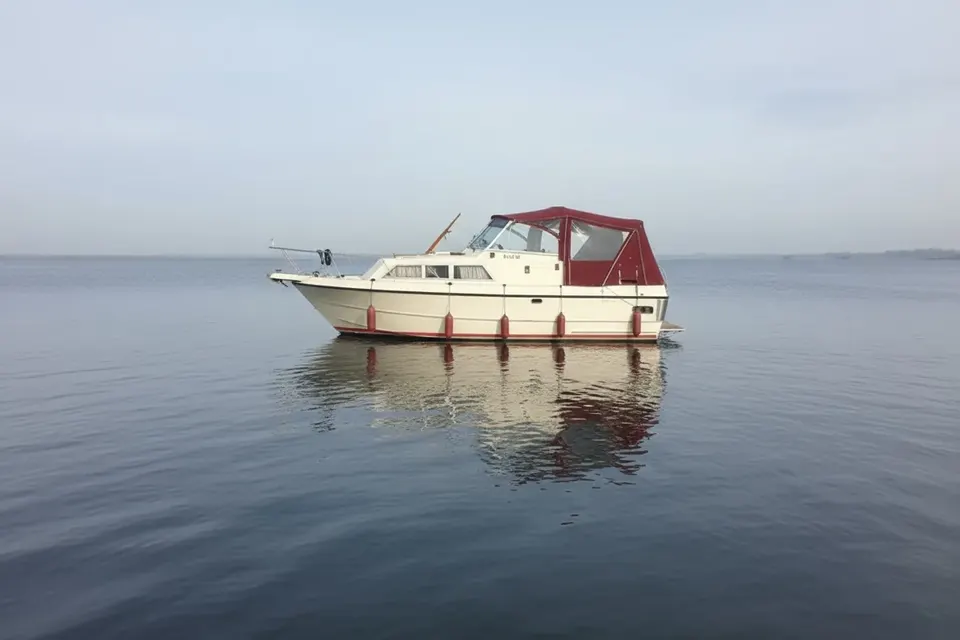
Imagine your beautiful sailing yacht, its mast proudly pointing towards the vast northern sky, or your comfortable cabin cruiser, a sanctuary against the chill, moored peacefully in Lerwick Harbour. They represent freedom, adventure, and countless hours of enjoyment. Yet, beneath this idyllic facade, an invisible war is constantly being waged against the relentless forces of nature. Salt spray, gale-force winds, and insidious UV radiation are not just minor irritants; they are relentless adversaries, each capable of inflicting slow, cumulative damage that compromises aesthetics, structural integrity, and ultimately, your boat's value and lifespan.
This article will delve deep into the unique challenges posed by Lerwick's coastal environment and illuminate why robust, custom-fitted boat covers, canopies, tonneau covers, and spray hoods are not just accessories, but fundamental necessities for the sailing yachts, cabin cruisers, day cruisers, river boats, and fishing boats that grace these northern waters. We will explore how a specialist provider, UK Boat Covers, offers an unparalleled solution specifically tailored for remote locations like Shetland, with an innovative postal service and a remarkable pricing advantage that makes premium protection accessible to all.
Lerwick's Maritime Heart: A Haven and a Challenge
Lerwick Harbour, managed by the Lerwick Port Authority, is a vibrant hub, serving as a gateway to Shetland for ferries, a bustling port for fishing fleets, and an increasingly popular destination for leisure craft. Its natural deep-water harbour provides excellent shelter in many conditions, but its exposed location on the east coast of Shetland means it remains profoundly susceptible to the broader North Atlantic weather patterns.
The boating community in Lerwick is diverse, reflecting the islanders' deep connection to the sea. Sailing yachts, from nimble day cruisers to larger, ocean-going vessels, are a common sight, their sails hinting at adventures across the open sea. Cabin cruisers, offering comfort and extended cruising capabilities, find favour with those exploring Shetland's intricate coastline or venturing to neighbouring islands. While less common, the occasional river boat might be seen, perhaps transported for a specific purpose, and robust fishing boats, both commercial and recreational, are an ever-present feature, embodying the practical marine heritage of the islands. Each of these vessel types, regardless of its primary function, shares a common vulnerability to the elements and an equal need for comprehensive protection.
The marinas within Lerwick, including those near the Viking Bus Station or other dedicated berths, offer secure moorings, but they cannot shield a vessel from the overhead assault of the weather. Here, the true value of a protective covering becomes undeniable.
The Unforgiving Shetland Climate: Three Primary Adversaries
To understand the critical role of boat covers, one must first grasp the specific, potent environmental challenges presented by Lerwick's coastal location.
1. The Corrosive Caress of Salt Spray
Shetland is an archipelago constantly buffeted by the sea. This means that even on days that appear calm, the air is often laden with microscopic particles of salt, carried inland by prevailing winds or thrown up by the constant action of waves against the shore. For boats, this omnipresent salt spray is a relentless, insidious attacker.
- Accelerated Corrosion: Salt is a highly corrosive agent. On metal components – cleats, stanchions, mast fittings, hinges, and even the fasteners holding your deck together – salt acts as a catalyst for rust and galvanic corrosion. Without protection, these vital components will degrade at an alarming rate, weakening structural integrity and leading to expensive repairs or replacements.
- Abrasive Residue: When salt spray dries, it leaves behind crystalline deposits. These crystals can be surprisingly abrasive, especially when combined with wind. They can scratch delicate surfaces like gelcoat, windows, and polished finishes, dulling their lustre and making them susceptible to further damage.
- Electrical System Compromise: Saltwater is an excellent conductor of electricity. If salt spray penetrates into wiring, electrical connections, or electronic equipment, it can cause short circuits, corrosion of terminals, and ultimately, system failures. This is a significant concern for the complex electrical systems found in modern sailing yachts and cabin cruisers.
- Fabric Degradation: Even fabrics, especially those not specifically designed for marine environments, can suffer. Salt crystals can abrade fibres, making them brittle and more prone to tearing. They can also attract moisture, fostering mildew and mould growth, particularly in damp, unventilated spaces.
- Difficulty in Cleaning: Dried salt residue is notoriously difficult to remove completely, often requiring specific cleaning agents and persistent effort. A boat cover significantly reduces the amount of salt that reaches your vessel, thus cutting down on laborious cleaning time and preserving surfaces.
2. The Relentless Force of Coastal Winds
Lerwick is synonymous with wind. From gentle breezes to ferocious gales, the wind is an almost constant companion. While exhilarating for sailors on the open water, for a moored vessel, it presents a host of challenges.
- Physical Stress and Abrasion: High winds exert immense physical stress on all parts of a boat. Rigging on sailing yachts can chafe, lines can slap against the mast, and anything exposed can vibrate or move, leading to wear and tear. A boat cover, if properly fitted and secured, protects these elements from direct wind exposure. Critically, loose or ill-fitting covers can paradoxically become a source of damage themselves, flapping and abrading the boat's surfaces. This underscores the need for custom-fitted solutions.
- Driving Rain and Debris: Wind doesn't just push air; it drives rain with incredible force, forcing moisture into every crevice and joint. It also carries airborne debris – dust, grit, leaves, and even small stones – which can scratch surfaces and clog drainage systems. A well-constructed cover acts as a physical barrier, deflecting these elements.
- Accelerated Drying and Cracking: Paradoxically, while wind drives moisture, it can also accelerate drying, particularly of wood and composite materials. This rapid drying, especially after a period of dampness, can lead to cracking and warping of wooden components and sealant failure around deck fittings. A cover helps regulate moisture and temperature, offering a more stable environment.
- Bird and Pest Infestation: While not directly a wind effect, strong winds can make boats attractive nesting or resting spots for birds. Bird droppings are highly acidic and can cause significant staining and damage to gelcoat and fabrics. Covers deter birds and other pests from making your boat their home.
3. The Insidious Damage of UV Exposure
Even in Shetland's often-overcast skies, ultraviolet (UV) radiation from the sun poses a significant threat to your boat. UV rays are a silent destroyer, working relentlessly to break down materials at a molecular level.
- Gelcoat Fading and Chalking: The vibrant colours of your boat's hull and superstructure are susceptible to UV degradation. Over time, UV rays break down the pigments and resins in the gelcoat, leading to fading, discolouration, and a phenomenon known as "chalking," where the surface becomes dull and powdery. This diminishes the boat's aesthetic appeal and protection.
- Fabric Weakening and Fading: Any exposed fabric – sails, ropes, upholstery, biminis, or existing covers – will suffer from UV exposure. Fibres become brittle, lose their strength, and colours fade dramatically. This reduces the lifespan of expensive sails and canvas work, requiring premature replacement.
- Plastic and Rubber Degradation: Plastic components, such as deck hatches, instrument covers, and wiring insulation, become brittle and crack under prolonged UV exposure. Rubber seals and gaskets harden and lose their elasticity, compromising their ability to keep water out.
- Wood Deterioration: Exposed wooden elements, even if varnished or oiled, will eventually suffer from UV damage, leading to greying, cracking, and loss of protective coatings.
- Interior Damage: If UV rays penetrate through windows or open hatches, they can cause fading and degradation of interior fabrics, upholstery, and wooden finishes, ruining the boat's internal comfort and appeal.
These three adversaries, often working in concert, make the marine environment of Lerwick uniquely demanding for boat owners. Without adequate protection, the lifespan of your vessel is significantly curtailed, and maintenance costs soar.
The Indispensable Role of Boat Covers in Coastal Environments
Given the formidable challenges of Lerwick's climate, the rationale for investing in high-quality boat covers, canopies, tonneau covers, and spray hoods becomes overwhelmingly clear. They are not merely luxury items but fundamental tools for preservation and responsible boat ownership.
- Comprehensive Protection from the Elements: This is the primary and most obvious benefit. A well-fitted cover acts as a complete shield against salt spray, driving rain, wind-borne debris, and the relentless assault of UV radiation. It prevents these elements from directly contacting your boat's surfaces, vastly extending the life of gelcoat, varnish, fabrics, and metalwork. For sailing yachts, a cover protects crucial rigging components and lines from UV and salt, maintaining their integrity. For cabin cruisers, it ensures the interior remains dry and free from external contaminants.
- Preservation of Value and Aesthetics: A boat that is consistently protected by a cover will retain its aesthetic appeal and structural integrity far longer than one left exposed. This preservation directly translates to a higher resale value. Prospective buyers are more likely to invest in a boat that shows minimal signs of weather-related wear and tear, and a well-maintained exterior is the first indicator of a well-cared-for vessel.
- Significant Reduction in Maintenance and Cleaning: Imagine the hours saved not having to scrub salt crusts, remove bird droppings, or deep-clean mildew from exposed surfaces. A cover drastically reduces the frequency and intensity of cleaning required. It keeps the deck, cockpit, and cabin exterior free from grime, leaves, and other airborne pollutants, allowing you to spend more time enjoying your boat and less time maintaining it.
- Enhanced Longevity of Components: Every part of your boat, from the smallest fastener to the largest sail, has a finite lifespan. Exposure to the elements significantly accelerates this degradation. By providing a protective barrier, covers extend the life of sails, ropes, cushions, electronics, and all external fittings, delaying the need for costly replacements. This is especially true for spray hoods on sailing yachts, which protect the instruments and crew from the direct impact of waves and wind, keeping the cockpit drier and warmer.
- Deterrence Against Theft and Vandalism: While not impregnable, a fitted boat cover adds a layer of security. It makes the boat less accessible, conceals valuable equipment from opportunistic thieves, and makes it more difficult for vandals to cause damage. For a boat moored in a busy harbour like Lerwick, this added deterrent can provide significant peace of mind.
- Interior Protection and Environmental Control: For cabin cruisers and larger sailing yachts, a boat cover not only protects the exterior but also has a significant impact on the interior. By preventing water ingress through hatches or deck fittings, it keeps the cabin dry and reduces the risk of mould and mildew. It also helps to moderate interior temperatures, reducing the "oven effect" on sunny days and offering some insulation on colder ones, especially important for boats used as temporary accommodation.
- Protection for Specific Areas: Tonneau covers are perfect for providing quick, localised protection for open cockpits on day cruisers or cabin cruisers, keeping seats and controls dry and clean. Canopies offer overhead shelter, ideal for longer stays at anchor or in the marina, allowing owners to enjoy the deck even in light rain or strong sun. Spray hoods, a critical component for sailing yachts, provide essential shelter for the helmsperson and crew, making passages in rough weather significantly more comfortable and safer by deflecting waves and wind.
Focus on Specific Cover Types: Tailored Protection
Lerwick's diverse fleet demands a range of protective solutions, each designed for specific needs and boat types.
Canvas Covers: The Versatile Workhorse
When we speak of "canvas covers" in a modern marine context, we are generally referring to sophisticated marine-grade textiles, often acrylic (like Sunbrella) or heavy-duty polyester, rather than traditional cotton canvas. These materials are engineered for superior performance in harsh environments.
- Material Science: Modern marine canvas is typically solution-dyed acrylic, renowned for its exceptional UV resistance, colourfastness, and breathability. It resists mildew and is highly water-repellent, not waterproof – allowing moisture vapour to escape, preventing condensation and mould growth beneath. Polyester covers offer high strength and abrasion resistance, often with PVC or polyurethane coatings for enhanced waterproofing, but may be less breathable.
- Applications: Canvas covers are the primary choice for overall boat protection. For sailing yachts, they can cover the entire deck and cockpit, protecting the mast base, deck fittings, winches, and coamings. For cabin cruisers and fishing boats, full covers can shield the entire superstructure, windows, and decks from the elements when the boat is not in use. They can also be sectioned, covering only the cockpit or specific areas.
- Key Features: Look for double-stitched seams, reinforced stress points (at cleats, stanchions, windshield corners), durable fastening systems (straps, clips, bungee cords), and breathable vents to prevent moisture buildup. Custom fitting is paramount to prevent flapping and abrasion in high winds.
Canopies: Overhead Comfort and Protection
Marine canopies provide overhead shelter, offering a semi-permanent solution for protection while allowing continued use or easy access to the covered area.
- Design and Function: Canopies are typically supported by a frame (often stainless steel or aluminium) and cover a specific section of the boat, most commonly the cockpit or deck area. They are found on cabin cruisers to create an extended living space, on day cruisers for sun protection, and even on some fishing boats to shelter the helm or fishing station.
- Materials: Similar to canvas covers, marine-grade acrylic or coated polyester fabrics are used, prioritising UV resistance and water repellency. Clear vinyl windows are often incorporated to maintain visibility.
- Benefits: Canopies allow boat owners to enjoy their vessel even during light rain or intense sun. They provide shade, reduce glare, and protect the cockpit upholstery and instruments from direct exposure. They can also be enclosed with side and aft curtains to create a fully protected additional cabin space, ideal for entertaining or storing gear.
Tonneau Covers: Streamlined Cockpit Defence
UK Boat Covers makes covers for specific areas, including cockpit and tonneau covers, cratch covers and replacement canopy canvas. We do not make whole-boat or winter-storage covers, or supply or install supporting framework. Tell us which area needs covering before requesting a quote.
- Purpose: Primarily designed for day cruisers, smaller cabin cruisers, and sometimes fishing boats with open cockpits, tonneau covers provide a sleek, low-profile barrier against the elements when the boat is not in use. They cover the open cockpit from the windshield aft, protecting seats, helm controls, and any gear left on board.
- Materials and Fit: Made from durable, UV-resistant marine canvas (often polyester or acrylic), tonneau covers are typically custom-fitted to hug the contours of the cockpit, often attaching with snaps, press studs, or bungee cords. This snug fit is crucial to prevent water pooling and wind lifting.
- Advantages: They are quicker and easier to install and remove than full covers, making them ideal for frequent use. They are excellent for keeping rain, salt spray, bird droppings, and UV off the interior of the cockpit, significantly reducing cleaning and wear on upholstery.
Spray Hoods: Essential for Sailing Yacht Safety and Comfort
For sailing yachts, a spray hood is an indispensable piece of equipment, providing crucial protection for the crew and the instrumentation in the cockpit.
- Function: Mounted forward of the cockpit, typically over the companionway, a spray hood (also known as a dodger) deflects waves and spray that come over the bow, preventing them from soaking the cockpit and entering the cabin. It also offers significant shelter from wind and driving rain.
- Construction: Spray hoods are built around a robust stainless steel frame, over which marine-grade fabric (almost exclusively solution-dyed acrylic for its UV resistance and longevity) is stretched. Clear vinyl windows are strategically placed for visibility forward and to the sides.
- Benefits on Shetland Waters: In the often-lively conditions around Shetland, a spray hood is a game-changer. It makes passages far more comfortable, allowing the crew to stay drier and warmer at the helm. It protects vital electronics and navigation instruments from water ingress, extending their life. It also offers a degree of privacy and can act as a windbreak when moored, making the cockpit a more pleasant space. Often, a spray hood is designed to integrate with a cockpit tent or full enclosure, further extending the usable sheltered space on a sailing yacht.
Each of these cover types, when crafted with precision and using appropriate materials, forms an essential part of a comprehensive protection strategy for vessels in Lerwick.
Lerwick's Marinas and Harbours: Where Protection Becomes Paramount
The Lerwick Port Authority manages extensive facilities that cater to a wide array of vessels. For leisure craft, mooring options vary, from visitor berths in the town centre to more permanent arrangements in designated areas. While these harbours offer a degree of shelter from the open sea, they are by no means immune to the broader weather influences.
Boats moored in Lerwick Harbour, whether it's a sailing yacht on a pontoon near the esplanade or a cabin cruiser in a more sheltered nook, are still fully exposed to the salt-laden air, the driving rain, and the strong winds that sweep through the town. The constant ebb and flow of tides can also put stress on moorings and boat components.
This direct exposure means that the argument for robust boat covers is perhaps even stronger for those permanently based in Lerwick compared to boats in more benign, southern waters. The cumulative effect of daily exposure here is far more aggressive, making proactive protection not just advisable, but vital for economic and practical reasons. A boat cover here isn't just about keeping things clean; it's about preserving the very fabric of your vessel in a challenging, yet rewarding, maritime environment.
The UK Boat Covers Advantage: A Tailored Solution for Shetland Boaters
For boat owners in a remote yet vibrant maritime community like Lerwick, finding a supplier that combines expertise, quality, and logistical efficiency is crucial. This is where UK Boat Covers stands apart, offering a bespoke solution that directly addresses the unique needs of Shetland boaters.
The Revolutionary postal service with agreed dispatch timing: Send Your Old Cover, Receive Your New One
One of the most significant logistical hurdles for bespoke marine canvas work in remote locations is the need for accurate measurements. Traditionally, this would involve a specialist travelling to the boat, an expensive and time-consuming undertaking for a Shetland-based vessel. UK Boat Covers has ingeniously circumvented this challenge with their innovative postal service with agreed dispatch timing.
The premise is brilliantly simple and effective:
- You Send Your Existing Cover: If you have an old, worn-out cover, canopy, tonneau cover, or spray hood that you wish to replace, you simply carefully remove it from your vessel. Even if it's damaged, torn, or faded, its original shape and dimensions are invaluable.
- Precise Replication: Upon receipt, the skilled artisans at UK Boat Covers use your old cover as a meticulously accurate template. They scan, measure, and digitise every seam, curve, fastening point, and reinforcement. This ensures that the new cover will be an exact, perfect fit – often even better than the original, as they can incorporate design improvements based on common wear patterns.
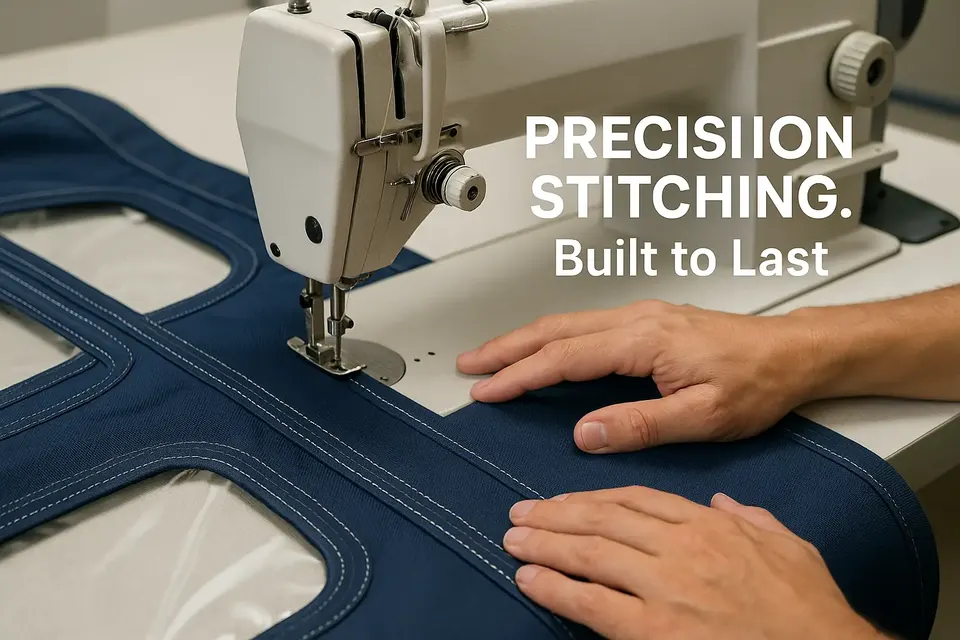
- Crafting Your New Cover: Utilising the highest quality marine-grade fabrics (such as solution-dyed acrylics or heavy-duty coated polyesters chosen for Lerwick's conditions) and robust hardware, they custom-manufacture your new cover. Every stitch is placed with precision, and all stress points are reinforced to withstand the rigours of the North Atlantic.
- Rapid Turnaround and Delivery: The process, from the moment your old cover arrives at their workshop to the dispatch of your new, perfectly crafted cover, typically takes just an agreed dispatch timeframe. This rapid turnaround minimises the time your boat is left exposed and maximises convenience. The new cover is then carefully packaged and sent back to you in Lerwick via reliable postal service.
Why is this service a game-changer for Lerwick?
- Unparalleled Accuracy: It guarantees a perfect, custom fit without the need for expensive site visits or reliance on generic patterns that may not precisely match your specific boat model's variations.
- Cost-Effectiveness: It eliminates travel costs for pattern-making, making custom covers significantly more affordable for remote customers.
- Convenience: For busy boat owners, the ability to manage the process via post is incredibly efficient. You prepare the old cover when convenient, and the new one arrives ready to install.
- Speed: an agreed dispatch timeframe for a custom marine canvas product is exceptionally fast, allowing for quick replacement and minimal downtime for your vessel.
This bespoke postal service is a testament to UK Boat Covers' understanding of their customers' diverse geographical locations and their commitment to providing accessible, high-quality solutions.
The No VAT Pricing Advantage: Quality Without the Premium Tax
Beyond the innovative logistical solution, UK Boat Covers offers another compelling advantage that resonates deeply with discerning boat owners seeking maximum value: their unique No VAT pricing.
- Understanding the Mechanism: As a non-VAT registered company, UK Boat Covers is not legally required to charge Value Added Tax on their products or services. This means that, UK Boat Covers adds no VAT to its quoted price.
- Direct Financial Benefit: For you, the boat owner in Lerwick, this translates to a substantial clear pricing on the cost of your new cover, canopy, tonneau cover, or spray hood. This is a significant discount on what is already a premium, custom-made product.
- Accessibility to Quality: This pricing structure makes high-quality, custom-fitted marine canvas far more accessible. It means you don't have to compromise on material quality or precision fit due to budget constraints. You can afford the best protection for your vessel without paying a premium tax that adds no value to the product itself.
- Empowering Smart Investment: In an environment like Lerwick, where durability and longevity are paramount, investing in a high-quality cover is essential. The No VAT advantage allows you to make this smart investment without the additional financial burden, ensuring your boat receives the protection it deserves without an inflated price tag.
Combined, the postal service with agreed dispatch timing and the No VAT pricing advantage make UK Boat Covers an exceptionally attractive proposition for anyone in Lerwick looking to protect their sailing yacht, cabin cruiser, river boat, day cruiser, or fishing boat with a custom-fitted canvas cover, canopy, tonneau cover, or spray hood. It’s a solution engineered for efficiency, precision, and value, perfectly suited to the unique demands of Shetland's maritime community.
Choosing the Right Cover: What Lerwick Boat Owners Should Consider
When engaging with UK Boat Covers, a few considerations will help you maximise the benefits of your new cover:
- Material Choice: Discuss with UK Boat Covers the best fabric for your specific needs. For Lerwick, high-grade solution-dyed acrylic (e.g., Sunbrella) offers superior UV and mildew resistance, while certain coated polyesters may offer greater waterproofing for specific applications. Breathability is key to preventing condensation.
- Fit and Reinforcements: Confirm that your old cover provides all the necessary details for a perfect new one. Consider any areas where the old cover wore out quickly and discuss potential reinforcements for those stress points – especially critical in windy Lerwick.
- Fastening Systems: Ensure the new cover will have robust and easily operable fastening systems (snaps, clips, straps, or bungee cords) that can withstand strong winds without chafing your boat or coming loose.
- Venting: Proper ventilation is crucial, even with breathable fabrics, to prevent moisture build-up and mould. Discuss options for vents to ensure adequate airflow.
- Maintenance: Inquire about the best practices for cleaning and maintaining your new cover to ensure its longevity in the challenging Shetland environment.
Conclusion: Safeguarding Your Investment in Lerwick's Waters
The majestic, yet often unforgiving, waters around Lerwick demand the utmost respect and care for any vessel that calls its harbour home. For sailing yachts that dream of distant horizons, for cabin cruisers that seek coastal exploration, for day cruisers enjoying the short summer, or fishing boats that ply the rich seas, the threat of salt spray, coastal winds, and UV radiation is constant and real. Without comprehensive protection, your investment in joy and adventure will slowly but surely degrade.
A custom-fitted canvas cover, canopy, tonneau cover, or spray hood is more than just a piece of fabric; it is a vital shield, an insurance policy, and a commitment to the longevity and beauty of your boat. It safeguards against the relentless elements, preserves your vessel's value, and dramatically reduces the burden of maintenance.
For the discerning boat owner in Lerwick, UK Boat Covers offers an unparalleled solution. Their innovative postal service with agreed dispatch timing, leveraging your old cover for a perfect, custom fit, eliminates geographical barriers and ensures precision. Coupled with their unique No VAT pricing advantage, they deliver premium quality and exceptional value directly to your doorstep in Shetland.
Don't let the harsh beauty of the North Atlantic erode your investment. Embrace the smart, sustainable choice. Protect your vessel with a bespoke cover from UK Boat Covers, and ensure that your Lerwick-based boat remains a source of pride and countless cherished memories for years to come, ready to face the elements with unwavering resilience.