Shielding from the North Sea's Embrace: Why Superior Boat Covers are Non-Negotiable for Wick's Vessels
The ancient port of Wick, nestled on the rugged north-east coast of Caithness, Scotland, is a place where the land meets the formidable power of the North Sea. For centuries, its harbour has been a haven for mariners, a bustling hub where the rhythms of the sea dictate life. Today, while the fishing industry remains a vital pulse, Wick’s waters are also graced by a vibrant community of sailing yachts and robust cabin cruisers, their gleaming hulls and polished brightwork a testament to their owners' dedication. Yet, this very proximity to the raw, untamed Scottish coast presents a formidable challenge: the relentless assault of marine elements that can rapidly degrade even the most meticulously maintained vessel.
From the biting salt spray carried on the prevailing winds to the insidious creep of UV radiation, Wick’s maritime environment demands a level of protection far beyond what might suffice in more sheltered waters. For the discerning boat owner in this captivating, yet challenging, corner of the UK, a high-quality boat cover is not merely an accessory; it is an indispensable shield, a guardian against the very forces that define Wick's wild beauty. It is the silent protector that ensures a vessel’s longevity, preserves its aesthetic appeal, and safeguards the significant investment it represents, allowing owners to continue enjoying the thrill of the open water, confident that their boat is secure and cared for ashore.
Wick’s Maritime Environment: A Force to be Reckoned With
Understanding the specific environmental pressures at Wick is key to appreciating the non-negotiable role of boat covers. The North Sea, known for its dynamic and often tempestuous nature, combines with Wick’s exposed geographical position to create a challenging climate for any vessel.
The Relentless Scourge of Salt Spray
Salt spray is arguably the most pervasive and destructive element that Wick’s boats face. Carried inland from the sea by strong winds, these microscopic droplets of saltwater settle on every exposed surface. The mechanism is simple: waves break, atomizing seawater into a fine mist that the wind then propels. Even on seemingly calm days, the air in a coastal harbour like Wick is laden with these corrosive particles.
The effects of salt spray are far-reaching and insidious:
- Corrosion: Metals are particularly vulnerable. Stainless steel fittings, while resistant, can succumb to pitting and rust if not regularly cleaned and protected. Aluminium components degrade, and any exposed mild steel will rust quickly. Electronic contacts and wiring are also highly susceptible, leading to intermittent failures or complete breakdown of vital systems.
- Degradation of Gel Coat and Paint: The fine salt particles act as an abrasive, dulling finishes over time. More critically, as the saltwater evaporates, it leaves behind salt crystals which can etch into gel coat and paint, accelerating oxidation and causing a chalky appearance.
- Damage to Wood: Unprotected wooden brightwork will rapidly lose its varnish or oil finish, leading to desiccation, cracking, and eventual rot as moisture penetrates the exposed timber.
- Fabric Deterioration: Sails, ropes, and fabric components left exposed are impregnated with salt, which can stiffen them, attract moisture, and accelerate UV degradation, causing them to become brittle and lose strength.
- Mold and Mildew Growth: Salt can provide a substrate for mold and mildew spores, particularly in conjunction with trapped moisture, leading to unsightly stains and an unhealthy boat interior.
A high-quality boat cover acts as a physical barrier, preventing salt spray from reaching the boat’s surfaces. It keeps the deck, cockpit, and cabin exterior clean and dry, drastically reducing the rate of corrosion and deterioration.
The Persistent Threat of Coastal Winds
Wick's location on the open coast means it is regularly buffeted by strong, often gale-force, winds, particularly those sweeping in from the North Sea. These aren't just gentle breezes; they are powerful forces capable of causing significant damage.
The impact of persistent coastal winds includes:
- Abrasive Wear and Tear: Wind carries dust, grit, and other airborne debris, which act as an abrasive, sandblasting surfaces and gradually dulling finishes. Prolonged exposure can wear down gel coat, paint, and even fiberglass.
- Structural Stress: Constant buffeting can put stress on fittings, stanchions, and deck hardware, loosening screws and causing fatigue in materials. Canopies and spray hoods, if not properly secured or made from robust materials, can be torn or damaged.
- Damage to Rigging and Sails: For sailing yachts, unsecured rigging can chafe, and sails, even when furled, can be thrashed by strong gusts, leading to premature wear or tears.
- Debris Accumulation: Wind blows leaves, dust, bird droppings, and general detritus onto and into the boat, necessitating more frequent cleaning and increasing the risk of blockages in drains.
A well-fitted boat cover, particularly one secured with strong tie-downs, mitigates these issues. It physically shields the boat from airborne debris, reduces wind-induced abrasion, and keeps the interior free from dust and detritus. For sailing yachts, specific boom covers and genoa bags are critical for protecting sails from wind damage.
The Insidious Reach of UV Exposure
While Scotland might not conjure images of scorching sun, UV radiation is a year-round threat, even on cloudy days. The sun’s ultraviolet rays penetrate cloud cover and reflect off water, accumulating damage over time. High latitudes, such as Wick's, can still experience significant UV intensity during longer summer days, and the lower sun angle can mean surfaces are exposed for extended periods.
The damaging effects of UV exposure are comprehensive:
- Fading and Discoloration: Fabrics (upholstery, covers, ropes, sails) rapidly fade and lose their vibrant colours, becoming dull and washed out. Gel coat and painted surfaces can also yellow or chalk, diminishing the boat's visual appeal.
- Material Degradation: Plastics become brittle and crack. Fiberglass can delaminate. Ropes lose their strength and become stiff. Rubber seals dry out and lose elasticity, leading to leaks.
- Heat Build-up: Direct sunlight can cause the interior of a cabin cruiser or yacht to overheat, creating a greenhouse effect. This high temperature can accelerate the degradation of interior fabrics, plastics, and electronics.
- Weakening of Adhesives: UV rays can break down the chemical bonds in adhesives, causing seams to separate and components to come loose.
A boat cover acts as a vital UV barrier, blocking harmful rays from reaching the boat’s vulnerable surfaces. This preserves the colour and structural integrity of materials, significantly extending the lifespan of the boat's exterior and interior components.
Rain, Moisture, and Temperature Extremes
The Scottish climate is synonymous with frequent rainfall and high humidity. While rain seems less aggressive than salt or wind, its constant presence, combined with varying temperatures, creates its own set of problems.
- Mildew, Mold, and Rot: Persistent dampness and poor ventilation create ideal conditions for mildew and mold to flourish on fabrics, upholstery, and wooden surfaces, leading to unpleasant odours, stains, and material degradation. For wooden boats or components, sustained moisture ingress can lead to rot.
- Corrosion: Freshwater, while not containing salt, still facilitates corrosion, especially when combined with trapped condensation and temperature fluctuations.
- Electrical Issues: Constant dampness can lead to short circuits, corrosion of electrical connections, and malfunctions in onboard electronics.
- Freeze-Thaw Cycles: During colder months, water ingress that freezes and thaws can exert immense pressure, causing cracks in gel coat, wood, or even fiberglass.
A properly designed boat cover is waterproof yet breathable, preventing rain from entering while allowing condensation to escape, thus inhibiting mold and mildew growth. It maintains a drier, more stable microclimate within the boat, crucial for preserving its interior and systems through Wick's damp winters and unpredictable summers.
Why Boat Covers Are Essential for Coastal Environments
Given the relentless onslaught of Wick’s marine environment, the argument for a quality boat cover shifts from 'nice-to-have' to 'absolutely essential'. These aren't just pieces of fabric; they are sophisticated protective systems designed to counteract the specific threats detailed above, offering a multitude of benefits that extend the life and enhance the enjoyment of any vessel.
Comprehensive Protection from the Elements
At its core, a boat cover provides an impenetrable barrier against all the elements unique to Wick:
- Salt Spray Defence: By completely enveloping the boat, a cover prevents salt spray from reaching any exposed surfaces. This dramatically slows down corrosion of metal fittings, preserves the integrity of gel coat and paint, and keeps valuable electronics and interior fabrics safe from salt-induced damage. The reduction in salt accumulation also means less frequent, less arduous cleaning.
- Wind and Debris Shield: A robust, well-fitted cover acts as a physical shield against the abrasive effects of coastal winds. It prevents airborne grit, dust, bird droppings, and other detritus from landing on the boat, keeping decks and cockpits remarkably cleaner. This significantly reduces the need for laborious washing and scrubbing, freeing up more time for sailing or cruising.
- UV Radiation Blockage: High-quality marine-grade fabrics used in boat covers are specially treated to offer superior UV resistance. They effectively block harmful ultraviolet rays, preventing the fading and degradation of gel coat, plastics, ropes, and all interior and exterior fabrics. This is crucial for maintaining the boat’s aesthetic appeal and structural integrity over years of exposure.
- Rain and Moisture Exclusion: Designed to be waterproof and often breathable, boat covers prevent rainwater from entering the boat. This is critical for preventing the accumulation of moisture that leads to mold, mildew, and rot. By keeping the interior dry, covers protect upholstery, wooden elements, and sensitive electronics from water damage and damp-related issues.
- Temperature Regulation: A cover helps to stabilise the boat’s internal temperature, reducing extreme heat build-up in summer and providing a degree of insulation in winter. This minimizes condensation, a major cause of dampness and corrosion, and creates a healthier environment for the boat's materials and systems.
Significant Reduction in Maintenance and Cleaning
One of the most immediate and tangible benefits of using a boat cover is the substantial reduction in the time and effort spent on maintenance and cleaning. Without a cover, salt deposits, bird droppings, wind-blown dirt, and water spots accumulate rapidly, requiring frequent, thorough cleaning. This isn't just cosmetic; salt and grime can etch into surfaces if left unattended. A cover keeps the boat cleaner for longer, meaning less scrubbing, less use of harsh chemicals, and more time for actual boating. It also reduces the need for costly repainting or re-varnishing due to environmental wear.
Preservation of Resale Value
A boat is a significant investment, and like any valuable asset, its market value is heavily influenced by its condition. A boat consistently protected by a high-quality cover will inevitably look better and suffer less structural and cosmetic damage than an unprotected one. Intact gel coat, unfaded upholstery, well-preserved brightwork, and corrosion-free fittings all contribute to a higher asking price when it comes time to sell. A prospective buyer will immediately recognise the difference between a boat that has been meticulously cared for and one that has borne the brunt of the elements.
Enhanced Security and Deterrence
While not their primary function, boat covers offer a subtle but effective layer of security. By obscuring the boat’s interior and contents from casual view, they deter opportunistic theft. "Out of sight, out of mind" holds true: a covered boat is less likely to attract attention from those looking for easy targets compared to one with exposed electronics or gear. It makes a casual inspection of contents more difficult, adding a small but important psychological barrier.
Crucial for Winterisation and Long-Term Storage
For many boaters in Wick, the colder months mean hauling out or winterising their vessel. A durable, custom-fitted boat cover is absolutely essential for off-season storage. It protects the boat from snow, ice, driving rain, and strong winds, preventing water ingress, freezing damage, and the accumulation of winter grime. For boats left in the water, a cover remains vital to protect against the same harsh winter elements, keeping the interior dry and condensation-free.
Extended Lifespan of the Vessel
Ultimately, all these benefits converge on one critical outcome: a significantly extended lifespan for the boat. By shielding it from the relentless wear and tear of Wick’s coastal environment, a quality boat cover slows down the aging process of materials, components, and finishes. This means more years of enjoyment for the owner, fewer expensive repairs, and a better return on the initial investment. In the challenging conditions of Wick, a boat cover isn't a luxury; it's an intelligent, long-term investment in the health and longevity of your vessel.
Popular Boat Types at Wick and Their Bespoke Cover Needs
The harbour at Wick is a microcosm of maritime activity, featuring a range of vessels, each with unique design characteristics and, consequently, specific cover requirements. While some smaller fishing boats and day cruisers ply these waters, the dominant presence is undoubtedly sailing yachts and cabin cruisers, alongside some robust fishing vessels.
Sailing Yachts: Precision Protection for Rigging and Deck
Sailing yachts, with their intricate rigging, exposed deck hardware, and often expansive cockpit areas, demand a multi-faceted approach to protection. The combination of fabric sails, varnished wood, and stainless steel fittings all need specific shielding.
- Spray Hoods: These are arguably the most critical covers for sailing yachts in an exposed environment like Wick. Mounted over the companionway, a spray hood provides essential protection for the cockpit area and entrance to the cabin. It shields occupants from waves, spray, and wind, making sailing in challenging conditions significantly more comfortable and drier. Beyond comfort, they protect the companionway hatch, instruments mounted on the bulkhead, and often the helm station itself from direct impact of the elements. A well-designed spray hood offers good visibility, is robustly framed, and made from marine-grade acrylic canvas that can withstand UV and saltwater.
- Boom Covers (Mainsail Covers): Essential for protecting the mainsail when it's flaked and stowed on the boom. They prevent UV degradation, chafe, and keep the sail clean and dry, extending its life significantly.
- UK Boat Covers makes covers for specific areas, including cockpit and tonneau covers, cratch covers and replacement canopy canvas. We do not make whole-boat or winter-storage covers, or supply or install supporting framework. Tell us which area needs covering before requesting a quote.
- Cockpit Covers: Designed to cover the entire cockpit area, these protect the helm, seating, and instruments from rain, salt spray, and UV. They keep the cockpit dry, clean, and free from bird droppings.
- UK Boat Covers makes covers for specific areas, including cockpit and tonneau covers, cratch covers and replacement canopy canvas. We do not make whole-boat or winter-storage covers, or supply or install supporting framework. Tell us which area needs covering before requesting a quote.
Cabin Cruisers: Safeguarding Interiors and Deck Space
Cabin cruisers, with their typically larger, more enclosed cabins and often spacious open cockpits, require covers that focus on both interior preservation and exterior cleanliness.
- UK Boat Covers makes covers for specific areas, including cockpit and tonneau covers, cratch covers and replacement canopy canvas. We do not make whole-boat or winter-storage covers, or supply or install supporting framework. Tell us which area needs covering before requesting a quote.
- Cockpit Covers: For cabin cruisers with an open aft cockpit, a custom-fitted cockpit cover is vital. It seals off the cockpit area, protecting seating upholstery, tables, instruments, and the deck from rain, spray, UV, and dirt. It prevents water pooling and keeps the cockpit dry and ready for immediate use.
- Tonneau Covers: Often used in conjunction with or as an alternative to cockpit covers on some styles of cabin cruisers, particularly those with a more open deck layout. Tonneau covers are typically flat covers that snap or tie down around the perimeter of an open cockpit or deck area. They are excellent for mooring, providing a quick and effective way to keep the interior clean, dry, and protected from UV when the boat is not in use.
- Canopies (Bimini Tops): While primarily for comfort when underway or at anchor, providing shade from the sun and light rain, these also offer protection to the cockpit area during fair weather. They are not designed for heavy weather or long-term storage but complement other covers for day-to-day use.
Day Cruisers and Fishing Boats: Practical Protection for Open Decks
While Wick might host fewer dedicated "river boats" in the traditional sense, smaller day cruisers and robust fishing boats are common. These often have open deck layouts, making them particularly vulnerable to the elements.
- UK Boat Covers makes covers for specific areas, including cockpit and tonneau covers, cratch covers and replacement canopy canvas. We do not make whole-boat or winter-storage covers, or supply or install supporting framework. Tell us which area needs covering before requesting a quote.
- Console Covers: For boats with a central console, a dedicated cover protects the helm station, gauges, and electronics from the elements, ensuring they remain functional and in good condition.
The consistent theme across all these vessel types in Wick is the absolute necessity of tailored protection. A universal, ill-fitting cover will chafe, allow water ingress, and ultimately fail. The specific design and marine-grade materials are paramount to achieving effective, long-lasting protection.
The Craft of Protection: Canvas Covers, Canopies, Tonneaus, and Spray Hoods
When discussing boat covers, the term "canvas" is often used broadly, but modern marine textiles offer superior performance compared to traditional canvas. These materials, along with specific cover types, are engineered to meet the harsh demands of the marine environment.
Canvas Covers (Modern Marine Textiles)
The "canvas" of today is typically a high-performance synthetic fabric, predominantly acrylic or polyester, specifically engineered for marine use.
- Acrylic Canvas (e.g., Sunbrella®): Renowned for its exceptional UV resistance, breathability, and colour fastness. It is woven from solution-dyed acrylic fibres, meaning the colour is inherent in the fibre, preventing fading. Acrylic canvas is naturally water-resistant and can be treated for enhanced waterproofing, but its key advantage is breathability, which helps prevent condensation and mildew growth. It is soft to the touch, durable, and holds its shape well. Ideal for covers, biminis, and spray hoods where long-term UV exposure is a primary concern.
- UK Boat Covers makes covers for specific areas, including cockpit and tonneau covers, cratch covers and replacement canopy canvas. We do not make whole-boat or winter-storage covers, or supply or install supporting framework. Tell us which area needs covering before requesting a quote.
Regardless of the base material, quality marine covers will feature:
- UV Stabilisers: Integrated into the fabric to withstand intense sunlight.
- Water Repellent Coatings: To shed rain effectively.
- Mildew and Rot Resistance: Treated to inhibit organic growth.
- Strong Stitching: Using UV-resistant thread (e.g., PTFE or bonded polyester) to prevent seams from failing prematurely.
- Reinforced Wear Points: Extra layers of fabric or patches where the cover might rub against hardware.
Canopies
Canopies, such as bimini tops, provide overhead shelter from sun and light rain. They are typically collapsible, supported by a frame (often stainless steel or aluminium), and covered with marine-grade fabric (usually acrylic or coated polyester). While not designed for heavy weather or long-term storage, they are invaluable for enhancing comfort during day trips or while at anchor, protecting occupants and exposed cockpit areas from direct UV and sporadic showers. For larger cabin cruisers, fixed hardtops or semi-rigid canopies offer more permanent shelter.
Tonneau Covers
Tonneau covers are flat, lightweight covers designed to fit snugly over open cockpit areas. They are usually secured with snaps, bungee cords, or straps around the perimeter. Their primary purpose is to keep the cockpit clean and dry when the boat is moored or not in use, protecting upholstery, flooring, and electronics from rain, UV, and dirt. They are an excellent solution for day cruisers and some cabin cruisers with open cockpits, providing quick and easy protection. They typically use a coated polyester or acrylic fabric for durability and water resistance.
Spray Hoods
Specifically crucial for sailing yachts, spray hoods are rigid or semi-rigid structures that sit over the companionway and often extend forward to cover part of the cockpit. They are constructed with a robust frame (often stainless steel tubing) over which marine-grade fabric (almost exclusively acrylic canvas for its UV stability and breathability) is tensioned.
- Function: Spray hoods shield the companionway from waves and spray, preventing water from entering the cabin. They also offer significant protection to the cockpit, helmsman, and crew from wind chill and rain, greatly improving comfort and safety in adverse conditions.
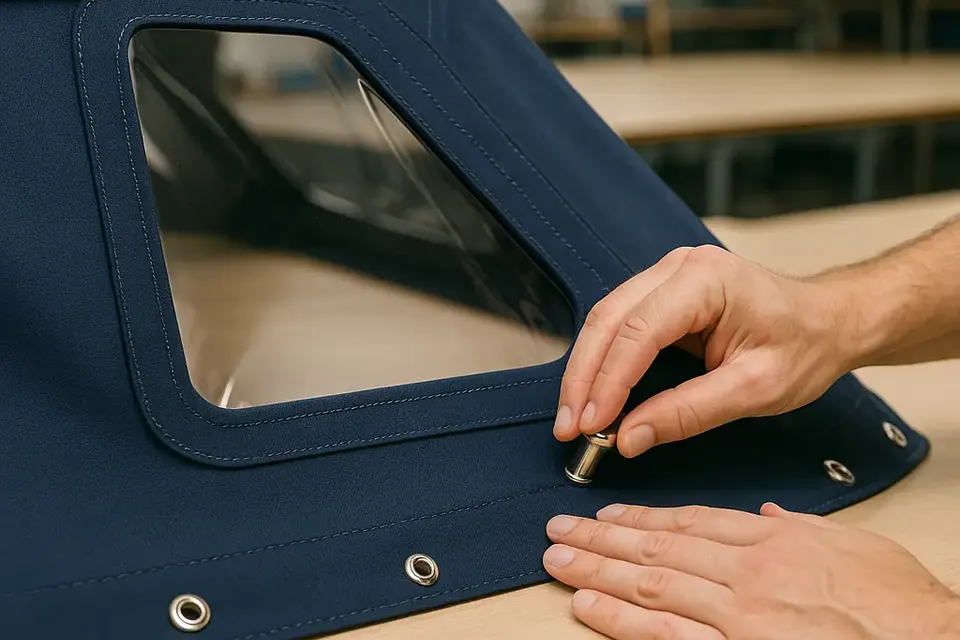
- Features: Good spray hoods include clear vinyl windows for visibility forward, grab rails on the aft edge for safety, and often zippers to attach cockpit enclosures or additional sunshades. Their design must be sturdy enough to withstand the forces of wind and water encountered on the North Sea.
Each of these cover types serves a distinct purpose, and a comprehensive protection strategy for a boat in Wick might involve a combination of them, tailored to the vessel's type and use.
Wick Marina and Harbour Information
Wick Harbour is more than just a place to tie up; it's the heart of a resilient maritime community. Strategically located, it offers shelter in an otherwise exposed stretch of coastline. The harbour consists of an outer and inner basin, providing berthing for a mix of commercial fishing vessels and a growing number of leisure craft, predominantly sailing yachts and cabin cruisers.
The facilities typically include pontoon berths, access to water and electricity, and often fuel services. While essential, these facilities don't negate the environmental challenges. Even within the harbour's protection, boats are still subject to salt-laden winds, UV radiation filtering through the clouds, and the persistent dampness of the Scottish climate. The open aspect of the harbour, particularly the outer basin, means vessels are more exposed than in a deeply sheltered fjord or river marina.
This persistent exposure within Wick Harbour itself underscores why quality boat covers are non-negotiable. They add a vital layer of personal protection for each vessel, guarding it from the daily wear and tear that even a seemingly 'safe' harbour environment cannot fully prevent. The active sailing community here understands that proactive protection is key to enjoying their passion in this magnificent, yet demanding, location.
The UK Boat Covers Advantage for Wick Boaters
For boat owners in Wick seeking the ultimate in protection for their cherished vessels, a company offering a specialised, convenient, and cost-effective service is invaluable. UK Boat Covers presents a compelling solution, particularly tailored to the needs of a remote coastal community.
Specialised Service: Understanding Coastal Demands
UK Boat Covers understands the specific challenges faced by boaters in places like Wick. Their expertise isn't just in stitching fabric; it's in understanding the dynamics of salt spray, high winds, and persistent UV that define coastal environments. This specialist knowledge translates into covers designed with appropriate materials, reinforced stress points, and secure fastening systems built to endure the North Sea's temperament. They don't just make covers; they craft protective solutions for demanding maritime conditions.
The Revolutionary postal service with agreed dispatch timing: Convenience Redefined
One of the standout advantages offered by UK Boat Covers, particularly beneficial for boaters in a location like Wick, is their innovative postal service with agreed dispatch timing. This service streamlines the process of getting a perfectly fitting new cover with unparalleled efficiency:
- You Send Your Old Cover: The process begins with the customer sending their old, existing boat cover to UK Boat Covers. This old cover serves as the precise template for the new one. This method guarantees an exact, custom fit, eliminating the uncertainties and delays associated with on-site measurements, which can be particularly challenging in remote areas.
- Expert Replication: Upon receipt, UK Boat Covers' skilled craftspeople meticulously use the old cover as a pattern. They will identify areas of weakness in the original design and often enhance these with superior materials, reinforced stitching, or improved fastening points, effectively upgrading the protective capabilities.
- Rapid Turnaround: The commitment to a postal service with agreed dispatch timing means that from the moment your old cover is received, a new, custom-made cover is crafted and dispatched according to the agreed schedule. This rapid turnaround minimises the period your boat is left unprotected, a critical factor in Wick's harsh climate.
- Receive Your New Cover: The perfectly fitted, high-quality new cover is then sent back to your address in Wick, ready for immediate installation.
This postal service is a game-changer for boater's remote like Wick. It bypasses the need for costly and time-consuming travel for measurements, offers a custom fit guarantee that generic covers cannot match, and ensures minimal downtime for your vessel. For a location where specialist services might not be immediately at hand, this logistical solution is incredibly practical and efficient.
The Custom Fit Advantage: Precision Protection
The use of your old cover as a template is key to achieving a truly custom fit. Unlike off-the-shelf covers that are designed for generic boat types and can sag, flap, or chafe, a custom-fitted cover hugs the contours of your boat precisely.
- Eliminates Chafing: A snug fit prevents the cover from rubbing against the boat's surfaces or hardware, which can cause wear on both the cover and the boat.
- Optimal Water Run-off: Correct tension and shape ensure water sheds effectively, preventing pooling and subsequent stretching or leaking.
- Superior Wind Resistance: A well-tensioned, custom cover is less likely to flap violently in strong winds, reducing stress on the fabric and tie-down points, and preventing wind from getting underneath and lifting the cover.
- Enhanced Aesthetic: A perfectly fitted cover simply looks better, maintaining the smart appearance of your vessel even when covered.
No VAT Pricing Advantage: A Direct Saving
Another compelling benefit offered by UK Boat Covers is their "No VAT pricing advantage." For customers, this translates into a direct cost saving. While the specifics of VAT exemption can vary by business size and service type, the end result for the Wick boat owner is that the price they see is the price they pay, without the additional 20% tax typically levied on goods and services in the UK. This represents a significant reduction in the overall cost of a high-quality, custom-made boat cover, making premium protection more accessible and offering exceptional value for money. For significant investments like boat covers, this pricing structure can make a real difference to a boater's budget.
Quality Materials and Expert Craftsmanship
Beyond convenience and price, UK Boat Covers prides itself on the quality of its materials and the expertise of its craftsmanship. They utilise marine-grade fabrics from leading manufacturers, ensuring that every cover is built to withstand the rigours of Wick's coastal climate. Combined with skilled stitching, robust reinforcements, and durable hardware, their covers are designed for longevity and performance, providing reliable protection year after year.
Conclusion: Safeguarding Your Investment in Wick
The wild, captivating beauty of Wick’s coastline, while breathtaking, presents a formidable challenge to any boat owner. From the incessant salt spray and buffeting winds to the relentless UV radiation and damp conditions, the elements conspire to diminish the beauty and structural integrity of even the most robust sailing yacht or cabin cruiser. In this demanding environment, a high-quality boat cover transcends being an accessory; it becomes an indispensable necessity, a testament to responsible boat ownership.
Choosing the right protection means opting for covers specifically designed to combat these coastal realities – whether it’s a robust canvas cover shielding the entire deck, a practical tonneau cover for an open cockpit, a versatile canopy for fair-weather comfort, or a sturdy spray hood providing essential protection on a sailing yacht. These bespoke solutions extend the life of your vessel, preserve its aesthetic appeal, reduce maintenance burdens, and safeguard your significant investment for years to come.
For the discerning boat owner in Wick, the bespoke service offered by UK Boat Covers provides an ideal solution. Their innovative postal service with agreed dispatch timing ensures a perfectly tailored, premium-quality cover with minimal hassle and downtime, delivered right to your door. Coupled with their "No VAT pricing advantage," this represents not just a purchase, but a savvy, long-term investment in the longevity and enjoyment of your boat. Don't let the North Sea's embrace erode your passion; shield your vessel with the protection it deserves, and continue to explore the magnificent waters of the Scottish North Coast with peace of mind.