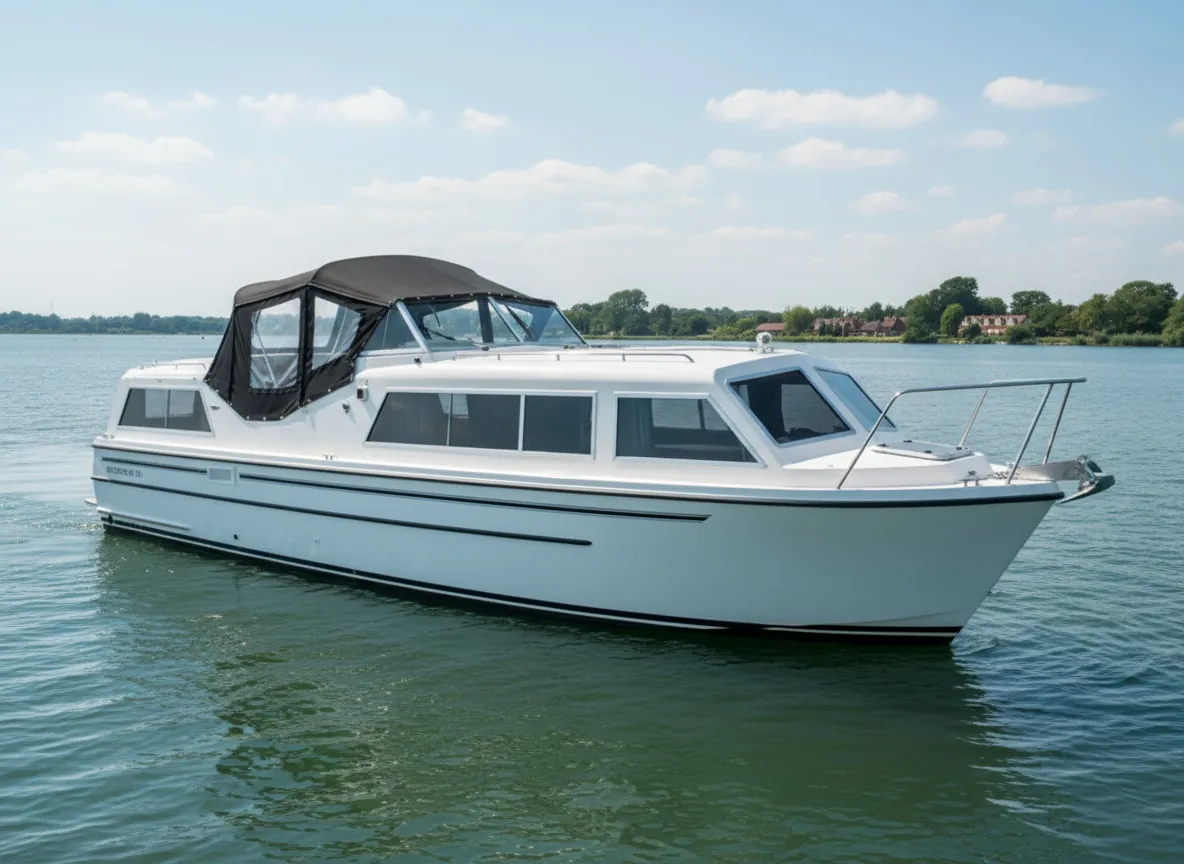
UK Canal Locks Guide
Guide to UK canal locks for boaters. Types of locks, how they work, and protecting your boat cover while navigating locks.
Why Choose UK Boat Covers?
- No VAT is charged
- 6-day turnaround from booking
- Marine-grade PVC and Acrylic fabrics
- Postal copy service - post your old cover, we copy it exactly
- UK-wide service - we deliver anywhere in the United Kingdom
- Family-run business with personal service
- Customer feedback is being reviewed for source confirmation
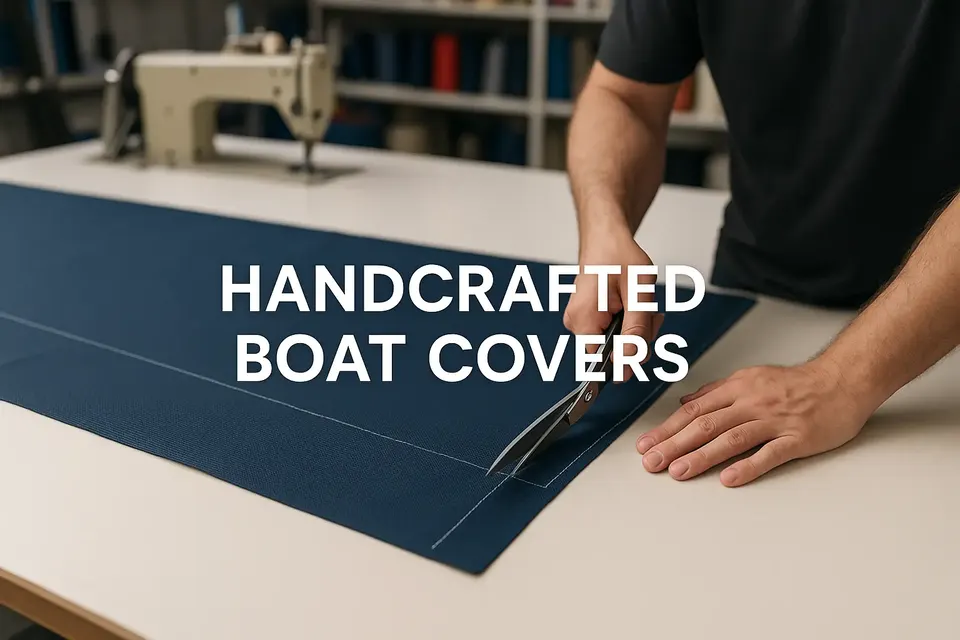
Our Services
- Full boat canopy - quote required
- Tonneau cover - quote required
- Cockpit cover - quote required
- Cratch cover - quote required
- Repairs - from £70
Popular Boat Models
We make bespoke covers for 170+ boat models including:
Get a Free Quote
Contact Ryan at UK Boat Covers for a free, no-obligation quote. We serve boat owners across the entire United Kingdom via our postal copy service.
Get a free quote | View our prices | Learn about our postal service
Frequently Asked Questions
How many canal locks are there in the UK?
There are over 1,700 canal locks in the UK managed by the Canal & River Trust, spread across 101 waterways. The Grand Union Canal has the most with 204 locks, followed by the Kennet & Avon Canal with 106 locks.
What is the longest lock flight in the UK?
Tardebigge Flight on the Worcester & Birmingham Canal is the longest with 30 locks over 2.25 miles, rising 67 metres. It takes 4-6 hours to navigate. Caen Hill Flight on the Kennet & Avon is the steepest with 29 locks rising 72 metres.
How wide are canal locks in the UK?
Narrow locks are 7 feet wide and accept narrowboats. Broad locks are 14 feet wide and can fit two narrowboats side by side or wide beam boats. Check lock dimensions before planning your route.
How long does it take to go through a lock?
A single lock takes 10-15 minutes. Lock flights take longer - allow 1-2 hours for Foxton (10 locks), 3-4 hours for Hatton (21 locks), and 4-6 hours for Tardebigge (30 locks). Never rush through locks.
Are there any lock-free canals in the UK?
Yes, several canals have no locks or lock-free sections: the Bridgewater Canal has no locks at all, the Lancaster Canal (northern section), Gloucester & Sharpness Canal, Ashby Canal, and parts of the Peak Forest Canal are all level.
Boat Cover Considerations for Lock Users
If your boat regularly passes through canal locks, boat cover design matters in ways that aren't obvious until you've struggled with a poorly designed one. Canopies and covers need to be removed, folded, stowed, and refitted several times during a day's lock-working — particularly on busy canal routes with closely spaced locks. Here's what affects how practical your cover is in lock conditions.
Quick-Release Attachment Systems
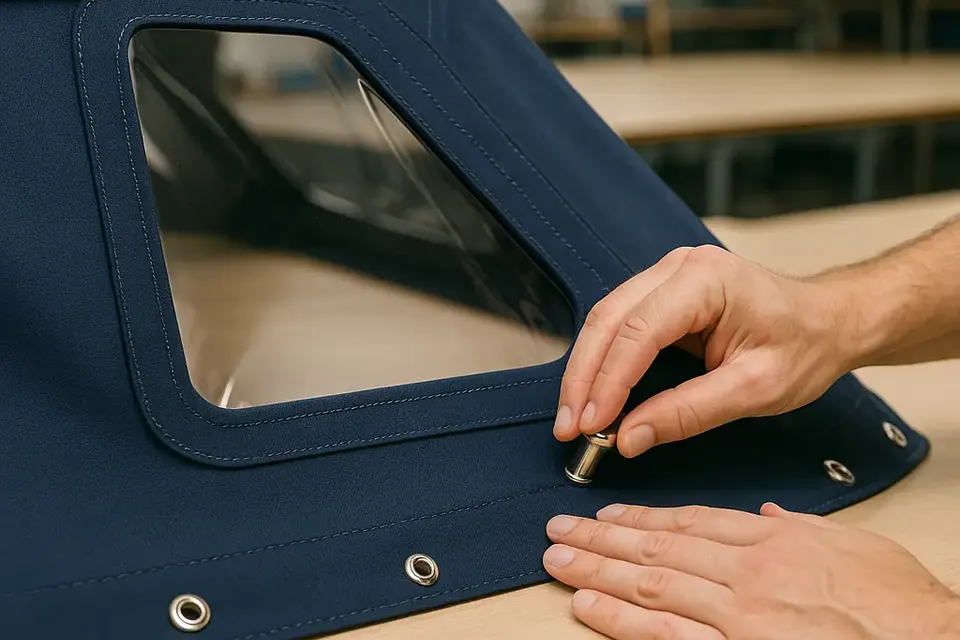
Covers attached with buckle straps are much faster to remove and refit than those relying solely on press studs. We can fit a combination of press studs for the main hem (for security when moored overnight) and buckle straps or zip-front access for quick daytime removal. When ordering, tell us how frequently you use locks and we'll specify the attachment system accordingly.
Folding and Stowage
A tonneau cover should fold compactly and fit into a locker or cockpit seat storage compartment when removed. Marine PVC folds easily when warm; in cold weather it can be stiffer and more difficult to fold neatly. Acrylic canvas is more flexible at low temperatures and is often easier to handle for regular lock-workers. If you're constantly on the move, an acrylic cover may be more practical even if PVC would be the better material choice for pure weather protection.
Canopies on Lock-Working Boats
Full canopies with rigid hoops need to be removed entirely before entering most locks due to height restrictions. If you're buying a canopy for a boat that works through locks regularly, consider a folding design or a canopy that can be unclipped and stored flat while the boat passes through. We can advise on the most practical design for your specific waterway and boat type. Contact us.