Hull Blacking Guide 2025: Costs, How Often & Finding a Specialist Near You

Category: Maintenance & Care

The definitive 2025 guide to narrowboat hull blacking in the UK. Learn about bitumen vs epoxy, average costs at major marinas, DIY vs professional application, and how to find vetted specialists.

Get a free quote | Our services | View prices

Keeping your narrowboat’s hull in prime condition is paramount for its longevity and your peace of mind on the UK’s diverse waterways, from the Grand Union Canal to the Scottish Lowland Canals. Hull blacking is an essential part of this maintenance, providing a protective barrier against corrosion, osmosis, and general wear and tear. As we look ahead to 2025, understanding the 'what, why, and how often' of hull blacking, along with the associated costs, is crucial for every boat owner. This guide aims to demystify the process, helping you make informed decisions whether you're moored in Oxfordshire or cruising further afield.

The primary purpose of blacking is to shield your boat's steel hull from the harsh aquatic environment. Without proper protection, the steel is susceptible to rust, leading to structural damage and potentially expensive repairs. The frequency of blacking typically depends on several factors: the type of coating used, the water conditions your boat is in, and how often you use your boat. Generally, most narrowboat owners aim for a re-blacking every two to three years. However, boats used heavily or moored in particularly silty or acidic waters might benefit from more frequent attention, perhaps every 18 months. Conversely, boats that spend more time out of the water or in very clean conditions might stretch this to four years. Regular inspection during dry docking is always recommended to assess the hull's current condition.

Bitumen vs. Epoxy: Choosing Your Hull Protection

When it comes to hull blacking, you primarily have two material choices: traditional bitumen and more modern epoxy coatings. Bitumen, often referred to as 'pitch,' is a cost-effective and relatively straightforward application. It provides a good waterproof barrier and is flexible, allowing it to move with the hull. However, its durability is generally shorter than epoxy, and it can be prone to scuffing and damage, requiring more frequent reapplication. For DIY enthusiasts, bitumen is often the preferred choice due to its ease of application. Many boaters find that applying a fresh coat of bitumen every two years keeps their hull adequately protected. While you're focusing on protecting your boat's underside, don't forget the importance of safeguarding the exposed elements too. Just as you invest in quality hull protection, consider durable covers for your boat's exterior. Family-run businesses like ukboatcovers.com specialise in bespoke boat covers with a rapid 6-day turnaround, ensuring the rest of your boat is protected from the elements just as thoroughly.

Epoxy coatings, on the other hand, represent a significant upgrade in terms of durability and protection. They form a much harder, more resilient barrier against impact and abrasion, offering superior resistance to chemical attack and osmosis. While the initial cost of epoxy is higher, and its application more demanding – often requiring professional sandblasting and multiple coats in controlled conditions – its longevity can offset this. An epoxy coating can last anywhere from five to ten years, meaning less frequent dry docking and reapplication. For long-term protection and reduced maintenance cycles, epoxy is often the preferred choice for many boat owners looking for a robust solution for their valuable vessel.

Understanding Hull Blacking Costs and Professional Services

The cost of hull blacking varies significantly based on several factors: boat length, the type of coating (bitumen vs. epoxy), whether it's a DIY project or professional application, and the location of the dry dock or marina. For a typical 50-60ft narrowboat, a professional bitumen blacking service in 2025 might range from £800 to £1,300, including dry dock fees, pressure washing, and two coats of bitumen. Epoxy application will be considerably more, potentially starting from £1,600 and easily exceeding £3,100 for a comprehensive sandblast and multi-coat system, reflecting the higher material cost and labour intensity. Major marinas and boatyards across the UK, from London to Manchester, will have their own pricing structures, so obtaining multiple quotes is always advisable.

While DIY blacking can save on labour costs, it requires specific equipment, knowledge, and a suitable environment, typically a rented dry dock or slipway. Factor in the cost of materials, protective gear, and equipment hire. For many, the peace of mind that comes with a professional service, ensuring proper surface preparation and application, is worth the investment. To find a vetted specialist near you, start by asking for recommendations from other boat owners in your marina or online communities. Check online directories for boatyards and service providers, and always request detailed quotes outlining what is included. Remember, just like finding the right specialist for hull blacking, choosing the right bespoke boat cover requires attention to detail. Companies like ukboatcovers.com offer a postal copy service, where you can send your old cover and receive an exact, perfectly fitting replica in new fabric, ensuring quality and a precise fit without the added cost of VAT, a saving of 20% compared to VAT-registered suppliers.

Ultimately, investing in regular and high-quality hull blacking is a critical aspect of narrowboat ownership, protecting your investment and ensuring countless more years of enjoyment on the UK's beautiful waterways. By understanding your options and planning ahead, you can keep your boat in excellent condition.

Frequently Asked Questions

What are the typical costs for a bespoke boat cover, and can I save money with UK Boat Covers?

Our bespoke boat covers are crafted to your exact specifications. Prices vary depending on the type and size of cover, starting from £389 for a tonneau cover and £429–£1,419 for canopies. As a family-run business, we operate without VAT, meaning you save a significant 20% on your purchase compared to VAT-registered suppliers. This ensures you get a premium, custom-made cover without the added tax burden, offering excellent value.

Which fabric is best for my new custom boat cover – PVC or Acrylic?

Both PVC marine fabric and Acrylic fabric offer excellent protection, but each has unique benefits. PVC is known for its exceptional waterproofing, durability, and ease of cleaning, making it ideal for robust, long-lasting covers that need to withstand harsh weather. Acrylic fabric, while still highly water-resistant, is celebrated for its breathability, UV resistance, and aesthetic appeal, often chosen for canopies where airflow and colour retention are priorities. Your choice depends on your specific needs and aesthetic preferences.

How long does it usually take to get a new custom boat cover made and delivered?

We pride ourselves on our efficiency and commitment to getting you back on the water quickly. Once your order is confirmed and specifications are finalised, UK Boat Covers offers an impressive 6-day turnaround for the manufacture of your bespoke boat cover. This rapid service ensures you won't have to wait long to protect your vessel with a high-quality, custom-fit cover, minimising downtime for your boat.

How can I ensure my new boat cover from UK Boat Covers will fit perfectly?

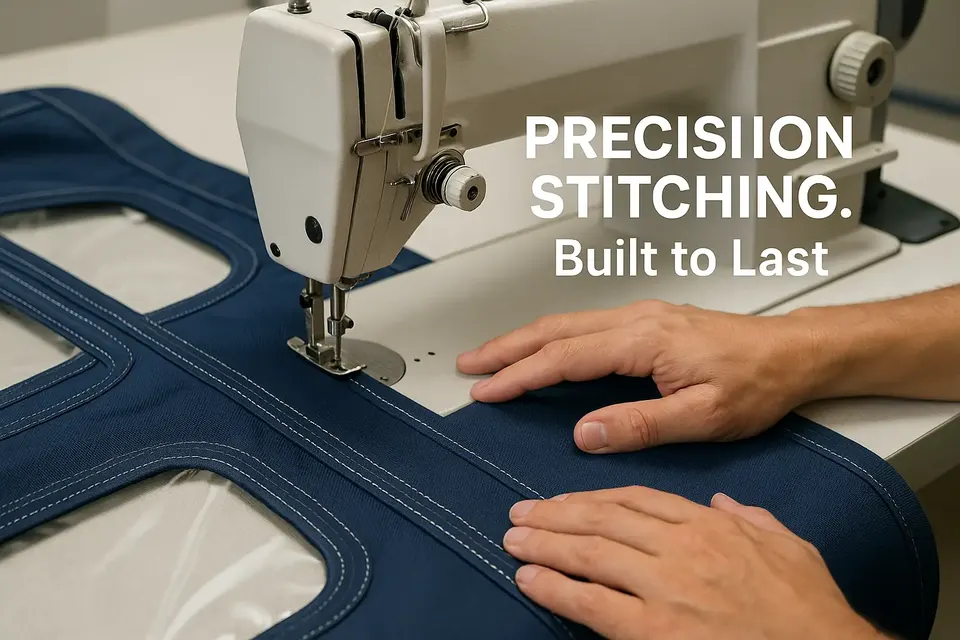
Our unique postal copy service guarantees a perfect fit every time. Simply post your old boat cover to us, and our skilled team will use it as an exact template to craft your new cover in your chosen fabric. This method eliminates the need for complex measurements and ensures the new cover replicates the original's fit precisely, guaranteeing a snug, custom look without any hassle or guesswork on your part.

Does UK Boat Covers provide custom covers for boats across all UK waterways?

Absolutely! Although we are based in Carterton, Oxfordshire, UK Boat Covers proudly serves boat owners across the entirety of the United Kingdom. Whether your boat is on the canals of Birmingham, the rivers of Scotland, or coastal marinas, we can manufacture and deliver bespoke covers directly to you. Our postal copy service further simplifies the process for customers nationwide, making quality custom covers accessible to all UK waterways users.
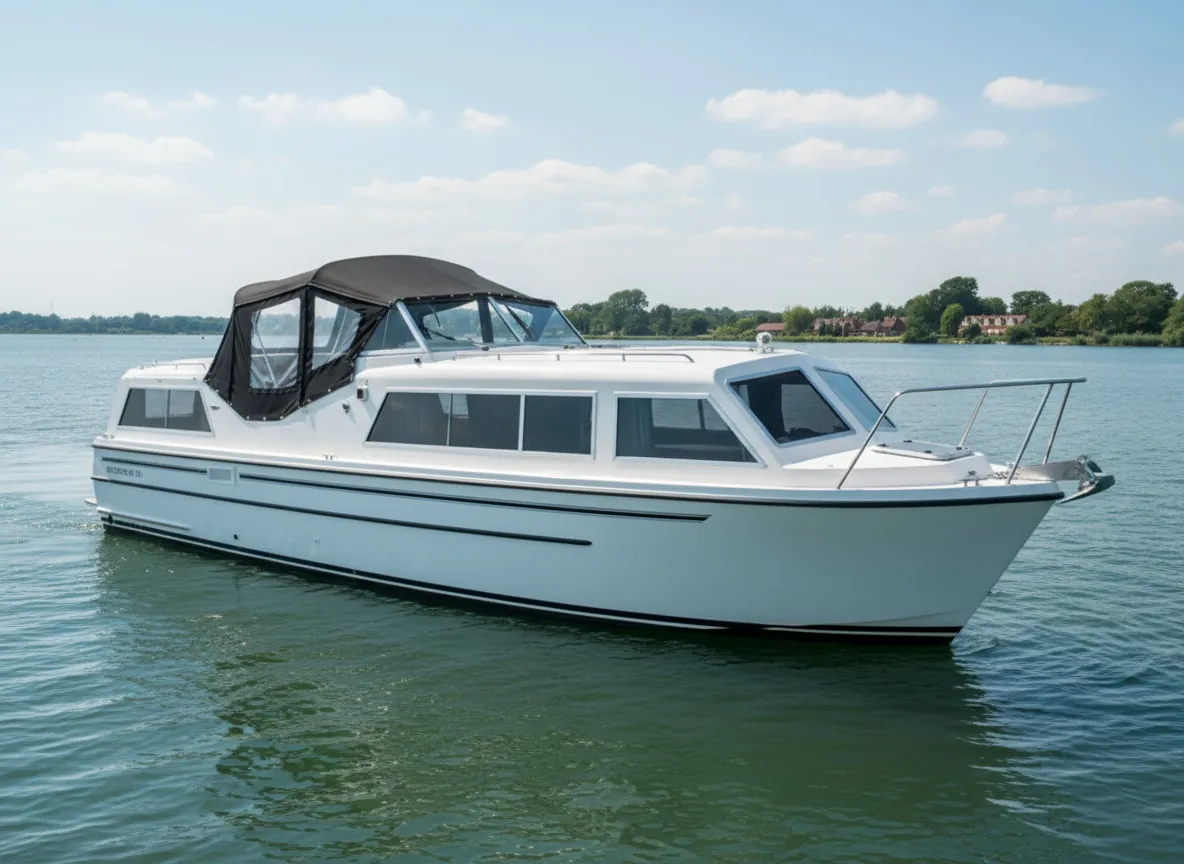
Bespoke boat cover — Hull Blacking Guide 2025: Costs, How Often & Finding a Specialist Near You

Related Guides

Mooring Locations We Cover